

Published May 11, 2026 · Updated July 4, 2026
Homemade vegetable broth is the unsung kitchen staple that quietly upgrades every soup, grain, and braised dish in your repertoire. This version simmers onions, carrots, celery, leeks, and a handful of fresh herbs for an hour to pull a clear, savory broth at roughly a third of the sodium of store-bought boxes. One pot yields 8 cups, enough to stock the freezer and forget about buying broth for a month.
Vegetable Broth Quick Stats

Why This Recipe Works
Vegetable-forward and naturally clean: The base is just five aromatic vegetables, three herbs, and water. No bouillon paste, no yeast extract, no preservatives, just the natural flavor compounds that leach out of vegetables during a controlled simmer.
Clear, restaurant-grade broth from a low simmer: A gentle, partially-covered simmer (not a rolling boil) is what produces clear, never-cloudy broth. The slow extraction also pulls cleaner flavor without the bitter notes that come from aggressive boiling.
Lower sodium than store-bought: A boxed vegetable broth typically carries 700 to 1,200 mg of sodium per cup, with most of that added during processing. This recipe lets you control the salt: start at 1 tablespoon for the full batch, then adjust at the end.
Built for waste reduction: The technique works just as well with vegetable trimmings: leek tops, carrot peels, onion skins, celery hearts, parsley stems. Stash trimmings in a freezer bag during the week and brew a scrap broth on Sunday with the same method.
Foundation for the rest of your cooking week: One pot yields 8 cups, enough to cook two pots of soup, braise a head of cabbage, simmer a pot of grains, or sip a warming cup on a cold afternoon.
Store-Bought Carton Broth vs. Homemade Vegetable Broth
| Per 1-cup serving | Typical Store-Bought | This Recipe | Difference |
|---|---|---|---|
| Sodium | 940 mg | 890 mg | Adjustable |
| Added preservatives | Yes | None | Clean label |
| Yeast extract / MSG | Often present | None | Pure vegetable |
| Real vegetables | Concentrated extract | 5 fresh | Whole food |
| Cost per cup | $0.50 to $0.85 | ~$0.30 | Cheaper |
Sodium in the homemade version reflects 1 tablespoon of salt across 8 cups. Reduce to 1½ teaspoons for a lower-sodium batch (about 445 mg per cup).
Here is the full vegetable broth recipe with exact measurements, herbs, and step-by-step technique.
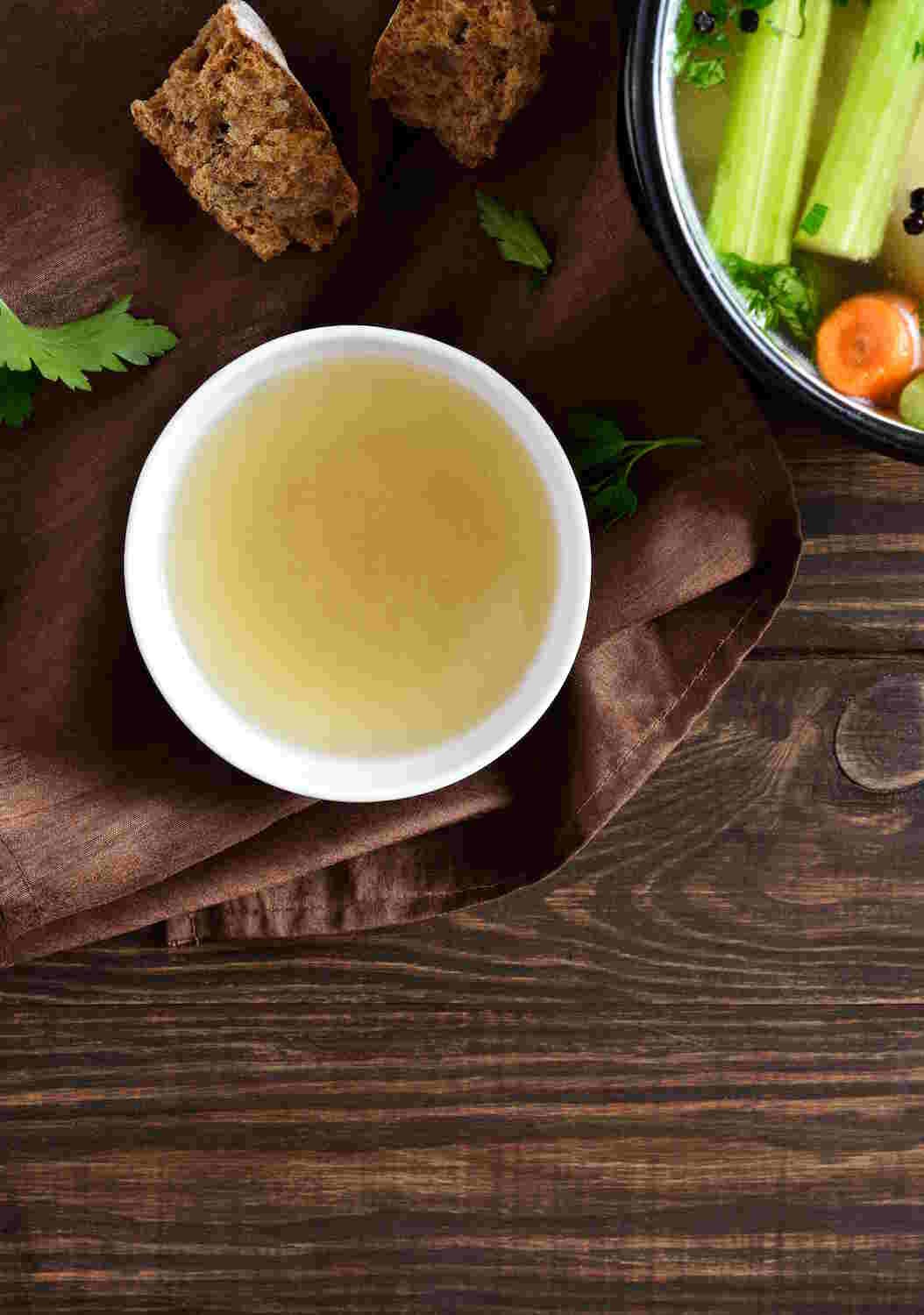

Vegetable Broth
Ingredients
Equipment
Method
- Roughly chop all vegetables into large pieces, onions quartered, carrots and celery in 2-inch chunks, leeks chopped into rings, garlic heads halved crosswise. Skip dicing; large pieces produce a clearer broth.
- Place all the vegetables, parsley, thyme, bay leaves, peppercorns, and salt into a large stockpot. Pour in 10 cups of cold water.
- Bring to a boil over high heat, then immediately reduce the heat to low. Cover the pot partially with the lid (leave a 1-inch gap for steam) and simmer for 1 hour. Maintain a gentle simmer, never a hard boil, to keep the broth clear and clean-tasting.
- Remove the pot from the heat and let it cool for 10 minutes. This makes straining safer and prevents the broth from clouding as it cools.
- Strain the broth through a fine-mesh strainer set over a large bowl, discarding the solids. For the clearest finish, strain a second time through a layer of cheesecloth or a coffee filter.
- Taste and adjust salt as needed. Cool to room temperature before transferring to airtight containers for refrigerator or freezer storage.
Nutrition
Notes
Tried this recipe?
Let us know how it was!You Might Also Like


Chef Tips for Perfect Vegetable Broth
Cut vegetables in large pieces: Roughly quartered onions and 2-inch chunks of carrot and celery extract clean flavor without releasing the starches and pectin that cloud the broth. Do not dice, go big.
Never boil hard: A gentle, partially-covered simmer is what keeps the broth clear. A rolling boil emulsifies fats and starches into the liquid and pulls bitter notes from the herbs. Adjust the heat so you see slow, lazy bubbles.
Skip rosemary, sage, and oregano: Strong woody herbs overpower the lighter vegetables and dominate the finished broth. Stick with parsley, thyme, and bay, three herbs that lift without taking over.
Add salt at the very end: The broth will reduce during simmering, concentrating any salt you added at the start. Season after straining, when you can taste the actual finished volume.
Save vegetable scraps year-round: Stash leek tops, carrot peels, onion skins, celery hearts, and herb stems in a freezer bag. When it is full, brew a scrap broth using the same method: zero waste, zero cost.
Strain twice for the clearest broth: First through a fine-mesh strainer to catch the solids, then through cheesecloth or a coffee filter for the cleanest pour. Worth the extra two minutes if the broth is going into a delicate clear soup.
Storage and Serving Suggestions
Refrigerator Storage: Cool the broth to room temperature, then transfer to airtight glass jars or containers. Keeps for up to 5 days in the fridge.
Freezer Storage: Freezes beautifully for up to 3 months. Portion into 1-cup or 2-cup freezer-safe containers, leaving 1 inch of headspace for expansion. Freezing in silicone ice cube trays gives you 2-tablespoon portions for deglazing pans and finishing risottos.
Reheating: Reheat gently on the stovetop. Microwave single cups for 60 to 90 seconds. The broth’s flavor is at its peak fresh and within the first week, and beyond that the herbs lose their brightness.
Meal Prep Strategy: Brew one batch on Sunday and use it as the base for a soup, a grain bowl, and a braise during the same week. The freezer cubes handle quick-cooking applications all month.
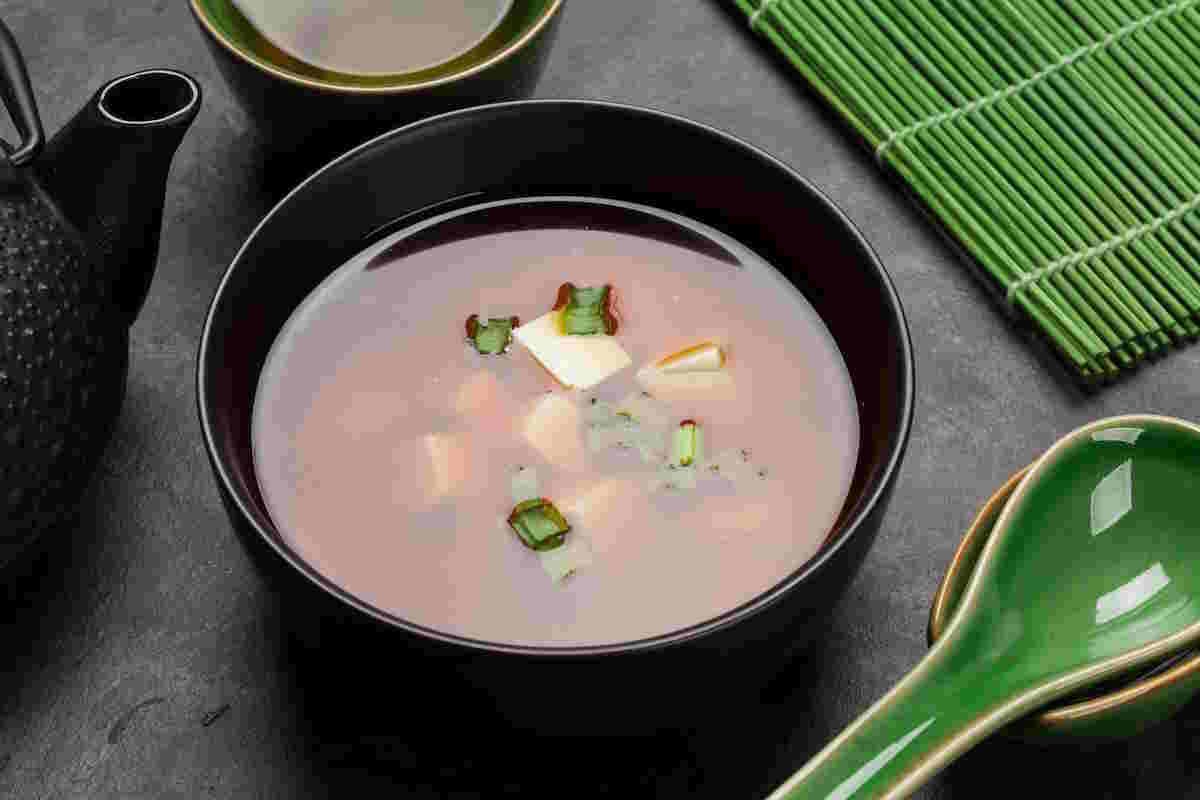
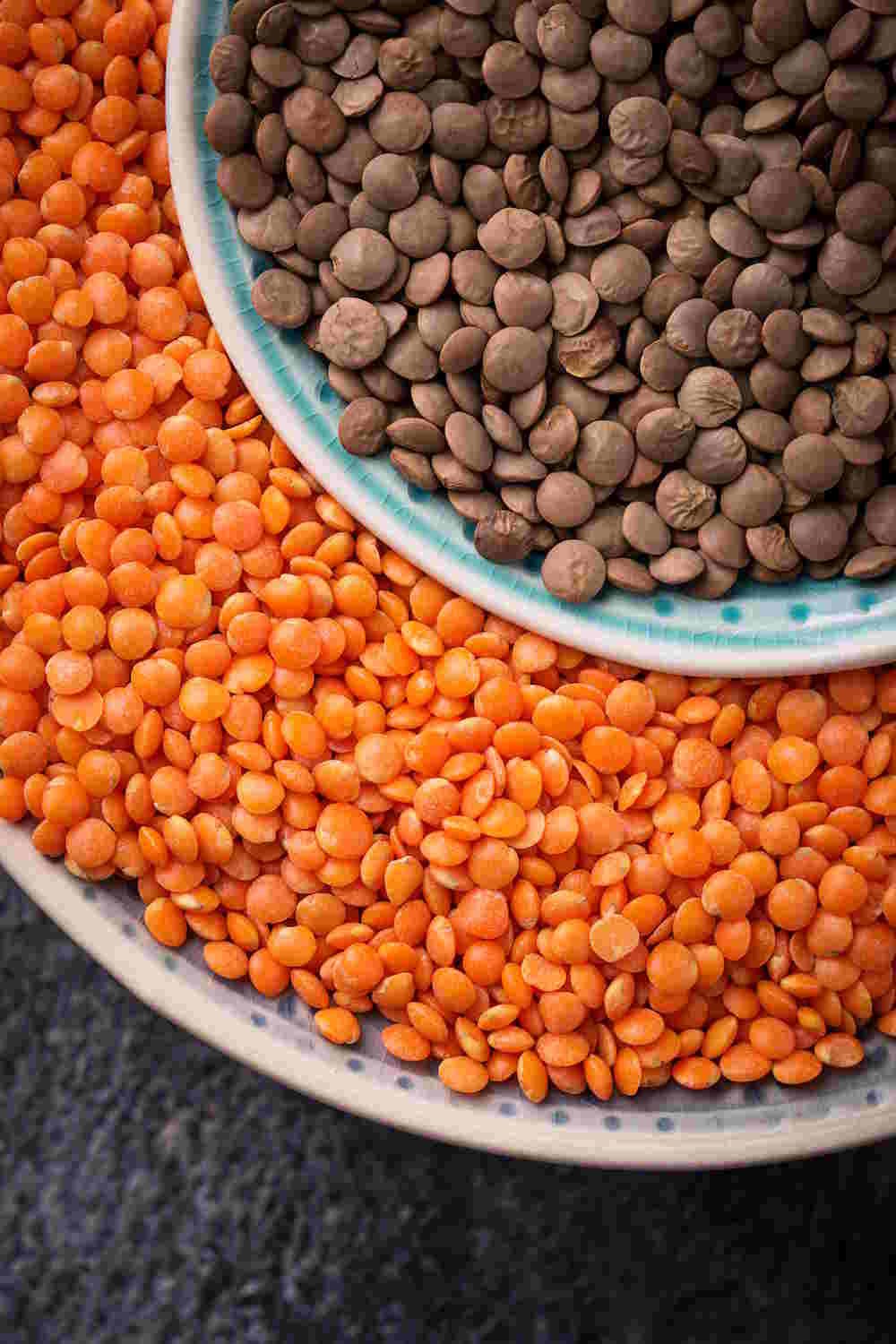
Complete the Meal: Use this vegetable broth as the base for the Miso Soup Recipe (skip the dashi), the Keto Hot and Sour Soup, or the Indian Lentil Stew (Dal). For a roundup of broth-forward winter meals, see the 8 Keto Stews collection, or batch-cook through the Lentil Recipes guide where every recipe takes broth as its starting point.
Frequently Asked Questions
What’s the difference between vegetable broth and vegetable stock?
In professional kitchens, stock is made from bones (typically slow-simmered for 4+ hours) while broth uses just meat or vegetables (1 to 2 hours, lighter flavor). For vegetable versions, the two terms are used interchangeably, since there are no bones involved either way. This recipe technically produces a vegetable broth, but it works in any recipe that calls for vegetable stock.
Can I make vegetable broth without salt?
Yes. Omit the salt entirely during simmering, and the broth will store and freeze just fine. Season each dish as you cook it, or add salt directly to the cup when sipping. This is the safest approach for low-sodium diets, since boxed broths run 700 to 1,200 mg of sodium per cup.
How long does homemade vegetable broth last?
Refrigerated in an airtight container, vegetable broth keeps for up to 5 days. Frozen in airtight freezer containers with 1 inch of headspace, it holds for up to 3 months. The flavor is best within the first week, as the fresh herbs gradually mellow in the freezer.
Can I use vegetable scraps to make vegetable broth?
Absolutely. Save onion skins, leek tops, carrot peels, celery hearts, herb stems, and garlic skins in a freezer bag. When it is full, simmer the scraps with water for an hour using the same method. Skip anything from the brassica family (broccoli, cabbage, cauliflower), since those create bitter, sulfurous broth.
Final Thoughts
Once you have made vegetable broth from scratch, the boxed stuff suddenly tastes like cardboard. The hands-on time is genuinely 15 minutes, and the rest is just letting a pot simmer while you do something else. Brew one batch, freeze the leftovers, and the rest of the week’s cooking gets quietly better without you noticing.
Medical Disclaimer: The nutritional information provided in this article is for informational purposes only. While we strive for accuracy, individual responses to foods vary. Always consult with your healthcare provider or registered dietitian about dietary changes.


