
Published February 14, 2026 · Updated June 26, 2026
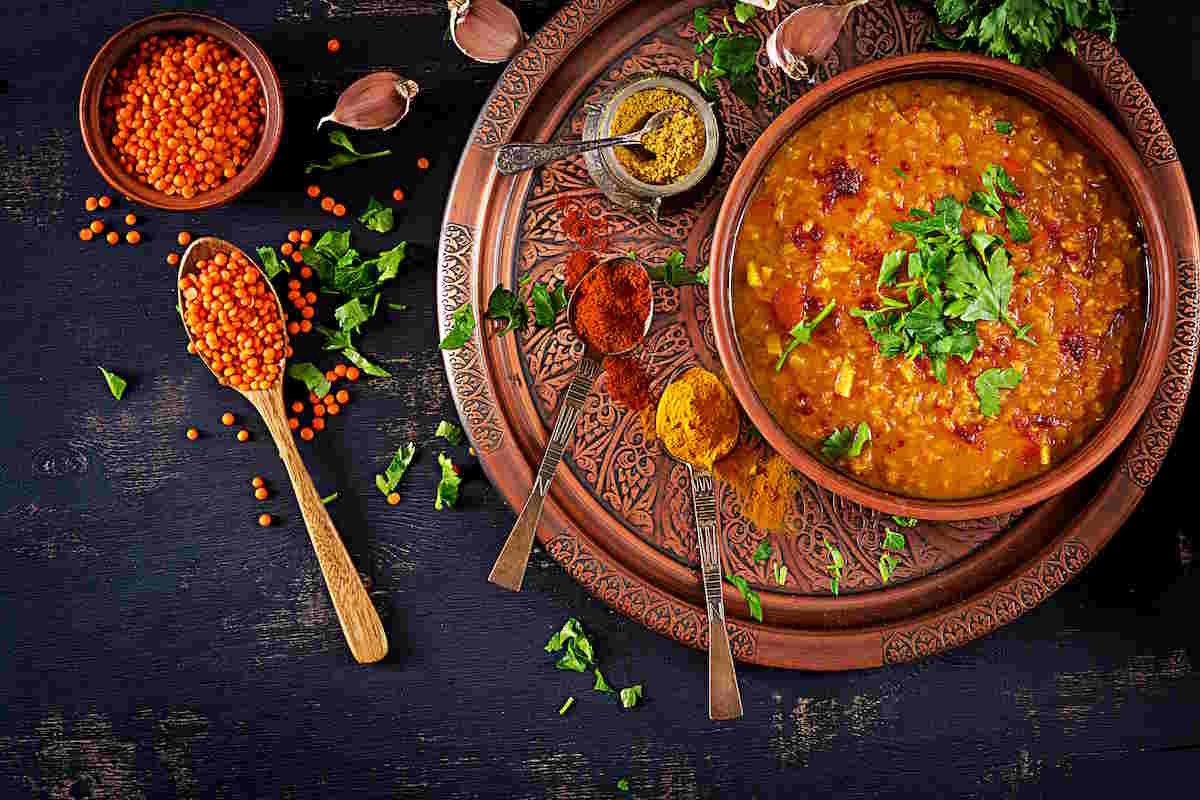
Few dishes deliver comfort and nourishment quite like a pot of Indian dal. These six diabetic-friendly Indian lentil recipes, from a quick masoor dal tadka to a hearty multigrain khichdi, are naturally high in plant protein and fiber, completely meatless, and built on the warm spices that make Indian food so satisfying. Each one is a slow-digesting, blood-sugar-conscious meal that proves healthy eating never has to be dull. If you love this style of cooking, our guide to low-carb Indian food is a natural next stop.
Quick Stats, All 6 Dal Recipes
Nutrition: varies by recipe, see each recipe card below. All six are plant-based, high in fiber, and made with no added sugar.
Why These Lentil Recipes Work
Fiber and Plant Protein: Lentils are naturally high in soluble fiber and plant protein, a pairing that digests slowly and helps you feel full longer. As Harvard’s Nutrition Source notes, the fiber that comes with a whole-food carbohydrate shapes how gently it affects blood sugar, which is exactly why a bowl of dal eats so differently from white rice or naan.
Low-Glycemic by Nature: Lentils are a low-glycemic food, releasing their energy gradually rather than in a quick surge. That slow, steady quality is what makes them such a satisfying base for a blood-sugar-conscious plate. Our deeper look at lentil benefits covers the nutrition in more detail.
No Added Sugar: None of these dals lean on sugar for flavor. The depth comes from aromatics and toasted spices, so you get rich, layered taste without the sweetener that loads down so many convenience meals.
Spices That Earn Their Place: Turmeric, cumin, ginger, garlic, and mustard seeds do more than season the pot. They bring the warmth and aroma that define real Indian cooking and turn a humble bowl of lentils into something you genuinely look forward to.
Meatless and Budget-Friendly: Dried lentils are one of the most affordable proteins in the store, and these recipes stretch a small bag into several meals. They are an easy way to build more plant-forward meals into the week without spending much.
How the 6 Dals Compare
| Dish | Main Lentil | Active Time | Best For |
|---|---|---|---|
| Masoor Dal Tadka | Red lentils (masoor) | ~35 min | Quick weeknight dinner |
| Chana Dal with Spinach | Split chickpeas (chana) | ~55 min | Hearty, iron-rich lunch |
| Bengali-Style Toor Dal | Pigeon peas (toor) | ~40 min | Subtle, aromatic comfort |
| Multigrain Dal Khichdi | Mixed dal and grains | ~85 min | One-pot complete meal |
| Moong Dal Soup | Yellow moong dal | ~30 min | Light, easy-to-digest bowl |
| Sprouted Lentil Salad | Sprouted moong | ~15 min | No-cook, fresh and crunchy |
Masoor Dal Tadka
Masoor dal tadka is the dish to start with: split red lentils simmered soft, then finished with a sizzling tempering of cumin, mustard seeds, turmeric, and garlic. It is a low-glycemic, weeknight-friendly bowl that comes together in about 35 minutes, and the bright red lentils break down into a creamy, comforting texture without any thickener.
The magic is in the tadka, the spiced oil or ghee poured over the dal at the end. A classic version uses cumin, mustard seeds, turmeric, and garlic, and a pinch of fenugreek seeds or a few curry leaves in the tempering adds another layer of authentic flavor.
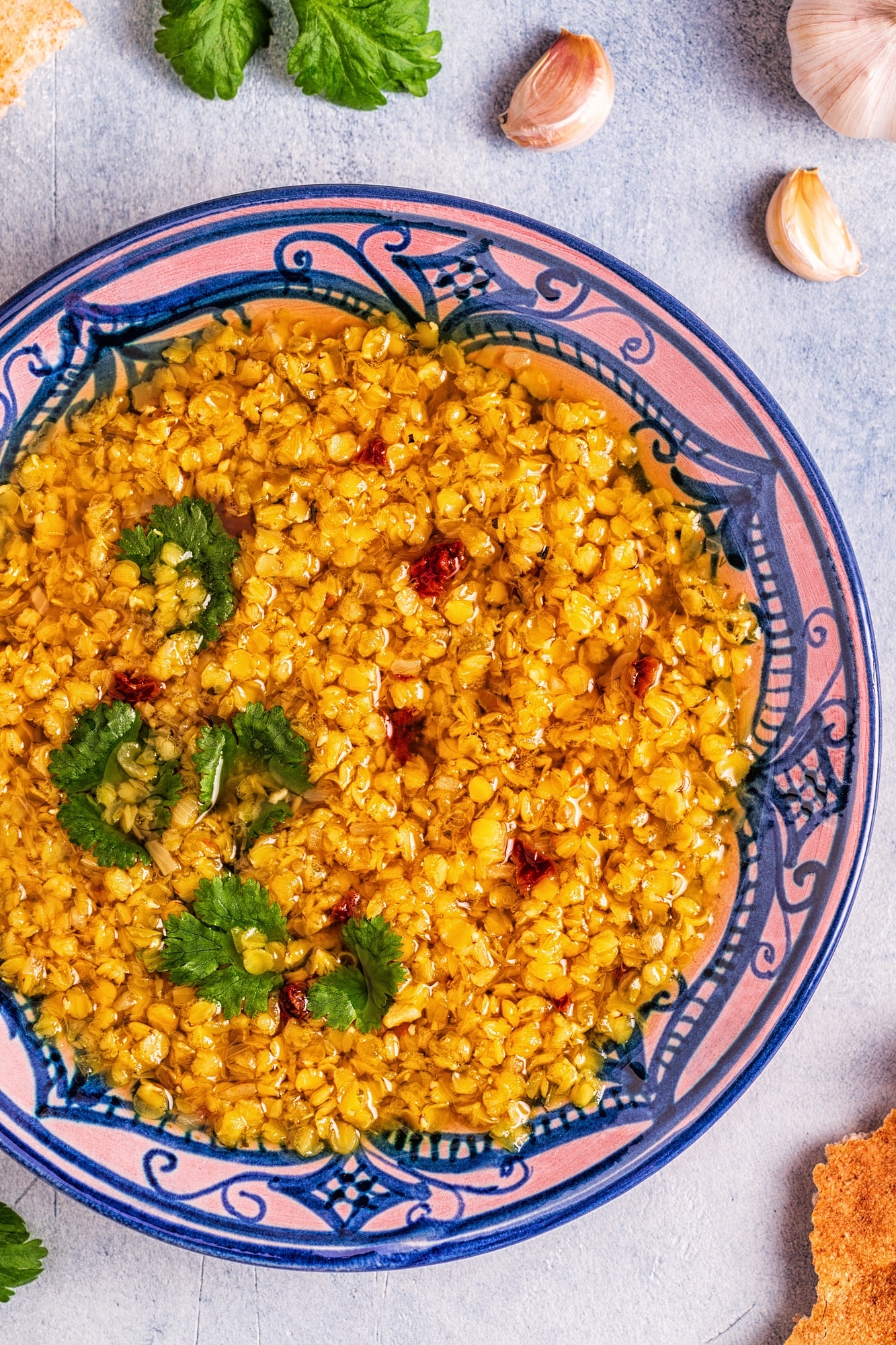
Here is the full masoor dal tadka recipe with measurements, the tempering method, and timing.

Masoor Dal Tadka
Ingredients
Equipment
Method
- Rinse the masoor dal thoroughly under running water until the water runs clear.
- In a saucepan, combine the dal, water, turmeric, and salt. Bring to a boil, then reduce heat and simmer for 15–20 minutes, or until the lentils are soft and cooked through. Skim off any foam that rises to the top.
- Use a whisk or spoon to gently mash some of the cooked dal for a creamier consistency.
- In a small pan, heat the ghee or oil over medium heat.
- Add cumin seeds, mustard seeds, and fenugreek seeds. Let them sizzle until fragrant and the mustard seeds begin to pop.
- Add curry leaves, dried red chilies, and asafoetida (if using). Sauté for a few seconds.
- Add minced garlic and grated ginger. Sauté until the garlic turns golden.
- Stir in the chopped onions and cook until translucent.
- Add tomatoes and cook until soft and oil begins to separate.
- Sprinkle in the chili powder and stir well.
- Combine and Simmer
- Pour the tadka mixture over the cooked dal.
- Mix well and simmer together for 3–5 minutes to allow flavors to meld.
- Adjust salt and consistency with a little hot water if needed.
- Garnish with fresh cilantro (optional).
- Serve hot with brown rice, quinoa, or whole grain roti for a complete, low-glycemic meal.
Nutrition
Notes
- Masoor dal is low glycemic, high in fiber and protein, and low in fat.
- Tadka adds aromatic flavor and beneficial phytonutrients.
Tried this recipe?
Let us know how it was!Chana Dal with Spinach
Chana dal, the split chickpea, holds its shape beautifully and brings a nutty, satisfying bite that sets it apart from softer red lentils. Pairing it with spinach folds in iron, magnesium, and a fresh, earthy note, making this one of the heartier, more substantial bowls in the collection.
The traditional method simmers the split chickpeas until just tender, then stirs in fresh spinach during the final few minutes so the greens keep their color and their delicate nutrients. The result is a high-fiber, plant-protein-rich dish that eats like a meal on its own.
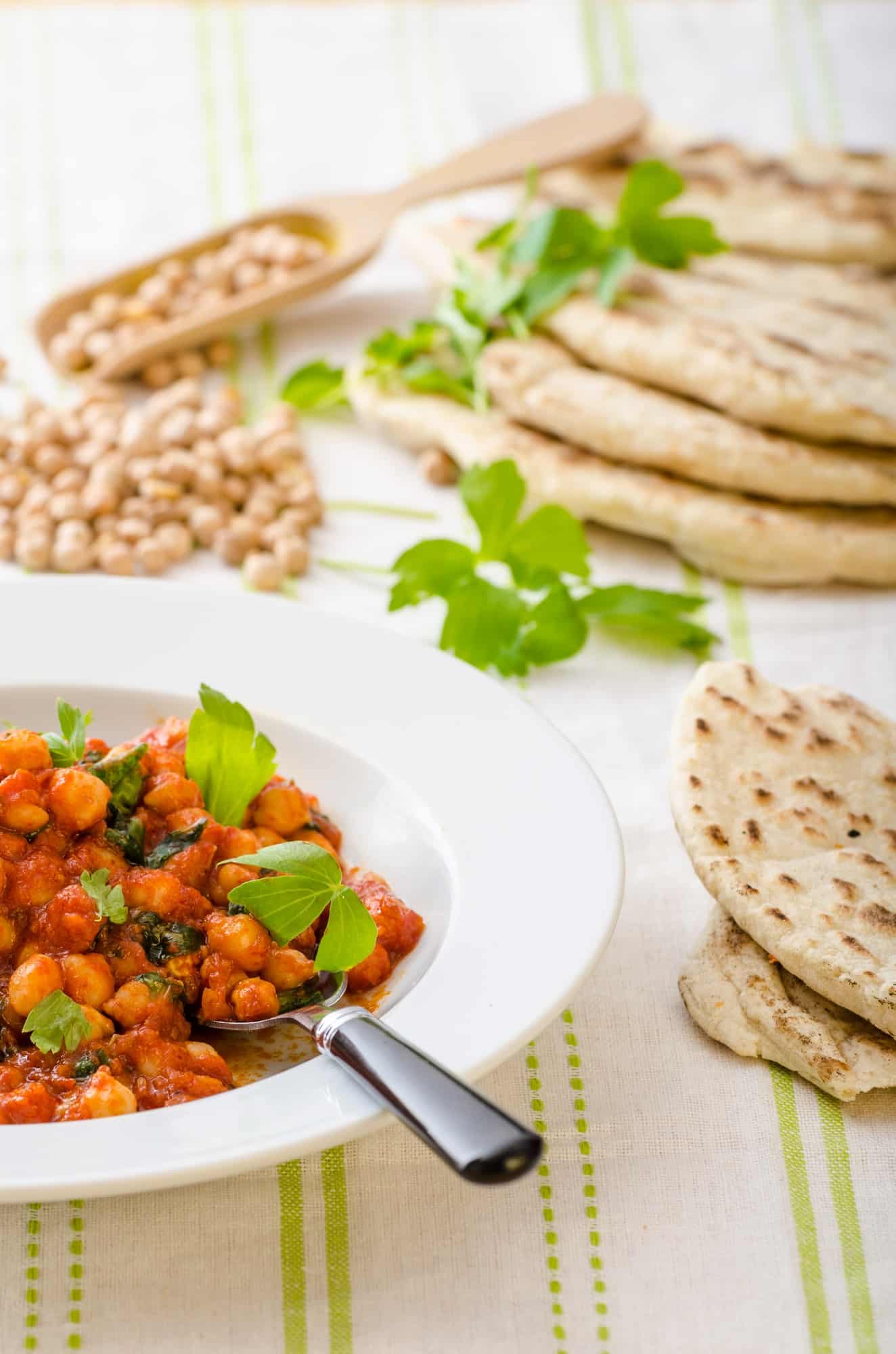
Here is the full chana dal with spinach recipe, including soaking notes and the spinach timing.
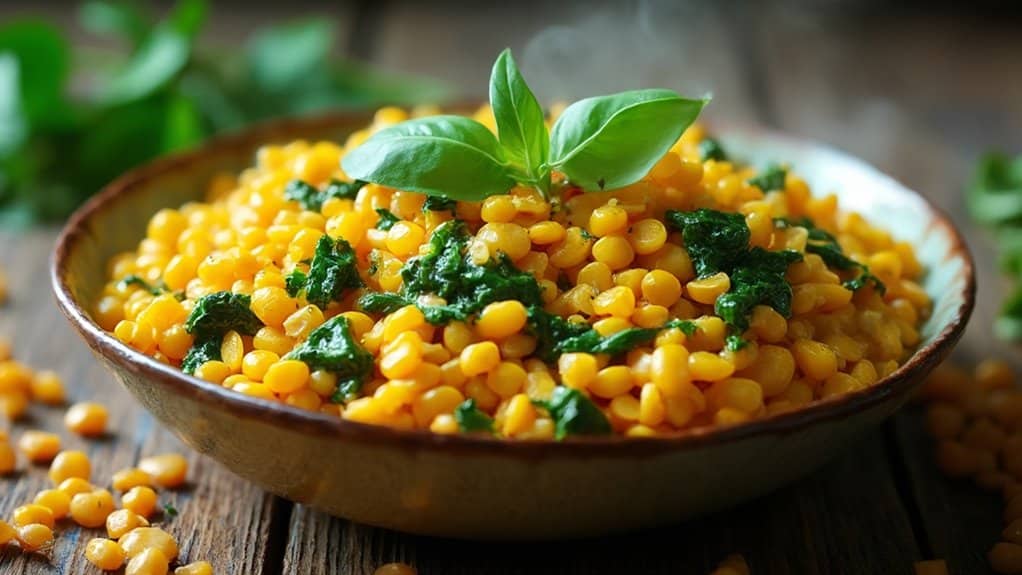
Chana Dal With Spinach
Ingredients
Equipment
Method
- Prep the Chana Dal
- Rinse chana dal thoroughly and soak in water for at least 1 hour (this helps with digestion and reduces cooking time).
- Drain and set aside.
- Cook the Dal
- Add soaked chana dal, 3 cups water, turmeric, and a pinch of salt in a pressure cooker or heavy-bottomed pot.
- Pressure cook for 2–3 whistles, or simmer in a pot for 30–40 minutes, until the dal is tender but not mushy.
- Prepare the Spinach
- While the dal cooks, heat oil or ghee in a large pan.
- Add cumin seeds and let them splutter.
- Add onions and sauté until translucent.
- Stir in garlic, ginger, and green chilies; cook for 1–2 minutes until fragrant.
- Add tomatoes and cook until they soften and the oil begins to separate.
- Add coriander powder and garam masala (if using).
- Combine Dal and Spinach
- Add the cooked dal (with its water) to the pan. Stir well.
- Add chopped spinach and simmer for 5–7 minutes, until spinach wilts and blends with the dal. Adjust salt and consistency with water as needed.
- Finish and Serve
- Garnish with fresh coriander.
- For a complete, low-glycemic meal, serve hot with lemon wedges, brown rice, or whole wheat roti.
Nutrition
Notes
- Chana dal is high in protein and fiber, making this dish filling and a good fit for a blood-sugar-conscious plate.
- Spinach adds antioxidants, magnesium, and additional fiber.
Tried this recipe?
Let us know how it was!Bengali-Style Toor Dal
Bengali-style toor dal, also known as arhar dal, is a gently spiced, comforting bowl that showcases the region’s love of subtle, layered flavors. Toor dal (pigeon peas) is a low-glycemic legume rich in protein and fiber, and the signature tempering of panch phoron, a five-seed blend, gives it a character you will not find in everyday dal.
What makes this version special is that panch phoron tempering and a balance of subtle sweetness against green chili heat. A slow simmer keeps the texture silky, and the Bengali habit of adding vegetables like pumpkin or pointed gourd makes the bowl even more filling.
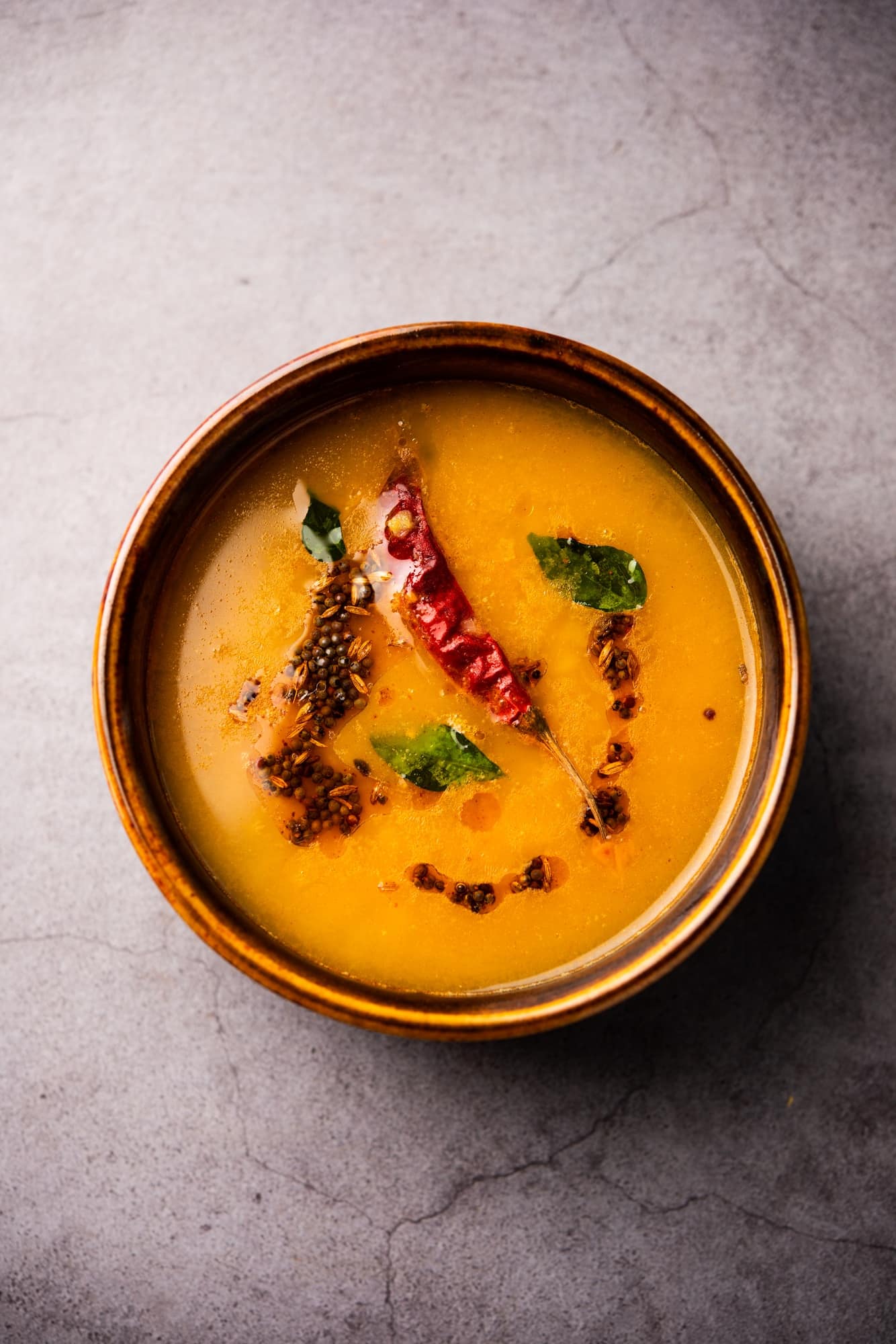
Here is the full Bengali-style toor dal recipe with the panch phoron tempering.
Bengali-Style Toor Dal
Ingredients
Equipment
Method
- Rinse the toor dal thoroughly. Soak for 30–60 minutes if time allows (this helps with digestion and reduces cooking time).
- Combine dal, water, turmeric, salt, bay leaf, tomato, pumpkin/pointed gourd (if using), and green chilies in a pressure cooker or pot.
- Cook until the dal and vegetables are soft. A pressure cooker usually takes 2–3 whistles; in a pot, simmer covered for 35–40 minutes, adding water as needed.
- Remove the bay leaf and tomato skins. Lightly mash the dal and vegetables for a creamy texture, leaving some chunks if preferred.
- Stir in ginger paste and sugar/jaggery (if using). Simmer for another 2–3 minutes.
- Heat mustard oil in a small pan until it begins to smoke (to mellow its pungency).
- Add panch phoron and dried red chilies. Let the spices sizzle until aromatic and the mustard seeds pop.
- Add sliced onions (if using) and sauté until golden.
- Pour this tempering over the simmering dal. Mix well.
- Garnish with fresh coriander.
- Serve hot with a small portion of brown rice for a complete, low-glycemic meal.
Nutrition
Notes
- Glycemic Index: Low (toor dal GI ≈ 29 to 32). Toor dal is a low-glycemic legume; its fiber and protein keep the dish gentle on blood sugar.
Tried this recipe?
Let us know how it was!Multigrain Dal Khichdi
Multigrain dal khichdi is the ultimate one-pot meal in this collection. It combines a medley of grains, brown rice, millet, quinoa, and barley, with dal to deliver complete protein, high fiber, and a low glycemic load, all from a single pot. It is the kind of cozy, nourishing comfort food you can build a whole week of lunches around.
Khichdi is a cornerstone of Indian home cooking, and the multigrain approach simply layers in more texture and nutrition. Combining several grains with moong or masoor dal creates a well-rounded amino acid profile, and a small spoon of ghee at the end adds richness and helps carry the spices.
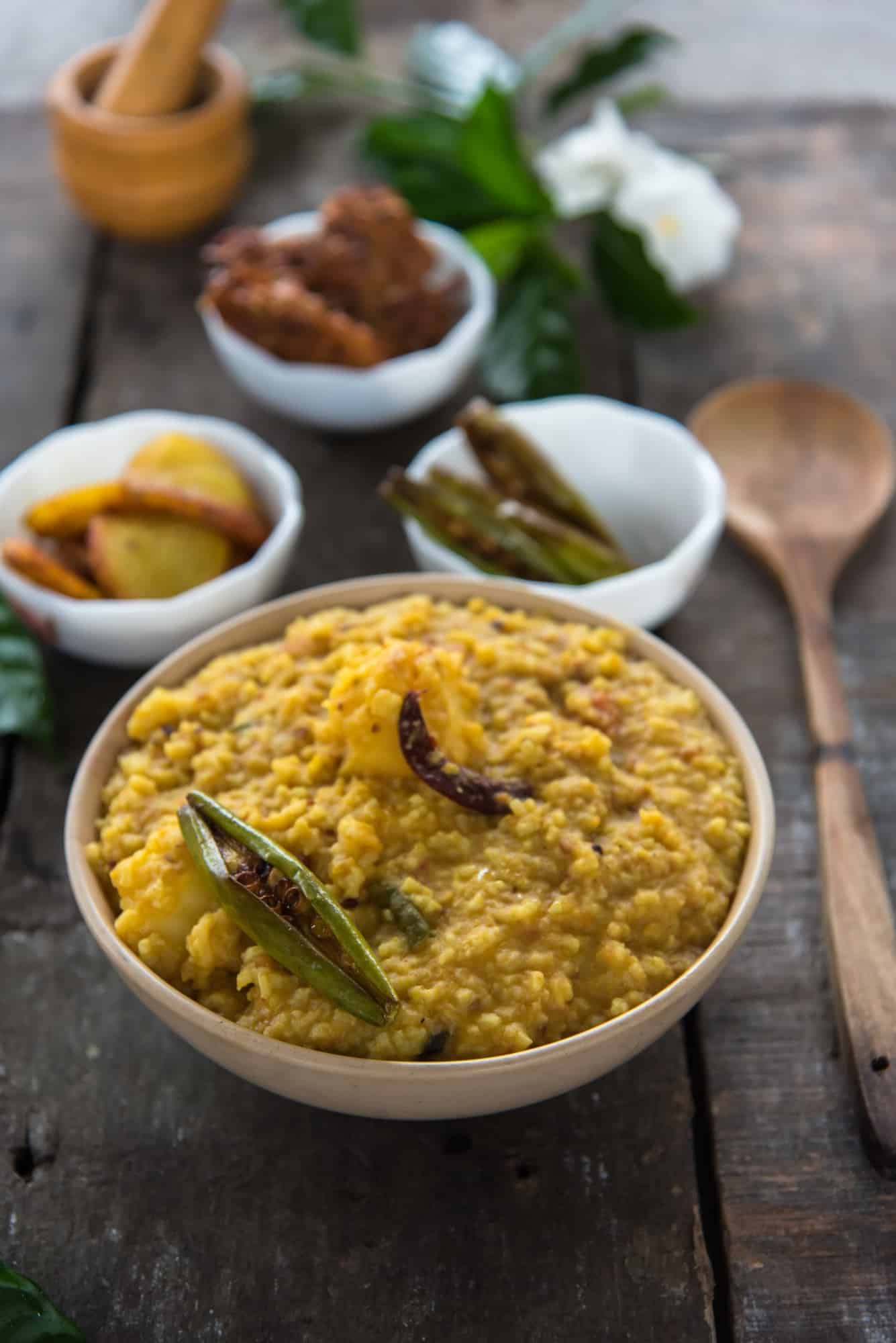
Here is the full multigrain dal khichdi recipe with the grain blend and one-pot method.
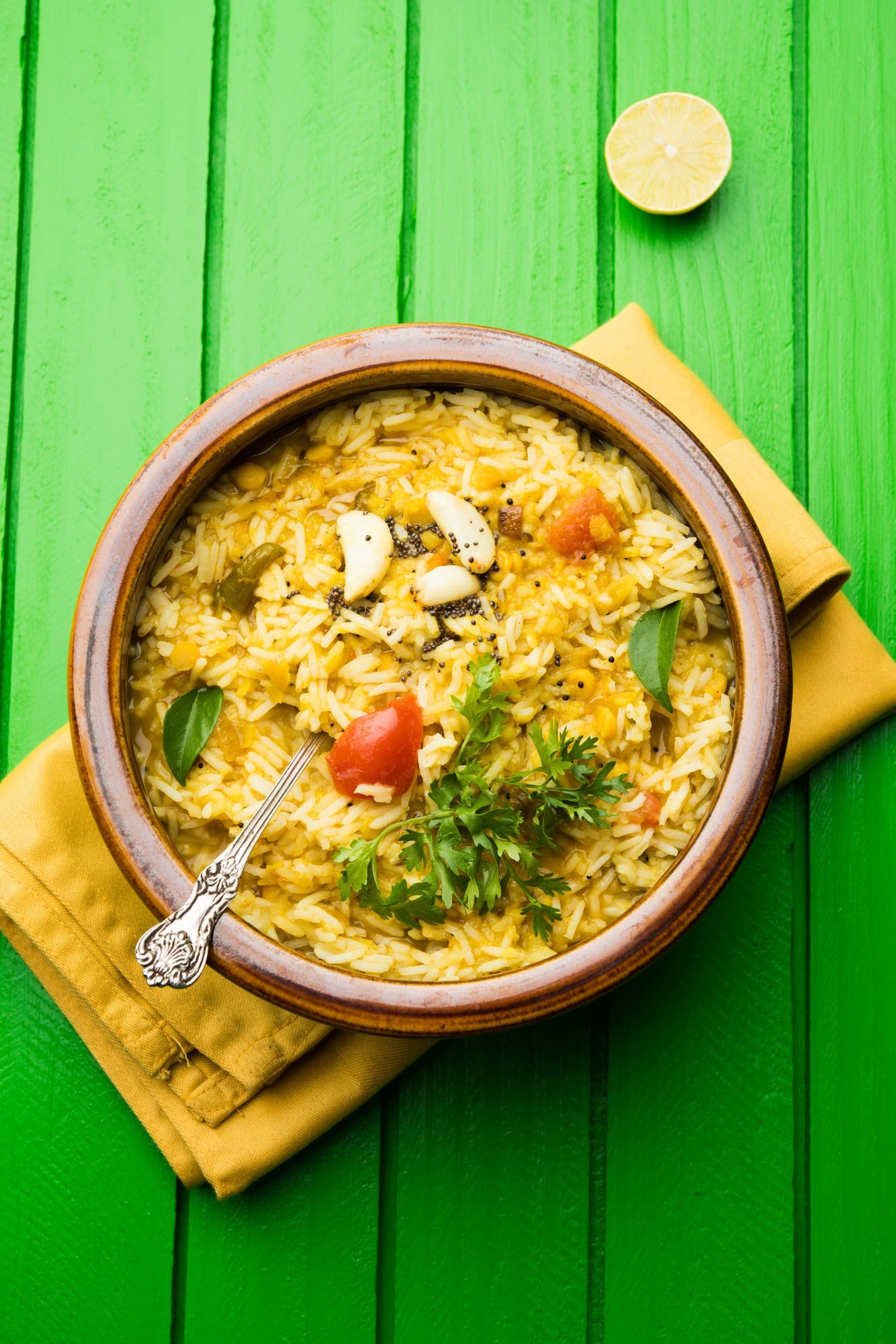
Multigrain Dal Khichdi
Ingredients
Equipment
Method
- Prep the Grains and Dal
- Rinse brown rice, millet, quinoa, barley, and dal thoroughly. Soak together in water for 30–60 minutes to enhance digestibility and reduce cooking time2.
- Drain before cooking.
- Sauté the Base
- Heat one tablespoon of ghee in a large pressure cooker or heavy-bottomed pot.
- Add cumin seeds and mustard seeds. Let them splutter.
- Add ginger, garlic, and green chili. Sauté for 1 minute.
- Add chopped onion and cook until translucent.
- Stir in tomato, carrot, potato, and green peas. Sauté for another 2–3 minutes.
- Add Spices and Grains
- Add turmeric and black pepper powder. Mix well.
- Add the soaked and drained grains and dal. Stir to combine.
- Cook the Khichdi
- Add 5–6 cups of water and salt to taste.
- Pressure cook for 3–4 whistles, or simmer covered for 40–45 minutes until all grains and dal are soft and porridge-like. Add more water if needed for the desired consistency.
- After cooking, stir in the remaining ghee (if using) for extra flavor and glycemic benefit.
- Finish and Serve
- Garnish with fresh coriander leaves.
- Serve hot, optionally with a bowl of plain yogurt or curd for additional protein and probiotics.
Nutrition
Notes
- If using a pressure cooker, allow for natural pressure release (about 10 minutes) after cooking for the best texture.
- For a thicker or thinner consistency, adjust water as needed after cooking.
Tried this recipe?
Let us know how it was!Cooking your way through Indian flavors? Two more meatless favorites worth bookmarking are this vegan Indian lentil stew (dal) and our roundup of diabetic-friendly Indian curries, both built on the same low-glycemic, high-fiber ideas.
Two More Lentil Dishes to Try
Moong Dal Soup: Light, golden, and gently spiced, moong dal soup is the most easily digestible bowl in the collection. Made with minimal oil, cumin, and fresh herbs, it is the dish to reach for when you want something soothing and simple. Its mild, low-glycemic profile makes it a great everyday lunch or a light supper.
Sprouted Lentil Salad: For a no-cook option, sprouted moong tossed with cucumber, tomato, and a squeeze of lemon makes a fresh, crunchy salad. Sprouting boosts the lentils’ vitamin content and enzyme activity, and the raw, fiber-rich result is a quick, blood-sugar-conscious side or light meal. Just rinse, drain, and dress.
Chef Tips for Perfect Indian Dal
Build a Real Tadka: The tempering is where dal gets its soul. Heat ghee or oil until shimmering, add whole spices like cumin and mustard seeds, and wait for them to pop and turn fragrant before pouring it over the cooked dal. Blooming the spices in hot fat releases aromatic compounds that simply stay locked up if you stir them into a cold pot.
Soak the Tougher Lentils: Red lentils (masoor) and moong cook quickly with no soak, but chana dal and toor dal are firmer and benefit from 30 minutes to a couple of hours in water. Soaking shortens the simmer and gives you a more even, creamy texture.
Salt at the End: Add salt once the lentils are tender, not at the start. Salting early can toughen the skins and slow down softening, especially with chana and toor dal.
Adjust the Consistency: Dal thickens as it sits. Loosen it with a splash of hot water just before serving to bring it back to a silky, spoonable texture, or simmer uncovered a few extra minutes if you prefer it thicker.
Finish Fresh: A squeeze of lemon, a handful of chopped cilantro, or a little grated ginger stirred in at the end lifts the whole pot and keeps the flavor bright rather than flat.
Storage and Serving Suggestions
Refrigerator Storage: Most dals keep in an airtight container in the fridge for up to 4 days, and the flavors deepen overnight. The sprouted lentil salad is best eaten within 2 days for the freshest crunch.
Freezer Storage: Cooked dal freezes well for up to 3 months. Cool it fully, portion into containers, and thaw overnight in the fridge. Reheat gently with a splash of water, since dal thickens as it freezes.
Meal Prep Strategy: A big weekend batch of dal turns into ready lunches all week, which makes it easy to skip the blood-sugar-spiking takeout. Alternating varieties, masoor one day, chana the next, keeps the routine interesting. For more ideas, see our roundup of make-ahead diabetic lunch ideas.
Complete the Plate: Serve dal over brown rice, quinoa, or a small whole-wheat roti, and keep portions balanced by filling half the plate with non-starchy vegetables. A side of stir-fried vegetables or a scoop of Buddha’s Delight rounds out a satisfying, plant-forward meal.
Frequently Asked Questions
What lentils are best for Indian dal?
It depends on the texture you want. Red lentils (masoor) cook quickly and break down into a creamy texture; moong is light and easy to digest, while split chickpeas (chana) and pigeon peas (toor) hold their shape for a heartier, nuttier bowl. All of them are high in fiber and plant protein, so any of these dals fits a diabetic-friendly plate.
Are Indian lentil dishes good for a diabetic diet?
Lentils are a low-glycemic, high-fiber food with no added sugar in these recipes, which is why dal is a popular choice for blood-sugar-conscious eating. Keeping portions balanced and pairing the dal with non-starchy vegetables helps round out the meal. Everyone responds to foods differently, so check with your healthcare provider about your own plan.
Can I make Indian dal in an Instant Pot or pressure cooker?
Yes, and it is one of the easiest ways to cook dal. A pressure cooker cuts the simmer time for firmer lentils like chana and toor dal down to a fraction, and you can still finish with a fresh tadka on the stovetop. Just be careful not to overfill, since lentils foam as they cook.
What is tadka, and why does it matter?
Tadka is the tempering of whole spices bloomed in hot ghee or oil, then poured over the finished dal. Heating spices like cumin and mustard seeds in fat releases their aroma in a way that plain simmering cannot, so that final sizzle is what gives dal its signature depth and fragrance.
You Might Also Like
A cozy, vegan one-pot dal that is naturally diabetic-friendly.
Low-carb, full-flavor curries beyond the lentil pot.
A budget-friendly, protein-rich Indian lunch.
Five low-sugar sweets to finish the meal.
From a quick masoor dal tadka to a slow, soulful Bengali toor dal, these Indian lentil recipes show how much flavor and nourishment a humble bag of dal can deliver. Cook a batch this weekend, keep a few portions in the fridge, and you will have warming, plant-forward, blood-sugar-conscious meals ready whenever you need them.
Medical Disclaimer: The nutritional information provided in this article is for informational purposes only. While we strive for accuracy, individual responses to foods vary. Always consult with your healthcare provider or registered dietitian about dietary changes.


