Published June 15, 2024 · Updated August 18, 2026
Chinese dishes for diabetics do not have to mean bland steamed chicken and a sad pile of broccoli. The Lunch Pro has gathered seven sugar-free Chinese lunch recipes that keep the bold, savory flavors of your favorite takeout while staying gentle on blood sugar, from a 3g net carb egg drop soup to a kung pao chicken with no added sugar at all. Every recipe links to a full, tested version with exact macros.
Short on time? Jump straight to Sweet and Sour Tofu, Kung Pao Chicken, Egg Drop Soup, or the Szechuan Noodle Salad.
Quick Stats: All 7 Recipes
Nutrition varies by recipe and reflects the low-carb versions. See each linked recipe card for exact macros.
Why These Recipes Work
No added sugar, real flavor: Each dish builds its taste from aromatics like garlic, ginger, and Szechuan peppercorns rather than the sugar-heavy sauces typical of restaurant Chinese food. Where sweetness matters, natural alternatives like monk fruit stand in, so the flavor profile stays familiar without the sugar load.
Carbs you can plan around: The low-carb versions of these recipes run from about 3g to 16g net carbs per serving, a fraction of a typical takeout entrée with rice. Predictable carb counts make these lunches easier to fit into a structured meal plan, the approach Diabetes Canada’s meal-planning guidance recommends, with non-starchy vegetables doing the heavy lifting on the plate.
Protein keeps lunch satisfying: Lean chicken breast, shrimp, beef, and tofu anchor these dishes with 6g to 28g of protein per serving, which can help maintain steady energy levels through the afternoon instead of the post-takeout slump.
Vegetables are the base, not a garnish: Bell peppers, snap peas, broccoli, cucumbers, and mushrooms make up the bulk of every dish, adding fibre, color, and nutrients while keeping calories between 85 and 380 per serving.
Built for weekday lunches: Every recipe is done in 45 minutes or less, and most hold up well in the fridge, so one Sunday session of cooking can cover several workday lunches.
Chinese Takeout vs. These Sugar-Free Recipes
The numbers below compare a typical restaurant Chinese entrée served with white rice against the homemade recipes in this roundup. Takeout figures are typical estimates and vary by restaurant.
| Nutrient | Typical Takeout | These Recipes | Difference |
|---|---|---|---|
| Calories | 900 to 1,300 | 85 to 380 | Up to 90% fewer |
| Net Carbs | 70 to 100g | 3 to 16g | Up to 95% lower |
| Added Sugar | 15 to 30g | 0g | None added |
| Sodium | 1,800 to 2,400mg | 439 to 890mg | Half or less |
The 7 Best Chinese Dishes for Diabetics
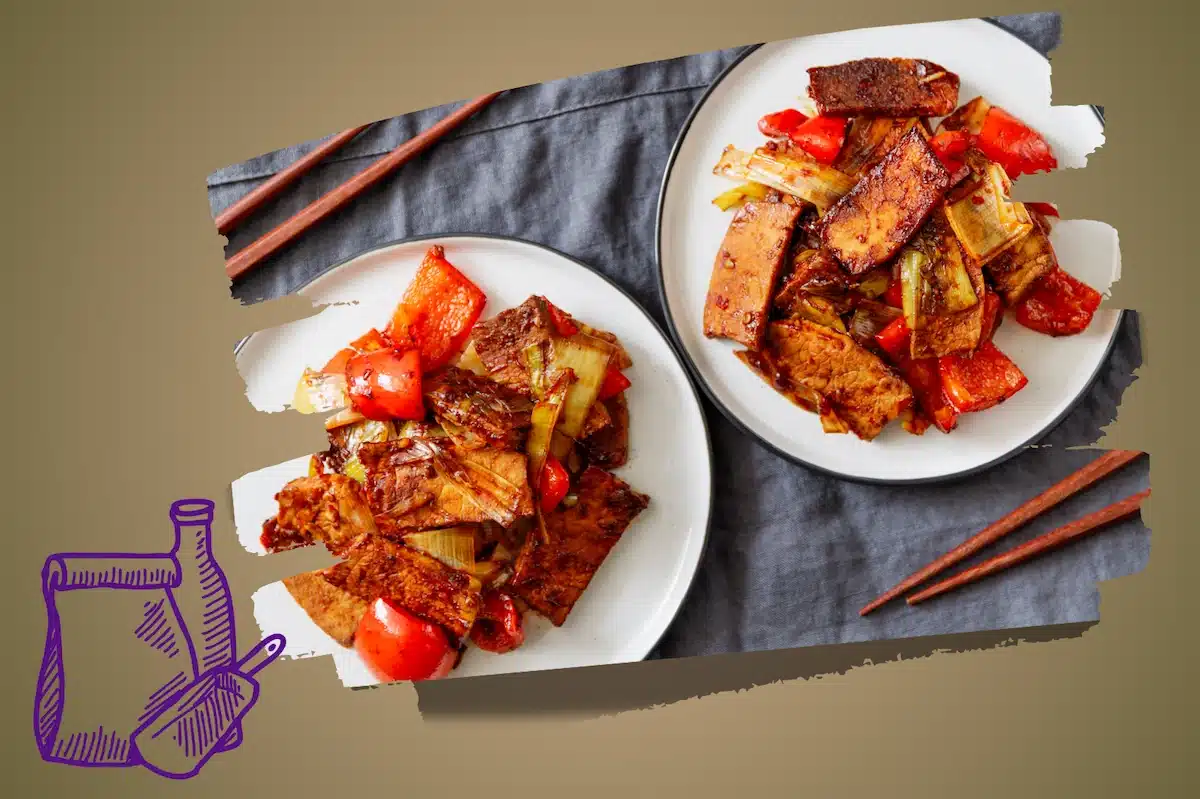
Sweet and Sour Tofu
Sweet and sour is usually the first dish off the menu for anyone watching sugar, which makes this version such a win. The tangy, vinegar-based sauce gets its sweetness from natural alternatives like monk fruit instead of the usual half cup of sugar, and even hoisin can be made sugar-free. Pressing the tofu before cooking matters more than any other step: removing that excess moisture lets the tofu brown properly and soak up far more sauce. Pair it with vibrant bell peppers, juicy pineapple, and aromatic ginger, and if you enjoy this style of dish, the Buddha’s Delight is a natural next cook.
Get the diabetic and regular versions in the full Sweet and Sour Tofu recipe.
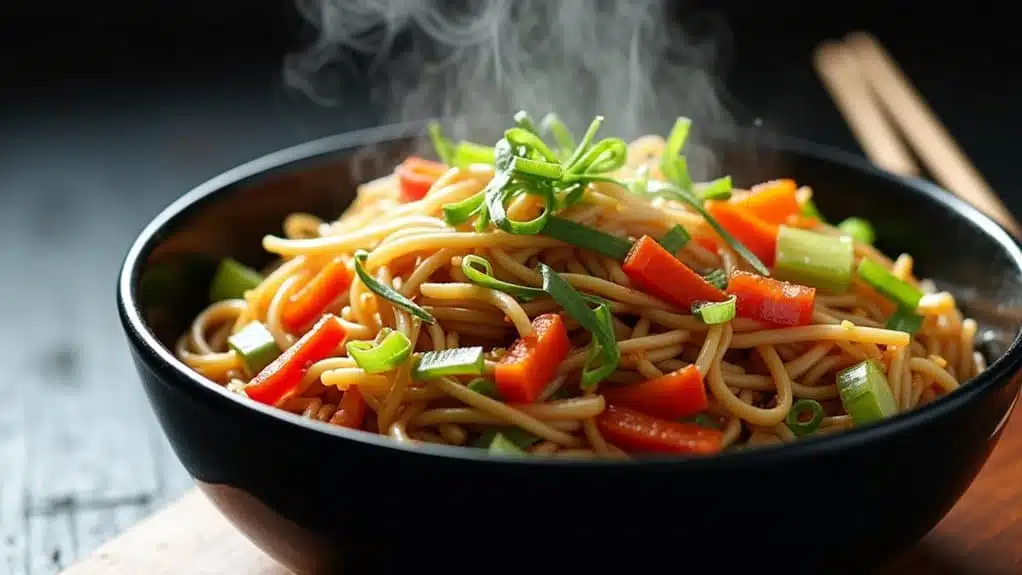
Vegetable Lo Mein
Traditional lo mein noodles carry most of the dish’s carbs, so the noodle choice is the whole game here. Swapping in zucchini or shirataki noodles drops the count dramatically (the diabetic version lands around 14g net carbs), while whole grain or buckwheat noodles offer a middle path with extra fibre. Our guide to low-carb Chinese lunches walks through all the noodle alternatives in detail. From there, load the wok with bell peppers, snap peas, carrots, and broccoli, and add umami-rich ingredients like mushrooms, tofu, or tempeh for a savory depth that does not rely on sweet sauce.
Get the diabetic and regular versions in the full Vegetable Lo Mein recipe.
Kung Pao Chicken
Kung Pao Chicken proves a sugar-free stir-fry can still balance sweet, savory, and spicy in one bite. Lean chicken breast keeps it high in protein at 28g per serving, fresh vegetables and peanuts add crunch and nutrients, and reduced-sodium soy sauce plus a quick stir-fry over high heat builds flavor through aromatics rather than added sugar. At roughly 7g net carbs and 285 calories per serving, it is one of the most satisfying mains in this whole collection.
Get the full Kung Pao Chicken recipe.
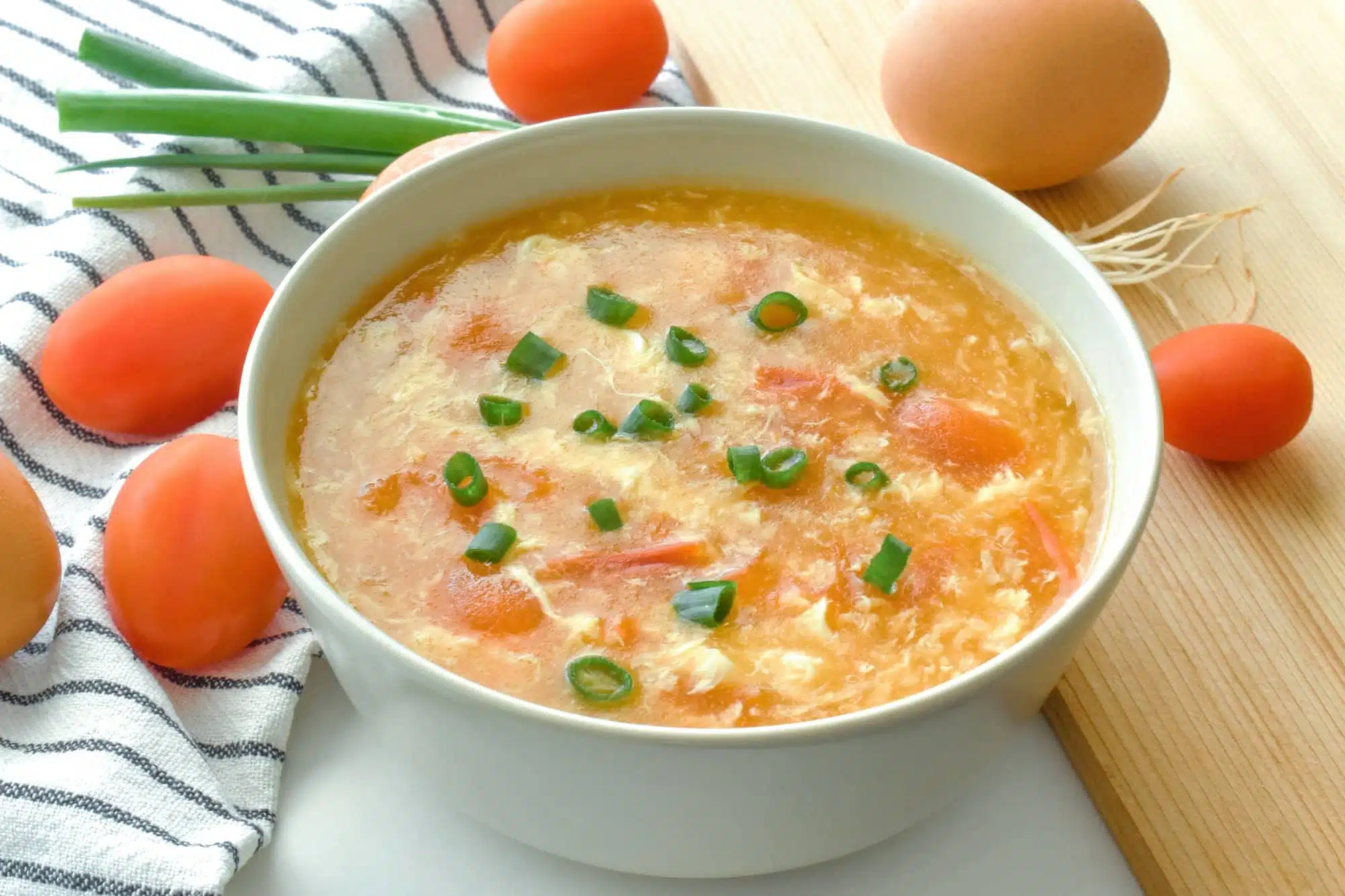
Egg Drop Soup
At about 3g net carbs and 85 calories per bowl, egg drop soup is the lowest-carb dish in this roundup and ready in 15 minutes flat. The technique behind those silky egg ribbons is simple once you know it: pour the beaten eggs in slowly while stirring the hot broth gently, and they set into delicate strands instead of clumps. Use low-sodium broth as the base, add fresh spinach, mushrooms, or bean sprouts for nutrients, and thicken with arrowroot starch instead of cornstarch for a cleaner finish.
Get the full Egg Drop Soup recipe.
Broccoli and Beef Stir-Fry
This classic balances tender strips of lean beef against vibrant broccoli florets in a glossy stir-fry sauce. To keep it sugar-free, build the sauce from garlic, ginger, and low-sodium broth with a splash of sesame oil and rice vinegar, and use a sugar substitute if you want a hint of sweetness where takeout versions pour in honey or sugar. Slicing the beef thinly against the grain keeps it tender through the quick, high-heat cook. It is one of the most reliable choices on any Chinese menu for carb-conscious eaters, and our guide to healthy Chinese food for diabetics ranks it among the best orders when you are eating out.
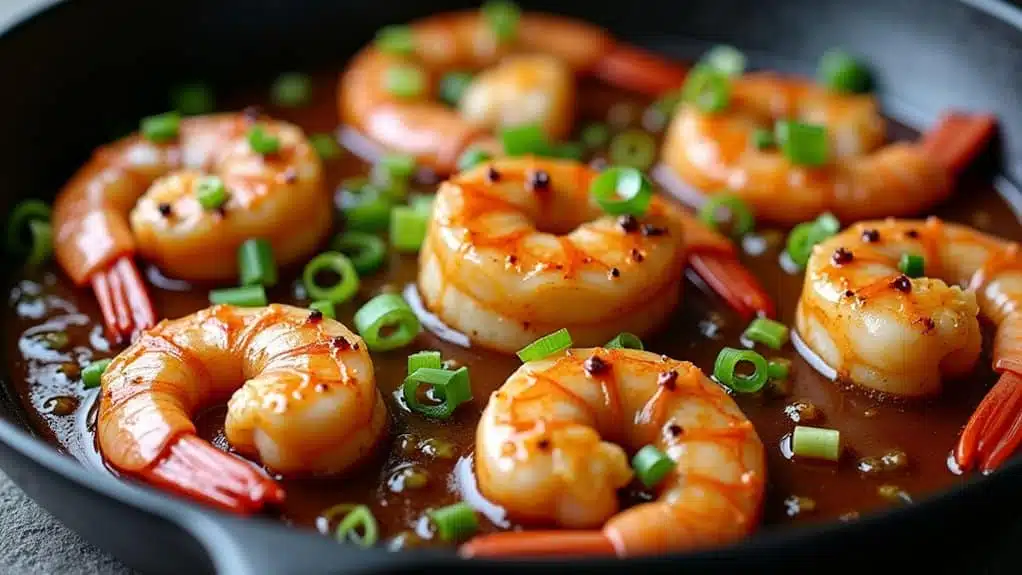
Garlic Ginger Shrimp
Fresh shrimp marinated in minced garlic, grated ginger, low-sodium soy sauce, and a touch of sesame oil need only a quick sear in a hot pan, which is why this is the fastest protein in the lineup at 25 minutes total. The payoff is 23g of protein and just 5g net carbs per serving. Watch the shrimp as they cook: the moment they curl into a loose C shape and turn opaque, they are done, and another minute past that turns them rubbery. Seafood fans should also bookmark the shrimp and asparagus stir-fry for variety.
Get the full Garlic Ginger Shrimp recipe.

Szechuan Noodle Salad
This spicy salad earns its place as the perfect desk lunch: it is served cold, travels well, and the dressing actually improves as it sits. Szechuan peppercorns bring their signature tingling heat, balanced by nutty sesame oil and tangy rice vinegar, over a base of crunchy bell peppers, crisp cucumbers, shredded carrots, and noodles. At 330 calories and 11g net carbs per serving, it works as a side or, with grilled chicken or tofu added, a complete and filling lunch.
Get the full Szechuan Noodle Salad recipe.
Want more lunches in this style? Our companion roundup of diabetic-friendly Chinese food covers seven more ideas, and the Indian curries for diabetics collection brings the same blood-sugar-friendly approach to a different spice cabinet.
Chef Tips for Sugar-Free Chinese Cooking
Press tofu before it hits the pan: Tofu is packed with water, and wet tofu steams instead of browning. Twenty minutes under a weighted plate squeezes that moisture out so the surface crisps and the sauce absorbs into the tofu rather than sliding off it.
Get the pan hot, then keep things moving: Stir-frying works by searing food fast at high heat, which builds flavor without sugar-laden sauce. Crowding the pan drops the temperature and turns a stir-fry into a braise, so cook in batches if your pan is small.
Thicken with arrowroot, and add it late: Arrowroot starch thickens at a lower temperature than cornstarch but breaks down with prolonged boiling. Stir it in as a slurry at the end of cooking, just before serving, for a glossy sauce that holds.
Build sweetness from the produce: Bell peppers, snap peas, carrots, and onions all caramelize slightly in a hot wok, adding natural sweetness that makes added sugar unnecessary. Cut vegetables uniformly so they finish cooking at the same time.
Pour eggs slowly for perfect ribbons: For egg drop soup, the broth should be at a gentle simmer, not a rolling boil. Drizzle the beaten egg in a thin stream while stirring slowly in one direction, and it sets into silky strands instead of scrambled clumps.
Taste your soy sauce strategy: Reduced-sodium soy sauce lets you use enough for depth without overshooting on salt. For gluten-free cooking, swap in tamari, since standard soy sauce and many hoisin sauces contain wheat.
Storage and Serving Suggestions
Refrigerator Storage: All seven dishes keep for 3 to 4 days in airtight containers. Store sauces separately from noodles or salad components where possible so textures stay crisp.
Freezer Storage: The stir-fries and egg drop soup freeze well for 2 to 3 months; thaw overnight in the fridge before reheating. Skip freezing the Szechuan Noodle Salad and anything with cucumber, since the vegetables turn watery once thawed.
Reheating: Stir-fries revive best in a hot pan for 2 to 3 minutes rather than the microwave, which softens the vegetables. Bring soup back to a gentle simmer on the stovetop.
Meal Prep Strategy: Chop vegetables and mix sauces on Sunday, and each lunch comes together in 10 to 15 minutes during the week. The Szechuan Noodle Salad is the best fully-make-ahead option since it is served cold.
Complete the Meal: Pair any stir-fry with a starter bowl of egg drop soup for a two-course lunch that stays under 500 calories, or browse our healthy Chinese recipes collection for more pairings.
Frequently Asked Questions
What Chinese food can diabetics eat?
Steamed and stir-fried dishes built on lean protein and non-starchy vegetables are generally the most blood-sugar-friendly choices. Egg drop soup, kung pao chicken made without added sugar, garlic ginger shrimp, and beef with broccoli all keep net carbs modest. The biggest wins come from controlling the sauce and swapping white rice or wheat noodles for vegetable alternatives like zucchini or shirataki noodles.
What is the best Chinese dish for diabetics?
Egg drop soup is hard to beat, with roughly 3g net carbs and 85 calories per bowl. Among the mains, kung pao chicken and garlic ginger shrimp offer the best balance, each delivering over 20g of protein with under 8g net carbs per serving when made without added sugar. The best choice for you depends on your own carb targets, so check each recipe card’s nutrition before deciding.
Is Chinese food good for people with diabetes?
It can be. The challenge with restaurant Chinese food is the combination of sugary sauces, battered and deep-fried proteins, and large portions of white rice. Cooked at home with sugar-free sauces, lean proteins, and plenty of non-starchy vegetables, Chinese cuisine is naturally well suited to a blood-sugar-friendly eating pattern.
What is the best Chinese takeout order for diabetics?
Look for steamed dishes or simple stir-fries, ask for the sauce on the side, and skip the rice or request a small portion of brown rice. Steamed chicken or shrimp with mixed vegetables, beef with broccoli, and moo goo gai pan are reliable picks at most restaurants. Avoid anything described as crispy, sweet and sour, or General Tso style, since those are battered and sauced with sugar.
You Might Also Like
Four low-carb Chinese recipes averaging 4 to 9g net carbs per serving.
The authentic cold Sichuan dish: shredded chicken in a nutty, spicy sesame sauce.
A fast, low-carb stir-fry of cabbage, mushrooms, and bamboo shoots.
A make-ahead chilled noodle dish that gets better overnight in the fridge.
Final Thoughts
Managing blood sugar does not mean giving up the flavors you love. These seven Chinese dishes for diabetics prove that with smart sauce swaps, lean proteins, and vegetables front and centre, a sugar-free Chinese lunch can taste every bit as good as takeout. Pick one, prep it on Sunday, and let The Lunch Pro help you explore a world of mouthwatering Chinese flavors without the sugar crash.
Medical Disclaimer: The nutritional information provided in this article is for informational purposes only. While we strive for accuracy, individual responses to foods vary. Always consult with your healthcare provider or registered dietitian about dietary changes.


