Published May 14, 2026 · Updated July 2, 2026
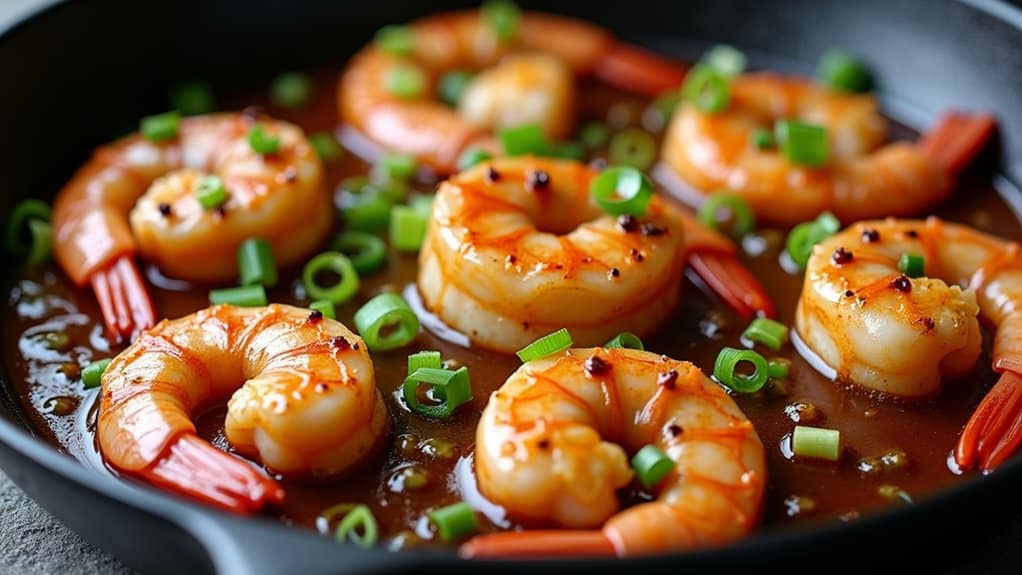
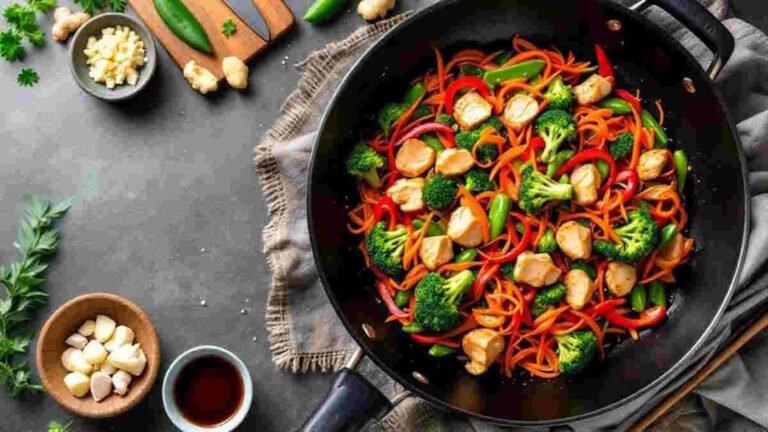
Tender shrimp seared with fresh ginger and garlic, finished with a sweet-savory soy-sesame glaze. This 25-minute stir-fry hits every note of a great weeknight dinner without the takeout price tag. At just 5g net carbs and 23g protein per serving, it’s the kind of meal that earns a permanent spot in your weekly rotation. Pull it together faster than delivery arrives.
Jump to RecipeGarlic Shrimp Recipe Quick Stats
Why This Garlic Shrimp Recipe Works
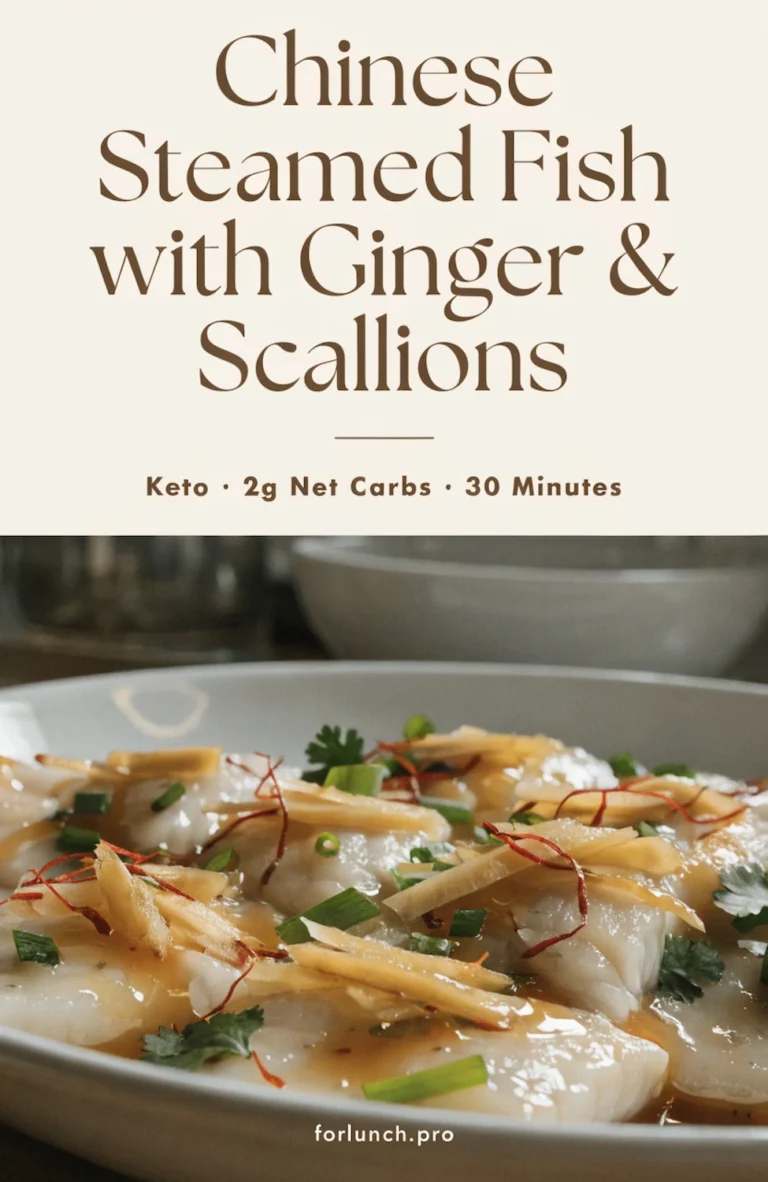
High lean protein in a low-calorie package: Each serving delivers 23g of protein from shrimp, one of the leanest high-protein seafood choices available, at only 245 calories. That combination makes it substantially easier to stay full between meals without banking a large calorie load, which is why shrimp stir-fries have become a go-to for anyone managing their intake without sacrificing satisfaction. For another lean protein option in the same flavor family, the Steamed Fish with Ginger follows the same ginger-forward approach with even fewer calories.
At 5g net carbs, it fits comfortably in a low-carb framework: This garlic shrimp recipe lands right at 5g net carbs per serving, firmly low-carb, and keto-compatible for most practitioners (strict keto targets under 5g; most keto eaters treat 5g as well within range). The single gram of brown sugar in the glaze contributes the sweet note that rounds out the sauce, and it’s the only significant carb source in the dish. Swap it for monk fruit sweetener and the recipe drops even lower, which also makes it a better fit for anyone watching added sugar intake. Browse more options in the Keto Chinese Meals pillar guide for the full landscape of low-carb Asian-inspired cooking.
Aromatic ingredients with a strong nutritional profile: Garlic and fresh ginger do more than flavor the dish. Both are rich in bioactive compounds traditionally associated with antioxidant and anti-inflammatory activity in culinary research. Ginger, in particular, has been used across Asian cuisines for centuries as both a flavoring and a wellness ingredient, appearing in everything from medicinal teas to elaborate court banquets. That tradition is well-founded: the combination of allicin from garlic and gingerols from fresh ginger creates a layered aromatic base that’s genuinely hard to replicate with dried substitutes.
Rooted in coastal Asian culinary tradition: The pairing of ginger, garlic, and quick-seared seafood originates in the coastal cuisines of southern China and Southeast Asia, where fast, high-heat cooking over an open flame was the standard approach to fresh-caught seafood. The dish traveled through the region via 15th and 16th century maritime trade routes, eventually finding its way into royal courts and, much later, into the North American Chinese-restaurant canon. What arrives in 25 minutes on a Tuesday night has a genuinely long history behind it. For another quick weeknight Asian-inspired dish, the Teriyaki Beef Bowls follows a similarly efficient one-pot approach.
Fast enough to beat delivery: Total cook time is 10 minutes once the pan is hot. The 15-minute prep is almost entirely shrimp peeling and aromatics chopping, both quick, and both fully worth doing fresh. The sauce mixes in under a minute. By the time takeout would arrive, this is already on the table. If you want to make the whole meal effortlessly low-carb, pair it with cauliflower rice or zucchini noodles instead of steamed white rice. The glaze is flavorful enough to carry either base completely.
| Nutrient (per serving) | Typical Takeout | This Recipe | Difference |
|---|---|---|---|
| Calories | ~480 | 245 | 235 fewer (49% less) |
| Net Carbs | ~25g | 5g | 20g fewer (80% less) |
| Protein | ~20g | 23g | 3g more |
| Added Sugar | ~12g | ~1g | 11g fewer (92% less) |
| Sodium | ~1,400mg | ~750mg* | 650mg fewer (46% less) |
*Sodium estimated from 3 tbsp soy sauce divided across 4 servings. Still elevated. If you’re watching sodium, use low-sodium soy sauce or coconut aminos to bring this down further.
Here’s the full Garlic Shrimp Recipe. Pin it, print it, or jump straight in.
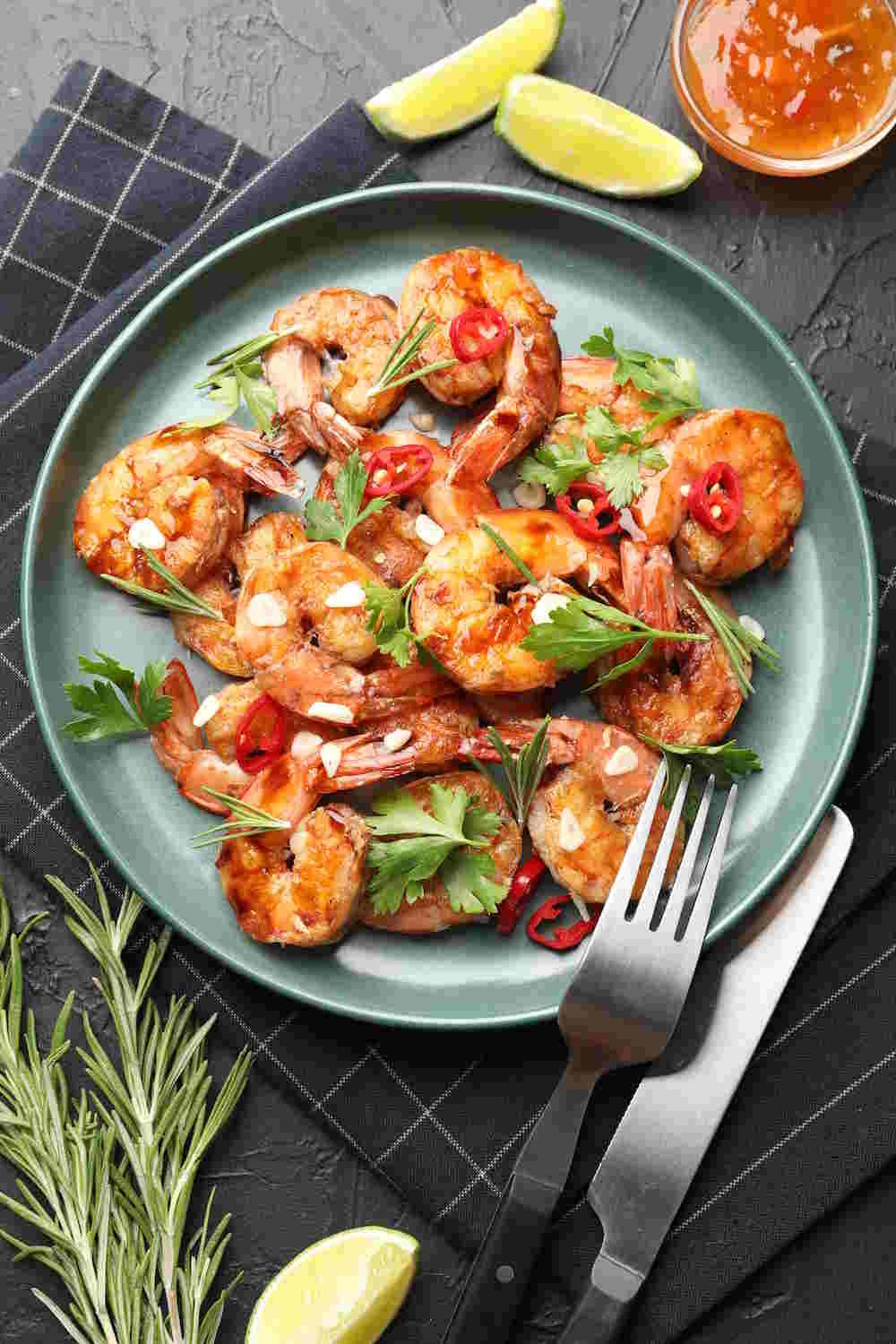

Garlic Ginger Shrimp | Low-Carb & High-Protein
Ingredients
Equipment
Method
- Pat the shrimp completely dry with paper towels. Press firmly on both sides, removing surface moisture is the most important step for achieving a good sear rather than steaming.
- In a small bowl, whisk together the soy sauce, sesame oil, rice vinegar, brown sugar (or monk fruit), and cornstarch slurry. Set the sauce aside.
- Heat 1 tablespoon of oil in a large skillet or wok over medium-high heat until shimmering and just beginning to smoke. The pan needs to be very hot before the shrimp go in.
- Add the shrimp in a single layer, do not crowd. Cook undisturbed for 1½ to 2 minutes until the underside is pink and lightly golden. Flip and cook for another 1 minute. Work in two batches if needed. Transfer cooked shrimp to a plate and set aside.
- Reduce heat to medium and add the remaining 1 tablespoon of oil to the same pan. Add the minced garlic and grated ginger. Toss constantly for 30 seconds until fragrant, watch carefully as both burn quickly at this heat.
- Pour the sauce into the pan and stir to combine with the aromatics. Let it simmer for 30 to 45 seconds, stirring, until the sauce thickens slightly and coats the back of a spoon.
- Return the shrimp to the pan and toss to coat evenly in the sauce. Cook for 30 seconds just to reheat, the shrimp are already cooked and don’t need more time on heat.
- Transfer to a serving plate. Garnish with sliced green onions, sesame seeds, and red pepper flakes if using. Serve immediately over cauliflower rice, zucchini noodles, or steamed broccoli.
Nutrition
Notes
Tried this recipe?
Let us know how it was!You Might Also Like

Chef Tips for Perfect Garlic Ginger Shrimp
Pat shrimp completely dry: Moisture is the enemy of a good sear. Press each shrimp with paper towel before it hits the pan. Even a thin layer of surface water causes steaming rather than searing, and you lose the caramelized texture that makes this dish.
Get the pan screaming hot: Medium-high heat with shimmering oil is the minimum. A hot pan ensures the shrimp sear on contact rather than releasing liquid and stewing. Cast iron or a heavy stainless skillet holds temperature better than non-stick when the pan gets crowded.
Cook in a single layer: Overcrowding drops the pan temperature immediately, turning shrimp rubbery and pale. Work in two batches if your shrimp don’t fit in one layer with space around them. It adds two minutes but makes a genuine difference.
30 seconds is enough for the aromatics: Garlic and ginger burn fast at high heat. Add them just before the shrimp go in, not earlier, and toss constantly. Burnt garlic is bitter and can’t be corrected.
Two minutes per side, maximum: Shrimp overcook in seconds. Pull them off heat as soon as they’re pink and opaque all the way through. Carry-over heat will finish any shrimp that look borderline. They don’t need more pan time.
Make it gluten-free: Swap regular soy sauce for tamari or coconut aminos for the same umami depth, with no wheat. This also brings sodium down slightly. Coconut aminos are a touch sweeter, so reduce the brown sugar (or monk fruit) by half if using them.
Make it diabetic-friendly: Replace the brown sugar with monk fruit sweetener or allulose to eliminate the added sugar entirely. Both dissolve cleanly in the sauce and don’t leave an aftertaste at this small quantity. Combined with the tamari swap, this version is also suitable for anyone monitoring both sugar and gluten.
Storage and Serving Suggestions for our Garlic Shrimp Recipe
Refrigerator Storage: Cooked shrimp keeps for up to 2 days in an airtight container in the refrigerator. Seafood doesn’t have the shelf life of chicken or beef, so plan to eat leftovers the next day. The sauce may thicken slightly on standing; add a splash of water when reheating.
Freezer Storage: Not recommended. Cooked shrimp becomes rubbery and watery when frozen and thawed, and the texture suffers significantly. If you want to prep ahead for the freezer, freeze raw shrimp instead and cook fresh when needed.
Meal Prep Strategy: The aromatics (garlic and ginger) can be minced and stored in an airtight container in the refrigerator for up to 3 days. The sauce can be mixed ahead and refrigerated in a jar for up to 5 days. On cook night, all that remains is searing the shrimp, which takes 4 minutes. Always cook the shrimp fresh for best texture.
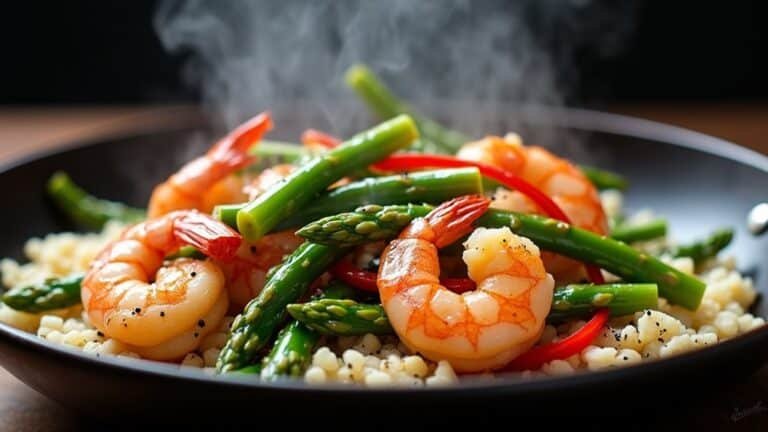
Complete the Meal: Serve over cauliflower rice, zucchini noodles, or steamed broccoli to keep the meal firmly low-carb. For a vegetable-heavy variation in the same low-carb lane, the Shrimp and Asparagus Stir-Fry is an excellent follow-up, same 5g net carbs, different vegetable base. If you want a noodle pairing that stays lighter than a full takeout order, the Vegetable Lo Mein works well alongside a smaller portion of the shrimp. For another ginger-forward seafood dish that uses a completely different cooking method, Steamed Fish with Ginger and Scallions is a natural companion recipe.
Garlic Shrimp Recipe FAQs
Is garlic ginger shrimp keto?
At 5g net carbs per serving, garlic ginger shrimp is right at the strict keto threshold. Most keto practitioners consider anything at or below 5g net carbs per serving keto-compatible, so most people following a ketogenic diet will include it without hesitation. That said, if you follow a strict keto interpretation (under 5g), swapping brown sugar for monk fruit sweetener or allulose drops the net carbs further and puts the recipe firmly in keto territory. For a broader look at low-carb Chinese-inspired cooking, the Keto Chinese Meals guide covers the full category.
Can I use frozen shrimp for garlic ginger shrimp?
Yes, frozen shrimp works well here as long as it is fully thawed and thoroughly dried before cooking. Thaw overnight in the refrigerator, or place in a colander under cold running water for 5 to 10 minutes. The critical step is patting every shrimp completely dry with a paper towel afterward. Residual moisture is the main reason shrimp steams instead of sears, and this matters even more with frozen shrimp, which releases more water than fresh.
How do you keep shrimp from getting rubbery?
Two things cause rubbery shrimp: excess moisture and overcooking. Dry the shrimp completely before they hit the pan, cook in a single layer over high heat, and pull them off the moment they turn pink and opaque, typically 1 to 2 minutes per side depending on size. Carry-over heat will finish them. Overcrowding the pan drops the temperature and causes steaming rather than searing, which is the fastest route to a tough texture, so work in batches if needed.
What can I serve with garlic ginger shrimp?
Cauliflower rice is the most popular low-carb pairing. It absorbs the soy-sesame glaze cleanly and keeps the whole meal under 10g net carbs. Zucchini noodles and steamed broccoli are strong alternatives. For a higher-carb option on nights where macros are not the priority, jasmine rice or thin rice noodles both complement the flavor well. If you want a vegetable-heavy companion dish, the Shrimp and Asparagus Stir-Fry makes an easy double-protein spread for meal prep.
Garlic ginger shrimp is the rare weeknight dinner that checks every box at once: 25 minutes start to finish, 23g of protein per serving, 5g net carbs, and a glaze that tastes like you spent real effort on it. Whether you’re working within a low-carb framework or just want a better version of a takeout favorite, this recipe belongs in your regular rotation. Swap in monk fruit for the sugar and tamari for the soy sauce, and it fits even stricter dietary needs without changing a single thing about the cooking process.
Medical Disclaimer: The nutritional information provided in this article is for informational purposes only. While we strive for accuracy, individual responses to foods vary. Always consult with your healthcare provider or registered dietitian about dietary changes.


