Published May 28, 2026 · Updated August 18, 2026
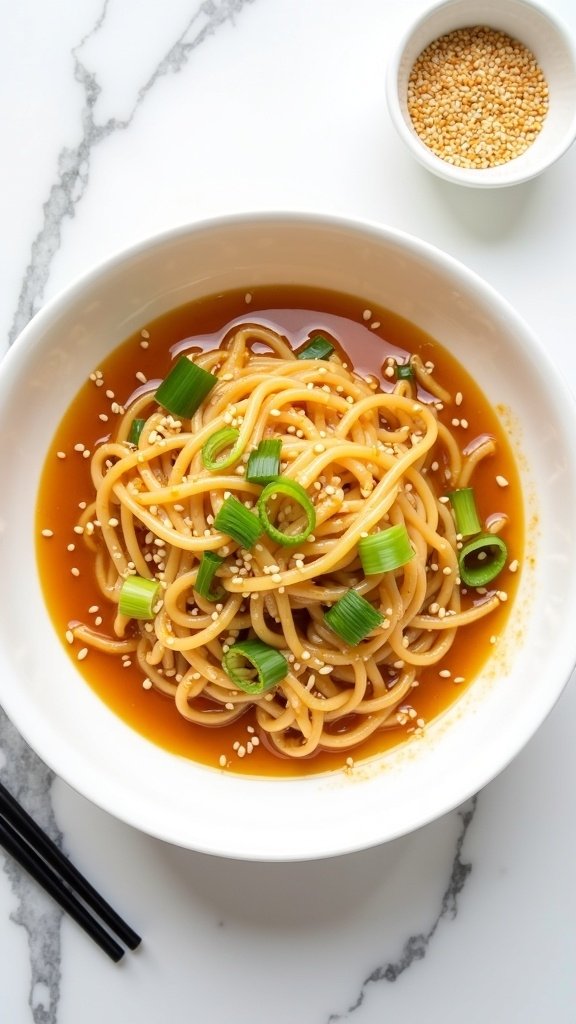
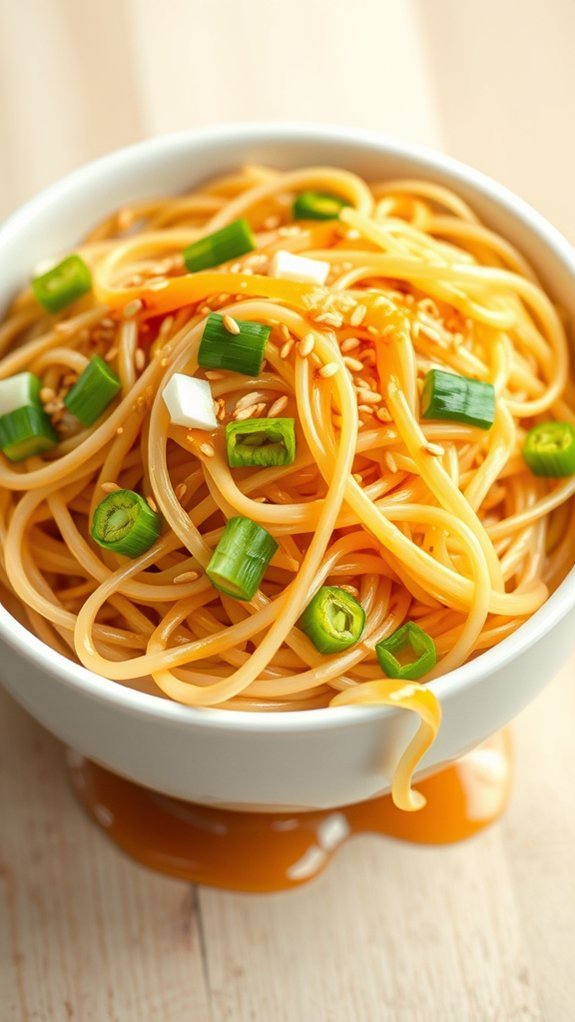
Cold sesame noodles are my go-to when I want something satisfying without touching the stove. You boil vermicelli for three minutes, whisk together a warm ginger-sesame sauce, toss everything, then let the fridge do the rest. The nutty, silky flavors deepen beautifully overnight, making this the meal prep dish your future self will genuinely thank you for.
Quick Stats
Why This Cold Sesame Noodles Recipe Works
Temperature contrast is the secret: Pouring warm sauce over cold noodles lets the flavors penetrate without turning the noodles mushy. The heat activates the ginger and sesame oil aromas, while the cold base absorbs the sauce deeply rather than just coating the surface.
Sesame oil delivers fat-soluble flavor: Sesame oil carries fat-soluble aromatic compounds that coat every strand. Combining it with a small amount of butter creates a silkier emulsion that clings to the noodles more evenly than oil alone.
Ginger adds more than heat: Sauteing fresh ginger for one minute in vegetable oil before building the sauce releases gingerols and shogaols, the compounds that give this dish its characteristic warm, slightly sharp note. These are the same compounds associated with supporting healthy digestion.
Time in the fridge is non-negotiable: Two hours of chilling allows the soy-sesame-vinegar sauce to be fully absorbed by the vermicelli. Serving too early gives you noodles with sauce on them; serving after resting gives you noodles that taste like the sauce all the way through.
Vermicelli cooks in minutes: At just three minutes of boil time, vermicelli is the fastest noodle in the category. Its thin profile and high surface-area-to-volume ratio means it drinks up sauce faster than thicker noodles, making it the ideal choice for a cold preparation.
Restaurant Sesame Noodles vs. Homemade
| Nutrient (per serving) | Restaurant | This Recipe | Difference |
|---|---|---|---|
| Calories | ~520 | ~386 | -134 (26%) |
| Fat | 28g | 21g | -7g (25%) |
| Sodium | ~900mg | ~520mg | -380mg (42%) |
| Sugar | ~8g | ~2g | -6g (75%) |
| Protein | 6g | 7g | +1g |
Here is the Cold Sesame Noodles recipe that makes all the difference:

Cold Sesame Noodles | Ready in 15 Minutes
Ingredients
Equipment
Method
- Bring a large pot of salted water to a rolling boil. Cook the vermicelli noodles for less than 3 minutes until tender. Immediately drain and rinse with cold water to stop the cooking process completely. Ensure the noodles are stone cold.
- In a small saucepan, heat the vegetable oil over medium heat. Add the minced ginger and sauté for exactly 1 minute until fragrant.
- Reduce the heat to low and add sesame oil, butter, soy sauce, rice vinegar, sugar, and chili oil to the pan. Bring the mixture to a gentle simmer for about 30 seconds, then remove from heat.
- Whisk in the sesame oil and butter until smooth and glossy. Pour the warm sauce over the cold noodles in a non-reactive bowl. Add the sliced green onions and stir until every noodle is coated.
- Cover the bowl and refrigerate for a full 2 hours to let the flavors meld and the dish chill completely.
- When ready to serve, divide the noodles among bowls and sprinkle generously with toasted sesame seeds.
Nutrition
Notes
Tried this recipe?
Let us know how it was!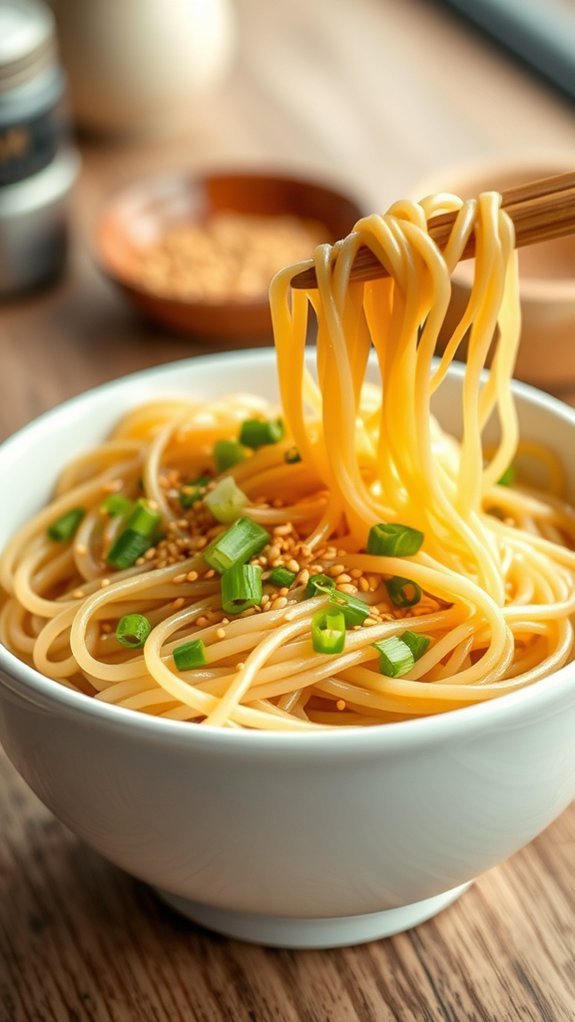
Chef Tips for Perfect Cold Sesame Noodles
Ice bath, not just cold tap water: After draining, rinse the vermicelli under cold water, then let it sit in a bowl of ice water for 60 seconds. This stops carryover cooking completely and gets the noodles genuinely cold before the sauce hits them, which is what creates the contrast that makes the dish work.
Toast your sesame seeds every time: Pre-packaged toasted sesame seeds lose their fragrance quickly once the bag is opened. A dry pan over medium heat for 90 seconds before plating takes them from flat to nutty. You will smell when they are ready.
Toss with a drop of sesame oil first: Before adding the main sauce, toss the drained noodles with about half a teaspoon of sesame oil. This prevents clumping and ensures every strand is coated when the sauce arrives rather than some strands sticking in a lump at the bottom of the bowl.
Gluten-free swap: Standard soy sauce contains wheat. Use certified tamari as a one-to-one replacement to make this dish gluten-free without any detectable flavor difference.
Do not skip the two-hour chill: Room-temperature sesame noodles are a different (lesser) dish. The cold setting firms up the noodles slightly, the sauce thickens around them, and the ginger aroma deepens. Set a timer and walk away.
Add protein right before serving: Cold sesame noodles pair beautifully with grilled chicken, chilled cooked shrimp, or crispy tofu. Add your protein at serving time rather than mixing it in during the chill so it does not affect the sauce consistency or noodle texture.
Storage and Serving Suggestions
Refrigerator Storage: Store in an airtight container for up to 4 days. The noodles continue to absorb the sauce over time, so the flavor actually improves on day two. Give them a quick toss before serving to redistribute the sauce from the bottom of the container.
Freezer Storage: Not recommended for this recipe. The noodles become mushy after thawing and the sesame sauce separates. Make a fresh batch instead, which takes only 15 active minutes.
Meal Prep Strategy: This is a genuinely excellent meal prep recipe. Make a double batch on Sunday and you have lunch ready for the first half of the work week with no reheating needed. Portion into individual containers before chilling for grab-and-go convenience.
Complete the Meal: Cold sesame noodles work beautifully alongside other quick Asian-inspired dishes. Try them with a side of garlicky bok choy for a fully vegetarian spread, or serve before a light bowl of vegetable lo mein when you want more variety. For a broader spread of healthy Chinese recipes, that collection covers everything from soups to stir-fries. If you want to keep things lower-carb, swap the vermicelli for shirataki noodles and explore the full keto Chinese meals roundup for more ideas.
Cold Sesame Noodles FAQs
Can I make cold sesame noodles ahead of time?
Yes, and they are better for it. The noodles need at least two hours in the fridge to fully absorb the sauce, but you can prepare them up to four days in advance. The flavor deepens overnight as the sesame, ginger, and soy continue to meld. Store in an airtight container and toss before serving.
What noodles work best for cold sesame noodles?
Vermicelli is the classic choice because it cooks in three minutes and absorbs sauce quickly due to its thin profile. Thin spaghetti, angel hair, or Chinese wheat noodles all work well as substitutes. Avoid thick pasta shapes like penne or rigatoni, as they do not hold the sauce as well, and their texture does not suit a cold preparation.
Are cold sesame noodles served hot or cold?
Cold, always. The dish is designed to be served chilled after at least two hours in the refrigerator. Serving warm food defeats the purpose of the temperature-contrast technique, which helps the sauce absorb properly. If you are short on time, a 30-minute stint in the freezer can speed up the chill, though two hours in the fridge is preferred.
How do I make cold sesame noodles gluten-free?
Replace the soy sauce with an equal amount of certified tamari, which is naturally gluten-free and delivers the same savory depth. Verify that your rice vinegar and chilli oil are also gluten-free, as some brands contain trace wheat. With those swaps, the entire recipe qualifies as gluten-free without any detectable change in flavor.
You Might Also Like
Better-than-takeout lo mein with fresh vegetables and savory sauce, ready in 35 minutes.
Keto and vegan bok choy stir-fry with ginger-garlic sauce, ready in 15 minutes. Perfect pairing.
Diabetic-friendly Chinese lunches covering soups, stir-fries, and noodle dishes with controlled carbs.
Low-carb and diabetic-friendly Chinese recipes averaging just 4-9g net carbs per serving.
Cold sesame noodles are not just a hot-weather convenience dish. They are a genuinely better version of the original, because patience and the refrigerator do the cooking that heat normally would. Make a batch on Sunday, and you will spend four days looking forward to lunch.
Medical Disclaimer: The nutritional information provided in this article is for informational purposes only. While we strive for accuracy, individual responses to foods vary. Always consult with your healthcare provider or registered dietitian about dietary changes.


