Published March 18, 2026 · Updated June 27, 2026
Low carb Chinese food is far easier to pull off than the takeout menu makes it look. The trick is knowing which dishes stay naturally low in carbs, which swaps kill the sugar and starch, and exactly what to ask for when you order. This guide covers all three, with everyday Chinese dishes that land around 4 to 9 grams of net carbs per serving and still taste like the real thing.
Short on time? Jump straight to what to order, the best keto swaps, or the dishes worth cooking.
Quick Stats (Typical Keto Chinese Dish)
Why This Guide Works for Keto
Ultra-Low Net Carbs: The dishes here sit well under 10g net carbs per serving because they skip the cornstarch slurries, sugary sauces, and white rice that turn traditional Chinese takeout into a carb bomb.
Protein-Forward Cooking: Lean chicken, wild-caught shrimp, and plant-based tofu deliver 18 to 26g of protein per serving. That is the kind of satiety that keeps you out of the office snack drawer all afternoon.
Healthy Fats From Real Ingredients: Sesame oil, fresh ginger, and garlic add fat-soluble flavor without relying on deep-frying, so you hit your keto fat targets with genuine Chinese flavor instead of breading.
Designed to Be Blood-Sugar-Friendly: Non-starchy vegetables like bok choy, snow peas, broccoli, and cabbage provide fiber and volume, which may help maintain steadier energy than rice-and-sauce-heavy takeout. If you count carbs, Diabetes Canada has a clear primer on carbohydrate counting.
No Hidden Sugars: Traditional hoisin, sweet-and-sour, and orange sauces can pack 10 to 15g of sugar per tablespoon. These dishes lean on tamari, rice vinegar, ginger, and chili flakes instead, so you get the depth without the sugar crash.
Chinese Takeout vs. Keto Homemade
| Nutrient | Typical Takeout | Keto Homemade | Difference |
|---|---|---|---|
| Net Carbs | 35 to 55g | 4 to 9g | -80% or more |
| Added Sugar | 12 to 20g | 0g | -100% |
| Protein | 14g | 22g | +57% |
| Sodium | 1,200mg+ | 450 to 600mg | -50% or more |
| Calories | 450 to 700 | 180 to 280 | -50% or more |
What Low-Carb Chinese Food to Order (and What to Skip)
You do not have to cook to eat low carb Chinese food. At a restaurant or takeout counter, the move is to choose steamed or stir-fried dishes built on lean protein and non-starchy vegetables, then control the sauce. Steamed dumplings, chicken and broccoli stir-fry, egg drop soup, shrimp with snow peas or asparagus, moo goo gai pan, and steamed fish with ginger and scallions are all reliably low in carbs.
What to skip is just as important. Anything battered, breaded, or deep-fried adds a starchy coating, and sweet sauces are where the sugar hides, so orange chicken, General Tso’s, sweet-and-sour pork, and honey-glazed dishes are the usual carb traps. Ask for sauces on the side so you control how much goes on, request extra steamed vegetables in place of rice, and if you want a starch, a small portion of cauliflower rice keeps the meal blood-sugar-friendly. These same rules answer the question most people have at the counter: the lowest-sugar Chinese food is whatever is steamed or stir-fried, sauced lightly, and served without the rice.
Low-Carb Ingredients and Smart Swaps
Great keto Chinese food is not complicated. It comes down to knowing which ingredients to reach for and which few to swap out, and most of the swaps keep the texture you expect while slashing the carb count.
Vegetables: Broccoli, bok choy, bell peppers, snow peas, mushrooms, cabbage, and spinach are all low in carbohydrates and rich in vitamins, and they form the backbone of nearly every dish below. Bok choy in particular is a standout: it is genuinely keto-friendly and gentle on blood sugar, which is why it shows up here so often, and it also stars in lighter dishes like our mu shu vegetables. You can check exact carb counts for any of these on USDA FoodData Central.
Protein: Chicken breast, shrimp, cod, salmon, tofu, and edamame provide sustained energy without spiking blood sugar. For a plant-based option, firm tofu soaks up garlic-ginger sauce beautifully, as in our hoisin-mustard tofu lettuce wraps.
The Three Swaps That Matter Most: Use cauliflower rice in place of white rice, as in our cauliflower fried rice with chicken. Trade lo mein and chow mein for shirataki, zucchini, or kelp noodles, which is exactly the approach our Szechuan noodle salad and cold sesame noodles both rely on. And replace regular soy sauce with tamari or coconut aminos, which keeps the dish gluten-free and lower in sodium while tasting almost identical.
Flavor Builders: Fresh ginger, garlic, toasted sesame oil, rice vinegar, chili flakes, and five-spice powder add layers of flavor with virtually zero carbs. A little goes a long way, and they do the heavy lifting that sugar and cornstarch do in restaurant versions.
Cooking Methods That Keep It Keto
How you cook matters as much as what you cook, and three classic Chinese techniques are naturally keto-friendly. Steaming locks in nutrients without adding fat and is perfect for dumplings, fish, and vegetables, as our steamed fish with ginger and scallions shows. Stir-frying uses high heat and minimal oil for fast cooking, giving you caramelization and wok hei without drowning the ingredients, which is exactly how our chicken and vegetable stir-fry comes together. Broth-based cooking lets vegetables and protein shine without added oil, the comfort-food route taken by our egg drop soup and keto hot and sour soup.
Keto Chinese Dishes Worth Cooking
These are the four dishes we come back to again and again. Each is weeknight-friendly, meal-prep-friendly, and, most importantly, genuinely satisfying.
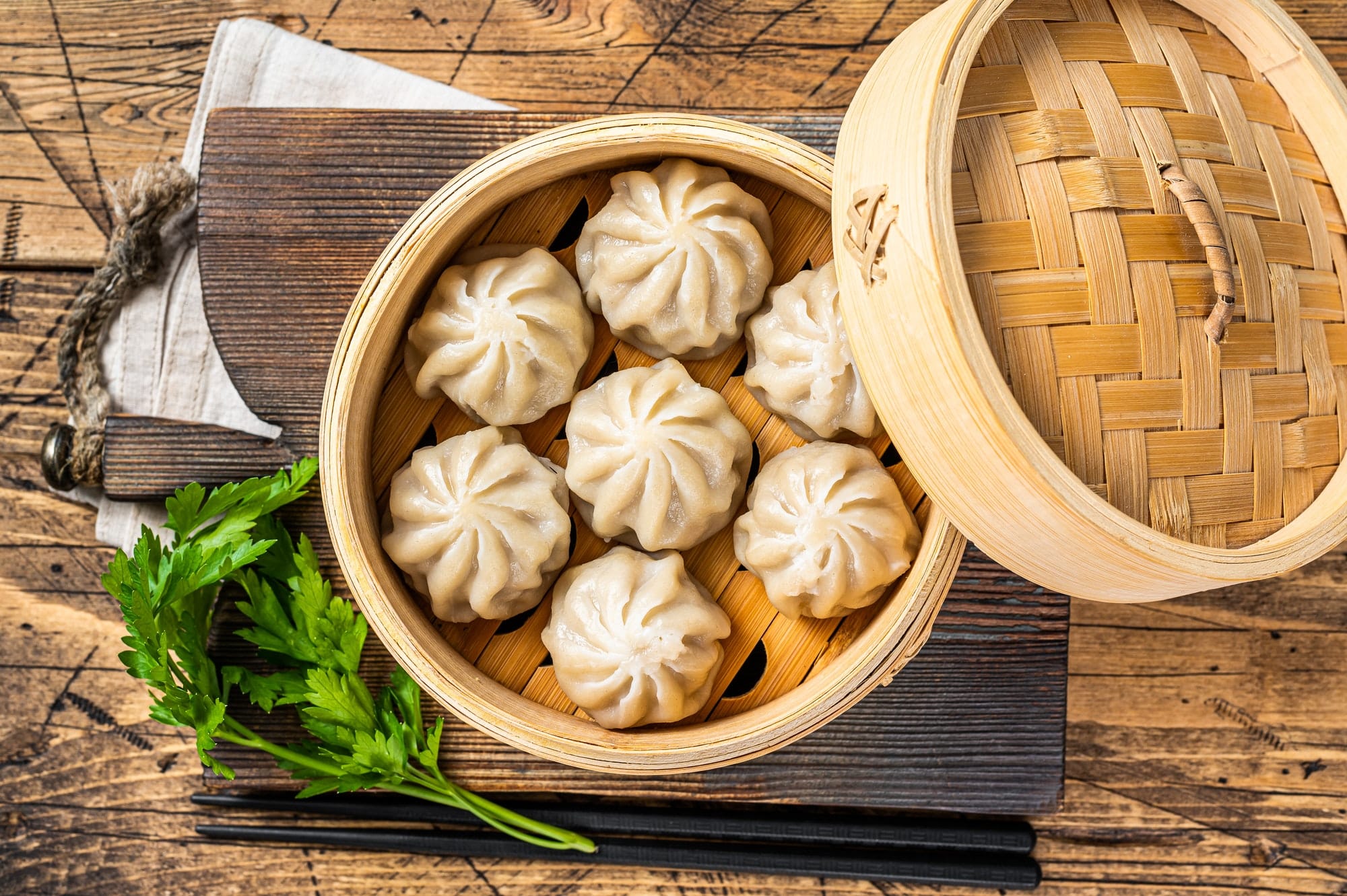
Steamed Dumplings With Lean Protein
Tender, savory, and easier to make at home than you would think. A filling of ground turkey or chicken seasoned with ginger, garlic, and scallions delivers all the dim sum satisfaction for a fraction of the usual carbs, especially if you reach for low-carb or egg-based wrappers instead of standard wheat ones. Steam them in a single layer until the filling is cooked through, then serve with tamari and chili oil on the side.
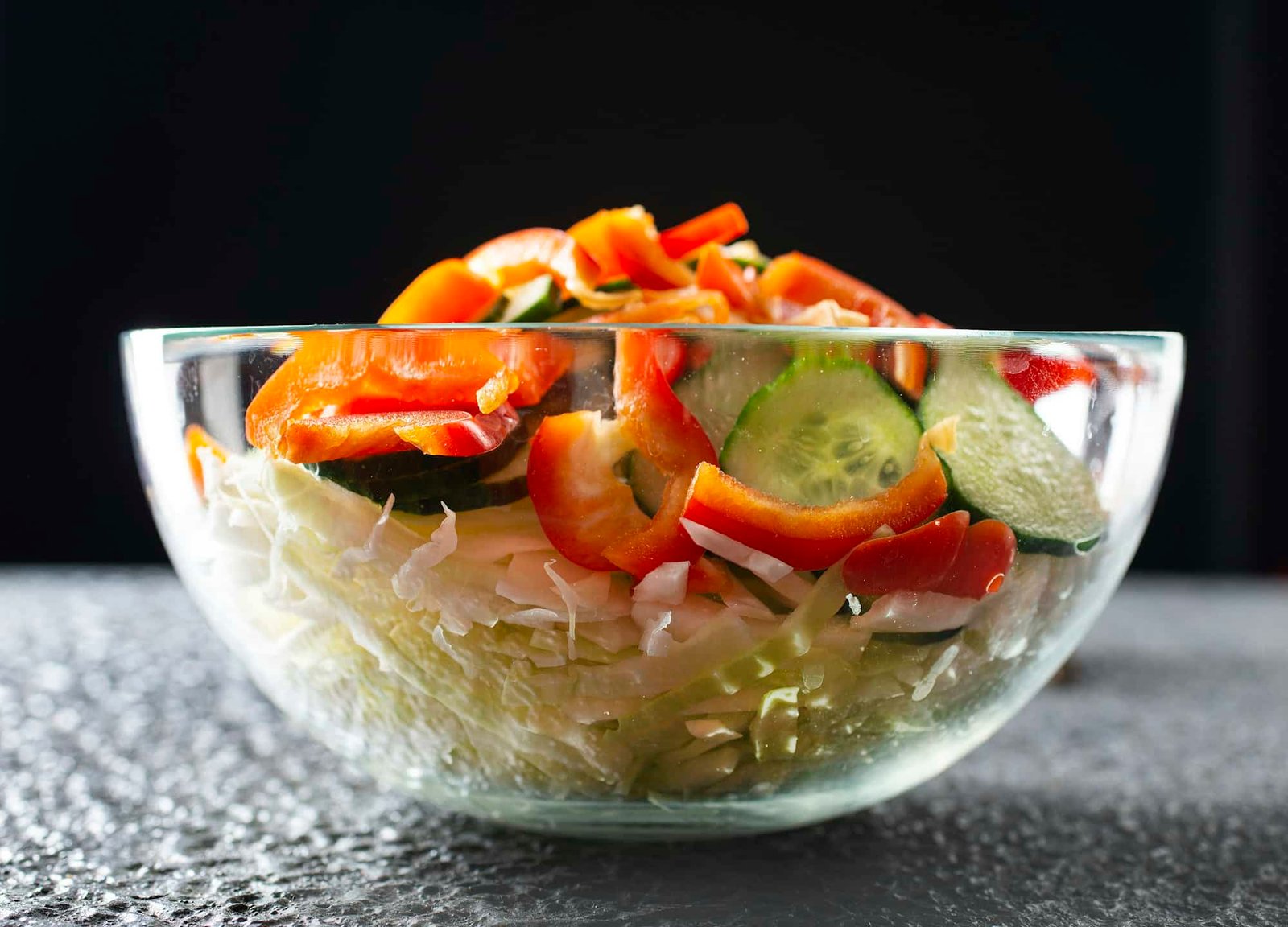
Crisp Cabbage Salad
Crunchy, tangy, and refreshing, this salad works as a side dish or a light standalone lunch. Cabbage is one of the most underrated keto vegetables: high in fiber, loaded with vitamin C, and practically zero net carbs. Toss shredded cabbage, bell pepper, and cucumber with a quick dressing of tamari, rice vinegar, sesame oil, garlic, and ginger, and it pairs with any stir-fry in this guide. For a noodle-style version, our Szechuan noodle salad uses the same idea with shirataki noodles.
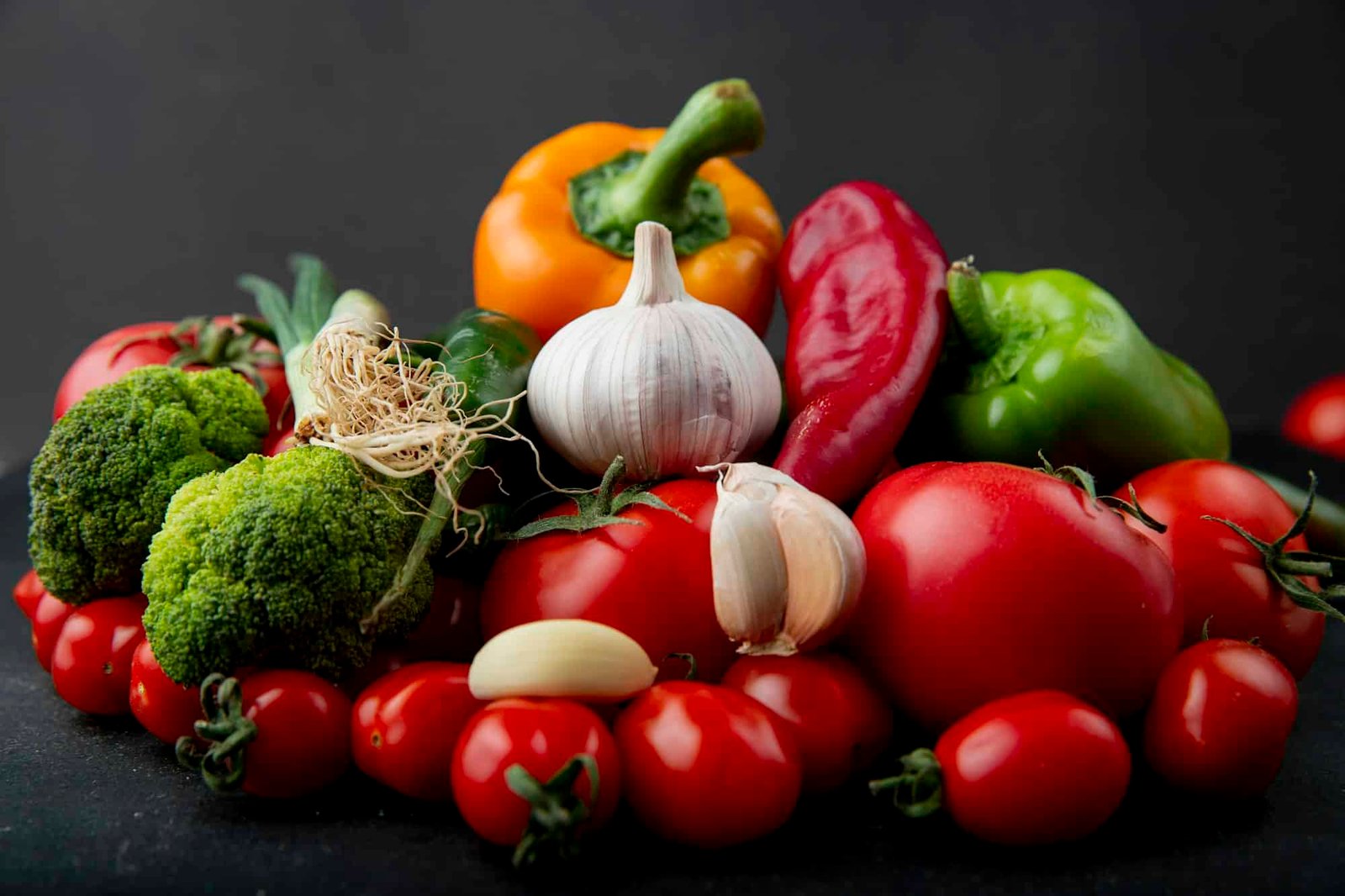
Garlic Ginger Broccoli Stir-Fry
This is the weeknight workhorse: fifteen minutes, one pan, and a pile of colorful vegetables tossed in garlic, ginger, and a splash of tamari. Add grilled chicken or some slow-cooker beef and broccoli on top and you have a complete keto meal. If you want a saucier, protein-forward take, our chicken and vegetable stir-fry is the natural next step.
Garlic Shrimp and Snow Peas
This is the one that makes people ask, “This is healthier than takeout?” Wild-caught shrimp cooked fast and hot with garlic, ginger, and crisp snow peas, finished with a squeeze of lemon and a splash of tamari, and done in under 20 minutes. For another quick shrimp dish in the same spirit, our shrimp and asparagus stir-fry lands around 5g net carbs with 28g of protein.
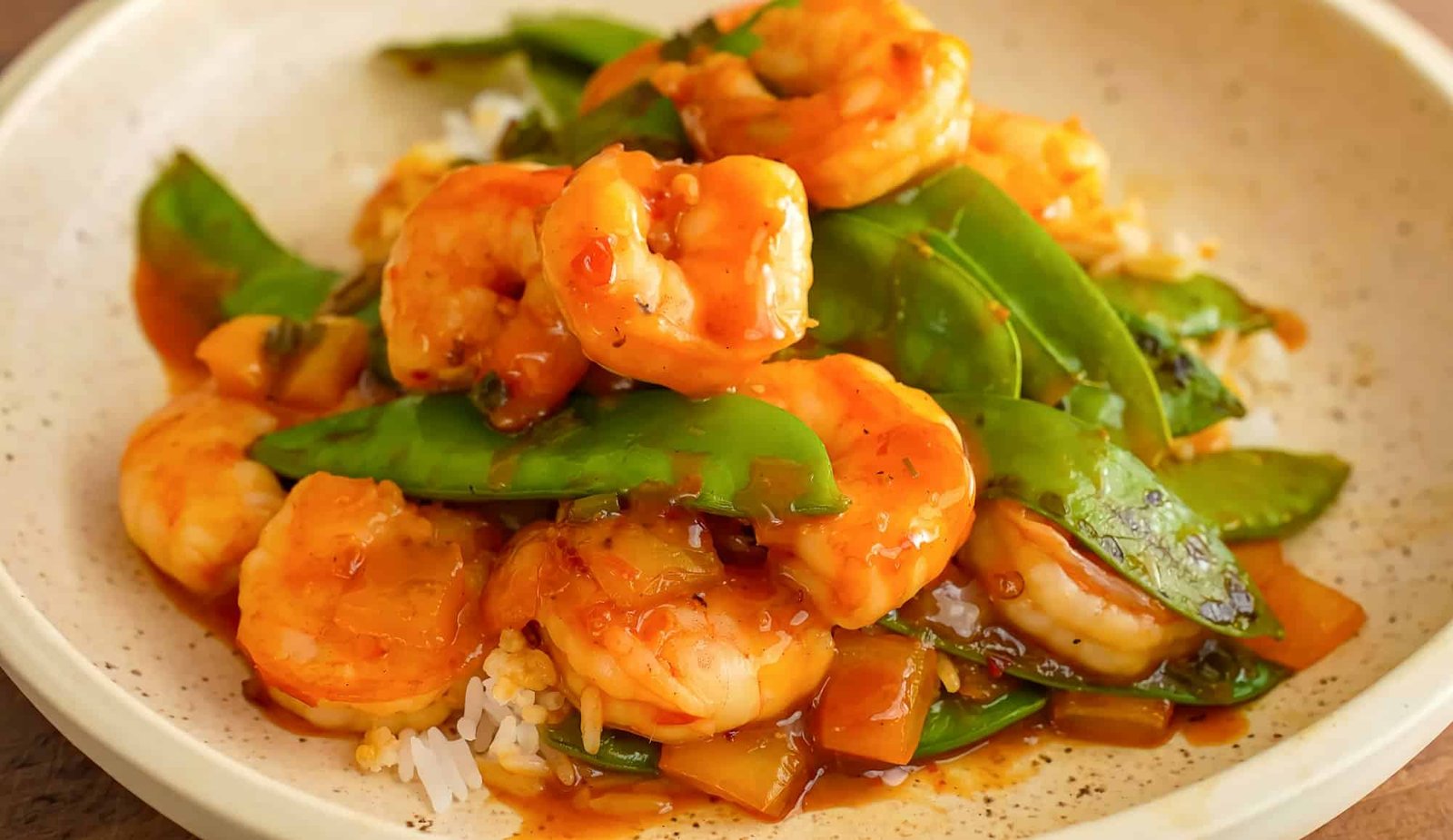
Want more keto Chinese to round out your rotation? Two of the most popular dishes on the site are our keto kung pao chicken at 7g net carbs and our comforting keto hot and sour soup.
Chef Tips for Perfect Keto Chinese Cooking
Get Your Wok Screaming Hot: The biggest mistake home cooks make with stir-fries is overcrowding a lukewarm pan. Heat your wok or skillet until it just barely starts to smoke, then add a thin film of avocado or sesame oil. You want sear, not steam.
Sauce on the Side, Always: Whether you cook at home or order out, keep sauces separate until serving. A single tablespoon of hoisin can carry 7g of sugar, while tamari with fresh ginger gives you the same depth for practically zero carbs.
Prep Everything Before You Start: Chinese cooking moves fast. Cut all your vegetables, measure your sauce ingredients, and have everything within arm’s reach before the heat goes on. The French call it mise en place. We call it not burning your garlic.
Treat Sesame Oil as a Finisher: A teaspoon of toasted sesame oil added at the very end of a stir-fry delivers more flavor than a tablespoon of neutral oil during cooking. Use it to finish, not to fry.
Batch Your Proteins: Cook a double batch of chicken or shrimp on Sunday and store it separately from vegetables and sauce. During the week you can assemble a fresh keto Chinese bowl in under 10 minutes by reheating the protein and tossing it with fresh veg.
Storage and Meal Prep
Refrigerator Storage: Most of these dishes keep well in airtight containers for 3 to 4 days. Store sauces and dressings separately from vegetables to prevent sogginess, especially with the cabbage salad.
Freezer Storage: Dumplings freeze beautifully for up to 3 months. Freeze them flat on a baking sheet first, then transfer to a freezer bag and steam straight from frozen, adding 3 to 4 minutes to the cook time. Stir-fries are best eaten fresh or refrigerated rather than frozen.
Meal Prep Strategy: Sunday prep is your friend. Cook the protein, prep the stir-fry vegetables, and mix any dressings ahead, then store everything separately so you can mix and match components into different lunches all week.
Complete the Meal: Pair any dish with cauliflower rice for a full keto Chinese bowl. Our keto kung pao chicken and quick keto bok choy both make excellent additions to the rotation.
Frequently Asked Questions
What is the best low carb Chinese food to order?
Choose steamed or stir-fried dishes built on lean protein and non-starchy vegetables, such as chicken and broccoli, shrimp with snow peas, egg drop soup, moo goo gai pan, or steamed fish with ginger. Ask for the sauce on the side, skip the rice or swap in cauliflower rice, and avoid anything battered, deep-fried, or coated in sweet sauce like orange chicken or General Tso’s.
Is bok choy keto and good for people with diabetes?
Yes. Bok choy is a non-starchy vegetable with only about 1 to 2 grams of net carbs per cup, which makes it a natural fit for keto and a gentle choice for blood sugar. It is also high in fiber, vitamin C, and vitamin K, so it adds volume and nutrients to a stir-fry without the carbs of rice or noodles.
What can I use instead of soy sauce, white rice, and noodles?
Swap regular soy sauce for tamari or coconut aminos, which keeps the dish gluten-free and lower in sodium. Replace white rice with cauliflower rice, and trade lo mein or chow mein for shirataki, zucchini, or kelp noodles. Each swap keeps the familiar texture while cutting most of the carbs.
What Chinese food is lowest in carbs and sugar?
Steamed and stir-fried dishes that are sauced lightly are lowest in both. Egg drop soup, steamed fish, garlic shrimp with snow peas, and any vegetable stir-fry made with tamari instead of sweet sauce typically land between 4 and 9 grams of net carbs with no added sugar. The carbs and sugar in Chinese food almost always come from the sauce, the rice, and the breading, so controlling those three keeps a meal low.
You Might Also Like
Better than takeout, around 7g net carbs.
Restaurant comfort in a bowl, minimal carbs.
Low-carb fried rice, weeknight fast.
5g net carbs, 28g protein, ready in 25 minutes.
Keto Chinese food is proof that low-carb eating does not mean giving up the flavors you love. Master a few swaps and the sauce-on-the-side habit, and you can pull together restaurant-quality dishes at home that stay gentle on your blood sugar. The hardest part is explaining to your family why you stopped ordering takeout.
Medical Disclaimer: The nutritional information provided in this article is for informational purposes only. While we strive for accuracy, individual responses to foods vary. Always consult with your healthcare provider or registered dietitian about dietary changes.


