

Published June 8, 2026 · Updated August 18, 2026
A great steamed pudding starts with the right basin. The best pudding steamers turn loose batter into a tall, evenly cooked dome, hold up to years of festive baking, and make turning out the finished pudding effortless. Below are four standouts, from a traditional ceramic basin to a family-sized 2L set, plus a buying guide to help you choose the right one for your kitchen.
Short on time? Jump straight to the side-by-side comparison, the buying guide, or the FAQ.
New to steamed puddings? Start with our authentic Murray’s Steamed Fruit Pudding, the classic Canadian recipe this gear was built for.

At a Glance: Our Top Picks
Why a Dedicated Pudding Steamer Matters
Even, gentle heat: Steaming surrounds the batter with moist heat at a steady temperature, which cooks a pudding through to the centre without drying the edges or forming a hard crust the way dry oven heat can.
A lid that seals out condensation: A proper basin and lid keep dripping condensation off the top of the pudding, so the surface stays light and the texture stays consistent from edge to centre.
The shape that makes the pudding: The deep, lipped form of a pudding basin gives a steamed pudding its signature tall dome and a clean, rounded shape when you turn it out onto the plate.
Built to last and reused for years: Quality ceramic and BPA-free plastic basins shrug off repeated steaming, freezing, and washing, making them a one-time buy you reach for every holiday season.
Pudding Steamers Compared at a Glance
| Steamer | Material | Capacity | Compatible With | Best For |
|---|---|---|---|---|
| Milkary Egg Tart Molds (25 pack) | Aluminium alloy | Mini (3.1 in) | Oven, dishwasher | Individual and mini puddings |
| Muldale Ceramic Pudding Basin | White porcelain | 0.61 L (1 pint) | Oven, freezer, air fryer, dishwasher | Classic single puddings |
| Just Pudding Basins (6 pack) | BPA-free plastic | 570 ml each | Microwave, pressure cooker, steamer, freezer | Batch cooking and gifting |
| 2L Pudding Steamer (pack of 2) | Heavy-duty | 2 L each | Stovetop steaming | Family-sized and festive puddings |
Milkary 25 Pack Egg Tart Molds
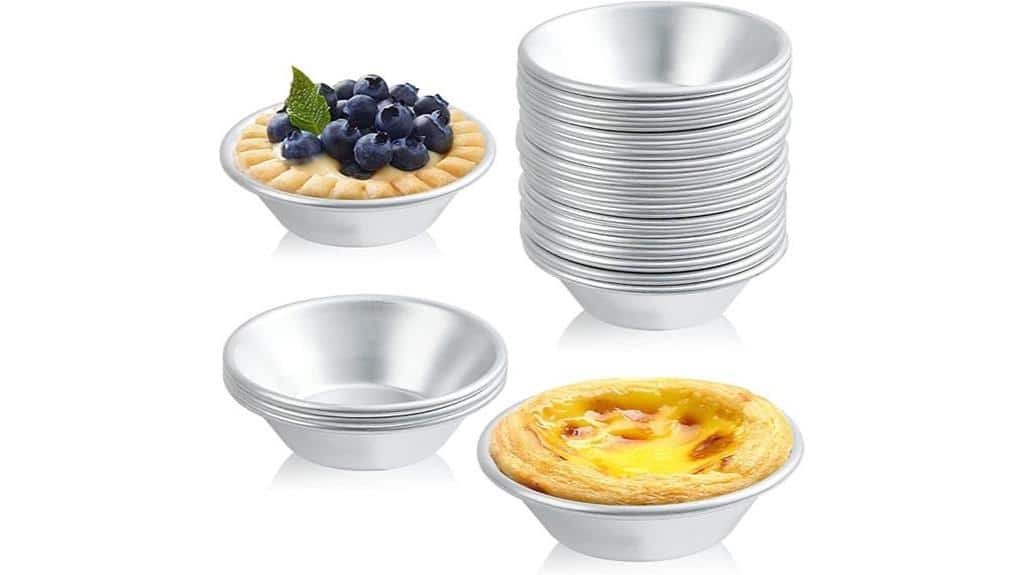
The Milkary set gives you 25 small aluminium-alloy molds, each about 3.1 inches across and 0.9 inches deep. They are built primarily for egg tarts and mini pies, but the same shape works nicely for individual steamed puddings and baked custards when you want single servings rather than one large basin. The alloy heats evenly, withstands high oven temperatures, and is dishwasher safe, so cleanup is quick.
The main trade-offs are that the molds can stick without a good grease beforehand, and the fixed small size will not suit anyone who wants one full family-sized pudding. Best for home bakers who like portioned desserts and want a versatile, inexpensive set for tarts, mini pies, and individual puddings.
Muldale Traditional Ceramic Pudding Basin (1 Pint)
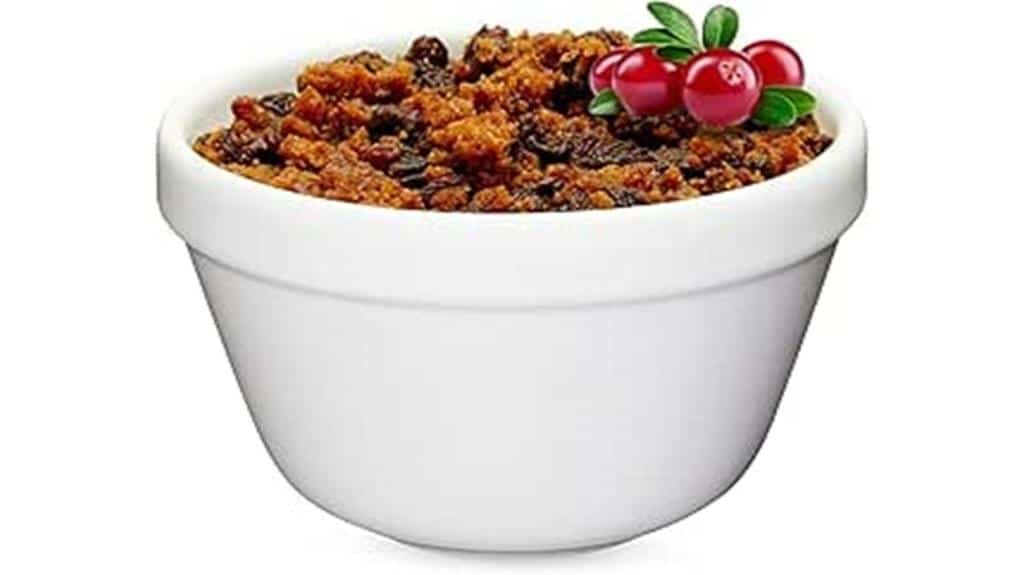
If you want the classic look, the Muldale basin is a 1-pint vessel in durable white porcelain with the timeless lipped shape that traditional puddings are built around. The thick ceramic walls hold heat steadily and resist chipping, and the basin is rated for the oven, freezer, air fryer, and dishwasher, which makes it genuinely versatile beyond steaming. At roughly 14 by 14 by 10 cm and 0.61 liters, it is sized for a single household pudding such as treacle or figgy pudding, and the plain white finish doubles as a serving dish.
It earns consistently strong customer ratings for sturdiness and quality, and its stackable shape stores neatly. The trade-offs are a higher price than plastic, a single-pudding capacity that is small for a crowd, and an all-white design that some find plain. Best for cooks who value traditional cookware and make classic British puddings.
Just Pudding Basins Basin and Lid Pack (6 Pack, Medium)
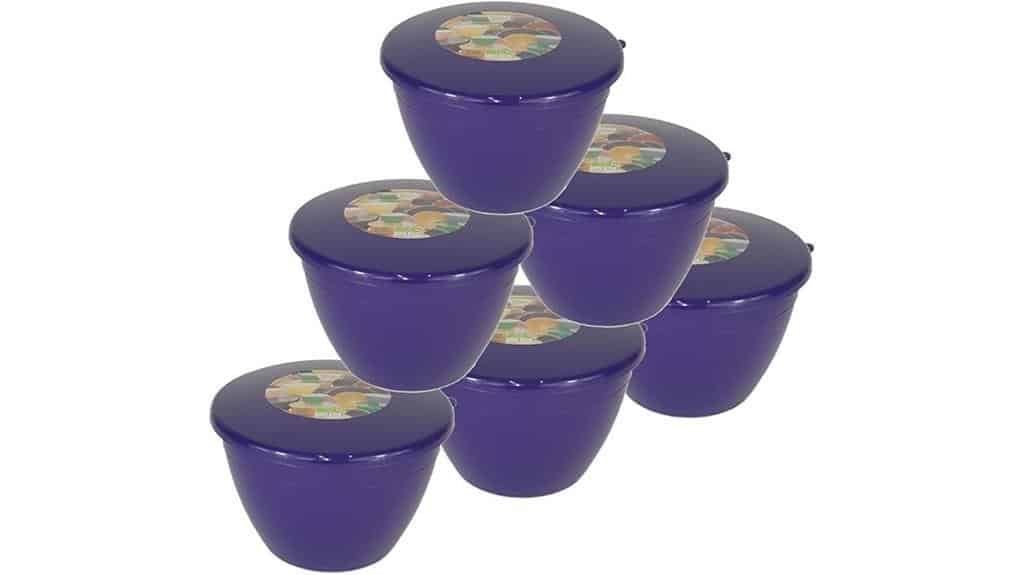
For anyone who steams puddings in batches, the Just Pudding Basins set is hard to beat on value: six British-made basins, 570ml each, in BPA-free, food-safe plastic with clip-on lids. The lids vent excess steam during cooking, and the basins are rated for the microwave, pressure cooker, steamer, and freezer, so you can prep ahead and store finished puddings until you need them. The plastic is light, durable, and reusable for years, which is why this set is popular for making Christmas puddings to give as gifts.
The trade-offs are limited color choice (the set is purple), a medium size that runs large for single servings, and a plastic build that traditionalists may prefer to skip in favour of ceramic. Best for households that make several puddings at once or gift them over the holidays.
2L Pudding Steamer for Steamed Puddings (Pack of 2)
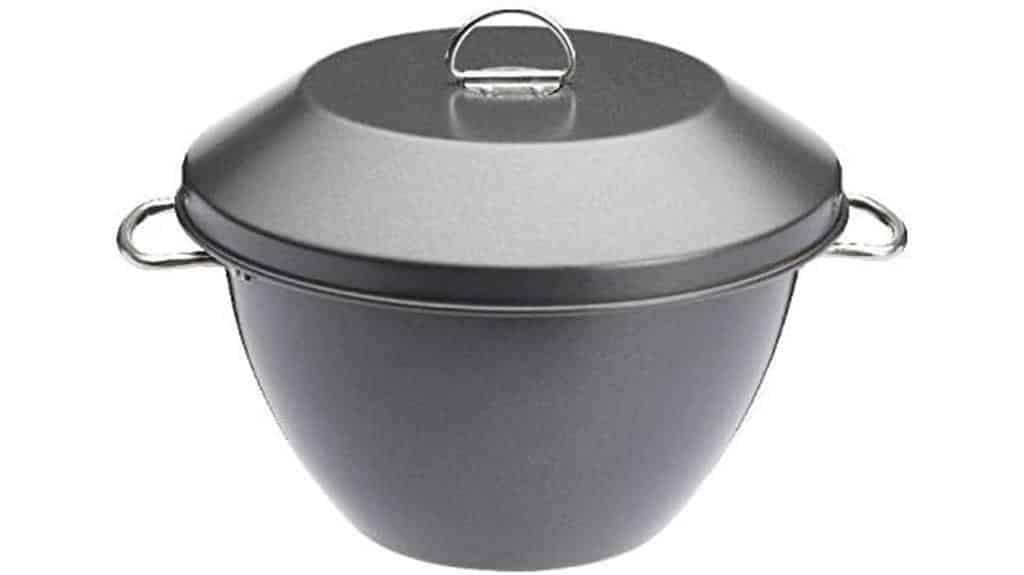
When you need real capacity, this 2L steamer comes as a pack of two, enough to cook for a full family table or run two puddings at once for a gathering. The generous volume suits a classic Christmas pudding or a large sponge, and having a second steamer on hand means you are never waiting on a single mold. Clear capacity markings help you match the steamer to a recipe so you are not guessing on volume.
The main trade-offs are that the listing is light on detail about the exact material and care instructions, and the larger footprint takes up more cupboard space than a single basin. Best for cooks who regularly make family-sized or festive puddings and want a spare on standby.
Once you have your steamer sorted, you will want something to make in it. Browse our seasonal dessert ideas for inspiration, and if you are still building out your kitchen, see our companion guide to the best spatulas for every task.
What to Look for in a Pudding Steamer
Choosing the right pudding steamer comes down to a few practical factors: the material, the size, how it fits your cooking methods, and how easy it is to keep clean. Weigh each against the kind of puddings you actually make, and the right basin becomes obvious.
Material and Durability
Ceramic and porcelain basins offer the best heat retention and a chip-resistant, traditional finish, though they are heavier and cost more. BPA-free plastic is light, reusable, and friendly to the microwave and freezer, which makes it the practical choice for batch cooking. Metal options such as aluminium and stainless steel heat quickly and evenly while staying lightweight. Whichever you choose, look for thick walls and a well-fitting lid that can take repeated steaming without warping.
Size and Capacity
Smaller basins around 250ml to 570ml (about 1 pint) are ideal for individual servings or testing a new recipe, while a large pudding steamer holding up to 2 liters (roughly 9.5 pints) suits family gatherings and festive puddings. Check the external dimensions too, not just the volume, so the basin sits comfortably inside your pot or steamer with room for the lid. Sets with a range of sizes give you the most flexibility across the year.
Versatility and Compatibility
Modern pudding steamers often work across several cooking methods: stovetop steaming, the microwave, a pressure cooker, and the oven. A clip-on or sealing lid that vents excess steam helps prevent overflow and keeps the surface neat, and a freezer-safe basin lets you make puddings ahead and store them until serving. The more methods a basin supports, the more use it earns in a busy kitchen.
Ease of Cleaning
Dishwasher-safe basins save real time after a long baking session, while smooth ceramic and non-stick interiors release cleanly and wipe down with warm soapy water. Avoid abrasive scourers that can scratch the surface, and check the seals and lids now and then for wear so your steamer keeps performing season after season.
Chef Tips for Steaming the Perfect Pudding
Make a pleated lid: Grease the basin, then cover it with a pleated layer of parchment topped with foil so the pudding can rise without splitting the cover. Tie it under the rim with string, and add a string handle across the top to lift the hot basin out safely.
Keep the water at a steady simmer: The water should reach about halfway up the basin and stay at a gentle, constant simmer rather than a hard boil, which gives the pudding even, moist heat.
Top up with boiling water: Check every 45 to 60 minutes and refill with boiling, not cold, water so the temperature never drops and the pan never boils dry.
Grease for a clean release: A thin film of butter inside the basin, or a non-stick interior, lets the finished pudding turn out cleanly in one piece.
Test before you turn out: A skewer pushed into the centre should come out clean. A large family pudding can need 2 hours or more, so give it time before unmolding.
Care, Storage, and Serving
Freezer and make-ahead: Most modern basins are freezer-safe, so you can steam a pudding, cool it completely, and store it sealed until you need it. Ceramic basins double as oven-to-table serving dishes.
Cleaning: Dishwasher-safe sets save time, while ceramic and non-stick interiors wipe clean with warm, soapy water. Skip abrasive scourers that can scratch the surface.
Storage: Nest plastic basins to save cupboard space and keep each lid with its base so nothing goes missing before the holidays.
Complete the dessert: Turn the warm pudding out onto a plate and finish it with a pour of homemade vanilla sauce. Pair your new steamer with a classic Murray’s Steamed Fruit Pudding, or try an easy baked rice pudding for your next batch.
Frequently Asked Questions
How long does it take to steam a pudding?
Steaming time depends on the size of the pudding. Small individual puddings usually need about 30 to 60 minutes, while a large family pudding can take 2 to 4 hours. Keep the water at a steady simmer and test the centre with a skewer before turning it out.
What is the difference between a pudding steamer and a regular steamer?
A pudding steamer, or basin, is a deep, lidded mold that gives a steamed pudding its domed shape and seals out condensation. A regular steamer has a perforated base for circulating steam around vegetables or savory foods, so it does not hold batter the way a pudding basin does.
Can I use a pudding steamer in a pressure cooker?
Many plastic and metal basins are pressure-cooker safe and cook puddings faster, but not all are rated for it. Always check the manufacturer’s guidance first, and make sure the basin fits inside with room for steam to circulate.
How do you use a pudding steamer?
Grease the basin, spoon in the batter, and cover it with a pleated layer of parchment and foil tied under the rim so the pudding can rise. Sit it on a trivet in a pot with simmering water reaching halfway up the basin, cover, and top up with boiling water as needed until it is cooked through.
You Might Also Like
The authentic Canadian steamed pudding your new basin was made for.
The silky pour-over sauce that finishes any warm steamed pudding.
A creamy, comforting pudding you can make in eight simple ingredients.
Round out your kitchen with our companion guide to top kitchen spatulas.
Final Thoughts
The right pudding steamer really comes down to how much you make and how you like to cook. A traditional ceramic basin suits classic single puddings, a multipack of plastic basins is the value pick for batch cooking and gifting, and a 2L set handles a full festive table with ease. Match the size and material to your kitchen, and you will be turning out perfectly domed puddings for years to come.
Disclosure: Lunch Pro is reader-supported. Some links in this article are affiliate links, which means we may earn a small commission if you buy through them, at no extra cost to you. We only recommend products we believe offer genuine value to home cooks.