

Kosher for Passover and Keto? Paleo at the Seder? Managing diabetes while honouring tradition? It sounds complicated—but it doesn’t have to be.
This Passover meal guide for Keto, Paleo, and Diabetic diets cuts through the confusion. You’ll learn exactly what to eat, what to swap, and how to keep your blood sugar steady without missing out on the meaning of the holiday.
📋 What This Guide Covers
🌿 Why This Guide Matters for Your Health
Blood Sugar Stability: Traditional Passover meals often include potato kugel, matzah, and sweet desserts—all high-glycemic foods. This guide helps you find satisfying alternatives that won’t spike your glucose levels.
Ketosis Maintenance: Staying in ketosis during an 8-day holiday requires planning. We’ll show you how to honour the ritual requirements while keeping carbs under 20g when possible.
Protein & Nutrient Balance: When you eliminate grains, legumes (kitniyot), and many carbs simultaneously, nutritional gaps can appear. Our swap recommendations ensure you’re getting adequate protein, fibre, and essential nutrients.
No Deprivation: The goal isn’t restriction—it’s smart substitution. You can enjoy a meaningful Seder with delicious food that supports your health goals.
Flexible Framework: Whether you’re strict Keto, moderate low-carb, or simply managing diabetes, this guide offers options across the spectrum.
Traditional Passover Meal vs. Adapted Low-Carb Version
| Meal Component | Traditional | Adapted | Carb Savings |
|---|---|---|---|
| Matzah Ball Soup | ~25g carbs | Almond flour balls: ~4g | -21g (84%) |
| Potato Kugel | ~35g carbs | Cauliflower kugel: ~6g | -29g (83%) |
| Charoset | ~20g carbs | Sugar-free version: ~5g | -15g (75%) |
| Coconut Macaroons (2) | ~24g carbs | Sugar-free version: ~3g | -21g (88%) |
| Flourless Chocolate Cake | ~30g carbs | Sugar-free version: ~4g | -26g (87%) |
| Typical Full Meal | ~110g+ carbs | ~22g carbs | -88g (80%) |
Note: Carb counts are approximate and will vary by specific recipe. The adapted versions shown are based on recipes available on The Lunch Pro.

Understanding Passover Dietary Restrictions
🥖 The Prohibition of Chametz (Leavened Grains)
Chametz refers to any food made from wheat, barley, rye, oats, or spelt that has fermented or risen after contact with water. These grains are banned during Passover. This includes:
- Bread, pasta, cereal, cakes, cookies
- Beer, grain-based vinegar, and anything with malt or gluten
Even small traces of chametz are forbidden, so many rely on Kosher for Passover (KFP) certification. Households also clean thoroughly before the holiday and store away or sell their chametz.
🌱 The Kitniyot Custom
Ashkenazi Jews often avoid kitniyot during Passover. This includes:
- Legumes (beans, lentils, peanuts, soy)
- Corn, rice, millet
- Seeds like mustard and sesame
Kitniyot aren’t chametz but were traditionally avoided due to potential grain confusion. Many Sephardic Jews do eat them, and some modern rulings allow Ashkenazim to include them. The custom significantly affects plant-based, Keto, and Paleo diets by cutting out common protein and fibre sources.
Overview of Keto, Paleo, and Diabetic Diets
🩺 Diabetic Eating Principles
- Goals: Manage blood sugar, maintain weight, and avoid refined carbs and sugars.
- Preferred Foods: Non-starchy vegetables, lean proteins, healthy fats (olive oil, fish, avocado), low-sugar fruits.
- Avoid: Sugary desserts, white flour, fruit juice, sweet wines.
🥑 Ketogenic (Keto) Diet
- Goals: Enter ketosis via high-fat, very low-carb eating (20–50g carbs/day).
- Foods to Include: Meats, eggs, full-fat dairy, nuts, oils, leafy greens, non-starchy veggies.
- Avoid: Grains, sugar, legumes, milk, starchy veggies, and most fruits.
🥩 Paleolithic (Paleo) Diet
- Goals: Eat as early humans did—no modern processed foods.
- Include: Meat, seafood, vegetables, fruit, nuts, seeds, and natural oils.
- Avoid: Grains, legumes, dairy, added sugar, and refined oils.

Navigating the Dietary Crossroads: Key Challenges
1. Matzah vs. Low-Carb/Paleo Needs
Matzah is required at the Seder but is high in carbs. For Keto or Diabetic eaters, limit intake to the ritual minimum (kezayit). Paleo eaters avoid grains altogether, which becomes a symbolic challenge more than just a dietary one.
2. Sugar & Carb-Heavy Traditions
From charoset and wine to potato kugel and macaroons, Passover meals are often high in sugar and starch. Watch out for:
- Desserts: Coconut macaroons, honey cake, sponge cake
- Rituals: 4 cups of wine/grape juice and sweetened charoset
- Sides: Potato-heavy dishes like kugel or tzimmes
Use low-sugar recipes, sugar alternatives, and portion control.
3. Kitniyot Restrictions and Protein/Fibre Gaps
For Keto and Paleo eaters, avoiding legumes and grains already limits options. If you also follow the kitniyot restriction, you may lose:
- Plant-based proteins (beans, lentils, peanuts)
- Fibre sources (soy, seeds)
- Paleo-compliant carbs (like quinoa or cassava)
Careful planning helps fill the nutritional gap.
4. Finding Compliant KFP Ingredients
Kosher certification, diet compatibility, and availability don’t always align. Examples:
- Oils: Look for cold-pressed olive, avocado, or coconut oils
- Meats: Grass-fed or organic meats can be harder to find with KFP labels
- Flours: Almond, coconut, cassava—ensure KFP certification
5. Avoiding Nutritional Deficiencies
Layering Passover, Keto, Paleo, and diabetic rules together cuts out:
- Grains and legumes (B vitamins, fibre)
- Dairy (calcium, vitamin D for Paleo)
- Many fruits (vitamin C)
Focus on a variety of whole foods and talk to a healthcare provider or dietitian for help.
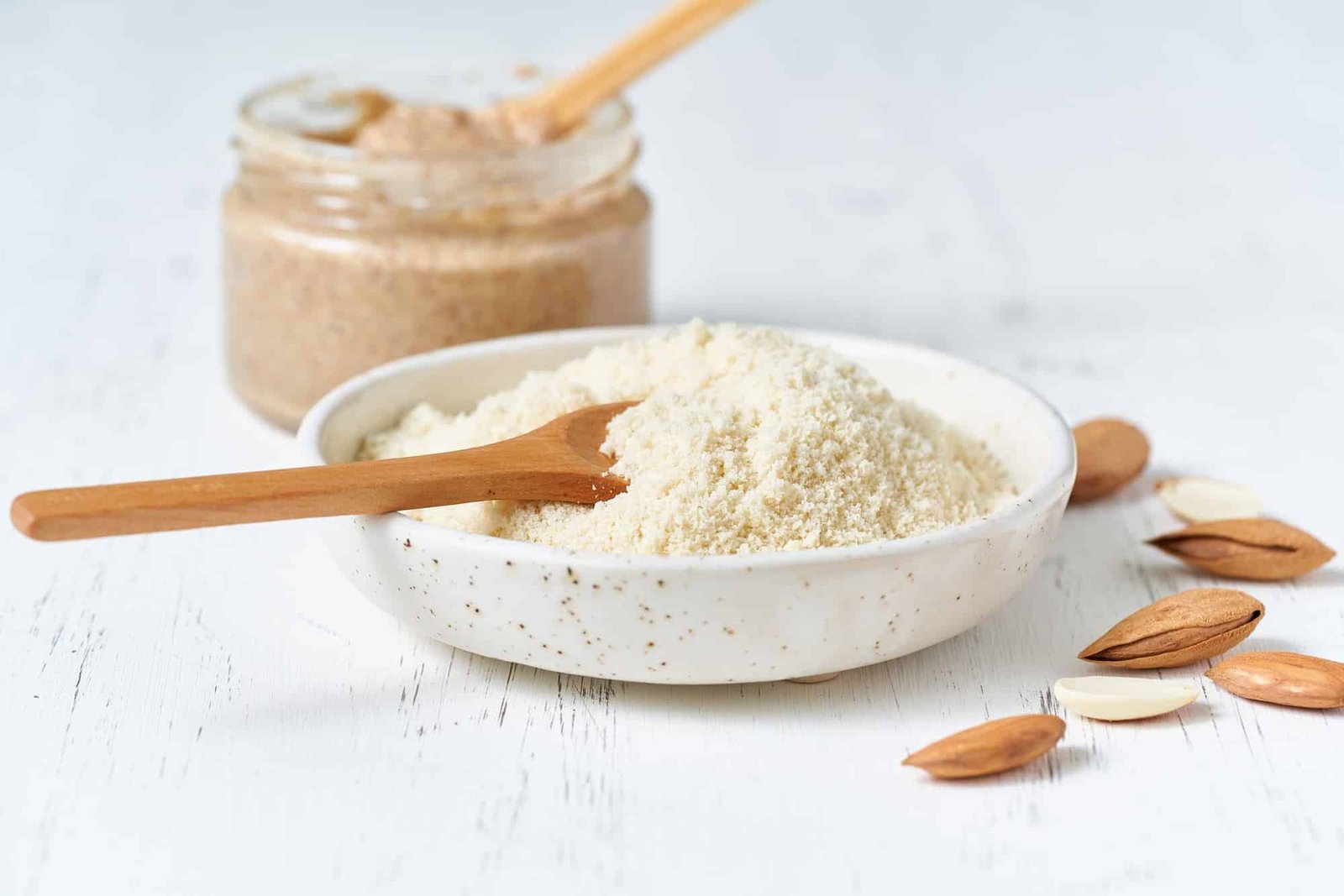
Kosher for Passover Ingredient Swaps
🌰 Flour Alternatives
- Almond Flour (Keto, Paleo, Diabetic)
- Coconut Flour (High fibre, low carb)
- Cassava Flour (Paleo-friendly; high in carbs)
- Quinoa Flour (not kitniyot; use with care)
Always check for KFP certification.
🍯 Sweeteners
- Stevia, monk fruit, erythritol (Keto, Paleo, Diabetic)
- Allulose, xylitol (use with care)
- Honey (Paleo-friendly only in moderation)
- Avoid corn syrup, table sugar, and agave on all three diets.
🧴 Fats and Oils
- Olive oil (extra virgin, cold-pressed)
- Avocado oil
- Coconut oil
- Nut oils (if KFP and allowed by your diet)
Stay away from heavily refined seed oils unless they’re your only KFP-certified option.

Traditional Passover Foods: What Works and What to Swap
✅ Seder Plate Items
- Zeroa (Shank bone) – Compliant
- Beitzah (Egg) – Compliant
- Maror & Karpas – Vegetables, recommended for all diets
- Charoset – Modify to reduce sugar: use chopped nuts, red wine, berries, and sweeteners
🍽️ Main Dishes
- Brisket, lamb, chicken – Grain-free and fully compliant
- Fish – Great for Diabetic, Keto, Paleo (watch sugar in gefilte fish)
- Eggs – Super versatile and compliant
🥗 Side Dishes
- Non-starchy veggies: Zucchini, cauliflower, asparagus, spinach
- Vegetable kugels with almond or coconut flour instead of matzah meal
- Cauliflower mash or rice as a potato substitute
- Quinoa if permitted
- Leafy salads with compliant oils and lemon juice
🍪 Dessert Options
- Flourless chocolate cake with KFP sweeteners
- Nut-based cookies and brownies using almond or coconut flour
- Fruit-based: Stick to berries if allowed, skip dried fruit or sweeteners
- Coconut macaroons without added sugar
- Chocolate avocado mousse or coconut milk pudding
Pro Tips for Passover Meal Planning
Shop Early for KFP Items: Kosher for Passover almond flour, coconut oil, and specialty sweeteners sell out fast. Order online 3-4 weeks before the holiday to ensure availability.
Stick to the Ritual Minimum: You’re only required to eat a kezayit (olive-sized portion) of matzah at the Seder. For Keto or diabetic management, consume exactly what’s required—no more—and focus on the compliant dishes for satisfaction.
Bring Your Own Dish: When attending someone else’s Seder, offer to bring a side dish or dessert. This guarantees you’ll have at least one option that fits your dietary needs, and hosts usually appreciate the help.
Pre-Portion Wine Carefully: The four cups of wine add up to roughly 15-20g of carbs total. Dry red wine has fewer carbs than sweet Manischewitz. If needed, speak with your rabbi about using grape juice diluted with water for medical reasons.
Prep Cauliflower Rice in Bulk: Cauliflower is your best friend during Passover. Make a large batch at the start of the holiday and use it as a base for multiple dishes throughout the week.
Keep Keto Snacks Ready: Hard-boiled eggs, cheese (if not Paleo), olives, and nut mixes are perfect grab-and-go options when hunger strikes between meals.
🍽️ You Might Also Like
Complete low-carb Seder menu
Diabetic-specific strategies
KFP flour substitute guide
Guilt-free dessert recipes
Frequently Asked Questions (FAQs)
Can I follow a Keto diet during Passover?
Yes. Focus on KFP-certified non-starchy vegetables, meats, eggs, and healthy fats. Use almond or coconut flour instead of matzah meal, and limit matzah to the minimum required.
What are the best Passover foods for someone with diabetes?
Lean proteins, vegetables, sugar-free desserts, small matzah, and wine are best. Use stevia or monk fruit as sweeteners and avoid sweet sauces and starch-heavy sides.
Are Paleo diets compatible with the Kosher for Passover rules?
Yes, with some planning. Paleo-friendly Passover meals can focus on meats, vegetables, and fruits, while avoiding grains, legumes, and dairy. KFP-approved oils are key.
Final Thoughts
Navigating Passover on a Keto, Paleo, or Diabetic diet is absolutely possible—and you don’t have to sacrifice meaning for macros. With the right ingredient swaps, a bit of advance planning, and the recipes available here on The Lunch Pro, you can honour both your health and your heritage.
The Seder is about freedom, including the freedom to make choices that support your wellbeing. Chag Pesach Sameach!
Medical Disclaimer: The nutritional information and diabetic-friendly adaptations provided in this article are for informational purposes only. While we strive for accuracy, we are culinary experts, not medical doctors. Individual responses to foods vary, and you should always consult with your healthcare provider or registered dietitian about dietary changes, especially if you’re managing diabetes or other health conditions. Always monitor your blood sugar as recommended by your healthcare team.


