Published March 18, 2026 · Updated July 13, 2026
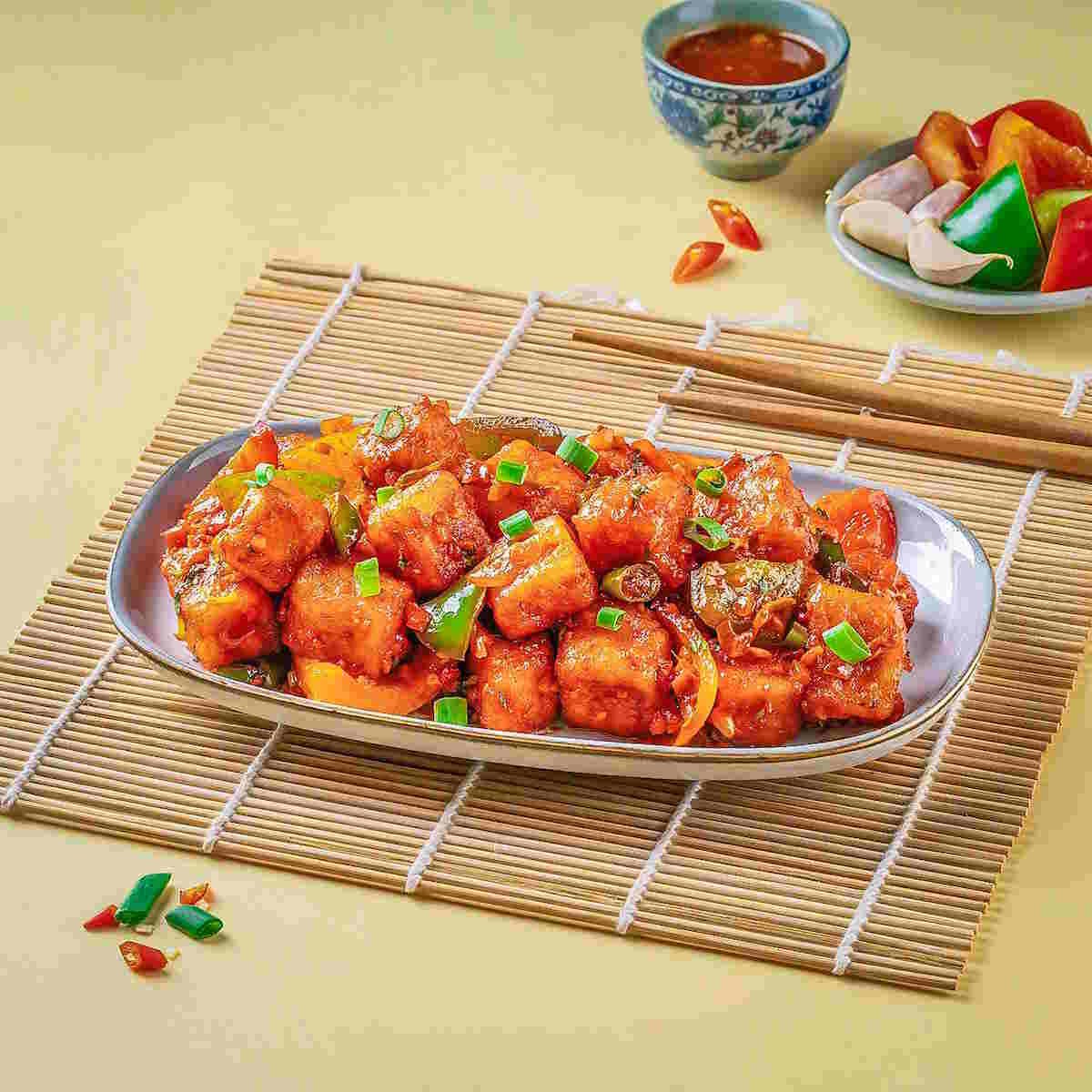
Sweet and sour tofu is crispy cornstarch-coated tofu cubes tossed with bell peppers and pineapple in a glossy, tangy sauce, ready in 45 minutes for less effort than a takeout order and with ingredients you can actually pronounce.
The technique matters here. Press the tofu until it’s genuinely dry. Get the oil hot enough. Don’t crowd the pan. Do those three things, and the crispy exterior that makes sweet and sour tofu worth making comes naturally.
⏱️ Quick Stats
Base recipe with standard sauce. See diabetic-friendly adaptation below for reduced-sugar version.
🌿 Why This Sweet and Sour Tofu Works
Cornstarch creates the crunch that sauce can’t wash off: The cornstarch coating on the tofu forms a thin, crispy shell that resists the sauce rather than absorbing it immediately. This is what separates sweet and sour tofu with genuine textural contrast from the soggy versions you’ve had at average restaurants. The shell stays intact long enough to coat the outside while keeping the inside tender.
Tofu is a high-protein plant-based base: One serving of this sweet and sour tofu delivers 12g of complete plant protein, comparable to a serving of chicken by weight. Combined with the fiber from bell peppers and pineapple, it’s a filling meal that doesn’t rely on refined carbohydrates for substance.
Pineapple does real work here: Fresh or canned pineapple contributes natural acidity and enzyme activity (bromelain) that actually tenderizes the surrounding vegetables. It’s not just a sweetness vehicle. It’s providing the bright tang that balances the ketchup-based sauce and keeps the flavor from being flat.
Bell peppers and onion add more than color: Red and green bell peppers bring Vitamin C, folate, and antioxidants to a dish that’s already nutritionally serious. The slight char they develop in the hot wok before the sauce goes in adds a savory depth that makes the final dish taste restaurant-complex rather than home-simple.
Easily adapted for blood sugar management: The base recipe uses brown sugar, which you can swap for monk fruit sweetener or erythritol 1:1 with no flavor loss. Combined with sugar-free ketchup, this brings net carbs down substantially while keeping the sweet-tangy balance intact. See the diabetic-friendly adaptation callout below.
Restaurant Sweet and Sour vs. This Homemade Version
| Per serving | This homemade version | Typical restaurant takeout |
|---|---|---|
| Calories | 320 | ~650 |
| Net carbs | 32 g | 45 to 55 g |
| Added sugar | 20 g | 30 to 35 g |
| Protein | 12 g | 8 to 10 g |
| Diabetic-friendly | With one sauce swap | No |
🔄 Diabetic-Friendly Adaptation
The base recipe uses brown sugar (1/3 cup) and regular ketchup, which is where most of the 20g of sugar comes from. Two swaps bring this firmly into diabetic-friendly territory without affecting the flavor balance:
Swap 1: Replace brown sugar with an equal amount of monk fruit sweetener or erythritol. Both dissolve and caramelize similarly in a sauce. See the complete guide to sugar substitutes if you’re unsure which to use.
Swap 2: Use sugar-free ketchup in place of regular ketchup. Most major brands now offer a zero-sugar version, same tomato base, no added sugars.
With both swaps, the estimated sugar drops to roughly 3 to 4g per serving (naturally occurring from pineapple and bell peppers only). Net carbs fall to approximately 14 to 16g per serving, still not keto, but genuinely blood-sugar-friendly for most people managing diabetes. All other steps remain identical.
Here’s the full sweet and sour tofu recipe, with ingredients, steps, and adaptation notes all in one card.

Sweet and Sour Tofu
Ingredients
Equipment
Method
- Press the tofu: wrap the block in paper towels, place on a flat surface, and set something heavy on top (a cast iron pan or stack of heavy books works well). Press for at least 30 minutes, changing paper towels at 15 minutes if saturated. When done, the tofu should feel noticeably firmer. Cut into uniform 1-inch cubes.
- Make the sauce: whisk together ketchup, rice vinegar, brown sugar (or monk fruit sweetener), and soy sauce in a small bowl until the sugar is fully dissolved. Set aside.
- Coat the tofu: place cornstarch in a large bowl or zip-lock bag. Working in small batches, toss the tofu cubes until each piece is thinly and evenly coated. Shake off any excess. Spread coated cubes on a wire rack and let rest 5 minutes. This helps the cornstarch adhere and improves crispiness.
- Fry the tofu: heat vegetable oil in a large wok or deep frying pan to 350°F (175°C). A small piece of tofu dropped in should sizzle immediately. Working in two batches to avoid crowding, fry tofu cubes for 2 to 3 minutes per side until golden brown and crispy on all sides. Remove with a slotted spoon and drain on paper towels.
- Stir-fry the vegetables: carefully drain most of the frying oil from the wok, leaving about 1 tablespoon. Over medium-high heat, add garlic and ginger and stir-fry for 30 seconds. Add bell peppers and onion and stir-fry for 2 to 3 minutes until slightly softened but still with some crunch.
- Finish and serve: pour the sweet and sour sauce over the vegetables and add the pineapple chunks. Simmer for 2 minutes until the sauce thickens and turns glossy. Add the fried tofu and toss gently to coat everything evenly. Serve immediately. The coating begins softening within minutes of contact with the sauce.
Nutrition
Notes
Tried this recipe?
Let us know how it was!You Might Also Like

The Technique Behind Crispy Sweet and Sour Tofu
Sweet and sour tofu lives or dies by the tofu’s texture before the sauce goes on. A rushed press produces soft, sauce-absorbing cubes. A proper press (30 minutes minimum, an hour if you can) produces firm cubes that hold their shape through frying and stay crispy under the glaze. Don’t shortcut this.
Cornstarch coating: Work in batches and shake off the excess. The goal is a thin, even dusting, not a thick crust. Too much cornstarch and the coating gets gummy rather than crispy. Let the coated cubes rest on a wire rack for 5 minutes before frying so the starch adheres properly.
Oil temperature: The oil should be at 350°F, hot enough that a small piece of tofu dropped in sizzles immediately. Too cool and the tofu steams and gets greasy; too hot and the outside burns before the inside warms. If you don’t have a thermometer, the sizzle test is reliable enough. A sharp knife and proper heat are the two tools that separate great results from mediocre ones.
Don’t crowd the pan: Work in two batches if you have a standard wok. Overcrowding drops the oil temperature and turns frying into steaming, the enemy of crispy tofu. Drain each batch on paper towels before combining.
The sauce goes on last, quickly: Once the vegetables are slightly softened and the sauce is poured in, the cornstarch thickens it fast. Add the fried tofu, toss to coat, and serve immediately. Sweet and sour tofu does not wait. The crispy coating softens within minutes of sitting in the sauce.
Chef’s Tips for Perfect Sweet and Sour Tofu
Extra-firm tofu only: Regular firm tofu contains too much moisture for this technique. Extra-firm tofu presses down to a genuinely dense block that can withstand deep frying without falling apart. If the package says “extra-firm,” you’re in the right place.
Cut uniform cubes: 1-inch cubes cook evenly. Uneven cuts mean some pieces are overdone while others are still soft in the center. The method: slice the block into 3 slabs lengthwise, rotate 90°, cut into 3 strips, then cut across into cubes.
Fresh pineapple vs. canned: Both work. Canned pineapple in juice (not syrup) is perfectly acceptable and easier to use. Drain it well before adding to the wok. Fresh pineapple has more brightness but also more bromelain, which can over-tenderize surrounding ingredients if it sits too long. Either way, add pineapple with the sauce, not before.
Sauce consistency fix: If the sauce is too thick, add a tablespoon of water at a time and stir. Too thin? Let it simmer an additional 30 seconds. The cornstarch in the sauce needs sustained heat to thicken fully. Both problems have easy solutions.
Make it gluten-free: Use tamari in place of soy sauce and confirm your ketchup is gluten-free (most are). The rest of the recipe is naturally gluten-free.
Serve immediately: This is not a dish that improves with waiting. The cornstarch coating on the tofu softens as it sits in the sauce. Plate and serve the moment it’s done. Have your rice or noodles ready to go before the tofu hits the wok.
A Dish With 2,000 Years Behind It
Sweet and sour flavoring appears in Chinese culinary texts over 2,000 years old. The balance of sugar and vinegar was considered one of the five essential taste combinations in classical Chinese cooking. The tofu version emerged much later, during the Tang Dynasty (618 to 907 CE), when Buddhist vegetarianism gained prominence, and Chinese chefs began developing meat-free alternatives to traditionally pork and fish-based dishes.
The same Buddhist culinary tradition that produced Buddha’s Delight gave sweet and sour tofu its origins: temple kitchens where creativity within strict dietary constraints produced some of Chinese cuisine’s most enduring dishes. By the 20th century, as tofu gained international recognition, sweet and sour tofu became a standard on Chinese restaurant menus worldwide. It’s one of those rare dishes that crossed from monastic kitchens to global takeout menus without losing its identity.
📦 Storage and Serving Suggestions
Refrigerator Storage: Store in an airtight container for up to 2 days. The tofu will lose its crispiness as it absorbs moisture from the sauce. This is unavoidable and expected. The flavor is still good; the texture just becomes softer. If you want to partially restore the crisp, reheat in a hot skillet for 3 to 4 minutes rather than microwaving.
Freezer Storage: Not recommended. Tofu changes texture significantly when frozen and thawed, becoming spongy and uneven rather than firm.
Meal Prep Strategy: For the best results when prepping ahead, fry the tofu and store it separately from the sauce. Combine and toss together only when reheating. This preserves the crispy coating significantly longer.
Serving Suggestions: Serve over steamed jasmine rice for a classic presentation, or over cauliflower rice to reduce carbs. This sweet and sour tofu also works as part of a larger Chinese spread alongside Mu Shu Vegetables or the Egg Roll in a Bowl for a table that covers multiple diet preferences simultaneously.
How do I make sweet and sour tofu crispy?
Three things make the difference: press the tofu for at least 30 minutes to remove excess moisture, coat each cube in a thin layer of cornstarch, let it rest on a rack for 5 minutes before frying, and fry in oil heated to 350°F without crowding the pan. Work in batches if needed. Crowding the pan lowers the oil temperature and turns frying into steaming, producing soft tofu instead of crispy.
Can I bake the tofu instead of frying it?
Yes. Toss cornstarch-coated tofu cubes in 1 tablespoon of oil, spread on a lined baking sheet, and bake at 425°F for 25 to 30 minutes, flipping once halfway through. The result is less crispy than pan-fried, but still holds up to the sauce. Prepare the sauce separately in a wok, then add the baked tofu and toss to coat.
Can I make sweet and sour tofu diabetic-friendly?
Yes, two sauce swaps reduce the sugar dramatically. Replace the brown sugar with an equal amount of monk fruit sweetener or erythritol, and use sugar-free ketchup in place of regular ketchup. These swaps reduce the sugar content from approximately 20g per serving down to 3 to 4g (naturally occurring in pineapple and bell peppers only). All other steps remain identical.
What can I substitute for pineapple in sweet and sour tofu?
Mango chunks are the closest substitute, with similar sweetness and tropical acidity. Mandarin orange segments work well too, adding a citrus note instead of a tropical one. For a version without fruit, increase the rice vinegar by 1 tablespoon and add 1 teaspoon of sugar (or a sweetener equivalent) to maintain the sweet-sour balance. The dish loses some of its brightness but stays coherent.
Sweet and sour tofu has been satisfying plant-based eaters for centuries, from Tang Dynasty temple kitchens to every Chinese restaurant that’s ever put it on a menu. The homemade version isn’t harder than ordering delivery; it just takes 45 minutes and a properly pressed block of tofu.
Master the press, master the fry, and this becomes one of those recipes you make on rotation without thinking.
Medical Disclaimer: The nutritional information provided in this article is for informational purposes only. While we strive for accuracy, individual responses to foods vary. Always consult with your healthcare provider or registered dietitian about dietary changes, especially if you’re managing diabetes or other health conditions.


