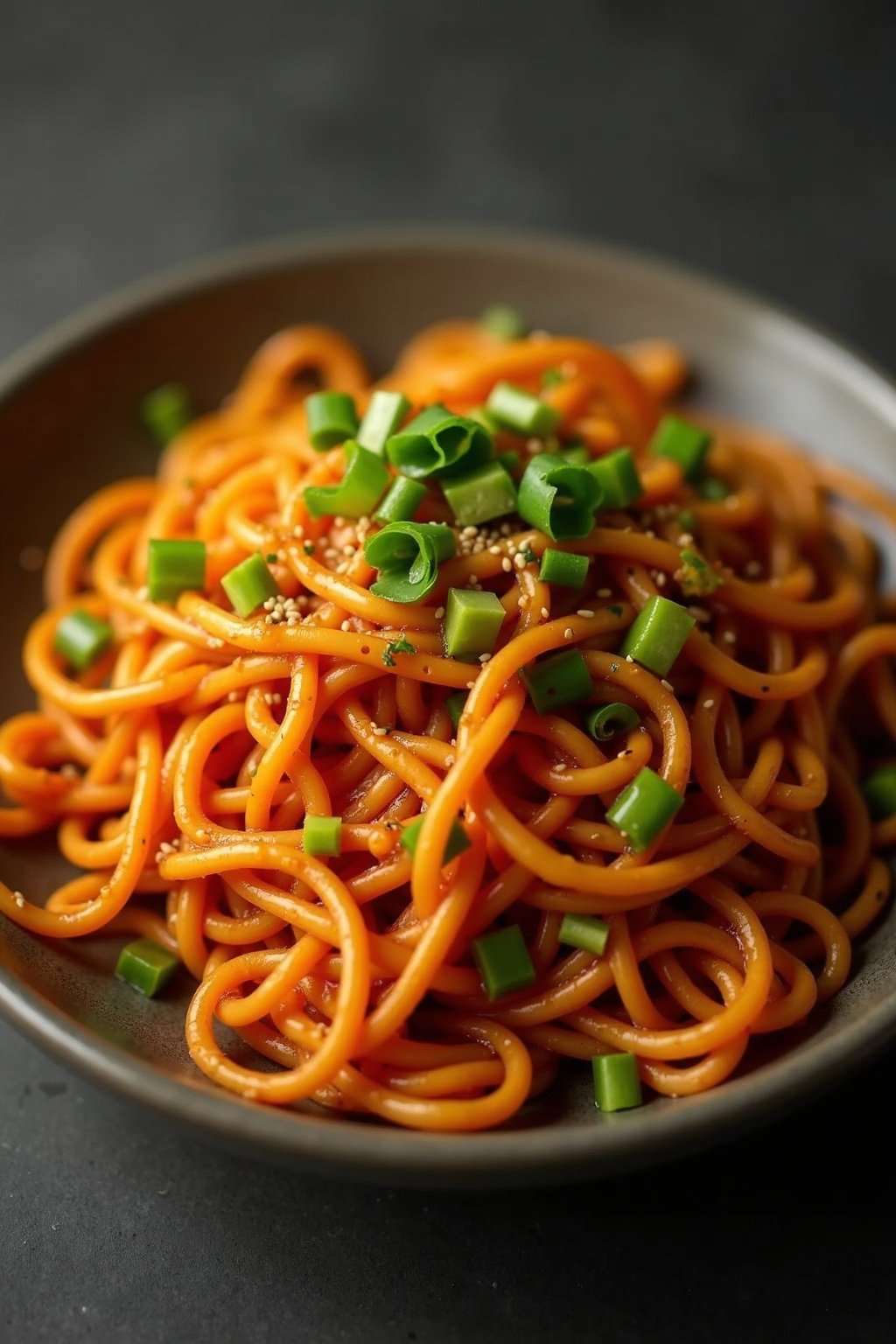

If you’re craving the bold, numbing heat of authentic Szechuan cuisine but need to watch your blood sugar, this diabetic-friendly Szechuan Noodle Salad is your new best friend! We’ve swapped out traditional wheat noodles for shirataki noodles, which are incredibly low in carbs and calories while still giving you that satisfying chewy texture. Tossed in a sauce that balances spicy chili oil, tangy vinegar, and nutty sesame, then loaded with crisp vegetables and crunchy peanuts, this cold noodle salad is perfect for meal prep, hot summer days, or anytime you want something exciting that won’t spike your glucose levels.

The beauty of this recipe is that you get all the complex flavors of traditional Szechuan cooking—that signature tingly numbing sensation from the peppercorns, the bright acidity from black vinegar, and the savory depth from soy sauce—without the blood sugar roller coaster. Plus, it’s ready in under 30 minutes and tastes even better after chilling in the fridge, making it an ideal make-ahead lunch option.
Why This Recipe is Diabetic-Friendly
This Szechuan Noodle Salad has been carefully adapted to support healthy blood sugar management:
- Shirataki Noodles: Made from konjac yam, these miracle noodles contain virtually zero digestible carbs and have a glycemic index of zero, meaning they won’t raise blood sugar at all.
- Fiber-Rich Vegetables: Cucumber and bean sprouts add volume, crunch, and fiber without significant carbs, helping you feel full and satisfied.
- Healthy Fats: Sesame oil and peanuts provide heart-healthy fats that slow digestion and help prevent blood sugar spikes.
- Protein from Peanuts: The chopped peanuts add plant-based protein and healthy fats that contribute to better glycemic control.
- Low-Sodium Soy Sauce: Using reduced-sodium soy sauce helps manage blood pressure, which is especially important for people with diabetes.
- Portion-Controlled: With only about 8g net carbs per generous serving, this salad fits easily into most diabetic meal plans.
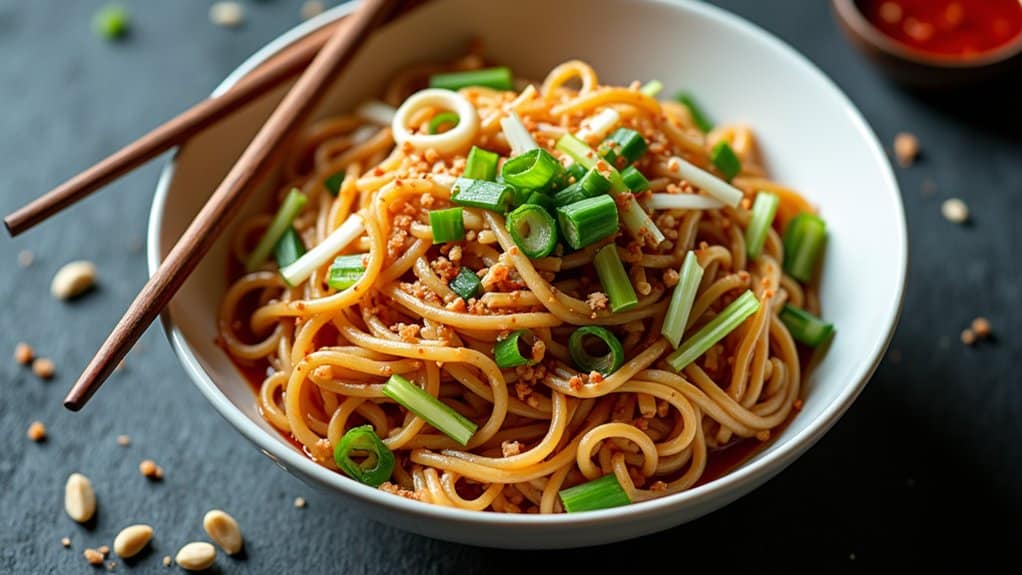

Diabetic-Friendly Szechuan Noodle Salad
Ingredients
Equipment
Method
- Open the package of shirataki noodles and drain them in a colander. Rinse thoroughly under cold running water for 2 minutes to remove any odor. Pat dry with paper towels or a clean kitchen towel.
- Heat a dry skillet over medium-high heat. Add the rinsed shirataki noodles and dry-roast for 2-3 minutes, stirring frequently, to remove excess moisture. Transfer to a large bowl and set aside to cool.
- In the same dry skillet over medium heat, toast the Szechuan peppercorns for 1-2 minutes until fragrant, shaking the pan frequently to prevent burning. Remove from heat and let cool slightly.
- Grind the toasted Szechuan peppercorns using a mortar and pestle or spice grinder until coarsely ground.
- In a large mixing bowl, whisk together the low-sodium soy sauce, Chinese black vinegar, sesame oil, minced garlic, grated ginger, chili oil, and ground Szechuan peppercorns until well combined.
- Add the cooled shirataki noodles to the bowl with the sauce and toss thoroughly with tongs or chopsticks until the noodles are evenly coated.
- Add the sliced green onions, chopped peanuts, julienned cucumber, and bean sprouts to the noodles. Toss everything together until well mixed and all ingredients are coated with the sauce.
- Cover the bowl and refrigerate the noodle salad for at least 30 minutes (or up to 4 days) to chill thoroughly and allow the flavors to meld together.
- Before serving, toss the salad briefly to redistribute the sauce. Taste and adjust seasoning if needed, adding a bit more chili oil for extra heat or a splash of vinegar for more tang.
Nutrition
Notes
Tried this recipe?
Let us know how it was!Chef’s Tips for Perfect Szechuan Noodle Salad
- Rinse Shirataki Noodles Thoroughly: These noodles come packed in liquid with a distinctive smell. Rinse them under cold water for at least 2 minutes and pat dry to eliminate any odor.
- Dry-Roast for Better Texture: After rinsing, dry-roast the shirataki noodles in a hot pan for 2-3 minutes to remove excess moisture and improve their texture.
- Toast Your Peppercorns: Don’t skip toasting the Szechuan peppercorns—this releases their aromatic oils and creates that signature numbing sensation. Watch them carefully so they don’t burn.
- Adjust the Heat: Start with less chili oil if you’re sensitive to spice, then add more to taste. You can always add heat, but you can’t take it away!
- Make It a Meal: Add grilled chicken, shrimp, or tofu for extra protein to make this a complete, blood-sugar-friendly meal.
- Prep in Advance: This salad keeps beautifully in the refrigerator for 3-4 days and actually tastes better as the flavors meld, making it perfect for meal prep.
- Cucumber Prep: Salt your julienned cucumber lightly and let it sit for 10 minutes, then squeeze out excess water. This prevents your salad from becoming watery.
Storage Instructions
Store your Szechuan Noodle Salad in an airtight container in the refrigerator for up to 4 days. The flavors will continue to develop and intensify over time. If you’re meal prepping, consider storing the peanuts separately and adding them just before eating to maintain their crunch. Give the salad a good toss before serving, as some sauce may settle to the bottom. This salad is best served cold or at room temperature—avoid reheating as it will lose its refreshing quality.
History of Szechuan Noodle Salad
The origins of Szechuan noodle salad can be traced to Sichuan Province in southwestern China, where cold noodle dishes emerged as a revitalizing alternative to the region’s characteristically spicy-hot cuisine.
During the Ming Dynasty (1368-1644), street vendors began serving these cooling noodle dishes to merchants and travelers seeking relief from Sichuan’s humid climate. Combining chili oil, vinegar, and aromatic spices created a unique balance that became a local favorite.
By the mid-20th century, this invigorating dish had evolved to incorporate regional ingredients and modern interpretations. Local families would gather during summer festivals to share their versions, each adding their own special touch to the traditional recipe.
Today, Szechuan noodle salad has gained international recognition, appearing on menus from Beijing to New York City.
Serving Suggestions
This versatile Szechuan Noodle Salad works beautifully as a light lunch on its own or as a side dish alongside grilled proteins. Pair it with grilled salmon or chicken breast for a complete diabetic-friendly meal. It’s also fantastic for potlucks and picnics since it’s served cold and doesn’t require reheating. For added nutrition and color, top with fresh cilantro, sliced radishes, or sesame seeds. If you want to bulk it up without adding many carbs, toss in some blanched broccoli florets or shredded cabbage. This salad also pairs wonderfully with a cup of unsweetened green tea, which complements the bold Szechuan flavors while providing antioxidants.