Published February 16, 2026 · Updated July 28, 2026
Zero grams of sugar. Full flavor. No sad aftertaste. That’s what good keto baking looks like, and it starts with choosing the right sugar substitutes for baking. Whether you’re managing blood sugar or just cutting carbs, the wrong sweetener can turn your gorgeous cake into a grainy, flat disappointment. The right one? Magic.
This guide breaks down which sweetener to choose (and which to leave on the shelf) based on what you’re baking, with every recommendation checked against how these sweeteners actually behave in the oven.
Short on time? Jump straight to the keto cheat sheet, which sweetener for which bake, or the Canadian shopping guide.
By Jon Simon, editor and food historian, creating food content since 2020. About the author. Last updated July 2026; the erythritol section reflects research through 2025 and the Canadian availability notes reflect Health Canada status as of early 2026. This guide contains an affiliate link: as an Amazon Associate, The Lunch Pro earns from qualifying purchases at no extra cost to you.
📖 Guide at a Glance
Why Ditch Sugar in the First Place?
Sugar serves three roles in baking: it sweetens, adds bulk, and aids browning and texture. That’s why you can’t just swap a cup of sugar for a few drops of stevia and call it a day.
But here’s the thing, sugar also sends your blood sugar on a roller coaster ride. For people managing diabetes, that spike matters. For anyone on keto, those carbs matter. And for the rest of us? Cutting back on added sugar is one of the simplest ways to feel better after lunch, rather than crashing at 2 PM.
The good news is that today’s sugar substitutes have come a long way. Some of them brown, caramelize, and behave almost exactly like the real thing. You just need to know which one does what.
Sugar Substitutes for Baking: The Keto Cheat Sheet
Not every sugar substitute is built for baking. Here’s a straight-up comparison of the most common sugar substitutes for baking you’ll find at the grocery store, and what they’re actually good for.
| Sweetener | Sweetness vs. Sugar | Best For | Watch Out For |
|---|---|---|---|
| Allulose | 70% as sweet | Soft cakes, chewy cookies, caramel, sauces | Slightly less sweet, may need a touch more |
| Monk Fruit Blends | 1:1 (blended) | General baking, drinks, sauces | Check what it is blended with (erythritol vs. allulose) |
| Erythritol | 70% as sweet | Crisp cookies, candies, crunchy toppings | Cooling taste at high amounts; emerging cardiovascular concerns |
| Stevia | 200 to 400x sweeter (pure) | Drinks, light sweetening, blends | Licorice aftertaste for some; use sparingly or in blends |
| Xylitol | Same as sugar (1:1) | General baking, gum | ⚠️ TOXIC TO DOGS. GI upset in large amounts |
| Sucralose (Splenda) | 600x sweeter (pure) | General cooking, drinks | Artificial; granulated Splenda adds maltodextrin (carbs) |
| Aspartame | 200x sweeter (pure) | Cold drinks, cold desserts only | Breaks down with heat, not for baking |
You Might Also Like


Which Sugar Substitute for Baking Should You Use?
🥑 Why This Guide Matters for Keto Bakers
Zero Net Carb Options: Allulose, erythritol, monk fruit, and stevia all clock in at zero net carbs per serving. That means your sugar-free brownies stay firmly within your macros.
Fat-Friendly Baking: Keto baking already leans on butter, cream cheese, and coconut oil for richness. The right sweetener lets those flavors shine without adding carbs.
Blood Sugar Stability: Unlike regular sugar, allulose and erythritol have minimal impact on blood glucose, making them solid choices for anyone watching their levels. Our sugar-free dessert guide digs deeper into this.
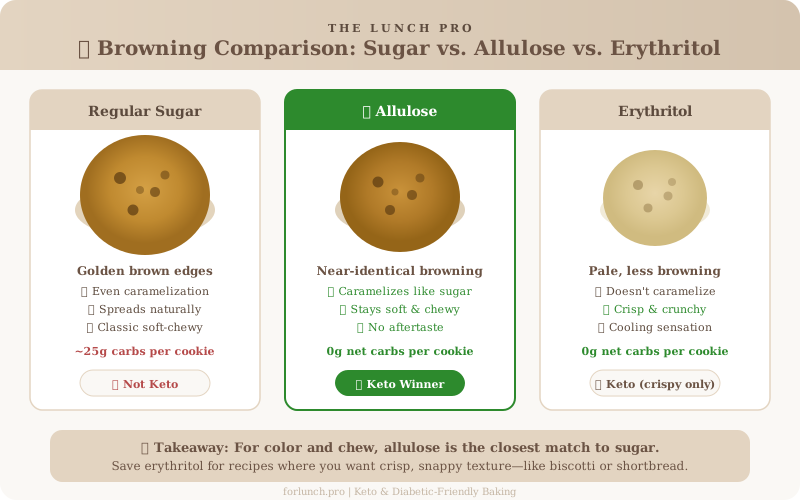
Real Browning and Texture: Allulose caramelizes and browns just like sugar, which means your flourless sugar-free brownies can look as gorgeous as they taste.
No Hidden Carbs: Be cautious with granulated Splenda and some stevia packets, they often contain maltodextrin or dextrose, which add carbs that don’t show up on the “zero calorie” label.
Pet Safety Flagged: Toxicity warnings are clearly labeled throughout this guide, including the FDA-documented danger xylitol poses to dogs, so keto baking stays safe for everyone in the house.
Which Sweetener for Which Bake?
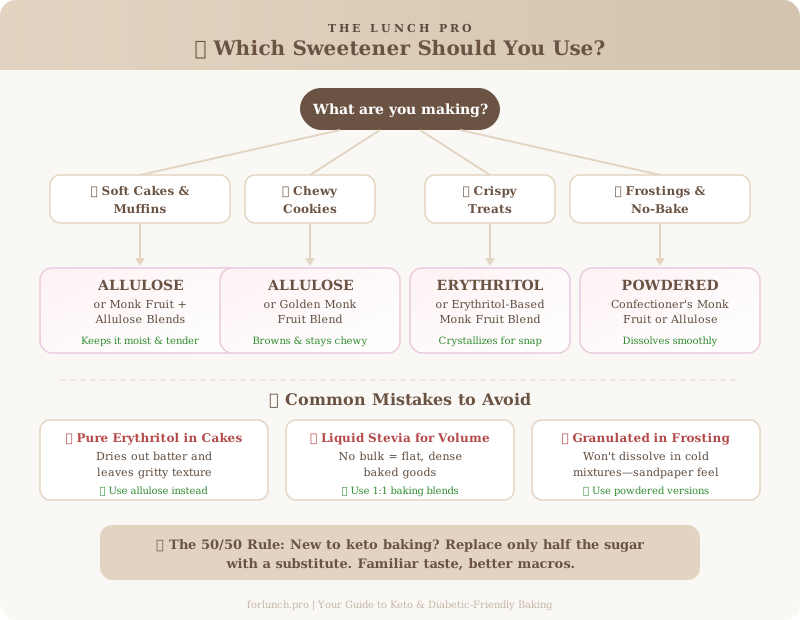
This is where most people get tripped up with sugar substitutes for baking. A sweetener that makes incredible fudgy brownies might leave your sugar cookies tasting like you licked a mint leaf. Here’s exactly what to grab based on what you’re making.
Soft Cakes, Muffins, and Quick Breads
You want moisture and a tender crumb. Reach for allulose or a monk fruit blend that uses allulose as the bulking agent. Allulose holds onto moisture the same way sugar does, so your muffins won’t turn into hockey pucks. If you’ve tried our matzo desserts, you’ve seen this in action. Avoid pure erythritol for cakes; it can dry them out and leave a gritty texture.
Chewy Cookies and Brownies
That soft, bendy, pull-apart texture? Allulose again, or a golden monk fruit blend for a brown-sugar vibe (our keto brown sugar substitute guide covers the best options). Allulose caramelizes slightly, which helps with both color and chewiness. Fair warning: your cookies probably won’t spread as much as sugar-based ones, and they’ll brown faster than you expect. Pull them out a minute or two early; they firm up as they cool.
Crisp Cookies and Crunchy Treats
Want that satisfying snap? This is erythritol’s moment. It crystallizes as it cools, giving you that crisp, crunchy texture. Monk fruit blends that use erythritol as the base work well, too. Just keep in mind that some people notice a mild “cooling” sensation at higher amounts, similar to mint, but without the flavor.
Frostings, Glazes, and No-Bake Treats
This one catches many people. Granulated sweeteners will not dissolve in cold mixtures; you’ll end up with gritty frosting that feels like sandpaper. Always use powdered monk fruit, erythritol, or allulose blends for anything that won’t be heated. Most brands sell a “confectioner’s” version specifically for this.
Drinks, Sauces, and General Sweetening
Pretty much anything works here. Liquid monk fruit or stevia drops are the most convenient; a few drops in your iced tea or sugar-free sauce, and you’re set. No measuring cups required.
The Bulk Problem (And How to Solve It)
Here’s something that trips up every new keto baker at least once: sugar doesn’t just sweeten your cake. It adds volume. A cup of sugar occupies physical space in your batter, provides structure, and helps everything rise properly.
Replace that cup with five drops of liquid stevia, and your cake will look like a pancake’s flatter, sadder cousin.
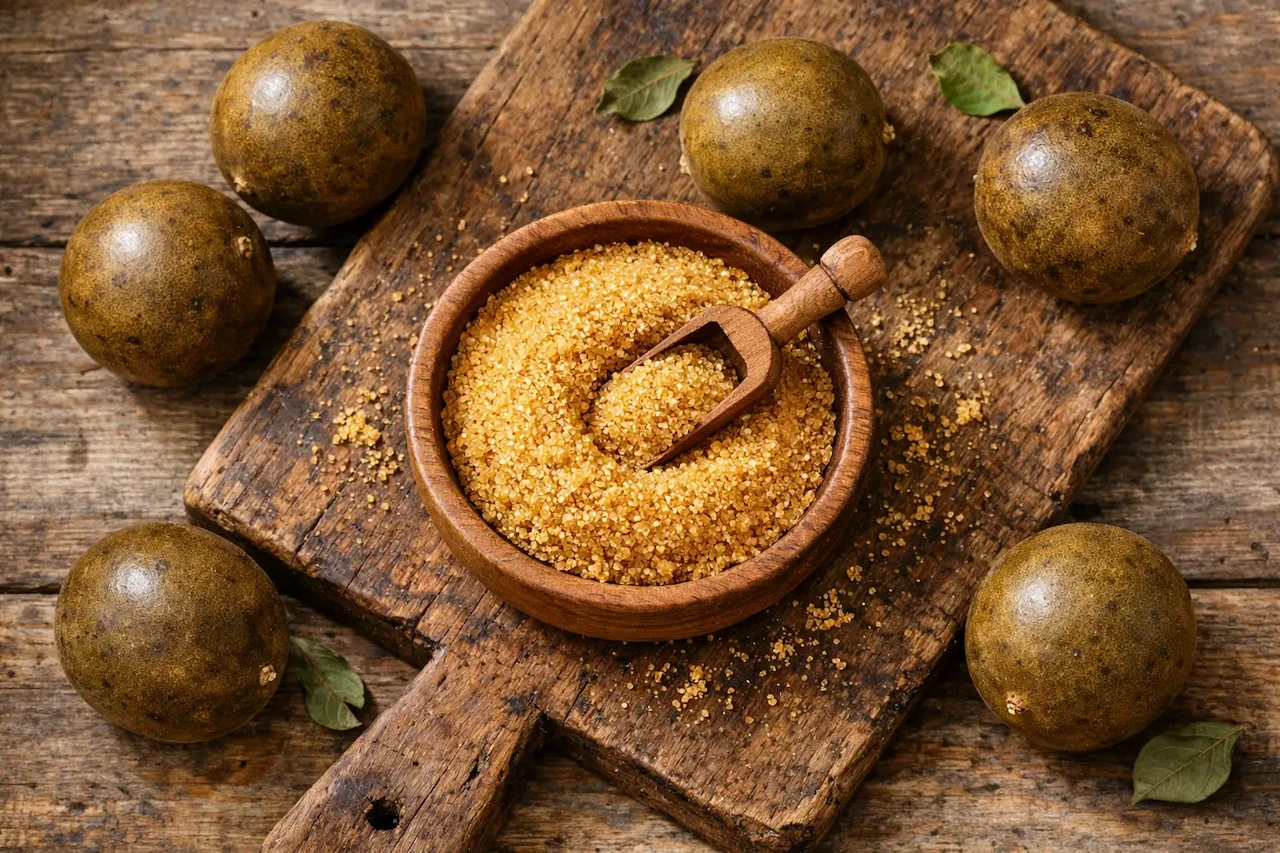
The fix is simple: always look for products labeled “1:1 Sugar Replacement” or “Baking Blend.” These mix concentrated sweeteners (such as monk fruit extract) with bulking agents (such as erythritol or allulose), so they measure cup-for-cup like sugar. Your recipes work, your cakes rise, and nobody at the table can tell the difference.
Ready to bake with them? Try our flourless sugar-free brownies or diabetic-friendly strawberry shortcake to see these sweeteners in action.
A Straight Talk About Health Considerations
Sugar substitutes for baking can be incredibly useful tools, but they’re not magic health potions. Here’s what the current research shows, without the hype or fear-mongering.
The Positives
Calorie and carb reduction: If you’re watching your intake, zero-calorie sweeteners help you enjoy treats without the metabolic impact. For keto, that means staying in ketosis. For blood sugar management, that means avoiding spikes. Our low-carb ingredient guide covers more options.
Dental health: Unlike sugar, most alternatives don’t feed the bacteria that cause cavities. Xylitol is used in dental products because it may help prevent tooth decay.
The Cautions
Digestive sensitivity: Sugar alcohols like erythritol and xylitol can cause gas, bloating, or a laxative effect, especially if you eat a lot at once. People with IBS or sensitive stomachs may want to start with small amounts and see how their body responds. If you’re packing keto treats for your work lunch, test a small batch at home first.
Erythritol and heart health: What you should know: This one’s important to address directly. Recent research, including a 2023 study published in Nature Medicine and mechanistic follow-up work, has found a possible association between elevated circulating erythritol levels and an increased risk of cardiovascular events, including enhanced clot formation. More recent genetic analyses have provided further evidence supporting this association. This doesn’t mean erythritol is “dangerous” for everyone, but if you have existing heart disease, a history of stroke, or clotting concerns, it’s worth discussing erythritol with your doctor. Allulose and monk fruit blends don’t carry these same concerns and may be better alternatives for those at higher cardiovascular risk.
The “sweet tooth” question: Some nutrition experts wonder whether regularly consuming intensely sweet substitutes keeps our taste buds calibrated to crave sweetness. The research is mixed on this, but it’s worth keeping in mind if you find yourself reaching for something sweet after every meal.
Pet safety, this one is critical: Xylitol is highly toxic to dogs. The FDA warns that even small amounts can cause rapid drops in blood sugar, seizures, liver failure, and death in dogs. If you bake with xylitol, treat it the way you’d treat chocolate, keep it completely out of your pets’ reach, and make sure everyone in your household knows.
🇨🇦 Canadian Shopping Guide: Why Can’t I Find Allulose?
If you’ve been hunting for allulose or monk fruit “baking blends” on Amazon Canada or at your local grocery store and coming up empty, you’re not imagining it. As of early 2026, here’s the deal for Canadian bakers:
The Short Answer: Health Canada classifies allulose as a “Novel Food.” It’s still going through a safety review, and until that’s done, it can’t be sold as a food ingredient or in 1:1 baking blends in Canada. It’s not banned, just not approved yet.
What You CAN Find: Pure monk fruit and erythritol are fully approved and easy to find. Check Costco, Loblaws, or Metro, look for Lakanto or Swerve brands. These are your best in-store options.
How to Get the Good Stuff: You can order allulose blends for personal use from international sites, it’s perfectly legal. Many Canadian keto bakers order from iHerb or the U.S. version of Amazon, which ship directly to Canada.
The Lunch Pro Tip: If you’re using a Canadian-available blend (usually monk fruit + erythritol), your cakes might come out slightly drier than recipes expect. Add 1 tablespoon of extra liquid (milk, cream, or water) to your batter to compensate. Problem solved.
The Bigger Picture: Allulose’s availability gap reflects a broader difference in approach, not just a shipping delay. Health Canada’s dietary guidance advises against low- and zero-calorie sweeteners generally and specifically recommends avoiding them for children under 24 months. U.S. guidance takes a more permissive view: the Dietary Guidelines for Americans and the American Diabetes Association treat non-nutritive sweeteners as an acceptable option in moderation, while still cautioning against relying on them long-term. Even the official safety limits reflect this gap: both countries calculate Acceptable Daily Intake levels from the same international FAO/WHO standards, but Health Canada and the FDA can land on slightly different thresholds for the same sweetener.
If you’re baking for a family in the U.S., every sweetener recommended in this guide already sits inside that more permissive U.S. framework. If you’re in Canada, the caution applies most directly to very young children, not to occasional baking for the rest of the household.
Chef’s Tips for Better Keto Baking
The 50/50 Rule for Beginners: Not ready to go fully sugar-free? Replace just half the sugar in your recipe with a keto sweetener. You’ll get a lower-carb result that still tastes familiar, great for easing your family into the change.
Read the Ingredients on Blends: Not all monk fruit blends are the same. Some use erythritol as the bulking agent, others use allulose. If you want soft, chewy results, look for allulose-based blends. For crispy textures, erythritol-based ones work better.
Powdered for Cold, Granulated for Heat: Frostings, whipped toppings, and no-bake cheesecakes need powdered sweetener. You can make your own by pulsing granulated sweetener in a blender for 30 seconds.
Pull Cookies Early: Keto cookies made with allulose brown faster than sugar cookies. Remove them from the oven when they still look slightly underdone, they’ll firm up as they cool on the baking sheet.
Store in Airtight Containers: Some sugar substitutes (especially erythritol) absorb moisture from the air. Keep your sweeteners sealed tight and your finished baked goods in airtight containers to maintain texture.
Don’t Fear the Math: If a sweetener is 70% as sweet as sugar (like allulose or erythritol), you may want to use about 1.3 cups for every 1 cup of sugar called for. Most 1:1 blends handle this for you, but if you’re using pure sweeteners, adjust accordingly.
📦 Storage & Shelf Life
Dry Sweeteners: Store in a cool, dry place in airtight containers. Most keto sweeteners last 2+ years unopened. Erythritol is especially prone to clumping in humid environments, toss in a food-safe silica packet if you live somewhere humid.
Liquid Sweeteners: Monk fruit and stevia drops typically last 1-2 years. Keep them away from heat and direct sunlight. No refrigeration needed for most brands.
Baked Goods Made with Substitutes: Keto baked goods generally keep 3-4 days at room temperature and up to a week refrigerated. Many freeze beautifully for up to 3 months, our sugar-free dessert recipes include specific freezing instructions.
Allulose Note: Baked goods made with allulose tend to stay softer longer than those made with erythritol, which can become more crystalline over time.
Sugar Substitutes for Baking FAQs
What is the best sugar substitute for keto baking?
Allulose and monk fruit blends are the best all-around options for keto baking. Allulose behaves most like real sugar; it browns, keeps baked goods moist, and has zero net carbs. Monk fruit blends (especially those using allulose as the bulking agent) offer 1:1 sugar replacement with no aftertaste. For crispy textures, erythritol-based blends perform better.
Can I substitute stevia for sugar in baking?
You can, but not straight across. Pure stevia is 200-400 times sweeter than sugar, so you only need a tiny amount, and it adds no bulk to your batter. For baking, use a stevia baking blend that includes a bulking agent such as erythritol, or combine a few drops of liquid stevia with allulose to achieve both sweetness and volume. Pure stevia can leave a licorice-like aftertaste for some people, so blends tend to taste more neutral.
Is erythritol safe to use in baking?
Erythritol is generally recognized as safe and has been used in food products for decades. However, recent research has identified a potential association between elevated circulating erythritol levels and cardiovascular events, including increased risk of clot formation. People with heart disease, a history of stroke, or clotting concerns should discuss erythritol use with their doctor. Allulose and monk fruit are alternatives that do not carry these same concerns.
Why did my keto cake turn out dry and crumbly?
The most likely culprit is using pure erythritol as your sweetener. Erythritol does not hold moisture the way sugar does, so cakes and muffins can dry out. Switch to allulose or an allulose-based monk fruit blend for soft, tender results. Also, make sure you are using a 1:1 baking blend rather than concentrated drops or pure extract, which do not add the bulk your batter needs to rise properly.
References & Further Reading
- Witkowski, M. et al. The artificial sweetener erythritol and cardiovascular event risk. Nature Medicine, 2023.
- U.S. Food & Drug Administration. Paws Off Xylitol; It’s Dangerous for Dogs. Consumer update.
- Health Canada. Novel foods and their regulation in Canada.
- Campos, M.J. et al. Non-sugar sweeteners and children: the current picture and controversies. Frontiers in Nutrition, 2025.
- Health Canada. Foods and beverages that undermine healthy eating. Canada’s Dietary Guidelines.
- Alberta Health Services. Sugar Substitutes. Nutrition Guideline.
Sweet Ending
Choosing the right sugar substitutes for baking used to mean sacrificing flavor for your health goals. Not anymore. With allulose for soft and chewy, erythritol for crispy, and monk fruit blends for just about everything, you’ve got real options that actually work. Start with the 50/50 rule if you’re new to this, graduate to full swaps once you find your favorites, and remember, the best keto baking happens when you stop trying to perfectly replicate sugar and start working with what these sweeteners do best.
Now go bake something. We believe in you.
A Note on Blood Sugar & Health
Medical Disclaimer: The nutritional information and diabetic-friendly adaptations provided in this article are for informational purposes only. While we strive for accuracy, we are culinary experts, not medical doctors. Individual responses to foods vary, and you should always consult with your healthcare provider or registered dietitian about dietary changes, especially if you’re managing diabetes or other health conditions. Always monitor your blood sugar as recommended by your healthcare team.


