
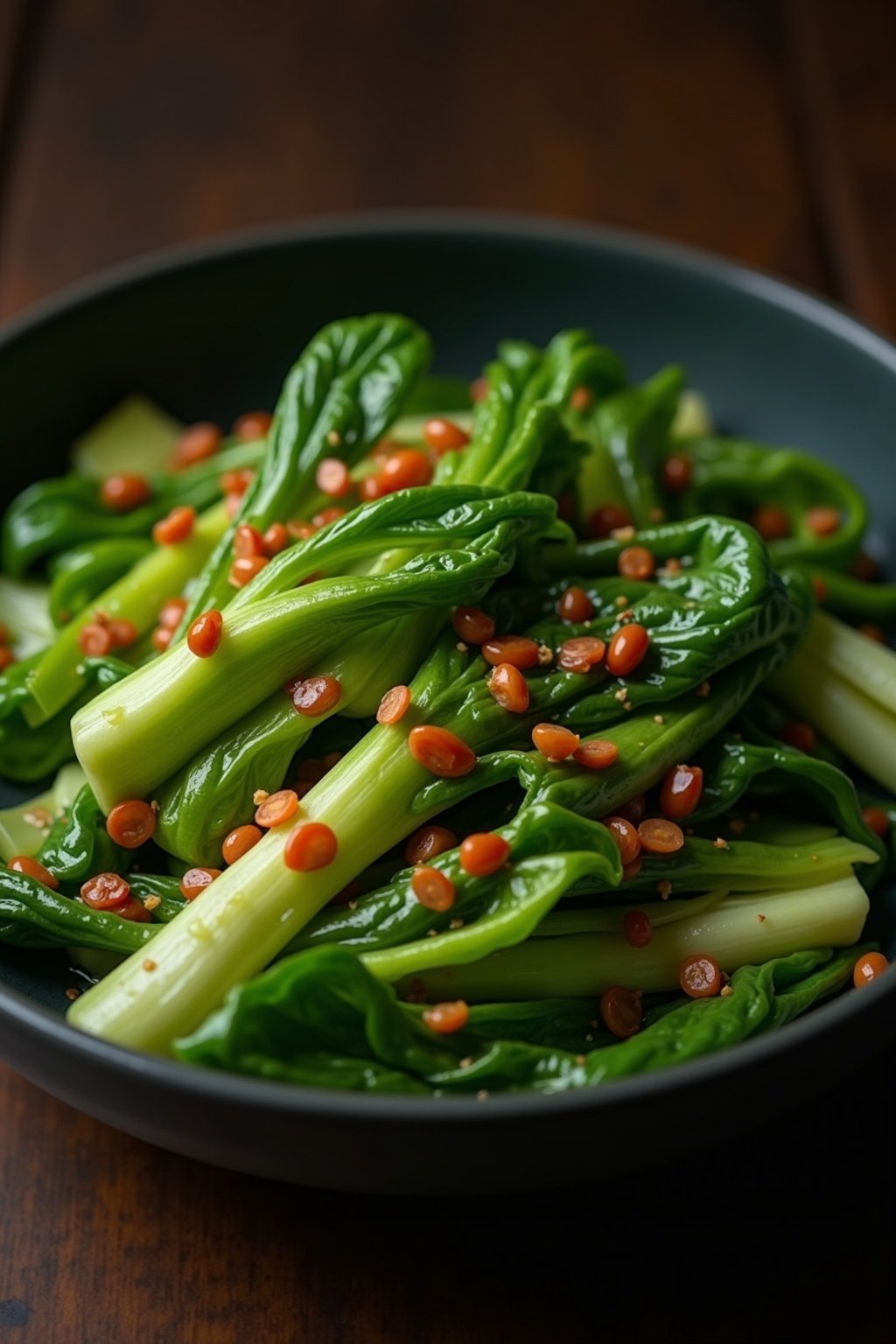
Fifteen minutes. One wok. One of the most satisfying bok choy recipes you’ll make all week. This Chinese stir-fry brings together crisp-tender bok choy, umami-rich shiitake mushrooms, and firm tofu in a savory ginger-garlic sauce — and at 8g net carbs per serving, it’s as keto-friendly as it is genuinely delicious.
This bok choy recipe works because it respects the vegetable. High heat, short time, sauce that coats rather than drowns. The result is restaurant-quality stir-fry that happens to be vegan and gluten-free with one swap, on the table before the delivery even arrives.
⏱️ Quick Stats
✓ Vegan
✓ Low-Carb
✓ Diabetic-Friendly
✓ Gluten-Free Option
🥑 Why This Bok Choy Recipe Works for Keto
Ultra-low net carbs from a nutrient-dense vegetable: Bok choy is one of the most keto-friendly vegetables you can cook with — a full pound delivers barely 3g net carbs while providing vitamins A, C, and K, plus calcium and potassium. It’s the rare vegetable that gives you serious volume and nutrition for almost no carbohydrate cost.
Tofu hits the protein target: Eight ounces of firm tofu provides around 10g of plant-based protein per serving, keeping you full without animal protein. Combined with the fiber from bok choy and mushrooms, this bok choy recipe sits squarely in the “satisfying keto meal” category, not the “sad side dish” category.
Mushrooms add umami, not carbs: Shiitake mushrooms are 4–5g net carbs per cup — and in this recipe, 8 ounces is divided across 4 servings. You get the deep, savory flavor that makes Chinese stir-fries taste complex without a meaningful carb contribution.
No sugar in the sauce: Monk fruit sweetener replaces any sugar entirely, with zero glycemic impact. Restaurant Chinese dishes often use 5–10g of added sugar in the sauce alone — this version uses none, without sacrificing the slight sweet-savory balance that makes the sauce work.
Ready in 15 minutes — and better reheated: This is one of those rare stir-fry dishes that actually holds well in the fridge. The sauce continues to penetrate the tofu overnight, making the second-day version arguably better than fresh. For vegetarian keto meal prep, it’s hard to beat.
Restaurant Bok Choy vs. This Recipe
| Nutrient | Restaurant | This Recipe | Difference |
|---|---|---|---|
| Net Carbs | 14–22g | 8g | ~60% less |
| Added Sugar | 5–10g | 0g | None added |
| Sodium | 800–1,200mg | ~380mg | ~60% less |
| Calories | 200–320 | 145 | ~100–175 fewer |
| Keto-Friendly? | ❌ Usually not | ✅ Yes | — |
| Vegan? | ❌ Often oyster sauce | ✅ Fully vegan | — |
Here’s the complete bok choy recipe — ingredients, steps, and substitution notes in one card:
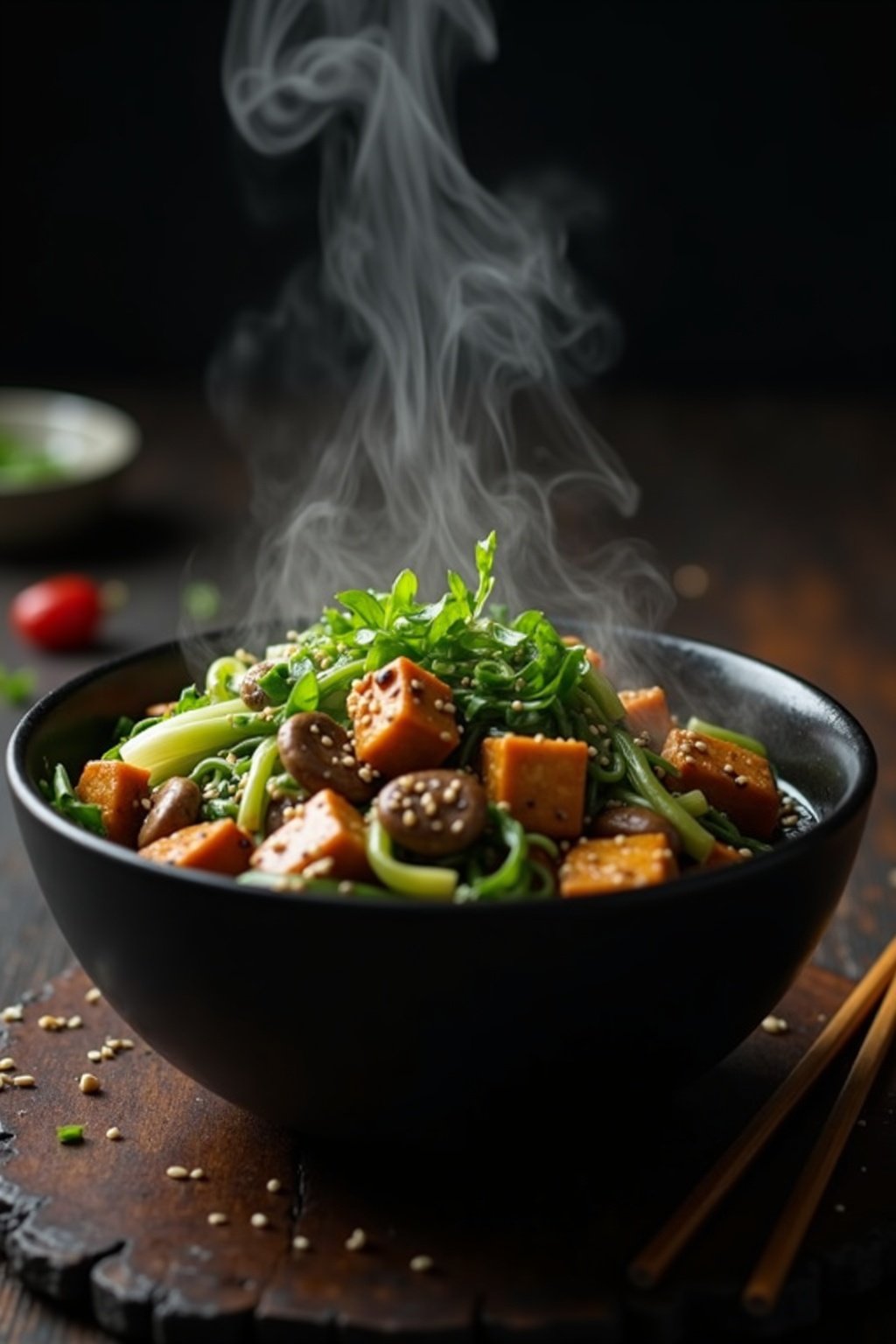

Bok Choy Recipe | Keto, Vegan & Ready in 15 Minutes
Ingredients
Equipment
Method
- Press the tofu: wrap in paper towels and place something heavy on top (a cast iron pan works well) for 15 minutes to remove excess moisture. While tofu presses, whisk together the soy sauce, monk fruit sweetener, water, sesame oil, and arrowroot powder in a small bowl until completely smooth. Set aside.
- Cut pressed tofu into 1-inch cubes. Halve baby bok choy lengthwise (or quarter regular bok choy). Mince garlic and ginger, and slice mushrooms if not already sliced. Have everything ready before the wok heats up — this recipe moves fast once it starts.
- Heat avocado oil in a wok or large skillet over medium-high heat until shimmering. Add the minced garlic and ginger, stirring constantly for 30 seconds until fragrant and just turning golden. Do not let them burn — lower heat slightly if needed.
- Add the sliced mushrooms and stir-fry for 2–3 minutes, tossing frequently, until they’re tender, slightly browned, and have released their moisture. The pan should be mostly dry before proceeding.
- Add the bok choy to the wok, arranging cut-side down where possible. Give the sauce a quick stir and pour it over everything. Reduce heat to medium and simmer for 3–4 minutes, turning bok choy once halfway through, until leaves are wilted and stems are crisp-tender (not soft).
- Gently fold in the cubed tofu and cook for 1 additional minute, just until warmed through and coated with sauce. Taste and adjust seasoning — add a splash more soy sauce for saltiness or a drop of sesame oil for richness. Serve immediately.
Nutrition
Notes
Tried this recipe?
Let us know how it was!Chef’s Tips for Perfect Bok Choy
Choose baby bok choy when you can: Baby bok choy is more tender and cooks faster — halved lengthwise, it presents beautifully and the cut sides caramelize slightly in the hot wok. Regular bok choy works fine but add 1–2 minutes and cut into quarters rather than halves so the stems cook through.
Press your tofu for at least 15 minutes: Excess moisture in tofu creates steam in the wok, which drops the temperature and prevents browning. Wrap the tofu block in paper towels, set something heavy on top (a cast iron pan works perfectly), and leave it while you prep everything else. The texture difference is significant.
Don’t overcook the bok choy: The goal is crisp-tender stems with wilted leaves — about 3–4 minutes in the sauce over medium heat. If the stems are completely soft, they’ve gone too far. The residual heat after plating will continue cooking them slightly, so pull them a touch early.
Whisk the sauce thoroughly before adding: Arrowroot powder settles quickly. Give the sauce bowl a stir right before pouring it into the wok — if it’s gone lumpy at the bottom, whisk it again. A smooth sauce means even thickening across every piece of bok choy.
Make it gluten-free: Use tamari instead of soy sauce and confirm your broth (if using) is also gluten-free. Coconut aminos is another excellent option — it’s slightly less salty and has a mild sweetness that works beautifully in this bok choy recipe, potentially letting you reduce or eliminate the monk fruit sweetener.
For extra protein without meat: Add a second block of tofu (increase to 16 oz total), or fold in a handful of shelled edamame with the tofu in the final step. Both keep this firmly vegan while pushing the protein meaningfully higher.
📦 Storage and Serving Suggestions
Refrigerator Storage: Store in an airtight container for up to 4 days. This bok choy recipe is one of the better stir-fries for meal prep — the sauce continues to infuse the tofu overnight and the bok choy holds its texture better than more delicate greens. The flavor on day two is genuinely better.
Freezer Storage: Not recommended. Bok choy becomes waterlogged when frozen and thawed, losing the crisp-tender texture entirely. Make it fresh or refrigerate for up to 4 days.
Reheating: Reheat in a skillet over medium heat for 2–3 minutes with a splash of water or broth to loosen the sauce. The microwave works in a pinch — 60–90 seconds covered — but the skillet method preserves texture much better.
Meal Prep Strategy: Double the batch on Sunday and portion into containers for the week. Serve cold over leafy greens for a no-heat lunch, or reheat and pair with a soft-boiled egg for extra protein. For a full keto Chinese meal, serve alongside the keto cauliflower fried rice.
Complete the Meal: This bok choy recipe works on its own as a light meal at 145 calories, or as a side dish alongside keto chicken stir-fry. For more plant-based Chinese options, the Mu Shu Vegetables recipe uses similar aromatics with a completely different vegetable profile.
What does bok choy taste like?
Bok choy has a mild, slightly sweet flavor with a hint of bitterness — somewhere between cabbage and spinach, but more delicate than both. The stems are crunchy and water-rich, while the leaves are tender and silky when cooked. In this bok choy recipe, the ginger-garlic sauce and mushrooms add deep savory notes that complement the vegetable’s natural freshness.
Is bok choy keto-friendly?
Yes — bok choy is one of the most keto-friendly vegetables available. A full pound contains approximately 3g net carbs. This bok choy recipe delivers 8g net carbs per serving (including mushrooms, tofu, and sauce), well within strict keto macros. It’s also vegan and gluten-free with a tamari swap.
Can I make this bok choy recipe without tofu?
Absolutely. The tofu provides protein and body, but isn’t essential to the dish. Skip it for a pure vegetable stir-fry (which slightly reduces net carbs and calories), or substitute with shrimp, sliced chicken breast, or edamame, depending on your dietary preferences. If using shrimp or chicken, add the protein before the bok choy and cook through before proceeding with the sauce.
What’s the difference between baby bok choy and regular bok choy?
Baby bok choy is simply a younger, smaller version — more tender, with a milder flavor and faster cooking time. It’s ideal for stir-fries because the leaves and stems cook at a similar rate. Regular bok choy has thicker, crunchier stems that benefit from being cut smaller and cooked slightly longer. Both work in this recipe — just add 1-2 extra minutes for regular bok choy stems.
🍽️ You Might Also Like
Keto Chinese takeout flavors, no wrapper, ready in 20 minutes.
Bamboo shoots and wood ear mushrooms — another plant-based Chinese classic.
A full collection of plant-based recipes that fit strict keto macros.
The complete low-carb Chinese recipe collection in one place.
This bok choy recipe is the kind of dish that belongs in permanent rotation — fast enough for a Tuesday night, impressive enough to serve guests, and nutritionally clean enough to meal-prep for the whole week. The 15-minute window from cold wok to dinner plate is real, not aspirational, as long as the tofu is pressed and the sauce is whisked before the heat goes on.
For more keto-friendly Chinese cooking built on the same principles, the full keto Chinese food guide has the complete collection.
Medical Disclaimer: The nutritional information provided in this article is for informational purposes only. While we strive for accuracy, individual responses to foods vary. Always consult with your healthcare provider or registered dietitian about dietary changes, especially if you’re managing diabetes or other health conditions.


