
Published May 31, 2026 · Updated August 18, 2026
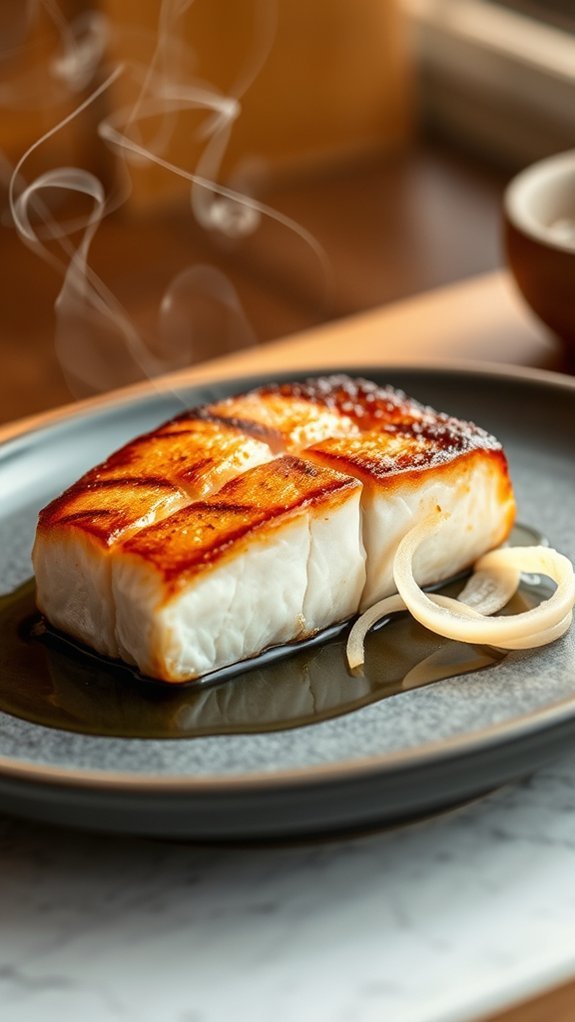
Jump to RecipeBlack cod sake kasu is the buttery Japanese restaurant classic you can make at home with five simple ingredients and a little patience. Sablefish is first cured in salt, then marinated in sake kasu, the creamy lees left over from sake brewing, until the flesh turns silky and saturated with deep, layered umami. The result is a melt-in-your-mouth fillet that tastes like fine dining, even though the hands-on work is minimal.
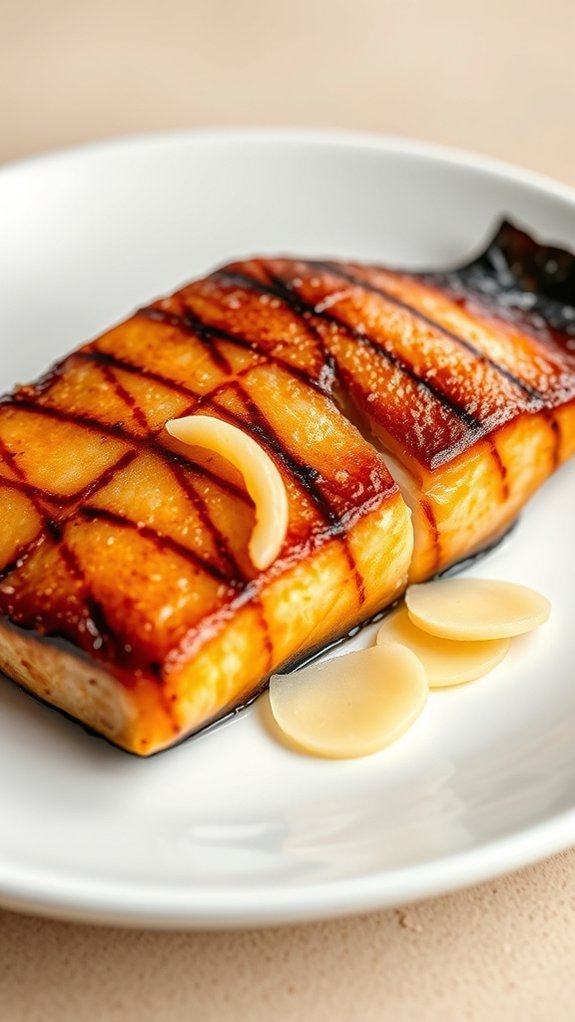
Sake kasu, also called sake lees, is the nutrient-rich paste pressed from fermented sake mash. It carries a gentle sweetness and a mild fermented note that mellows over the coals, leaving behind a savory depth that flatters the natural richness of black cod. This is a two-day process: a salt cure firms the fish on day one, then a sweet sake-kasu marinade works its magic on day two. Once it hits a hot grill, the sugars caramelize into a gorgeous golden crust. This black cod sake kasu recipe walks you through every step.
Quick Stats
Why This Recipe Works
Fermentation does the heavy lifting: The enzymes in sake kasu gently work on the surface of the fish during its day-long marinade, which is what gives black cod its signature melt-in-your-mouth texture without any complicated technique.
The salt cure builds texture: A 24-hour salt cure draws out excess moisture and firms the delicate fillet, so it holds together beautifully on the grill and takes on the marinade more evenly.
Rich in omega-3 fats and protein: Black cod (sablefish) is one of the highest omega-3 fish available, and a serving brings around 21g of protein, so the dish feels indulgent while supplying genuinely nourishing fats and lean protein.
Big flavor from five ingredients: Sake kasu, salt, sugar, water, and a little ginger are all it takes. Most of the sweet marinade is wiped away before grilling, so the finished fillet keeps its savory character and caramelised edges without becoming heavy.
Restaurant Miso Black Cod vs. This Sake Kasu Version
| Nutrient | Restaurant Miso Black Cod | This Sake Kasu Version | Difference |
|---|---|---|---|
| Calories | 400 | 300 | -100 (25%) |
| Net Carbs | 14g | 7g | -7g (50%) |
| Protein | 20g | 21g | +1g |
| Fat | 24g | 19g | -5g (21%) |
| Sugar | 12g | 6g | -6g (50%) |
Here is the full black cod sake kasu recipe with exact amounts, curing and marinating times, and the grilling method.
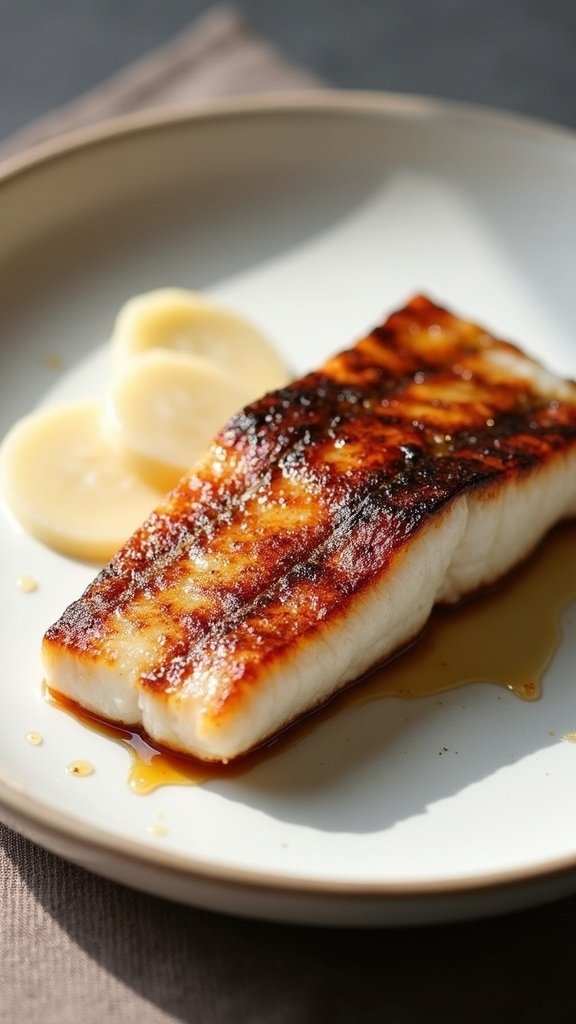

Black Cod Sake Kasu | Buttery Japanese Recipe
Ingredients
Equipment
Method
- Set the black cod pieces skin side down in a shallow dish. Sprinkle a generous layer of salt over the fish, ensuring complete coverage. Cover with plastic wrap and refrigerate for 24 hours to allow the salt to firm up the fish’s texture.

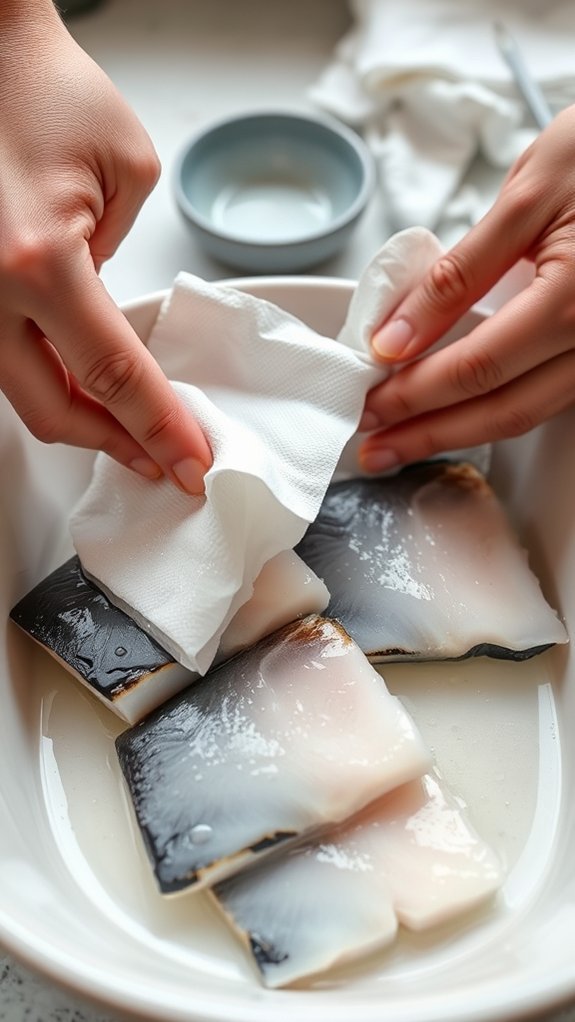
- After 24 hours, rinse the salt off the fish under cold running water. Pat the pieces completely dry with paper towels and return them to a cleaned dish.
- In a small bowl, stir together the sake kasu and sugar until smooth. Gradually add water while whisking to prevent lumps, creating a pourable marinade.
- Pour the kasu mixture evenly over the rinsed cod fillets, ensuring each piece is well coated. Cover and refrigerate for another 24 hours.
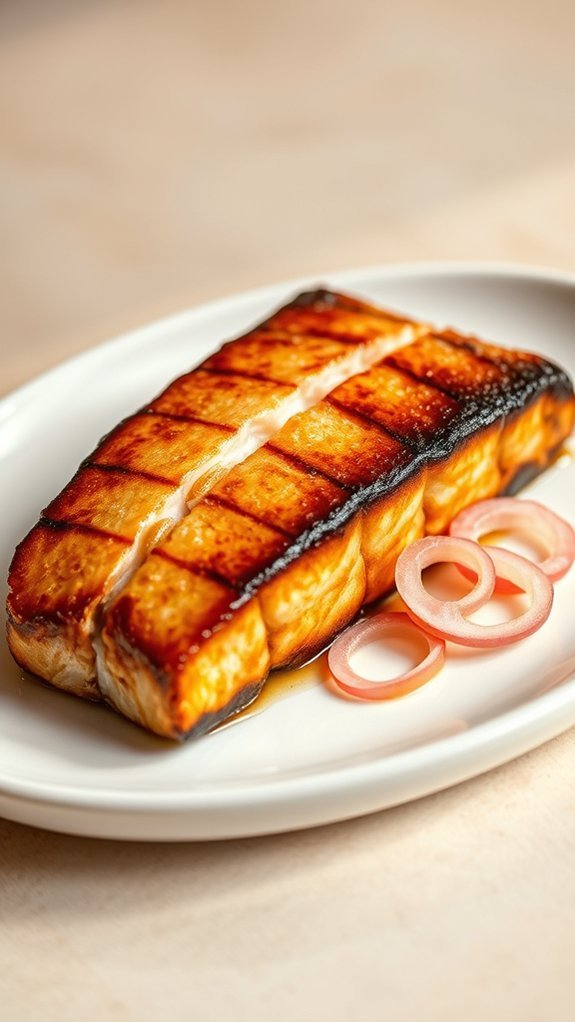
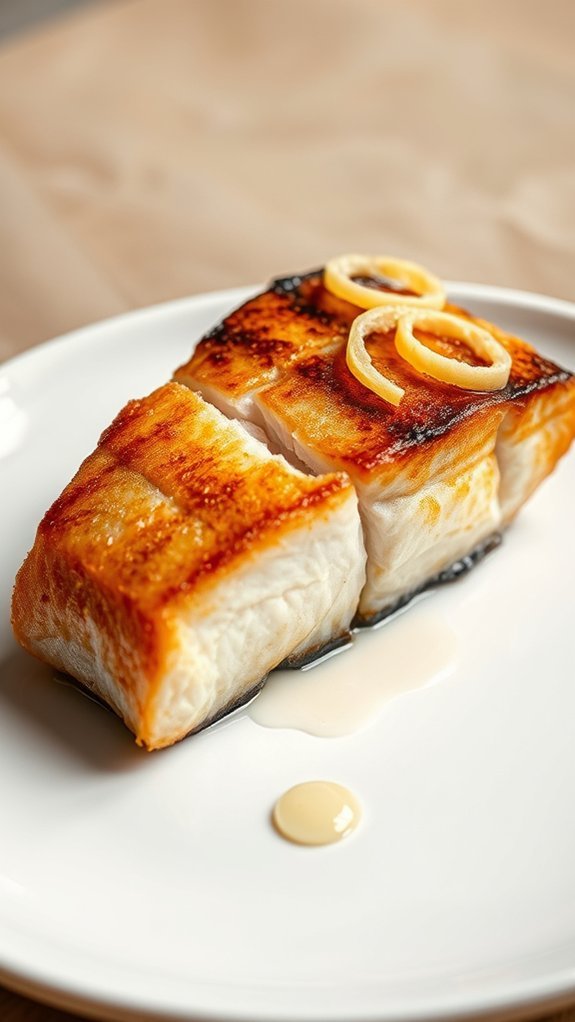
- Light the coals in your outdoor grill until they are blazing hot. Remove the black cod from the marinade, letting excess drip off. Grill the fish for about 5 minutes per side until nicely browned and just cooked through. Transfer to individual plates and top with ginger slices.
Nutrition
Notes
Tried this recipe?
Let us know how it was!Chef Tips for Perfect Black Cod Sake Kasu
Do not skimp on the salt cure: Give the fish a generous, even layer of salt and the full 24 hours. This step firms the delicate flesh and is what lets it stand up to the grill without falling apart.
Rinse and dry thoroughly: After the cure, rinse all the salt off and pat the pieces completely dry. A dry surface helps the sake kasu marinade cling evenly instead of sliding off.
Wipe off the excess before grilling: Let the marinade drip off and gently scrape away the thick paste so the fillet does not scorch. The thin film that remains is plenty to caramelise into a glossy, golden crust.
Watch the sugars on the grill: The marinade browns fast over hot coals. Grill about 5 minutes per side and keep a close eye on it, moving the fish to a cooler part of the grate if the outside colors faster than the inside cooks.
Source and store your kasu: Sake kasu keeps for a long time in the fridge, so do not worry about buying extra. If you cannot find black cod, halibut or sea bass work, though the texture will not be quite as buttery.
Storage and Serving Suggestions
Refrigerator Storage: Store cooked black cod in an airtight container in the fridge for up to 3 days. The delicate flesh is best enjoyed within a day or two while the texture stays silky.
Freezer Storage: You can freeze the fish in its sake-kasu marinade (before grilling) for up to 1 month. Thaw it overnight in the fridge, then grill as directed for a fresh-cooked result.
Meal Prep Strategy: Because the cure and marinade span two days, plan ahead and start a batch when you know you have a special meal coming. Several fillets can cure and marinate together, then grill to order.
Complete the Meal: Serve it with steamed rice and a simple green like this 15-minute bok choy, alongside cold sesame noodles, or as part of a larger Japanese-inspired spread drawn from these lighter Asian lunch ideas. For a seafood-forward dinner, pair it with garlic ginger shrimp.
Frequently Asked Questions
What does sake kasu taste like?
Sake kasu has a mild, slightly sweet and savory flavor with subtle notes of fermented rice and a gentle umami depth. It is not strongly alcoholic after cooking, as heat evaporates most of the alcohol, leaving behind a rich, complex taste.
Where can I buy sake kasu?
Sake kasu is sold at Japanese grocery stores, well-stocked Asian markets, and online retailers. Look for it refrigerated or frozen, usually near the miso and other fermented products, and note that it keeps well in the fridge.
Can I use a different fish?
Yes. Black cod (sablefish) is traditional and ideal for its buttery texture, but you can substitute other rich, fatty fish like halibut or sea bass. The texture will not be as silky, and the curing and marinating times may vary slightly depending on the fillet’s thickness.
Is black cod sake kasu gluten-free?
This recipe uses no soy sauce or wheat ingredients, so it is naturally gluten-free as written. The only thing to check is the sake kasu itself, since a few brands may contain trace amounts of gluten. Choose one labelled gluten-free if you are sensitive.
You Might Also Like
Crispy panko-crusted Japanese cutlets, another restaurant favorite made simple at home.
A comforting seafood dinner for nights you want something rich and satisfying.
Keto, 5g net carbs, and on the table fast when you need a quick seafood win.
Better than takeout in 35 minutes, a perfect noodle side for an Asian-inspired spread.
Black cod sake kasu proves that some of the most impressive dishes are also the most patient ones. A simple salt cure and a sake-kasu marinade, spread over two unhurried days, do nearly all the work, leaving you with a buttery, umami-rich fillet that rivals anything from a high-end Japanese kitchen. Once you taste what sake kasu does to good fish, it earns a permanent spot in your repertoire.
Medical Disclaimer: The nutritional information provided in this article is for informational purposes only. While we strive for accuracy, individual responses to foods vary. Always consult with your healthcare provider or registered dietitian about dietary changes.


