Published January 6, 2026 · Updated July 13, 2026
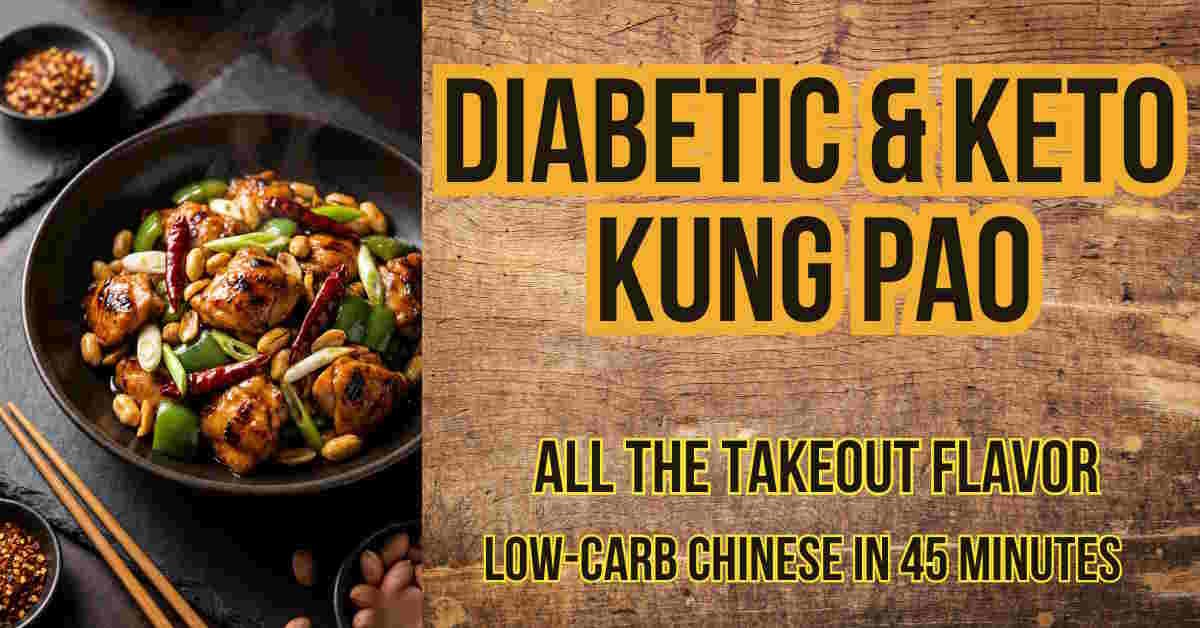
That Chinese takeout craving hits hard, but so does the blood sugar spike from all that sugar and cornstarch. This kung pao chicken recipe changes everything. Same fiery chilies, same crunchy peanuts, same savory-sweet sauce, but with only 7g net carbs and 28g protein per serving. Ready in 45 minutes, it’s faster than delivery and infinitely better for your glucose levels.
⏱️ Quick Stats
🌶️ Why This Kung Pao Chicken Works
Protein-Packed: With 28g of protein per serving from chicken thighs, this meal helps stabilize blood sugar and keeps you satisfied for hours. Thighs offer more flavor and healthy fats than breast meat while staying lean.
Smart Sauce Swap: Unlike restaurant versions loaded with sugar and cornstarch, the sauce uses sugar-free sweetener and relies on natural flavors from ginger, garlic, and chilies. No hidden carbs, no blood sugar surprises.
Capsaicin Benefits: The bird’s eye chilies contain capsaicin, which research suggests may help improve insulin sensitivity and support metabolic health. Heat with benefits.
Heart-Healthy Peanuts: Peanuts add satisfying crunch plus monounsaturated fats that support cardiovascular health, especially important for people managing diabetes. For another protein-rich Chinese dish, try Slow Cooker Beef & Broccoli.
Vegetable Power: Bell peppers deliver vitamin C and antioxidants without adding significant carbs. The fiber from vegetables helps slow glucose absorption and keeps the net carb count at 7g.
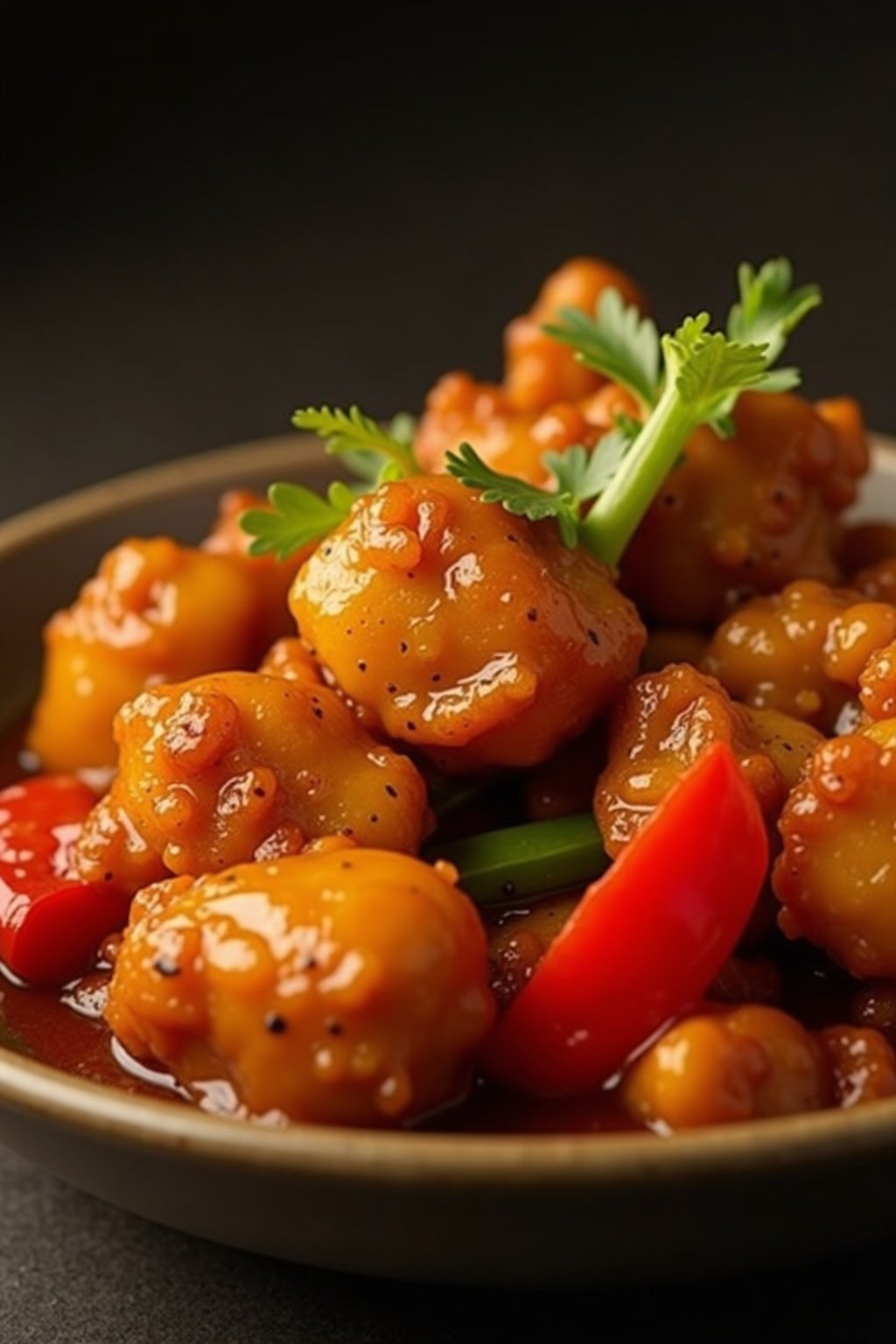

Kung Pao Chicken | Diabetic-Friendly & Better Than Takeout
Ingredients
Equipment
Method
- Using kitchen shears, carefully debone the chicken thighs by cutting along the bone and removing it completely. Remove any excess fat if desired, but keep the skin for flavor and healthy fats. Cut the chicken into bite-sized pieces, approximately 1-inch cubes.
- Season the chicken pieces generously with salt, black pepper, and ground ginger. Toss to coat evenly and set aside while you prepare the other ingredients.
- Prepare all vegetables: Cut the green bell pepper into 1-inch pieces, slice the spring onions into 1-inch segments (both white and green parts), and slice the de-seeded bird’s eye chilis. Measure out the peanuts. Set everything aside.
- In a small mixing bowl, prepare the kung pao sauce by combining soy sauce, rice vinegar, sugar-free sweetener, sesame oil, minced garlic, red pepper flakes (if using), and water. Whisk together until the sweetener dissolves. Set aside.
- Heat a large skillet or wok over medium-high heat. Once the pan is very hot (a drop of water should sizzle immediately), add the seasoned chicken pieces skin-side down. Do not move them for the first 3-4 minutes to allow a golden crust to form.
- Continue cooking the chicken, turning occasionally, until all sides are browned and the chicken is cooked through, about 10 minutes total. The internal temperature should reach 165°F. Stir occasionally to ensure even cooking.
- Add the sliced chilis to the pan and stir-fry for about 1 minute to release their heat and flavor into the oil.
- Add the green bell pepper and spring onions to the pan. Stir-fry for 3-4 minutes until the vegetables are crisp-tender but still have a slight crunch. The bell pepper should be bright green.
- Add the peanuts to the pan and toss everything together for about 1 minute to toast them slightly and warm them through.
- Pour the prepared kung pao sauce over the chicken and vegetables. Stir everything together to coat evenly. Increase heat to high and let the sauce come to a boil. Continue cooking for 2-3 minutes, stirring frequently, until the sauce reduces and thickens slightly, coating all the ingredients with a glossy finish.
- Taste and adjust seasoning if needed. Add more soy sauce for saltiness or a pinch more sweetener if you prefer a slightly sweeter profile. Serve immediately while hot, garnished with extra sliced spring onions or sesame seeds if desired.
Nutrition
Notes
Tried this recipe?
Let us know how it was!You Might Also Like

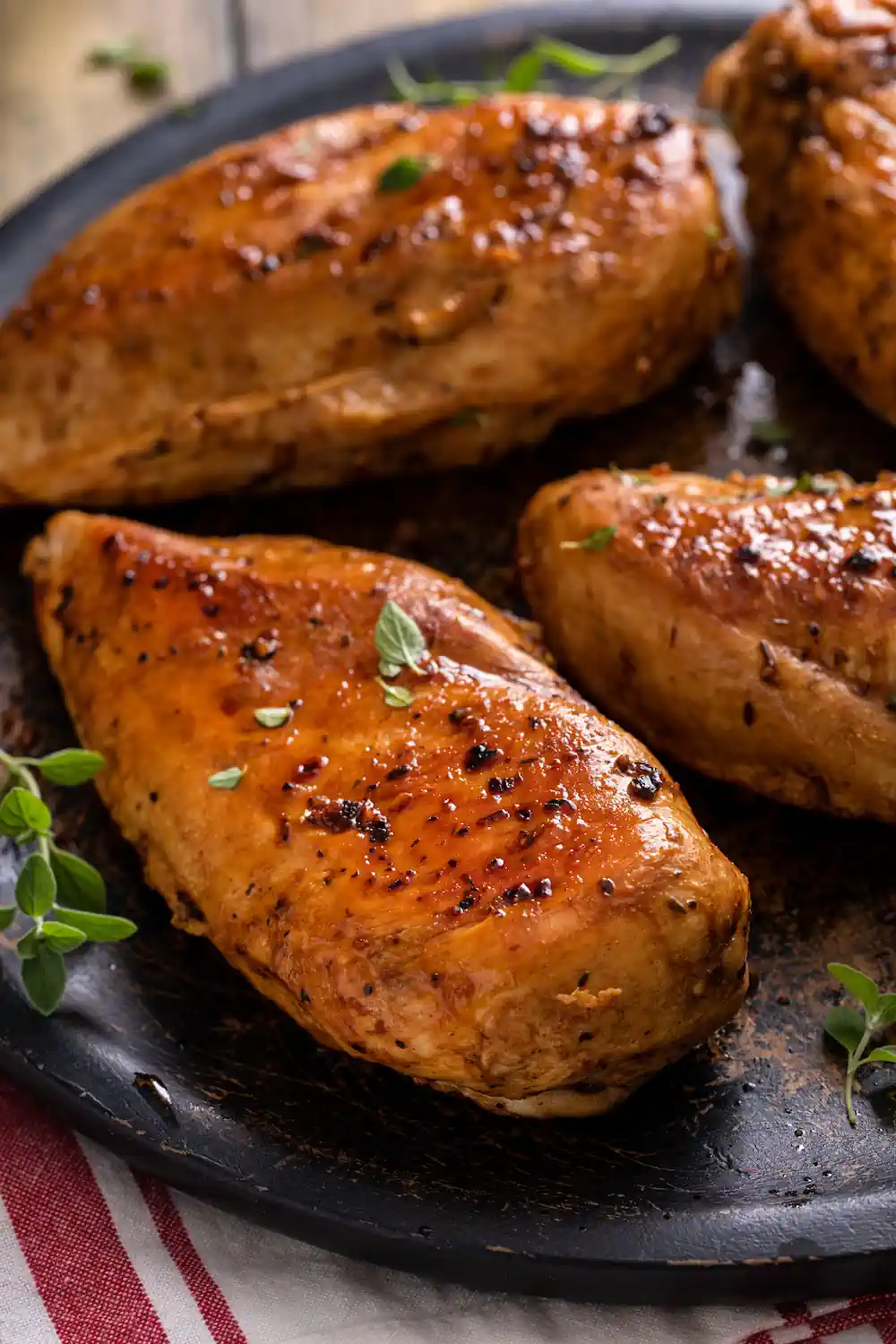
Chef’s Tips for the Perfect Kung Pao Chicken Recipe
Don’t Skip the Searing: Let that chicken sit undisturbed in the hot pan for the first 3 to 4 minutes. This creates a flavorful golden crust and prevents sticking. Patience pays off.
Control the Heat: Adjust the number of bird’s eye chilies based on your spice tolerance. Start with 2 if you’re sensitive to heat, keep all 4 if you love the burn, or add red pepper flakes for extra fire.
Sauce Consistency Matters: Let the sauce reduce until it lightly coats the back of a spoon. This concentrates flavors without needing cornstarch or other thickeners that add carbs.
Mise en Place: Kung Pao cooks fast once you start. Have all your vegetables chopped, sauce mixed, and peanuts measured before the chicken hits the pan. Stir-fry waits for no one.
Peanut Alternatives: For nut allergies, try roasted sunflower seeds or pepitas for similar crunch. Cashews or almonds also work and keep the carb count similar.
Gluten-Free Swap: Replace soy sauce with tamari (check label for “certified gluten-free”) or coconut aminos. Tamari has a similar flavor profile. Coconut aminos is sweeter and milder, so reduce the sugar-free sweetener by half if using it.
Restaurant Kung Pao Chicken vs. This Recipe
| Nutrient | Takeout (1 cup) | This Recipe | Difference |
|---|---|---|---|
| Total Carbs | 32g | 9g | -23g (72%) |
| Sugar | 18g | 3g | -15g (83%) |
| Sodium | 1,200mg | 680mg | -520mg (43%) |
| Protein | 22g | 28g | +6g (27%) |
| Added Thickeners | Cornstarch, flour | None | Zero carb thickeners |
| Diabetic-Friendly? | ❌ No | ✅ Yes | N/A |
📦Kung Pao Chicken Storage & Serving Suggestions
Refrigerator Storage: Store in an airtight container for up to 4 days. The flavors deepen overnight, making this perfect for meal prep. Divide into individual portions for grab-and-go lunches.
Reheating: Reheat gently in a skillet over medium heat to maintain texture, or microwave in 30-second intervals, stirring between each. The peanuts may soften slightly but the flavor stays bold.
Serving Ideas: Serve over cauliflower fried rice to keep carbs low (adds only 2g net carbs), or enjoy it straight from the bowl as a protein-packed meal. Pair with Steamed Fish with Ginger for a full Asian-inspired spread. For the complete collection of low-carb Chinese recipes, the keto Chinese food guide has everything in one place.
Extra Vegetables: Add steamed broccoli, bok choy, or snap peas on the side for more fiber and nutrients without significantly increasing carbs.
Family-Friendly: Family members without dietary restrictions can enjoy this over regular rice without feeling like they’re eating “diet food.” It’s that good.
Kung Pao Chicken FAQs
Can I use chicken breast instead of thighs?
Yes, but thighs are recommended for better flavor and moisture. If using breast, cut into smaller pieces and reduce cooking time by 2-3 minutes to prevent drying out. The macros will be slightly leaner with about 2g less fat per serving.
What makes this gluten-free?
Use coconut aminos instead of soy sauce for a completely gluten-free dish. Coconut aminos are slightly sweeter, so you may want to reduce the sugar-free sweetener by half. Always check labels. Some soy sauces contain wheat.
How can I make this less spicy?
Reduce the bird’s eye chilies to 1-2 and skip the optional red pepper flakes. You can also remove all the seeds from the chilies, where most of the heat is. The dish will still have great flavor from the ginger, garlic, and sauce.
Can I freeze this Kung Pao Chicken?
It freezes okay for up to 2 months, but the vegetables and peanuts will lose some texture. For best results, freeze just the chicken in the sauce and add fresh vegetables and peanuts when reheating. Thaw overnight in the refrigerator, then reheat.
Medical Disclaimer: The nutritional information and diabetic-friendly adaptations provided in this article are for informational purposes only. While we strive for accuracy, we are culinary experts, not medical doctors. Individual dietary needs vary. Always consult with your healthcare provider or a registered dietitian before making significant changes to your diet, especially if you’re managing diabetes or other health conditions.


