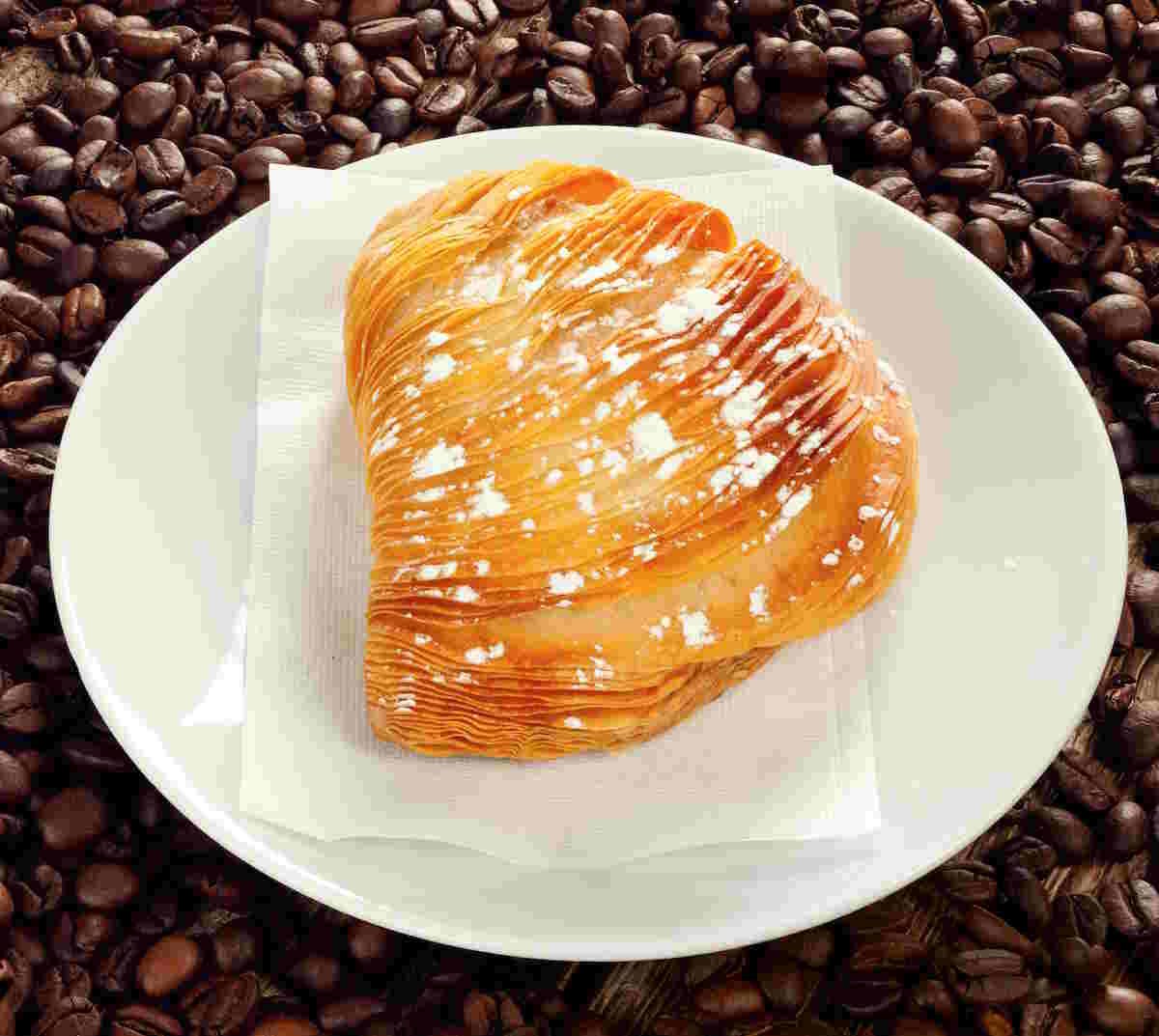
If you’ve ever walked past an Italian bakery and drooled over those shell-shaped pastries in the window,…you know the magic of sfogliatelle lobster tails. The problem? Traditional versions are basically sugar bombs wrapped in more sugar. But here’s the good news: we’ve cracked the code on making these beauties diabetic-friendly without losing that signature crispy-creamy contrast everyone loves.
⏱️ Quick Stats
What Makes This Dessert Special
These aren’t your typical low-carb pastries that taste like cardboard. We’re using a blend of almond and coconut flour to create those paper-thin, flaky layers. The filling swaps candied fruit (pure sugar) for fresh lemon zest and a touch of vanilla, while monk fruit keeps things sweet without the glucose spike. Each bite gives you that authentic Italian experience minus the diabetic drama.
🌿 Why These Sfogliatelle Lobster Tails are Low-Carb & Diabetic-Friendly
85% Fewer Carbs: Traditional sfogliatelle pack 50-60g of carbs per pastry. Our almond-coconut flour version delivers just 8g net carbs—low enough for keto and safe for diabetic meal plans. Enjoy a real Italian pastry without the glucose rollercoaster.
Zero-Glycemic Sweetener: Monk fruit erythritol blend replaces the cup-plus of sugar in traditional recipes. You get the same sweetness with zero impact on blood glucose levels.
Protein Powerhouse: Each pastry delivers 12g of protein from ricotta and almond flour—four times more than traditional versions. Protein slows digestion and helps prevent blood sugar spikes after eating.
Healthy Fat Balance: The combination of almond flour, butter, and ricotta provides satisfying fats that promote stable energy and keep you full longer. No sugar crash an hour later.
Gluten-Free by Design: Almond and coconut flour replace wheat flour entirely, making these sfogliatelle safe for celiacs and anyone avoiding gluten—a common need alongside diabetes management.
Built-In Fiber: Traditional sfogliatelle have virtually no fiber. Our version packs 4g per pastry from almond and coconut flour, further slowing glucose absorption.
Traditional Sfogliatelle vs. This Low-Carb Version
Want the classic recipe? See our traditional sfogliatelle lobster tails for the authentic Italian bakery version.
| Factor | Traditional | This Recipe | Difference |
|---|---|---|---|
| Net Carbs | 50-60g | 8g | -85% fewer |
| Sugar | 25-35g | 2g | -94% less |
| Protein | 3-4g | 12g | +300% more |
| Fiber | 0-1g | 4g | +400% more |
| Gluten | Yes (wheat) | None | 100% GF |
| Diabetic-Friendly? | ❌ No | ✅ Yes | — |

Sfogliatelle Lobster Tails | Low-Carb & Diabetic-Friendly
Ingredients
Equipment
Method
- In a large bowl or food processor, combine almond flour, coconut flour, granulated monk fruit sweetener, salt, and xanthan gum. Pulse or whisk to blend thoroughly.
- Add the cold butter pieces and cut into the flour mixture using a pastry cutter or pulse in food processor until mixture resembles coarse crumbs with pea-sized butter pieces.
- In a small bowl, whisk together the cold egg and ice water. Slowly add to the flour mixture while stirring or pulsing until dough just comes together. It will be slightly crumbly but should hold together when pressed.
- Turn dough out onto a piece of parchment paper, form into a flat disk, wrap tightly in plastic wrap, and refrigerate for at least 2 hours or up to overnight.
- While dough chills, prepare the filling. Push the ricotta through a fine-mesh sieve into a bowl to ensure smoothness and remove any graininess.
- Add the powdered monk fruit sweetener, egg, vanilla extract, lemon zest, and cinnamon to the ricotta. Beat with a whisk or electric mixer until completely smooth and creamy, about 2 minutes. Cover and refrigerate until ready to use.
- Remove chilled dough from refrigerator and let sit for 5 minutes to soften slightly. Divide dough into 2 equal portions.
- Working with one portion at a time (keep other refrigerated), roll dough between two sheets of parchment paper into a very thin rectangle, approximately 12×16 inches. The thinner the better for crispy layers.
- Remove top parchment and brush the entire surface lightly with melted butter. Starting from the short end, tightly roll the dough like a jelly roll, creating a log.
- Using a sharp knife, cut the log into 4 equal pieces, each about 3 inches long. Repeat with second portion of dough for a total of 8 pieces.
- Preheat oven to 400°F (200°C). Line two baking sheets with parchment paper.
- Take one dough piece and press your thumb into the center of the spiral end, gently stretching and shaping it into a cup or cone shape to hold filling. The layers should fan out slightly.
- Spoon 2-3 tablespoons of ricotta filling into the center of each shaped pastry. Fold the edges over to partially enclose the filling, pinching gently to seal. The shape should resemble a lobster tail.
- Place shaped pastries on prepared baking sheets, spacing them 2 inches apart. Brush the exposed dough surfaces with beaten egg yolk for a golden finish.
- Bake for 12-15 minutes, rotating pans halfway through, until pastries are golden brown and crispy. Watch carefully in the final minutes to prevent burning.
- Remove from oven and let cool on baking sheets for 5 minutes, then transfer to a wire cooling rack. Let cool for 10 minutes before dusting lightly with powdered monk fruit sweetener if desired. Serve warm or at room temperature.
Nutrition
Notes
Tried this recipe?
Let us know how it was!Chef’s Tips for Perfect Sfogliatelle Lobster Tails
Keep Everything Cold: Temperature is everything with this dough. If it warms up, the butter softens and you lose those flaky layers. Work quickly, and pop the dough back in the fridge for 15 minutes if it gets sticky.
Roll Paper-Thin: The thinner you roll, the crispier your shells. Aim for almost translucent—you should nearly see through it. Don’t worry about small tears; just patch them up and keep going.
Sieve the Ricotta: This step seems fussy but makes a huge difference. Pushing ricotta through a fine-mesh sieve removes graininess and creates that silky, professional filling texture.
Seal Tight: Press edges firmly with damp fingertips. Loose seals mean leaked filling and messy pastries. Take an extra 30 seconds per pastry—it’s worth it.
Watch Like a Hawk: These go from golden to burnt in about 90 seconds. Start checking at 12 minutes and rotate the pan for even browning. Every oven is different.
Serve Same Day: The shells lose crispness quickly. For best results, bake and serve within 24 hours. Store unfilled shells separately from filling if making ahead.
📦 Storage & Serving Suggestions
Unfilled Shells: Store baked, unfilled shells in an airtight container at room temperature for up to 2 days. They’ll stay crisp until filled.
Filling Storage: Keep the ricotta filling refrigerated separately for up to 3 days. Give it a quick stir before using.
Fill Just Before Serving: For maximum crispness, fill the shells right before you serve them. Once filled, they’re best within a few hours.
Refresh Trick: If shells have softened slightly, pop them in a 300°F oven for 3-4 minutes before filling. This crisps them back up beautifully.
Serving Temperature: These sfogliatelle lobster tails are best slightly warm. The contrast between warm, crispy shell and cool, creamy filling is perfection.
Elegant Presentation: Serve with a small dollop of sugar-free whipped cream and fresh berries. A dusting of powdered monk fruit sweetener adds bakery-style polish. Pair with espresso or unsweetened tea for an authentic Italian moment.
Perfect Occasions
These lobster tails work beautifully for special occasions when you want to impress without compromising your health goals. They’re perfect for holiday gatherings, birthday celebrations, or whenever you need a show-stopping dessert that proves diabetic-friendly doesn’t mean boring. Your guests won’t believe these gorgeous pastries fit into a low-carb lifestyle.
What’s the difference between sfogliatelle and lobster tails?
They’re the same pastry! “Sfogliatelle” is the Italian name, while “lobster tails” is the American bakery term—named for their shell-like shape. Both refer to those crispy, layered pastries filled with sweetened ricotta.
Can I make the dough ahead of time?
Yes! The dough actually benefits from an overnight rest in the refrigerator. Wrap it tightly in plastic wrap. You can also freeze the dough for up to a month—thaw overnight in the fridge before using.
Why did my shells come out soft instead of crispy?
The most common causes are: dough rolled too thick, oven temperature too low, or shells stored with filling too long before serving. Roll paper-thin, verify oven temp with a thermometer, and fill just before serving.
Can I use a different sweetener?
A monk fruit-erythritol blend works best for both the dough and the filling. Allulose is another good option. Pure erythritol can crystallize and create a grainy texture, so blends are preferred.
🍽️ You Might Also Like
The traditional Italian version
Same filling, simpler recipe
Another almond flour dessert
More Italian dessert magic