
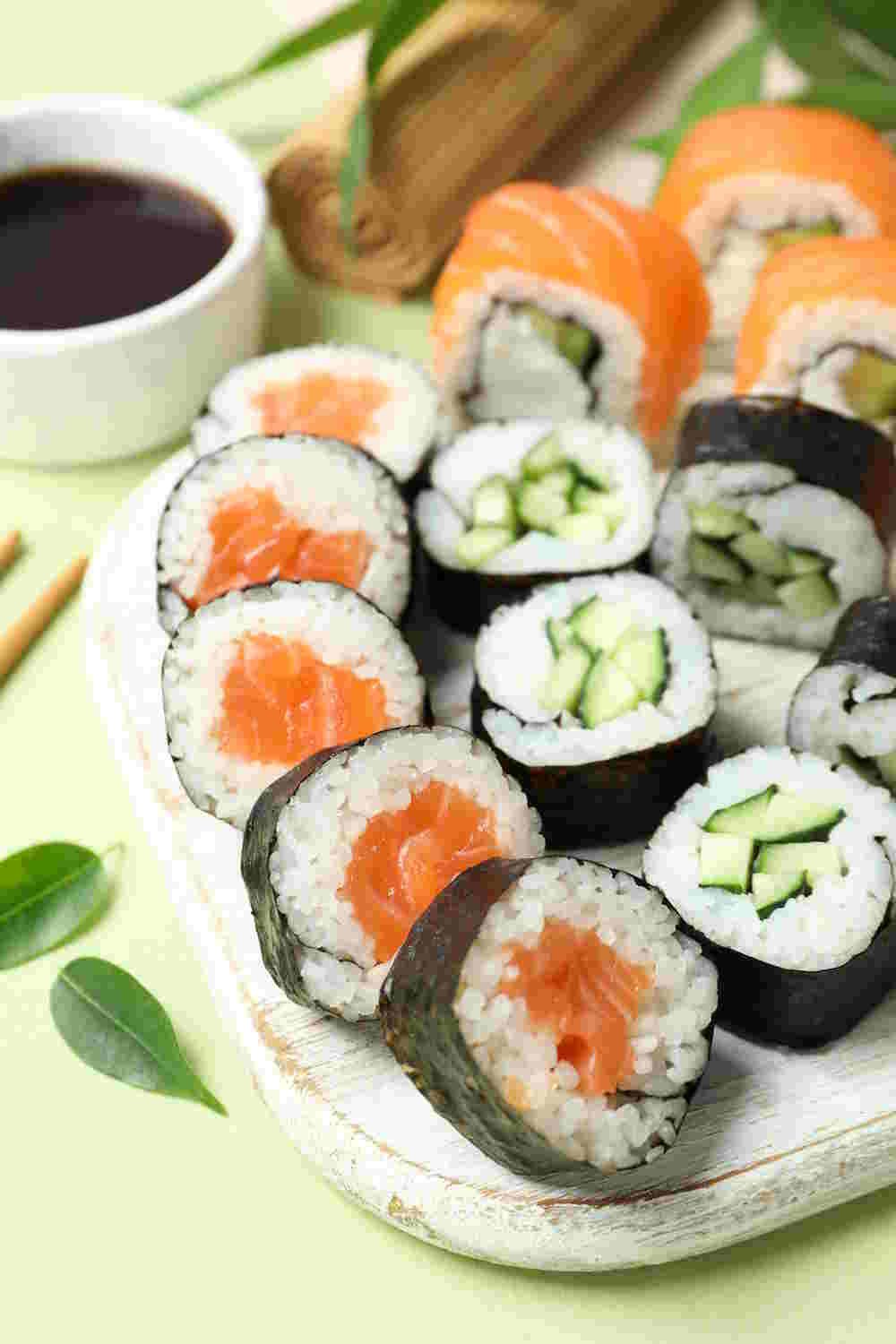
Thirty minutes. Eight grams of carbs. Real sushi flavor.
These keto sushi variations prove you can have your rolls and eat them too. By swapping traditional white rice for smart alternatives like cauliflower rice—or skipping it entirely with cucumber wraps—you get all the flavor without the carb overload.
Whether you’re a sushi veteran or rolling for the first time, these creative twists make it easy to control portions and blood sugar while satisfying those Japanese food cravings.
⏱️ Quick Stats
🌿 Why This Keto Sushi Recipe is Diabetic-Friendly
Cauliflower Rice Magic: With only 5g of carbs per cup compared to white rice’s 45g, cauliflower rice is a game-changer for blood sugar control. It provides the volume and texture you expect from sushi without the glucose spike.
Protein Power: Fresh fish and seafood deliver high-quality protein that slows digestion and helps stabilize blood sugar levels. The 15g of protein per serving keeps you satisfied and prevents the energy crashes that come from carb-heavy meals.
Heart-Healthy Omega-3s: Omega-3 fatty acids in fish support cardiovascular health, which is especially important for people managing diabetes. Salmon and tuna are particularly rich in these beneficial fats.
Fiber-Rich Vegetables: Cucumber, avocado, and bell peppers add fiber that further slows carbohydrate absorption. Avocado’s healthy fats also promote satiety and provide steady, sustained energy throughout your afternoon.
Portion Control Built-In: Making your own sushi naturally controls portions. You decide how much filling goes in each roll, making it easier to manage carb intake compared to restaurant sushi that may hide extra rice and sugary sauces.


Amazing Sushi That Won’t Spike Your Blood Sugar | Keto & Diabetic-Friendly
Ingredients
Equipment
Method
- If using cauliflower rice, heat a skillet over medium heat. Add cauliflower rice and sauté for 3-4 minutes until just tender and excess moisture evaporates. Season with rice vinegar and a pinch of salt. Transfer to a plate and let cool completely.
- Prepare all fillings: Slice cucumber into thin matchsticks. Cut avocados in half, remove pit, and slice into strips. Julienne bell peppers into thin strips. Wash and dry lettuce or sprouts. Slice fish or prepare shrimp into thin strips.
- Set up your rolling station with nori sheets, a bamboo mat (if using), and a small bowl of water for sealing and keeping fingers damp.
- For traditional-style rolls: Place one nori sheet shiny-side down on the bamboo mat. Spread a thin layer of cooled cauliflower rice over the nori, leaving a 1-inch border at the top edge.
- Arrange your chosen fillings in a horizontal line across the center of the rice layer. Use 2-3 strips of vegetables and protein per roll, keeping portions moderate.
- Using the bamboo mat, lift the edge closest to you and roll tightly over the fillings, applying gentle pressure. Continue rolling until you reach the bare nori edge. Wet the edge with a little water to seal.
- Let the roll rest seam-side down for 1 minute to seal. Using a sharp, wet knife, cut the roll into 6-8 pieces, wetting the knife between each cut.
- For cucumber wraps (rice-free option): Use a vegetable peeler to create long, wide cucumber ribbons. Lay 2-3 ribbons overlapping slightly. Place fillings at one end and roll tightly. Secure with a toothpick if needed.
- For avocado boats: Halve avocados and remove pits. Fill the cavity with diced cucumber, bell pepper, and chunks of fish or shrimp. Top with a small amount of low-sodium soy sauce and wasabi.
- Arrange sushi pieces on a serving platter. Serve immediately with small dishes of low-sodium soy sauce, wasabi, and pickled ginger on the side.
Nutrition
Notes
Tried this recipe?
Let us know how it was!Chef’s Tips for Perfect Keto Sushi
Rice Substitute Success: If using cauliflower rice, lightly sauté it for 3-4 minutes to remove excess moisture, then let it cool completely before rolling. Too much moisture makes soggy sushi! You can also squeeze it in a clean kitchen towel for extra dryness.
Rolling Made Easy: Keep a small bowl of water nearby to wet your fingers when handling nori. This prevents sticking and makes rolling much smoother. Don’t overfill your rolls—less is more for tight, professional-looking sushi.
Knife Technique: Wet your knife between each cut for clean slices. A sharp, wet blade glides through nori and fillings without squishing or tearing your beautiful rolls.
Cucumber Wrap Hack: Use a vegetable peeler to create long, thin cucumber ribbons that are flexible and easy to roll. These wraps have virtually zero net carbs—perfect for strict keto days.
Flavor Boost: Add a tiny splash of rice vinegar to your cauliflower rice (about 1 tsp per cup) to mimic traditional sushi rice flavor without added sugar. Season with a pinch of salt too.
Meal Prep Winner: Prep all your fillings on Sunday and store them separately in containers. Then you can roll fresh sushi in just 10 minutes any night of the week.
Traditional Sushi vs. Low-Carb Sushi
| Nutrient | Traditional Roll | Cauliflower Rice Roll | Difference |
|---|---|---|---|
| Total Carbs | 38g | 12g | -26g (68%) |
| Net Carbs | 35g | 8g | -27g (77%) |
| Sugar | 6g | 2g | -4g (67%) |
| Protein | 12g | 15g | +3g (25%) |
| Fiber | 2g | 4g | +2g (100%) |
| Keto-Friendly? | ❌ No | ✅ Yes | — |
Storage and Serving Suggestions for Diabetic & Keto Sushi
Best Fresh: Sushi is always best enjoyed immediately after making it. The nori stays crisp, and the vegetables retain their crunch. If you must store it, wrap individual pieces tightly in plastic wrap and refrigerate for up to 4 hours maximum.
Prep Ahead Strategy: Instead of making complete rolls in advance, prepare all your fillings and store them separately. Slice vegetables, cook your cauliflower rice, and prepare proteins. Store everything in airtight containers in the fridge for up to 2 days, then assemble rolls fresh when ready to eat.
Pack for Work: Transport prepared fillings in separate compartments of a bento box. Bring nori sheets separately (they get soggy if stored with moist ingredients). Roll your sushi at your desk for the freshest lunch possible.
Complete the Meal: Serve with a side of miso soup or a simple cucumber salad with sesame dressing. Edamame makes another great side—just watch portions as they do contain some carbs.
Diabetic, Low-Carb, Gluten Free, Dairy-Free, Paleo, Nut-Free Keto Sushi FAQs
Can I use regular rice if I’m not strictly keto?
You can mix half cauliflower rice with half regular sushi rice to cut carbs while keeping some of that traditional sticky texture. This hybrid approach gives you about 20g net carbs per serving instead of 8g—still better than traditional sushi’s 35g.
What fish is best for diabetic-friendly sushi?
Salmon and tuna are excellent choices because they’re high in omega-3 fatty acids, which support heart health. Shrimp, crab, and yellowtail also work well. Always buy sushi-grade fish from a reputable source if eating raw.
How do I make sushi rolls without a bamboo mat?
A clean kitchen towel or even plastic wrap works in a pinch. Lay it flat, place your nori on top, and use it to help lift and roll. Some people actually prefer this method because it yields tighter rolls.
Is wasabi safe for diabetics?
Yes! Real wasabi has virtually no carbs. However, most “wasabi” in North America is actually dyed horseradish, which is fine as well. Just watch the soy sauce—opt for low-sodium tamari and use sparingly, as sodium can affect blood pressure.
Final Thoughts
Keto sushi night doesn’t have to be off-limits when you’re managing blood sugar. With cauliflower rice, cucumber wraps, or avocado boats, you’ve got three delicious paths to enjoying Japanese flavors without the carb crash. Start with whichever method feels easiest, and you might just find yourself hosting a DIY sushi night that impresses everyone at the table.
🍽️ You Might Also Like
More Japanese favorites, diabetes-approved
Low-GI Japanese ingredients guide
Quick keto fish, 5 steps


