

Delicious keto-kosher desserts can transform any Seder table for all eight days while preserving traditions. Popular options include almond-flour macaroons with a sugar-free chocolate drizzle, flourless chocolate-avocado mousse, and berry-coconut matzo bark made with almond-flour crackers. Sugar-free meringue cookies, keto charoset truffles, and cinnamon-almond butter cookies provide satisfying alternatives. When paired with sugar-free berry compote and whipped coconut cream, these treats offer endless possibilities for a memorable Passover celebration.
⏱️ Quick Stats
✓ Low-Carb
✓ Diabetic-Friendly
✓ Gluten-Free
✓ Kosher for Passover
🥑 Why These Keto Passover Desserts Work
Zero sugar, zero compromise: Every recipe here swaps refined sugar for zero-glycemic alternatives like allulose, monk fruit, and erythritol — sweeteners with no impact on blood glucose that are also approved by most Passover authorities.
Flour-free by design: Passover already bans chametz, which means these desserts use almond flour, coconut, and nut butters — ingredients that happen to be perfect for keto macros too. The holiday does half the work for you.
Under 5g net carbs per serving: Traditional Passover macaroons clock in at 12g+ net carbs each. Every recipe here keeps it under 5g — most under 3g — without losing the flavors that make the Seder table memorable.
Dairy-free options throughout: Coconut cream, coconut oil, and avocado replace dairy in most of these recipes, making them pareve and suitable for serving after a meat meal.
Prep ahead friendly: Nearly all ten desserts improve with time. Make them 2–3 days before the Seder and your blood sugar — and your schedule — will thank you.
Key Keto-Kosher Sweets Highlights
- Almond-flour macaroons drizzled with stevia-sweetened dark chocolate offer a traditional yet keto-friendly option for Passover celebrations.
- Flourless chocolate-avocado mousse is a dairy-free, nutrient-dense dessert, sweetened naturally with monk fruit or stevia.
- Sugar-free meringue cookies with egg whites and monk fruit create light, airy treats that maintain kosher standards.
- Keto charoset truffles transform the traditional Passover dish into bite-sized desserts using almond flour and sugar-free ingredients.
- Berry-coconut matzo bark made with almond-flour crackers offers a crunchy, low-carb alternative to conventional Passover desserts.
In this Article
Almond Flour Macaroons With Sugar-Free Chocolate Drizzle
While traditional Passover macaroons often rely on refined sugar and conventional coconut, these keto-friendly almond flour macaroons offer a delicious alternative for kosher and low-carb lifestyles.
Beyond their delectable taste, these treats pack a nutritional punch. The benefits of almonds include healthy fats, protein, and minerals that support well-being during the holiday season.
Packed with protein, healthy fats and essential minerals from almonds, these delightful treats nourish both body and spirit during Passover celebrations.
Plus, they’re naturally gluten-free – a bonus for those with sensitivities.
The sugar-free chocolate drizzle elevates these macaroons from simple to sophisticated. Using chocolate alternatives such as stevia-sweetened dark chocolate maintains the traditional festive feel while keeping carbs in check.
The rich, glossy finish creates an elegant presentation worthy of any Seder table.
These macaroons prove that following dietary restrictions doesn’t mean sacrificing holiday traditions or flavor.
Flourless Chocolate-Avocado Mousse
The silky richness of chocolate mousse meets keto-kosher-for-Passover requirements in this innovative dessert that cleverly swaps heavy cream for creamy avocado. The result is a luxuriously smooth treat that’s both dairy-free and keto-friendly.
Beyond making this dessert pareve, avocados provide heart-healthy fats and essential nutrients that complement the antioxidant properties of dark chocolate. Monk fruit or stevia provides natural sweetness, keeping carbs low while maintaining that decadent taste.
Creative mousse variations can include a hint of mint extract, a splash of coffee, or a sprinkle of sea salt. Some families enjoy garnishing with fresh berries or toasted nuts for added texture.
For best results, serve this mousse well-chilled and watch as guests try to guess the secret ingredient.
Berry-Coconut Matzo Bark
From smooth chocolate to crunchy treats, Berry-Coconut Matzo Bark offers Passover celebrants a satisfying way to transform plain matzo into an irresistible keto-kosher dessert.
For those seeking matzo alternatives, this recipe cleverly uses almond flour-based crackers as the base, maintaining the traditional crunch while keeping carbs low. A rich layer of sugar-free dark chocolate creates the perfect foundation for colorful berry toppings and toasted coconut flakes.
The beauty of this bark lies in its versatility. Home cooks can experiment with different berry combinations – raspberries, strawberries, and blueberries all work beautifully. Some creative cooks even sprinkle crushed freeze-dried berries for an extra flavor without adding moisture that could compromise the bark’s satisfying snap.
Break into irregular pieces and serve.

Sugar-Free Meringue Cookies
Whipping up cloud-like meringue cookies brings an ethereal lightness to any Passover dessert table, especially for those following keto and kosher guidelines.
These delicate treats transform simple egg whites into sophisticated confections using modern sugar alternatives like monk fruit or erythritol.
Mastering meringue techniques is vital to achieving the perfect crispy outside, chewy inside texture. The key is to reach stiff, glossy peaks while gradually incorporating the sweetener. A pinch of kosher salt and a splash of vanilla extract enhance the flavors beautifully.
The art of meringue lies in patience and precision – stiff peaks, gradual sweetening, and subtle flavor enhancements create textural perfection.
For best results, pipe small rosettes onto parchment paper and bake at a very low temperature – patience is essential here.
These airy morsels dissolve like sweet clouds on the tongue, proving that keto-kosher desserts can be just as indulgent as their traditional counterparts.
Keto Charoset Truffles
Reimagining traditional charoset into keto-kosher truffles perfectly harmonizes the symbolic Passover dish with modern dietary needs.
This innovative take on the apple-and-wine mixture transforms the beloved Seder staple into elegant, bite-sized treats that maintain ketosis while honoring tradition.
These truffles feature keto ingredients such as almond flour, sugar-free maple syrup, and crushed walnuts. Coconut oil binds the mixture, while a touch of cinnamon and sugar-free red wine preserve authentic charoset flavors.
Different charoset variations inspire unique truffle combinations. Sephardic-style truffles feature dates and pistachios, while Ashkenazi versions embrace tart apples and pecans.
Each variety offers a sophisticated twist on time-honored recipes.
These guilt-free delights prove that maintaining dietary restrictions doesn’t mean sacrificing the joy of traditional holiday foods.
Passover Nut Cake With Sugar-Free Caramel
Every Passover table deserves a showstopping dessert, and this keto-kosher nut cake draped in sugar-free caramel delivers tradition and indulgence.
The rich, moist creation combines ground almonds and walnuts with monk fruit sweetener, creating a perfectly kosher-for-Passover masterpiece that won’t spike blood sugar.
This recipe stands out for its versatility among the many nut cake variations possible.
Bakers can experiment with different nuts or add warming spices like cinnamon and nutmeg to create their signature version.
The sugar-free toppings are where this dessert truly shines.
A velvety caramel sauce made from allulose provides the perfect finishing touch. At the same time, optional additions like sugar-free chocolate drizzle or whipped coconut cream can transform this traditional dessert into a modern keto creation.
Lemon-Poppy Seed Coconut Macarons
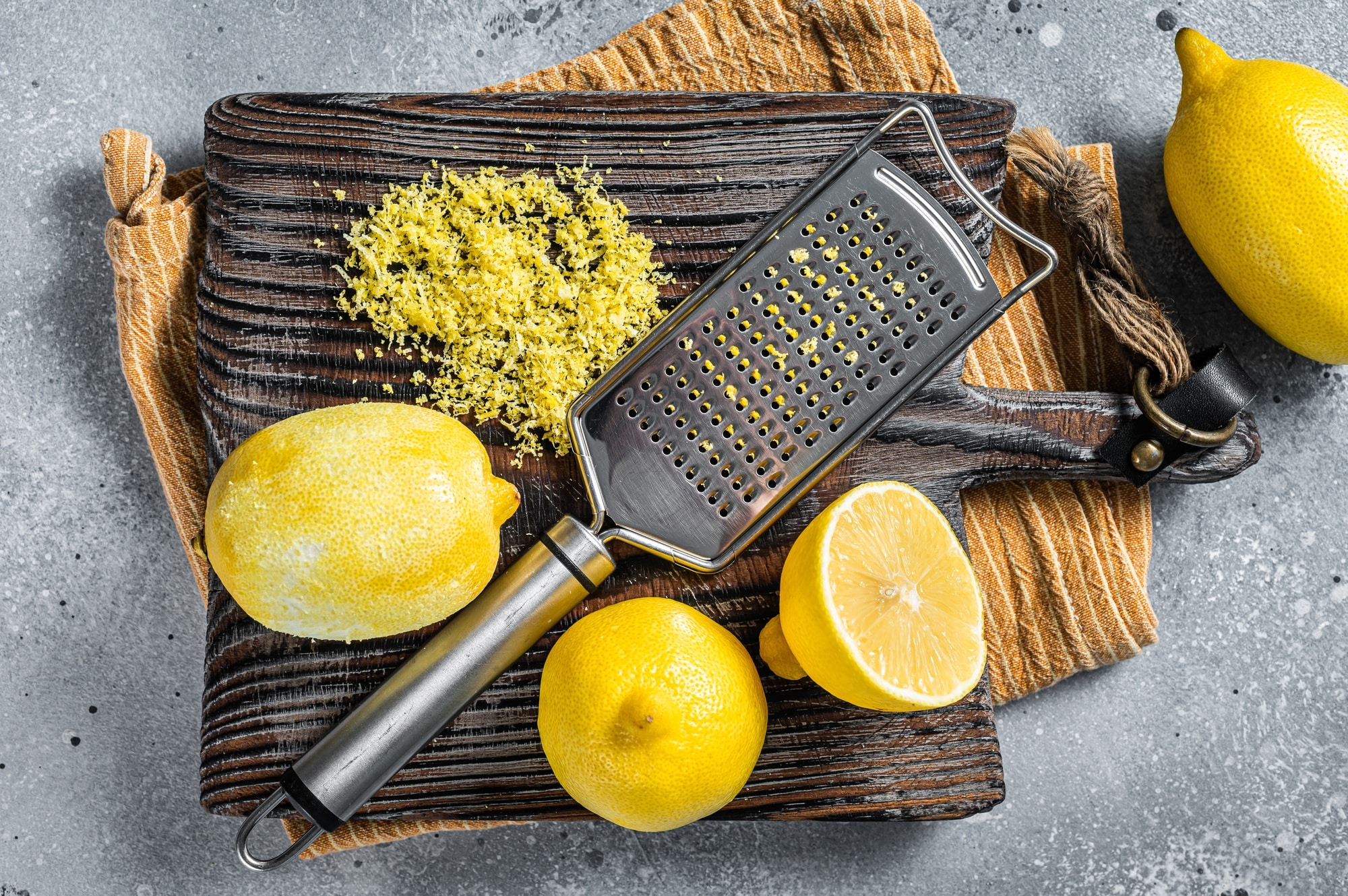
These delightfully chewy lemon-poppy seed macarons offer a bright, citrusy twist on the classic Passover coconut cookie. Packed with the immune-boosting benefits of fresh lemon zest and the calcium-rich nutrition of poppy seeds, these treats satisfy both health-conscious and traditional holiday preferences.
The secret to perfect texture is using finely shredded unsweetened coconut and whipping the egg whites until they form stiff, glossy peaks. A touch of monk fruit sweetener keeps these macarons keto-friendly without compromising their authentic taste.
For best results, let the macarons rest for 24 hours before serving. This allows the flavors to meld and the cookies to develop that characteristic crispy-outside, chewy-inside texture that makes them irresistible at the Seder table.
Dark Chocolate-Walnut Clusters
Decadent dark chocolate enrobes clusters of toasted walnuts in this elegant Passover-friendly confection that satisfies both keto and kosher requirements. The dark chocolate benefits include potent antioxidants and mood-enhancing compounds, while the walnut nutrition profile delivers heart-healthy omega-3 fatty acids and brain-boosting nutrients.
These clusters perfectly balance rich, intense chocolate and nutty crunch. The key is selecting sugar-free dark chocolate with at least 70% cacao content and carefully tempering it to achieve that satisfying snap.
For the best results, toast the walnuts until they release their natural oils and turn golden. This extra step enhances their flavor while maintaining the ideal keto macronutrient ratio, making these clusters a guilt-free indulgence for the holiday table.
Cinnamon-Almond Butter Cookies
While traditional Passover cookies often rely heavily on matzo meal, these delightfully crisp cinnamon-almond butter cookies showcase the natural sweetness of finely ground almonds instead. Their rich, buttery texture provides the perfect canvas for experimenting with various cinnamon variations, from Ceylon to Saigon.
The versatility of these cookies extends beyond the basic recipe. Creative bakers can explore nut butter combinations – cashew, macadamia, or a blend of several varieties – while maintaining the cookie’s keto-friendly profile.
The dough can be rolled thin for extra crispiness or left thicker for a more tender bite.
These treats maintain their structure beautifully throughout the Seder, making them an excellent make-ahead option for hosts who want to focus on family rather than last-minute baking.
Sugar-Free Berry Compote With Whipped Coconut Cream
A rich berry compote paired with cloud-like coconut cream offers Seder guests an elegant finale that’s wholly chametz-free and keto-friendly.
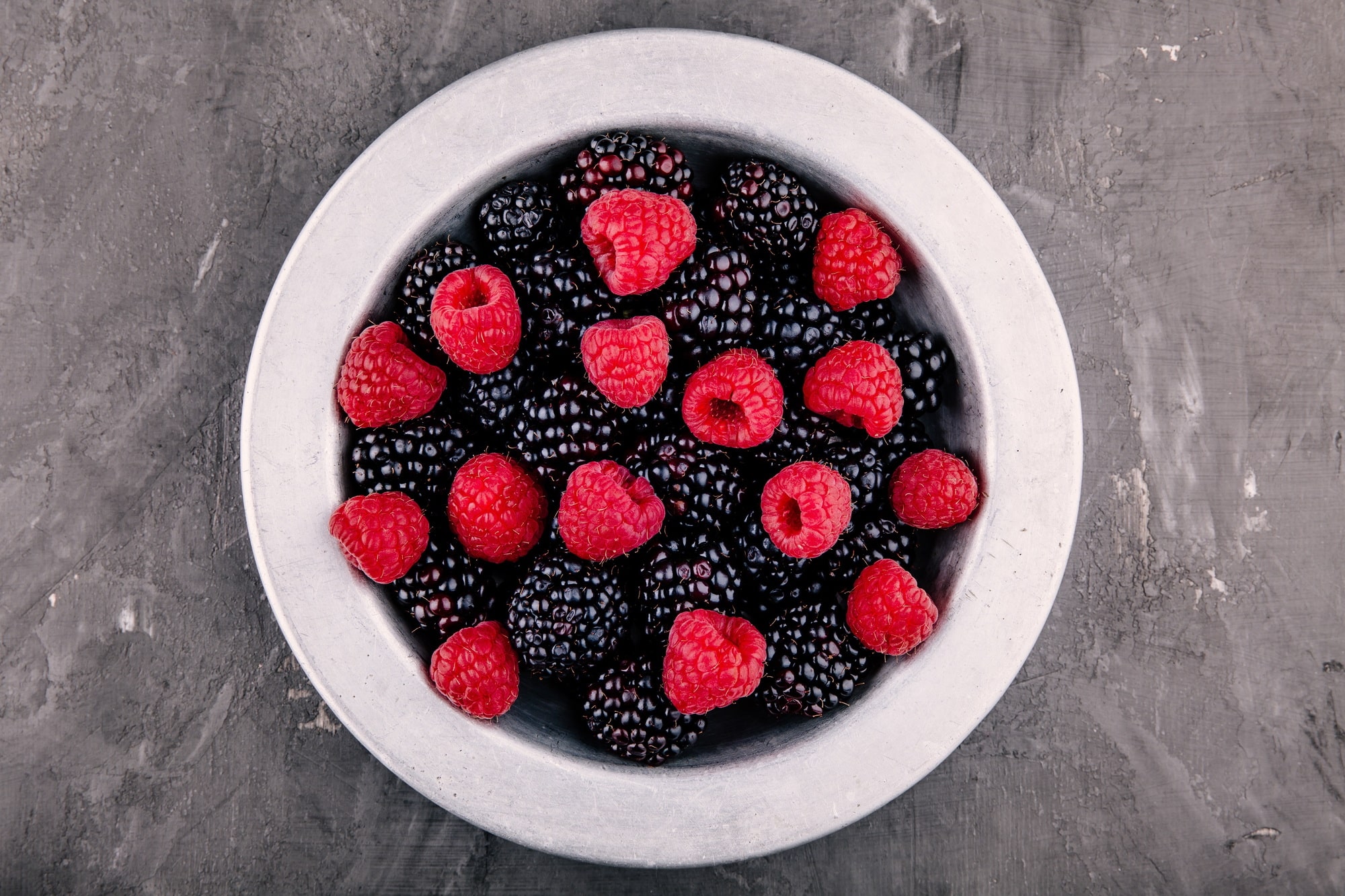
This versatile dessert accommodates a variety of berries, from raspberries and blackberries to strawberries, all sweetened with sugar alternatives such as monk fruit or stevia. The berries’ natural tartness creates a perfect balance with the creamy coconut topping.
For dessert presentation, hosts can layer the components in clear glass bowls or serve them separately, allowing guests to customize their portions. Chilled and beaten until fluffy, the whipped coconut cream provides a dairy-free alternative that accommodates multiple dietary restrictions.
Healthy toppings such as crushed almonds or mint leaves enhance visual appeal and flavor.
This dessert pairing demonstrates that Passover sweets can be both indulgent and mindful of health-conscious choices.
Tips for Keto Passover Baking
Choose your sweetener carefully: Allulose is the gold standard for baked goods — it browns and caramelizes like sugar without any blood sugar impact. Erythritol works too, but powder it first to avoid a gritty texture in cookies and truffles.
Check the Passover certification: Not all sugar-free sweeteners are approved for Passover. Look for “Kosher for Passover” on the label, especially for erythritol and monk fruit blends, which sometimes contain corn-based fillers.
Egg whites are your best friend: For meringues and macaroons, room temperature whites whip better and create more stable peaks. Make sure your bowl is completely grease-free or the whites won’t hold.
Bake low and slow for chewy centers: Most of these desserts do best at 165°C (325°F). Higher heat browns the outside before the inside sets — you want golden edges, not dark ones.
Rest before serving: Macaroons and clusters taste significantly better after 12–24 hours. Make them the day before and thank yourself at the Seder.
📦 Storage Guide for Keto Passover Desserts
Room temperature: Meringues, macaroons, and chocolate clusters keep well in an airtight container for 3–5 days. Separate layers with parchment paper to prevent sticking.
Refrigerator: Mousse, compote, and anything with coconut cream should be refrigerated and consumed within 5–7 days. Bring macaroons to room temperature before serving for the best texture.
Freezer: Almost everything here freezes beautifully for up to 3 months. Freeze on a flat sheet first, then transfer to a bag. Thaw at room temperature — never microwave delicate cookies or meringues.
Make-ahead strategy: Clusters and truffles (days 1–2 before Seder), macaroons and cookies (days 2–3 before), mousse and compote (day of or day before). You can have the entire dessert table done before Passover begins.
10 Delicious Keto-Kosher Sweets for Seder Night Q&A
What’s the Average Shelf Life of Keto-Kosher Passover Desserts?
When properly stored, most keto-kosher desserts maintain an ideal shelf life of 3-5 days. Room-temperature storage lasts 1-2 days, while refrigerated storage extends freshness up to 1 week.
Can I Prepare These Desserts More Than Two Days Before Seder Night?
Like precious gems in a vault, desserts can shine days before serving. Freezing desserts is ideal for early preparation, while storage tips include using airtight containers and refrigerating between layers of parchment paper.
Which Sugar Substitutes Are Considered Kosher for Passover?
Pure stevia, monk fruit extract, erythritol, and allulose are common kosher sweeteners approved for Passover guidelines. Some rabbinical authorities also permit specific brands of xylitol and sucralose during the holiday.
How Do I Adjust These Recipes for Large Seder Gatherings?
Hosting small gatherings versus large celebrations requires strategic adjustments to batch sizing. Multiply ingredients by guest count, maintaining portion control through precise measuring. Consider preparing extras for unexpected guests or take-home treats.
Are These Desserts Suitable for Diabetic Guests Observing Passover?
Diabetic guests can safely enjoy desserts made with sugar alternatives like stevia, monk fruit, or allulose. Mindful portion control helps maintain blood sugar levels while celebrating Passover with delectable treats.
🍽️ You Might Also Like
1g net carbs per cookie
Keto & Passover-ready
Seder plate essential
Jewish penicillin, keto style
Concluding our look at 10 Delicious Keto-Kosher Sweets for Passover
While traditional Passover desserts are known for being heavy on eggs, matzah meal, and sugar, these keto-kosher alternatives prove that dietary restrictions don’t mean sacrificing flavor. Ironically, many who sample these treats can’t believe they’re sugar-free and kosher for Passover. Whether you’re following a keto lifestyle or simply seeking healthier holiday options, these ten innovative recipes transform simple ingredients into sophisticated sweets that would make any Jewish grandmother proud – even without the usual cup of sugar.
Medical Disclaimer: The nutritional information and diabetic-friendly adaptations provided in this article are for informational purposes only. While we strive for accuracy, we are culinary experts, not medical doctors. Individual responses to foods vary, and you should always consult with your healthcare provider or registered dietitian about dietary changes, especially if you’re managing diabetes or other health conditions. Always monitor your blood sugar as recommended by your healthcare team.


