
Publié le 22 janvier 2026 · Mis à jour le 14 juillet 2026
Passover desserts do not have to mean a blood-sugar spike, even when matzo and sweet wine are on the table. This guide rounds up six kosher-for-Passover sweets built mostly on natural sweeteners like monk fruit and stevia, so people watching their carbs can still finish the Seder on a sweet note. It brings together our most popular sugar-free bakes, plus two rescued reader favorites, in one place.
Inside you will find a sugar-free chocolate cake, an almond and matzo meal torte, fudgy brownies, a no-sugar apple kugel, naturally gluten-free almond flour cookies, and crispy honey sesame cookies. Most are diabetic-friendly and made without refined sugar. One traditional option uses honey, and we flag that clearly so you can choose what fits your table.
Quick Stats: All 6 Passover Desserts
Nutrition and diet fit vary by recipe, so check each card. The honey sesame cookies are sweetened with honey and are not sugar-free.
Why These Passover Desserts Work
Natural sweeteners do the heavy lifting: Monk fruit and stevia add real sweetness with little to no effect on blood glucose, so the chocolate cake, torte, brownies, and kugel taste like a treat without the refined sugar of a traditional Seder dessert.
Nut flours add protein and structure: Almond meal and almond flour bring heart-healthy fats and protein, which is why the torte and the almond flour cookies feel more satisfying and complete than a plain flour-and-sugar bake.
Fruit and applesauce add moisture, not just sugar: Unsweetened applesauce and fresh apples keep sugar-free batters from drying out, which is the usual pitfall when you remove granulated sugar.
Controlled carbs by design: Most of these desserts land between 5 and 14g net carbs per serving, which makes it far easier to enjoy dessert while keeping an eye on portions and steady energy.
Typical Passover Dessert vs. These Natural-Sweetener Versions
| Per serving | Typical sugar-sweetened version | These recipes (average) | Difference |
|---|---|---|---|
| Calories | ~320 | ~130 | -190 (59%) |
| Net Carbs | ~38g | ~12g | -26g (68%) |
| Added Sugar | ~28g | under 1g* | nearly eliminated |
| Fiber | ~1g | ~2g | +1g |
Natural Sweeteners That Are Kosher for Passover
The whole approach rests on swapping refined sugar for sweeteners that do not raise blood sugar much. Stevia and monk fruit are the workhorses here: both deliver intense sweetness with little to no glycemic impact, which is exactly what you want for diabetic-friendly Passover baking. According to the U.S. Food and Drug Administration, high-intensity sweeteners such as stevia and monk fruit add sweetness while contributing few or no calories.
Date syrup, known as silan, is a traditional Middle Eastern Jewish option with a lower glycemic load than white sugar, and certified kosher-for-Passover maple syrup works when you only need a small amount. For a deeper look at swaps and ratios, see our guide to sugar substitutes for baking. Each sweetener behaves a little differently, so a quick test batch is worth it before the holiday.
Sugar-Free Matzo Meal Chocolate Cake

First up is the crowd-pleaser: a moist, rich chocolate cake built on matzo meal and sweetened with monk fruit, with strong coffee to deepen the cocoa. Beating the egg whites to stiff peaks and folding them in gently is what keeps it surprisingly light despite the matzo meal.

Sugar-Free Matzo Meal Chocolate Cake
Ingrédients
Equipment
Method
- Preheat your oven to 350°F (175°C). Line a 9-inch round cake pan with parchment paper and grease the sides with oil.
- Whisk together the matzo meal, cocoa powder, baking powder, and salt in a medium bowl.
- In a large bowl, beat the egg yolks with the monk fruit sweetener until the mixture becomes light and creamy, about 3-4 minutes.
- Add the oil, cooled coffee, vanilla extract, and almond milk to the egg yolk mixture. Stir until well combined.
- Gradually add the dry ingredients to the wet ingredients, mixing until just incorporated.
- In a separate clean bowl, beat the egg whites until stiff peaks form. This is crucial for achieving that light, fluffy texture despite using matzo meal.
- Gently fold half of the beaten egg whites into the batter, then fold in the remaining whites until combined. Be careful not to overmix and deflate the air you’ve incorporated.
- Pour the batter into the prepared cake pan and smooth the top with a spatula.
- Bake for 30-35 minutes, or until a toothpick inserted into the center comes out with a few moist crumbs (not wet batter).
- Allow the cake to cool in the pan for 10 minutes, then transfer to a wire rack to cool completely.
Nutrition
Notes
J’espère que vous avez aimé préparer cette recette !
Merci de la noter pour aider d’autres personnes à la découvrir.Serve it plain, or dress it up with fresh berries, a dusting of unsweetened cocoa, a little sugar-free whipped cream for dairy meals, or chopped toasted almonds. It keeps covered at room temperature for up to 3 days, refrigerated for up to a week, or frozen in individually wrapped slices for up to 3 months.
Almond and Matzo Meal Torte with Monk Fruit
This elegant almond and matzo meal torte leans on ground almonds and monk fruit for a naturally low-sugar, flourless-style finish to the Seder. The almonds bring heart-healthy fats and protein, so a thin slice feels genuinely satisfying.
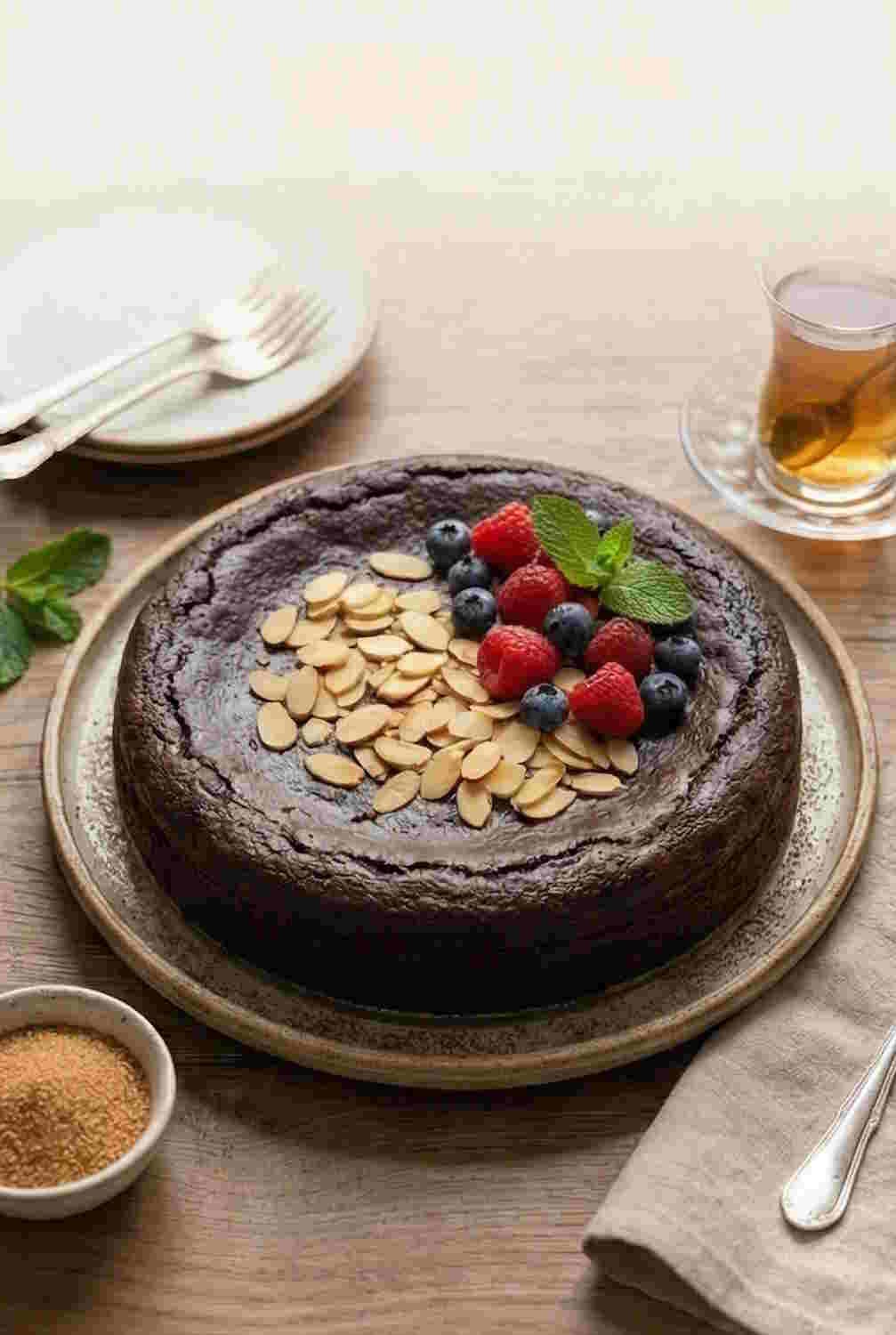
Almond and Matzo Meal Torte with Monk Fruit Sweetener
Ingrédients
Equipment
Method
- Preheat the oven to 350°F (180°C). Grease a 9-inch springform pan, line the bottom with parchment paper, and grease the paper. Evenly coat the bottom and sides with matzo meal, tapping out any excess.
- If using whole blanched almonds, pulse them in a food processor with 2 tbsp matzo meal and 1/3 cup monk fruit sweetener until very finely ground. If using packaged almond flour, simply mix it with the matzo meal and 1/3 cup of monk fruit sweetener.
- In a large bowl, beat the egg yolks with the remaining monk fruit sweetener at high speed until very light and fluffy, about 3 minutes.
- Gradually add the ground almond mixture, extracts, olive oil, and lemon zest to the yolk mixture at low speed.
- In a separate clean bowl, beat the egg whites with the salt until stiff peaks form.
- Beat 1/4 of the whites into the yolk mixture to lighten it, then quickly and gently fold in the remaining whites.
- Scrape the batter into the prepared pan and smooth the surface. Sprinkle the top with sliced almonds.
- Bake for about 40-45 minutes, or until a toothpick inserted in the center comes out clean.
- Run a small, sharp knife around the side of the cake. Transfer it to a rack and let cool completely in the pan.
- Remove the pan side and invert the cake onto a serving plate. Remove the base of the pan, then carefully peel off the parchment paper.
Nutrition
Notes
- Dust with sugar-free cocoa powder for a dramatic presentation
- Top with fresh berries and mint for a refreshing twist
- Layer with sugar-free chocolate ganache between tiers
- Serve alongside sugar-free vanilla ice cream
- Substitute hazelnuts or walnuts for half of the almonds
- Add orange zest instead of lemon for a citrusy note
- Add 1/2 teaspoon of cinnamon for a warm, aromatic touch
- For chocolate lovers, fold in 1/3 cup of sugar-free chocolate chips
J’espère que vous avez aimé préparer cette recette !
Merci de la noter pour aider d’autres personnes à la découvrir.It takes variations well: swap half the almonds for hazelnuts or walnuts, use orange zest and a splash of fresh orange juice for a citrus version, add a half teaspoon of cinnamon for warmth, or fold in sugar-free chocolate chips for chocolate lovers. The torte can be made ahead, wrapped well, and refrigerated for a few days or frozen for a couple of weeks.
Stevia-Sweetened Matzo Meal Brownies

Fudgy stevia-sweetened brownies prove a diabetic-friendly Passover treat can still taste indulgent. Unsweetened applesauce or a little mashed avocado adds the moisture that gives them their dense, fudgy texture without any added sugar.
Stevia-Sweetened Matzo Meal Brownies
Ingrédients
Equipment
Method
- Preheat your oven to 350°F (175°C). Line an 8×8-inch baking pan with parchment paper, leaving some overhang for easy removal.
- Whisk together the matzo meal, cocoa powder, salt, and baking powder in a medium bowl.
- In a large bowl, beat the eggs until light and fluffy, about 2-3 minutes.
- Add the stevia, applesauce, melted coconut oil, and vanilla extract to the eggs. Mix until well combined.
- Gradually add the dry ingredients to the wet ingredients, stirring until just incorporated. Do not overmix.
- Fold in the sugar-free chocolate chips and nuts (if using).
- Pour the batter into the prepared pan and spread evenly.
- Bake for 20-25 minutes, or until a toothpick inserted in the center comes out with a few moist crumbs (not wet batter).
- Allow the brownies to cool completely in the pan before lifting them out using the parchment paper overhang.
- Cut into 16 squares and serve.
Nutrition
Notes
- Mocha Brownies: Add 1 tablespoon of instant espresso powder to the dry ingredients.
- Mint Chocolate: Add 1/2 teaspoon of peppermint extract along with the vanilla.
- Peanut Butter Swirl: Drop 1/4 cup of sugar-free peanut butter in dollops on top and swirl with a knife before baking.
- Double Chocolate: Add an extra 1/4 cup of sugar-free chocolate chips on top before baking.
- Avocado Brownies: Replace the applesauce with 1/4 cup of mashed ripe avocado for extra creaminess.
J’espère que vous avez aimé préparer cette recette !
Merci de la noter pour aider d’autres personnes à la découvrir.The base recipe is a good template for variations: stir in a tablespoon of instant espresso for mocha brownies, add peppermint extract for mint chocolate, swirl in sugar-free peanut butter, or scatter extra sugar-free chocolate chips on top before baking. Store them in an airtight container at room temperature for up to 3 days, refrigerated for up to a week, or frozen for up to 3 months.
No-Sugar Matzo Apple Kugel
This nostalgic comfort dessert gets a no-sugar makeover that keeps the warm, apple-forward flavor intact by leaning on stevia and cinnamon instead of refined sugar. Fresh Granny Smith apples and unsweetened applesauce supply natural sweetness and moisture while keeping the carbs in check.
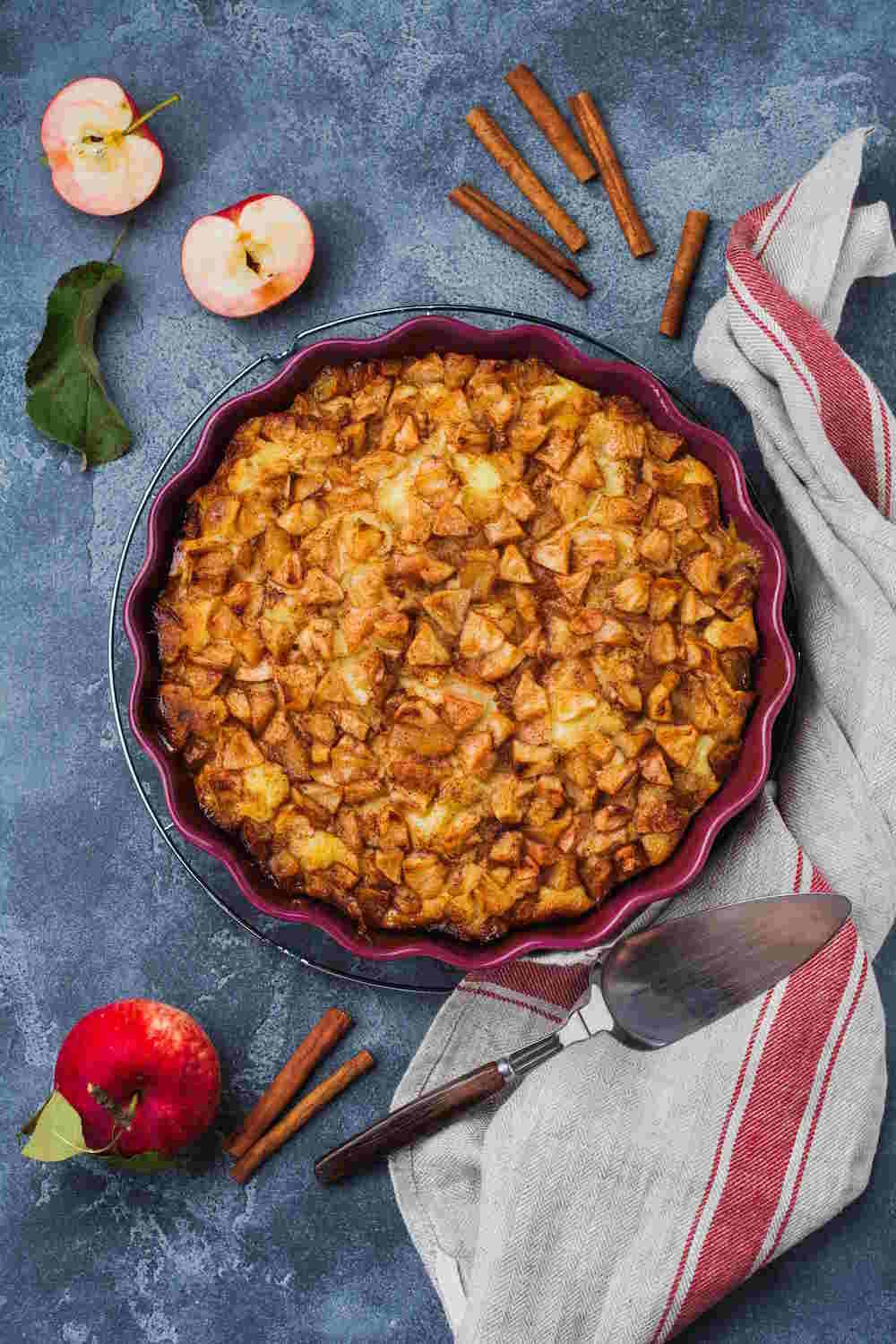
No-Sugar Matzo Apple Kugel
Ingrédients
Equipment
Method
- Preheat your oven to 350°F (175°C). Grease a 9×13-inch baking dish.
- Break the matzo sheets into 2-inch pieces and place them in a large bowl. Cover with warm water for 2 minutes, then drain well in a colander.
- Spread the soaked matzo pieces on a baking sheet and toast in the oven for 5-7 minutes until slightly crisp but not browned. This creates a delightful texture contrast between the crispy edges and tender center.
- In a large bowl, whisk together the eggs, stevia, vanilla, cinnamon, nutmeg, and salt.
- Toss the sliced apples with lemon juice in a separate bowl to prevent browning.
- Add the toasted matzo, applesauce, sliced apples, and melted coconut oil to the egg mixture. Stir gently until well combined.
- Pour the mixture into the prepared baking dish and spread evenly.
- For the streusel topping: In a small bowl, combine the chopped nuts, almond flour, monk fruit sweetener, cinnamon, and melted coconut oil. Mix until crumbly.
- Sprinkle the streusel topping evenly over the kugel.
- Bake for 40-45 minutes, until the top is golden brown and the apples are tender.
- Allow to cool for 15 minutes before serving.
Nutrition
Notes
- Berry Delight: Add 1 cup of fresh berries to the apple mixture
- Nutty Crunch: Mix 1/2 cup of chopped nuts into the kugel batter
- Spiced Version: Add 1/2 teaspoon of cardamom and a pinch of cloves
- Orange Infused: Add 1 tablespoon of orange zest to the egg mixture
J’espère que vous avez aimé préparer cette recette !
Merci de la noter pour aider d’autres personnes à la découvrir.Serve it warm as a dessert or at room temperature as a sweet side. It is easy to customize with a cup of fresh berries, chopped nuts, a pinch of cardamom and cloves, or a tablespoon of orange zest. A finishing sprinkle of sugar-free streusel made with crushed nuts and monk fruit adds a traditional touch.
Almond Flour Passover Cookies
These naturally gluten-free almond flour cookies are one of two rescued reader favorites we kept from our older Passover guides, and they come together in about 30 minutes. Because they are made with almond flour rather than matzo meal, they suit guests who avoid wheat as well as those watching their sugar intake.
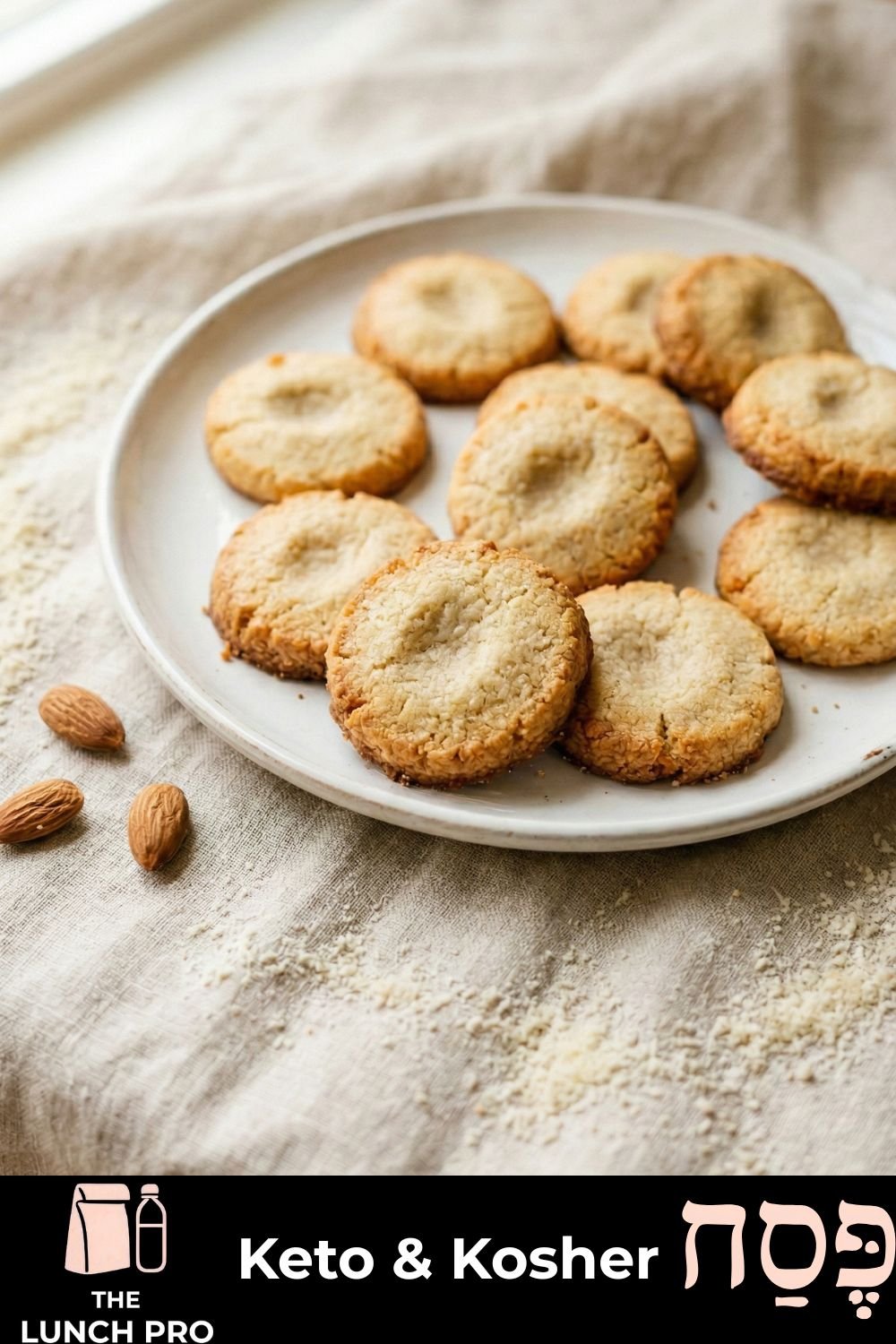
Almond Flour Passover Cookies
Ingrédients
Equipment
Method
- Preheat your oven to 325F (165C). Line two baking sheets with parchment paper.
- In a large bowl, combine the almond flour and salt, mixing well.
- In a separate bowl, whisk together the honey or maple syrup, egg, vanilla extract, and almond extract if using.
- Pour the wet ingredients into the dry ingredients and stir until a soft dough forms.
- Allow the dough to rest for 5 minutes to firm up slightly.
- Using a tablespoon as a measure, scoop out the dough and roll into balls. Place on the prepared baking sheets about 2 inches apart.
- Gently flatten each cookie with the palm of your hand or the bottom of a glass.
- If desired, press a whole almond into the center of each cookie.
- Bake for 12 to 15 minutes until the edges are lightly golden but the centers are still soft.
- Cool on the baking sheets for 5 minutes, then transfer to a wire rack to cool completely.
Nutrition
Notes
J’espère que vous avez aimé préparer cette recette !
Merci de la noter pour aider d’autres personnes à la découvrir.Crispy Honey Sesame Cookies
Finally, a more traditional option: crispy honey sesame cookies rolled in toasted sesame seeds, the second rescued recipe in this collection. One honest note before you bake. These are sweetened with real honey, so they are not sugar-free or low in glycemic impact. Enjoy them in small portions, or serve them to guests who are not limiting sugar, while the other five desserts cover the diabetic-friendly side of the table.
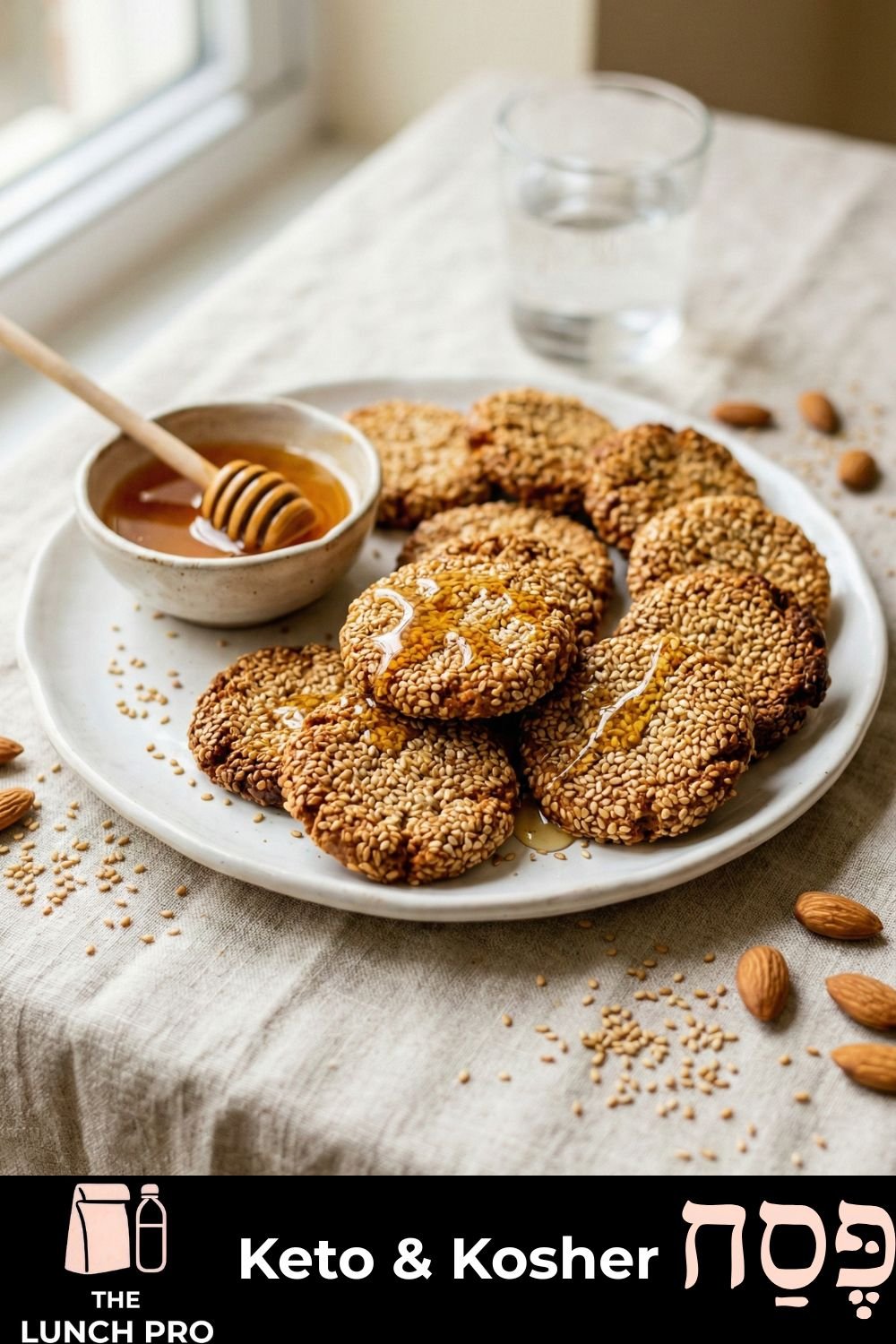
Crispy Honey Sesame Cookies | Kosher for Passover
Ingrédients
Equipment
Method
- Preheat the oven to 350°F (175°C). Line a baking sheet with parchment paper.
- Whisk together the almond flour, baking soda, and salt in a medium bowl until evenly combined.
- In a separate large bowl, mix the honey, melted coconut oil, egg, and vanilla extract until well combined.
- Gradually add the dry ingredients to the wet, stirring until a soft dough forms.
- Chill the dough in the refrigerator for 30 minutes to firm up. Do not skip this step — chilling prevents the cookies from spreading too thin during baking.
- Place the toasted sesame seeds in a shallow dish.
- Roll the chilled dough into small balls, about one tablespoon each.
- Roll each ball in the toasted sesame seeds to completely coat on all sides.
- Place the coated dough balls on the prepared baking sheet, spacing them about 2 inches apart.
- Gently flatten each ball with the palm of your hand or the bottom of a glass.
- Bake for 8–10 minutes until the edges are golden brown. Watch carefully — almond flour cookies can go from golden to over-baked quickly.
- Allow the cookies to cool on the baking sheet for 5 minutes, then transfer to a wire rack to cool completely. Drizzle with warm honey just before serving for an extra special touch.
Nutrition
Notes
J’espère que vous avez aimé préparer cette recette !
Merci de la noter pour aider d’autres personnes à la découvrir.Planning the rest of the meal too? Our diabetes-friendly Passover Seder menu and this low-carb charoset round out the spread without the sugar load.
Chef Tips for Sugar-Free Passover Baking
Whip the egg whites: In matzo meal cakes and tortes there is no gluten to trap air, so stiffly beaten egg whites folded in at the end are what give you lift and a light crumb instead of a dense brick.
Measure sweeteners by sweetness, not volume: Monk fruit and stevia are far more concentrated than sugar. Use a conversion chart and start low, because overshooting is the usual cause of a cooling or slightly bitter aftertaste.
Add moisture on purpose: Sugar holds water in a normal batter, so when you remove it the bake can turn dry. Unsweetened applesauce, mashed avocado, or a little extra fat restores that fudgy, moist texture.
Watch almond flour closely: Almond flour browns faster than wheat flour. Bake the cookies and torte toward the lower end of the time range and pull them when the edges are just golden.
About the honey cookies: Honey is still sugar. If you or a guest is managing blood sugar, keep the honey sesame cookies to a small portion and let the monk fruit and stevia bakes carry the rest of the dessert table.
Storage and Serving Suggestions
Refrigerator Storage: Most of these desserts keep in an airtight container in the fridge for up to a week. The apple kugel and anything with fresh fruit are best within 3 to 4 days.
Freezer Storage: The cake, torte, and brownies freeze well for up to 3 months. Wrap individual portions, then thaw overnight in the fridge before serving. Cookies are best stored airtight at room temperature for up to a week.
Meal Prep Strategy: Bake one or two of these in the days before the Seder, since the cake and torte actually firm up and slice more cleanly after a night in the fridge. That frees your oven on the holiday itself.
Complete the Meal: Pair dessert with the rest of a lower-sugar spread using our Passover Seder meal guide and a bowl of low-carb charoset.
Frequently Asked Questions
What are the best diabetic-friendly Passover desserts?
The most blood-sugar-friendly options in this guide are the sugar-free chocolate cake, the almond and matzo meal torte, the stevia brownies, the no-sugar apple kugel, and the almond flour cookies. All five rely on monk fruit or stevia instead of refined sugar and keep net carbs roughly between 5 and 20g per serving. Portion size still matters, so pair a small slice with protein.
Are these Passover desserts gluten-free?
Some are, and some are not. The almond flour cookies are naturally gluten-free because they use almond flour. The chocolate cake, torte, brownies, and apple kugel are made with matzo meal, which is milled from wheat, so they are not gluten-free. To make the matzo recipes gluten-free, swap in a kosher-for-Passover almond or coconut flour blend and expect a slightly different texture.
What sugar substitutes work best for Passover baking?
Monk fruit and stevia are the most reliable for cakes and cookies because they add sweetness with little glycemic impact. Allulose browns and softens like sugar, which helps create chewy textures, while date syrup and kosher maple syrup add flavor but do raise carb counts. Measure by sweetness equivalence rather than cup-for-cup, since these sweeteners are more concentrated than sugar.
How far in advance can I make Passover desserts?
Most of these keep well, so you can bake ahead. The cake, torte, and brownies can be made 2 to 3 days early and stored covered in the fridge, and they also freeze for up to 3 months. Cookies are best baked within a few days and kept airtight at room temperature. Baking ahead also frees your oven on the day of the Seder.
Vous aimerez aussi


You Might Also Like
A rich, grain-free chocolate cake that needs no matzo meal at all.
A diabetic-friendly, gluten-free apple cake for the Seder table.
Chewy, low-carb macaroons made with monk fruit and shredded coconut.
Fudgy, Passover-friendly brownies with no flour and no added sugar.
With natural sweeteners doing the work, Passover dessert no longer has to be the course that people watching their blood sugar quietly skip. Bake one or two of these ahead, keep portions sensible, and everyone at the Seder can share something sweet. Tradition and steady energy really can sit side by side at the table.
Medical Disclaimer: The nutritional information provided in this article is for informational purposes only. While we strive for accuracy, individual responses to foods vary. Always consult with your healthcare provider or registered dietitian about dietary changes.