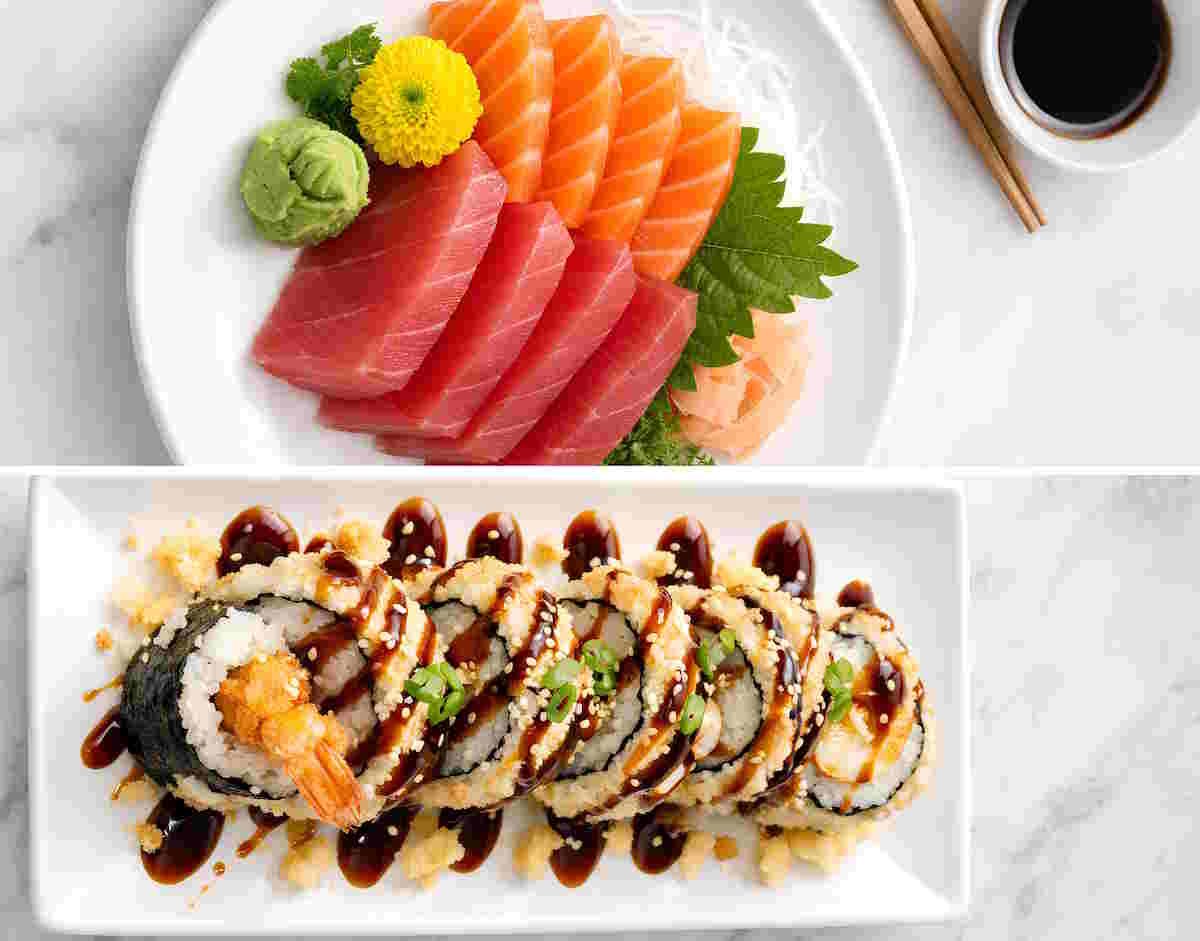
Zero carbs or sixty-five carbs. That’s the difference between ordering sashimi and grabbing a tempura roll — and your blood sugar will absolutely know which one you chose. The good news? Diabetics can absolutely eat sushi. The key is knowing which rolls help you and which ones hurt you.
Traditional Japanese sushi was actually fairly blood-sugar-friendly. Raw fish, seaweed, a bit of rice. But the Westernized sushi menu — loaded with fried batter, sugary glazes, and “crab” that’s secretly made of starch — has turned many rolls into dessert territory. Let’s break down exactly what to order, what to skip, and why.
📊 Sushi Carb Comparison at a Glance
Can Diabetics Eat Sushi? The Short Answer
Yes, diabetics can eat sushi — but the type of sushi matters dramatically for blood sugar control.
Here’s the reality: sashimi (pure sliced fish, no rice) has zero carbohydrates and zero glycemic impact. It’s one of the most diabetic-friendly protein sources you can order at any restaurant. On the other end of the spectrum, a shrimp tempura roll packs 50-65 grams of carbohydrates — roughly equivalent to eating four slices of bread.
The difference comes down to three factors:
- The rice — Short-grain white sushi rice has a glycemic index of 85-89 (high)
- Hidden starches — Imitation crab, tempura batter, and sweet sauces add carbs
- Portion size — A “standard” sushi meal can easily hit 100+ grams of carbs
The American Diabetes Association doesn’t ban sushi but emphasizes portion control and ingredient awareness. Diabetes UK recommends swapping white rice for brown rice or other high-fiber alternatives when possible.
With the right choices, sushi can actually be an excellent meal for diabetics — high in omega-3 fatty acids, lean protein, and heart-healthy fats from fish like salmon and mackerel.
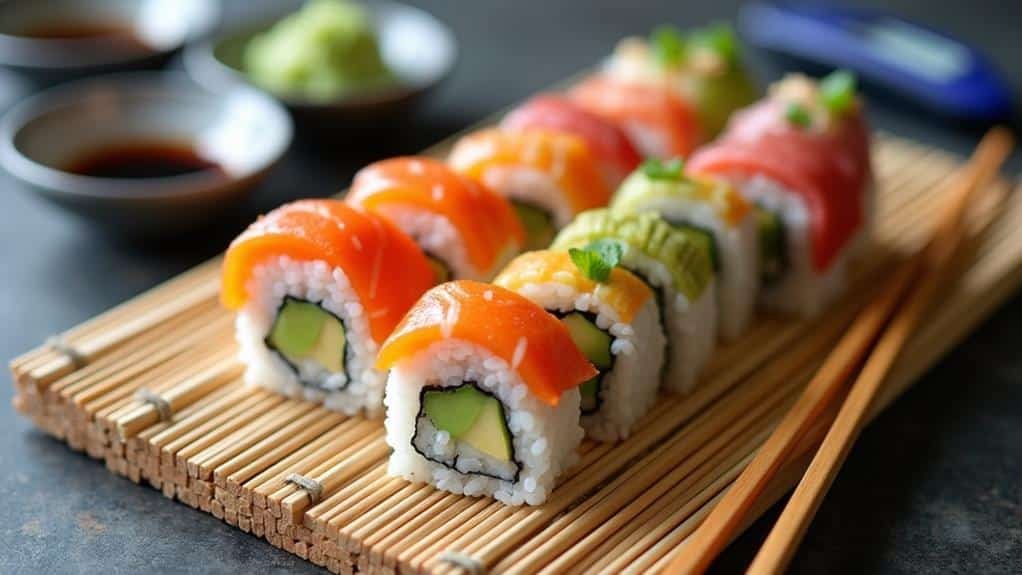
🌿 Why Sushi CAN Be Diabetic-Friendly
Zero-Carb Protein Options: Sashimi delivers 26g of protein per 4-ounce serving with literally zero carbohydrates. For diabetics watching their glucose, this is as good as it gets for restaurant protein. Check out our diabetic-friendly sushi recipes for home versions.
Omega-3 Fatty Acids: Fatty fish like salmon, mackerel, and tuna are rich in omega-3s, which research links to improved insulin sensitivity and reduced cardiovascular risk — a major concern for diabetics. The ADA recommends fish consumption at least twice weekly.
The Vinegar Effect: Sushi rice contains rice vinegar (acetic acid), which clinical studies show can reduce postprandial glucose spikes by 20-30%. Vinegar slows gastric emptying and inhibits starch-digesting enzymes. It doesn’t neutralize the carbs, but it does soften the spike.
Seaweed Benefits: Nori (the seaweed wrapper) contains compounds that may inhibit starch digestion and improve insulin sensitivity. Korean population studies show high seaweed intake correlates with lower T2DM risk.
The Protein-Fat Buffer: When you eat sushi with fish and avocado, the protein and healthy fats slow down how quickly the carbohydrates hit your bloodstream. A salmon avocado roll will spike you less than the same amount of plain rice.
Why Rice Type Changes Everything
The foundation of most sushi is rice, and for diabetics, not all rice is created equal.
The science: Rice starch is made of two molecules: amylose (linear chains, slower to digest) and amylopectin (branched chains, faster to digest). Short-grain sushi rice is selected specifically for high amylopectin content because that’s what makes it sticky. Unfortunately, “sticky” for sushi-making means “fast glucose release” for your bloodstream.
Here’s how different rice options compare:
| Rice Type | Glycemic Index | Carbs per Cup (Cooked) | Fiber | Diabetic Rating |
|---|---|---|---|---|
| White Sushi Rice (Short-Grain) | 85-89 | ~53g | <1g | Poor |
| Jasmine Rice | 80-109 | ~45g | <1g | Poor |
| Basmati Rice | 50-58 | ~44g | <1g | Moderate |
| Brown Rice | 50-66 | ~52g | ~3.5g | Moderate |
| Black/Wild Rice | 35-45 | ~35g | ~3g | Good |
| Quinoa | 50-53 | ~39g | ~5g | Good |
| Cauliflower Rice | 0-15 | ~5g | ~2g | Excellent |
Source: USDA FoodData Central, Glycemic Index Foundation
The hidden sugar problem: Beyond the rice itself, sushi rice is seasoned with sushi-zu — a mixture of rice vinegar, sugar, and salt. A single cup of prepared sushi rice can contain 2-4 grams of added sugar. Over a full meal, that can add up to a tablespoon of pure sugar you never saw coming.
If you’re making sushi at home that won’t spike blood sugar, you can control this. At restaurants, assume the sugar is there.
Traditional Japanese Sushi vs. Westernized Sushi Rolls
| Factor | Traditional (Sashimi/Nigiri) | Westernized (Specialty Rolls) | Impact |
|---|---|---|---|
| Carbs per Serving | 0-15g | 40-65g | -50g or more |
| Hidden Sugars | Minimal (rice only) | High (glazes, sauces, surimi) | Significantly lower |
| Protein Quality | Pure fish (16-26g) | Diluted by fillers (6-15g) | Higher protein |
| Fried Components | None | Tempura batter common | No added carbs/fat |
| Omega-3 Content | High (whole fish pieces) | Variable (less fish per roll) | Better heart health |
| Blood Sugar Friendly? | ✅ Yes | ❌ Usually No | — |
Sources: USDA FoodData Central, AFC Sushi Nutrition Data
The Hidden Carb Traps: What to Watch For
Some of the biggest blood sugar dangers at a sushi restaurant don’t look like carbs at all. Here are the sneaky ones:
1. Imitation Crab (Surimi)
That California roll “crab”? It’s not crab. Surimi is made from minced white fish bound together with starch (corn, wheat, or tapioca) and sugar or sorbitol.
The numbers tell the story:
- Real Alaskan King Crab: 0g carbohydrates, 16.5g protein per serving
- Imitation Crab: 13-15g carbohydrates, 6-11g protein per serving
When you order a California roll, thinking you’re getting protein, you’re actually eating rice wrapped around more carbohydrates. For genuinely diabetes-friendly seafood options, real crab or fish is the way to go.
2. Eel Sauce (Unagi Tare)
That glossy, sweet glaze drizzled over eel rolls and dragon rolls? It’s basically soy sauce reduced with sugar. One tablespoon contains 7-9 grams of sugar — comparable to maple syrup. If your roll comes pre-glazed, you’re eating dessert.
3. Spicy Mayo and Creamy Sauces
While primarily fat-based (which isn’t inherently bad for blood sugar), these sauces add calories and, when combined with high-carb rolls, can worsen postprandial glucose by inducing temporary insulin resistance.
4. “Crunchy” or “Crispy” Anything
Menu words like “crunchy,” “crispy,” or “tempura” usually mean deep-fried in a flour batter. A shrimp tempura roll has the carbs from the rice PLUS the carbs from the battered shrimp. You’re essentially eating breaded shrimp on a bed of more starch.
5. Fake Wasabi
Real wasabi (Wasabia japonica) is rare and expensive. Most restaurants serve a paste made from horseradish, mustard, cornstarch, and sorbitol. Small amounts won’t hurt you, but it’s another unexpected source of carbs.
Best and Worst Sushi for Diabetics
Based on carbohydrate content, glycemic impact, and nutritional value, here’s your ordering guide:
🟢 THE GREEN LIST (Safe / Beneficial)
| Sushi Type | Carbs | Why It Works |
|---|---|---|
| Sashimi | 0g | Pure protein, zero glycemic impact — the safest choice |
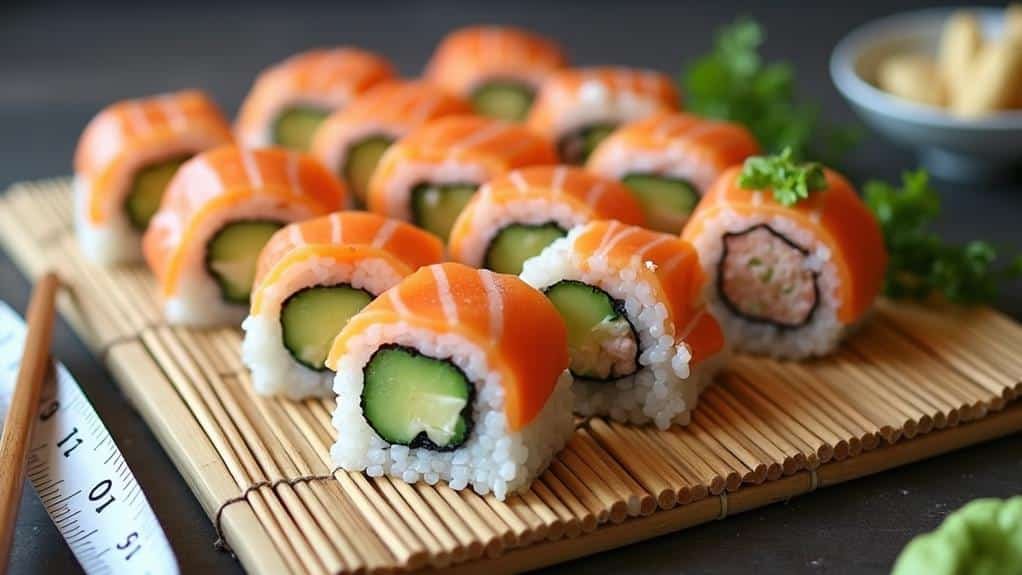
| Naruto Rolls | 4-8g | Cucumber wraps replace rice entirely |
| Temaki (Hand Rolls) | 10-15g | Less rice, customizable — ask for “light rice” |
| Salmon/Tuna Nigiri | 12-15g (2 pc) | Small rice portion, high omega-3s |
| Brown Rice Rolls | Similar carbs, lower GI | Fiber slows digestion |
| Seaweed Salad (Wakame) | ~4g | May improve insulin sensitivity |
| Edamame | ~8g | Fiber + protein appetizer, buffers glucose spike |
🔴 THE RED LIST (Avoid / Minimize)
| Sushi Type | Carbs | Why It’s Problematic |
|---|---|---|
| Shrimp Tempura Roll | 50-65g | Fried batter + rice = double carb hit |
| Dragon Roll | 50-60g | Rice + tempura + eel sauce glaze |
| Eel (Unagi) Roll | 45-60g | Sugary glaze adds 7-9g sugar per tbsp |
| Spider Roll | 40-50g | Fried soft-shell crab + rice |
| California Roll | 30-38g | Imitation crab adds hidden starch |
| Spicy Tuna Roll | 26-35g | Often uses mayo/sauce with added sugar |
| Philadelphia Roll | 30-40g | Cream cheese adds saturated fat |
For more Japanese options that support blood sugar control, see our guide to Japanese dishes perfect for blood sugar control.
Smart Ordering Strategies for Diabetics
Start with Edamame or Miso Soup: Eating fiber and protein before your sushi rolls can reduce your postprandial glucose spike by buffering the carbohydrate absorption. Consider it a metabolic warm-up.
Ask for Naruto Style: Many sushi restaurants will wrap any roll in thin cucumber sheets instead of rice if you ask for “Naruto style.” You keep all the flavors with a fraction of the carbs.
Request “Light Rice” on Hand Rolls: Temaki (cone-shaped hand rolls) are structurally flexible. Ask for extra fish and vegetables with light rice, and you can cut carbs by 30-50%.
Sauce on the Side — Always: When you control the sauce, you control the sugar. Dip lightly rather than letting the kitchen drench your roll in eel sauce or spicy mayo.
Skip “All You Can Eat” Sushi: The business model encourages filling up on rice-heavy rolls. You’ll inevitably eat more carbs than you planned. Order à la carte and stop when satisfied.
Pair with Green Tea: Unsweetened green tea may improve insulin sensitivity and provides hydration without calories. It’s the traditional Japanese pairing for a reason.
Smart Swaps That Actually Work
If you love sushi but want to minimize blood sugar impact, these substitutions make a real difference:
Swap 1: Cauliflower Rice
Many health-conscious sushi restaurants now offer cauliflower rice as a base. With only ~5g carbs per cup (versus 53g for white sushi rice) and a GI of essentially zero, this is the gold standard swap for diabetics. The texture is different, but your glucose monitor won’t complain.
Swap 2: Brown or Black Rice
If cauliflower rice isn’t available, brown rice is a good alternative. While the total carbs are similar to white rice, the fiber content (~3.5g per cup) slows digestion and reduces the glycemic impact. Black rice (also called “forbidden rice”) has an even lower GI of 35-42 and contains antioxidants.
Swap 3: Sashimi + One Roll
Instead of ordering three rolls (potentially 90-120g carbs), order a sashimi platter as your main protein and add one small roll to satisfy the “sushi experience.” Total carbs: ~25-35g instead of 100+.
Swap 4: Real Crab for Imitation
Some restaurants charge extra for real crab in a California roll, but it’s worth it. You eliminate 13-15g of hidden starch-based carbs and get actual protein instead.
Swap 5: Tamari for Soy Sauce
Regular soy sauce contains wheat (and therefore gluten). Tamari is a gluten-free alternative with a similar flavor. For sodium-conscious diabetics, low-sodium tamari cuts the salt content that’s problematic for cardiovascular health.
For more low-carb ingredient swaps for diabetes, check out our complete guide.
Ordering Scripts: What to Say at the Restaurant
Feeling awkward about making special requests? Here’s exactly what to say:
For Naruto-Style Rolls:
“Can I get the salmon avocado roll Naruto-style — wrapped in cucumber instead of rice?”
For Light Rice:
“I’d like the spicy tuna hand roll with light rice and extra fish, please.”
For Sauce Control:
“Can I get the eel sauce on the side instead of on the roll?”
For Substitutions:
“Do you offer brown rice or cauliflower rice as a substitution? I’m watching my carbs.”
Most sushi chefs are happy to accommodate. You’re not the first diabetic they’ve served, and customization is normal in sushi culture.
Frequently Asked Questions
Can Diabetics Eat Sushi With Regular Soy Sauce?
You can, but consider the sodium. One tablespoon of regular soy sauce contains over 900mg of sodium, which is problematic for cardiovascular health concerns common in diabetics. Low-sodium soy sauce or tamari significantly cuts this. The carb content of soy sauce itself is minimal (about 1g per tablespoon).
How many pieces of sushi can a diabetic eat?
It depends entirely on the type. Six pieces of sashimi? Unlimited from a carb perspective — it’s pure protein. Six pieces of nigiri? About 36-45g of carbs, roughly equivalent to 2-3 slices of bread. One specialty roll (6-8 pieces)? Could be 30-65g of carbs depending on the roll. Know what you’re ordering and count accordingly. These diabetes-friendly dips let you enjoy sushi without compromise. Experiment and find your favourite!
How Often Can Diabetics Safely Consume Sushi?
Picture yourself savouring sushi: a colourful array of fish and veggies. You can enjoy it weekly, but watch those sushi ingredients and practice portion control. It’s all about balance – you’re free to indulge smartly, not deprive yourself.
Is brown rice sushi better for diabetics?
Better, but not dramatically. Brown rice has a lower glycemic index (50-66 vs. 85-89 for white) and more fiber, which slows glucose absorption. However, the total carbohydrate content is similar. Brown rice is a smarter choice, but it doesn’t make sushi “low carb.”
What’s the best sushi order for someone with diabetes?
Start with edamame or miso soup. Order a sashimi platter as your main protein (salmon, tuna, or yellowtail are excellent). Add one Naruto-style roll or a hand roll with light rice for the “sushi roll” experience. Skip the tempura, eel sauce, and specialty rolls. Total carbs for this meal: approximately 15-30g.
🍽️ You Might Also Like
DIY rolls that won’t spike you
Beyond sushi: konjac, matcha & more
Restaurant-style in 20 minutes
Complete guide to Japanese cuisine
Final Thoughts
Can diabetics eat sushi? Absolutely — but “sushi” is a broad category that spans from metabolic superfood (sashimi) to blood sugar disaster (tempura dragon rolls). The difference between a diabetes-friendly sushi meal and a glucose nightmare comes down to knowledge: understanding which rolls are rice-bombs, spotting the hidden starches in imitation crab, and knowing how to customize your order.
Traditional Japanese sushi — emphasizing fresh fish, seaweed, and minimal processing — aligns well with diabetic dietary goals. It’s the Westernized specialty rolls, loaded with fried batter, sweet glazes, and starchy fillers, that cause problems.
Order smart, ask questions, and enjoy. Your chopsticks and your glucose monitor can both be happy.
References & Sources
Glycemic Index Data:
- University of Sydney Glycemic Index Research Service — GI values for rice varieties
- Glycemic Index Foundation — Comparative grain analysis
Nutritional Data:
- USDA FoodData Central — Macronutrient profiles for sushi items, real crab vs. imitation crab
- AFC Sushi Nutrition Charts — Commercial roll breakdowns
Clinical Studies on Vinegar and Glucose:
- Johnston CS, et al. “Vinegar improves insulin sensitivity to a high-carbohydrate meal in subjects with insulin resistance or type 2 diabetes.” Diabetes Care, 2004.
- Östman E, et al. “Vinegar supplementation lowers glucose and insulin responses and increases satiety after a bread meal in healthy subjects.” European Journal of Clinical Nutrition, 2005.
Medical Guidelines:
- American Diabetes Association — Dietary recommendations for fish intake and sodium management
- Diabetes UK — Whole grain recommendations and healthy plate model
- FDA — Guidance on raw fish consumption for vulnerable populations
Seaweed and Diabetes Research:
- Lee HJ, et al. “Seaweed consumption and risk of type 2 diabetes: Korean Genome and Epidemiology Study.” Nutrition Research and Practice, 2021.
Omega-3 and Insulin Sensitivity:
- Akinkuolie AO, et al. “Omega-3 polyunsaturated fatty acid and insulin sensitivity: a meta-analysis of randomized controlled trials.” Clinical Nutrition, 2011.
Medical Disclaimer: The nutritional information and diabetic-friendly guidance provided in this article are for informational purposes only. While we strive for accuracy, we are culinary experts, not medical doctors. Individual responses to foods vary, and you should always consult with your healthcare provider or registered dietitian about dietary changes, especially if you’re managing diabetes or other health conditions. Always monitor your blood sugar as recommended by your healthcare team.