
Published May 5, 2026 · Updated August 18, 2026
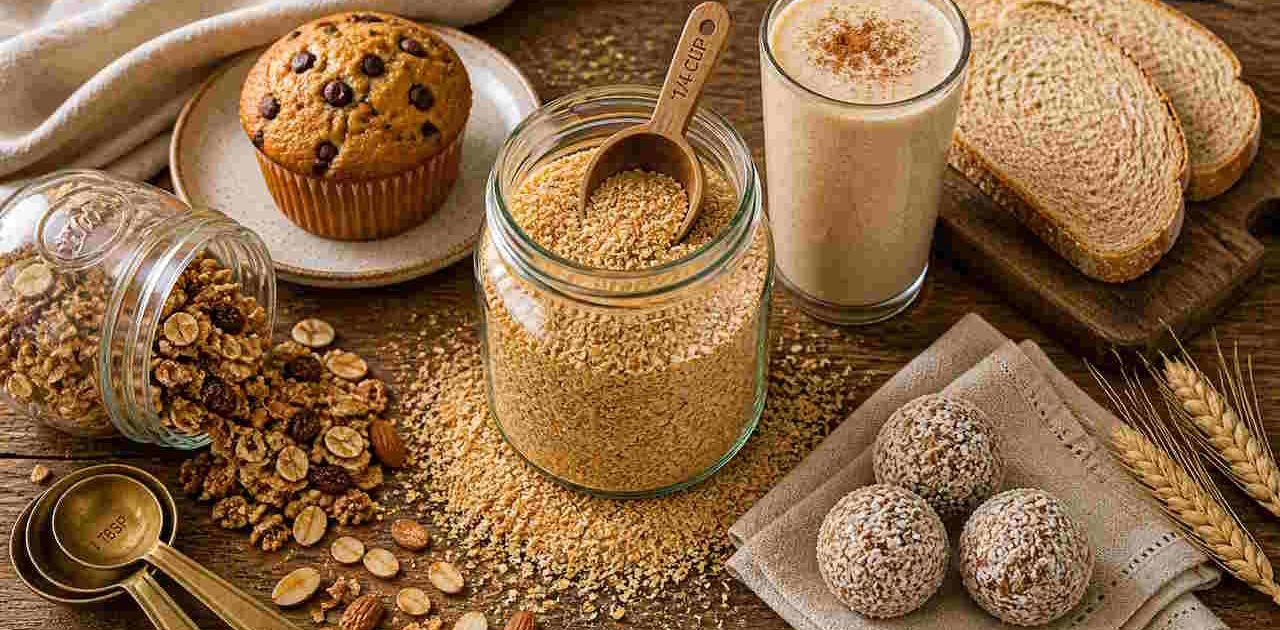
Wheat germ is the nutrient-packed heart of the wheat kernel — just 2.5% of the grain by weight, yet loaded with protein, vitamin E, B vitamins, healthy fats, and minerals like zinc and magnesium. These 12 wheat germ recipes show you how to use it across breakfast, snacks, smoothies, and baked goods that taste as good as they are wholesome.
Quick Stats — All 12 Recipes
Why These Wheat Germ Recipes Work
Rich in Vitamin E: Wheat germ is one of the most concentrated natural sources of vitamin E, a fat-soluble antioxidant that may support cell health and can contribute to a diet associated with oxidative balance. Adding just a few tablespoons to muffins, granola, or smoothies is an effortless way to boost your daily intake.
Plant-Based Protein Boost: With roughly 6–8g of protein per quarter cup, wheat germ delivers meaningful plant-based protein that complements the eggs, nuts, and dairy common in whole-grain baking. Recipes like the energy balls and toasted muesli are especially protein-forward.
B Vitamins for Everyday Energy: Wheat germ is rich in folate, thiamine (B1), and B6 — nutrients that play a role in normal energy metabolism. These B vitamins are largely stripped away during the refining of white flour, making whole-grain and wheat germ recipes a more complete nutritional choice.
Digestive Fiber: Every recipe here contributes 2–6g of fiber per serving. Dietary fiber can contribute to feelings of fullness and supports regular digestion — making wheat germ a practical addition to any pantry, not just for bakers.
Healthy Fats, Zinc, and Magnesium: Wheat germ’s natural fat profile includes polyunsaturated fats and a meaningful amount of zinc and magnesium — minerals associated with immune function and muscle health. The toasted versions in granola and muesli recipes preserve these fats beautifully when baked at moderate temperatures.
Refined-Flour Baked Goods vs. Wheat Germ Recipes
| Nutrient | Refined-Flour Baking | Wheat Germ Recipes |
|---|---|---|
| Vitamin E | Low (mostly stripped in milling) | High — naturally concentrated |
| B Vitamins | Low (added back synthetically) | High — folate, B1, B6 intact |
| Plant Protein | Low | Higher — 6–8g per ¼ cup |
| Fiber | Low (1–2g per serving) | Higher — 2–6g per serving |
| Antioxidants | Low | Higher — vitamin E + natural plant compounds |
1. Chocolate Chip Wheat Germ Muffins
These muffins are the gateway recipe for anyone new to baking with wheat germ — the chocolate chips do the convincing while the wheat germ quietly delivers vitamin E, B vitamins, and extra protein in every bite. At just 195 calories per muffin with 4g of protein, they make a genuinely satisfying breakfast or lunchbox snack that doesn’t feel like a compromise. Ready from start to finish in 30 minutes, this is the recipe to reach for on a Sunday prep day.


Chocolate Chip Wheat Germ Muffins
Ingredients
Equipment
Method
- Preheat your oven to 375°F (190°C). Line a 12-cup muffin tin with paper liners or grease well with cooking spray.
- In a large bowl, whisk together the whole wheat flour, wheat germ, all-purpose flour, sugar, baking powder, baking soda, and salt until combined.
- In a medium bowl, whisk together the buttermilk, eggs, vegetable oil, and vanilla extract until smooth.
- Pour the wet ingredients into the dry ingredients and stir gently until just combined — a few lumps are fine. Do not overmix or the muffins will be tough.
- Fold in the chocolate chips, then divide the batter evenly among the prepared muffin cups, filling each about two-thirds full.
- Bake for 18–22 minutes, until a toothpick inserted in the centre comes out clean and the tops are lightly golden. Cool in the pan for 5 minutes, then transfer to a wire rack.
Nutrition
Notes
Tried this recipe?
Let us know how it was!2. Fruit and Nut Granola
Homemade granola is one of the best vehicles for wheat germ because toasting it in the oven at moderate heat develops a warm, nutty flavor that’s far more complex than raw. This fruit-and-nut version yields 8 cups (16 half-cup servings), so one batch can fuel breakfast for two weeks when stored in an airtight jar. With 6g of protein and 10g of healthy fat per serving, it keeps you full long past the first cup of coffee.
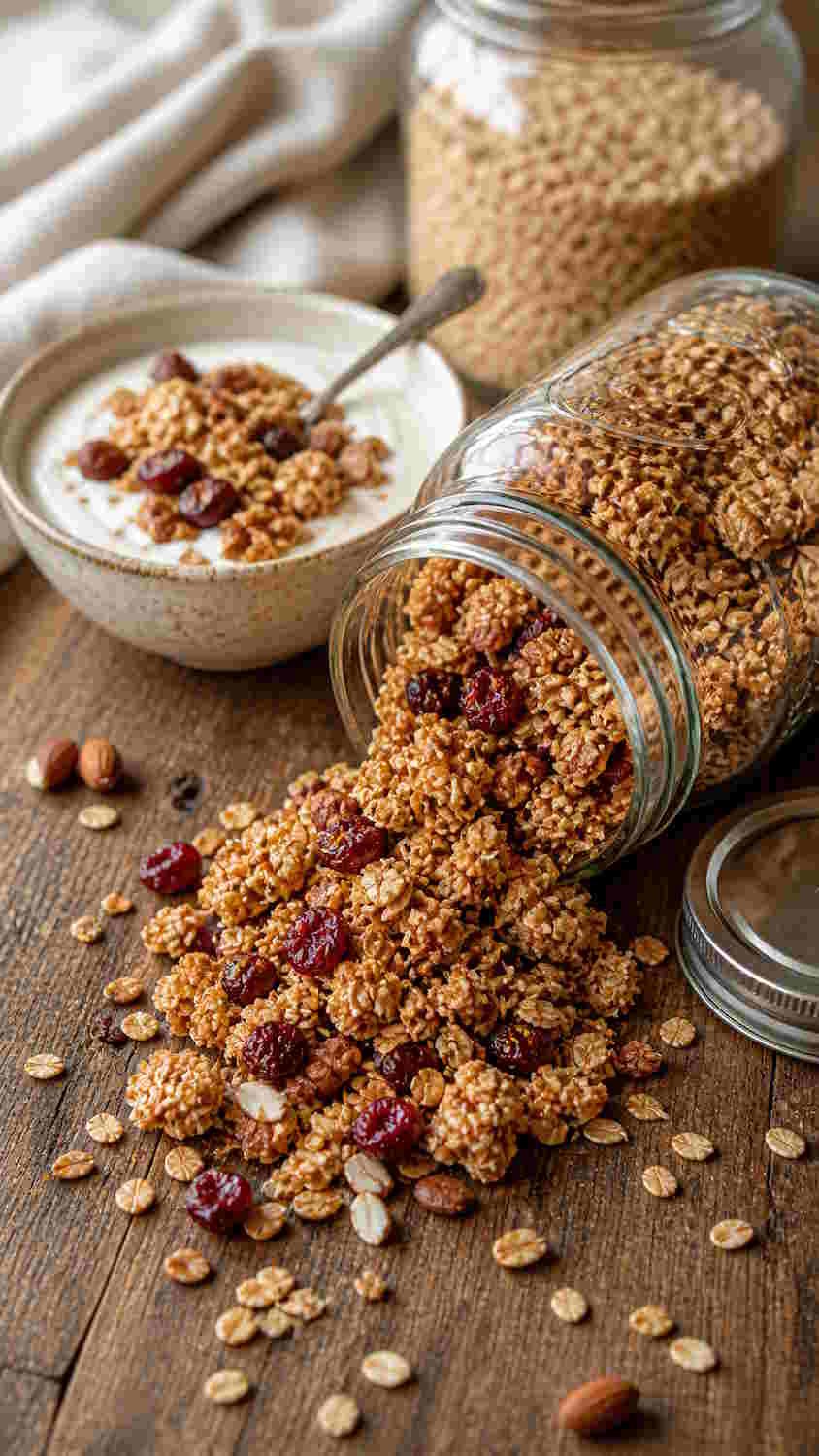
Fruit and Nut Granola with Wheat Germ
Ingredients
Equipment
Method
- Preheat your oven to 325°F (165°C). Line a large rimmed baking sheet with parchment paper.
- In a large bowl, combine the oats, wheat germ, nuts, and seeds. Stir to mix evenly.
- In a small bowl or measuring cup, whisk together the honey, melted coconut oil, vanilla, cinnamon, and salt. Pour over the oat mixture and stir until everything is evenly coated.
- Spread the mixture in a single layer on the prepared baking sheet. Press it down gently with a spatula — this helps create clusters.
- Bake for 30–35 minutes, stirring once halfway through, until golden and fragrant. Watch carefully in the final 5 minutes — wheat germ can catch quickly.
- Remove from the oven and let the granola cool completely on the pan without stirring — this is what creates the clusters. Once cool, break into pieces and stir in the dried fruit. Transfer to an airtight jar.
Nutrition
Notes
Tried this recipe?
Let us know how it was!3. Whole Wheat Pancakes with Wheat Germ
These pancakes are built on a whole-wheat base with wheat germ stirred right into the batter, producing a stack that’s noticeably more tender and nutty than standard pancakes — without the heaviness that pure whole-wheat recipes sometimes carry. A serving of four pancakes comes in at just 128 calories per pancake with 5g of protein and 2g of fiber, making Saturday morning feel a little less guilty. Pair them with the Dutch Pancake with Spiced Apples idea if you want to go all-out on a brunch spread.
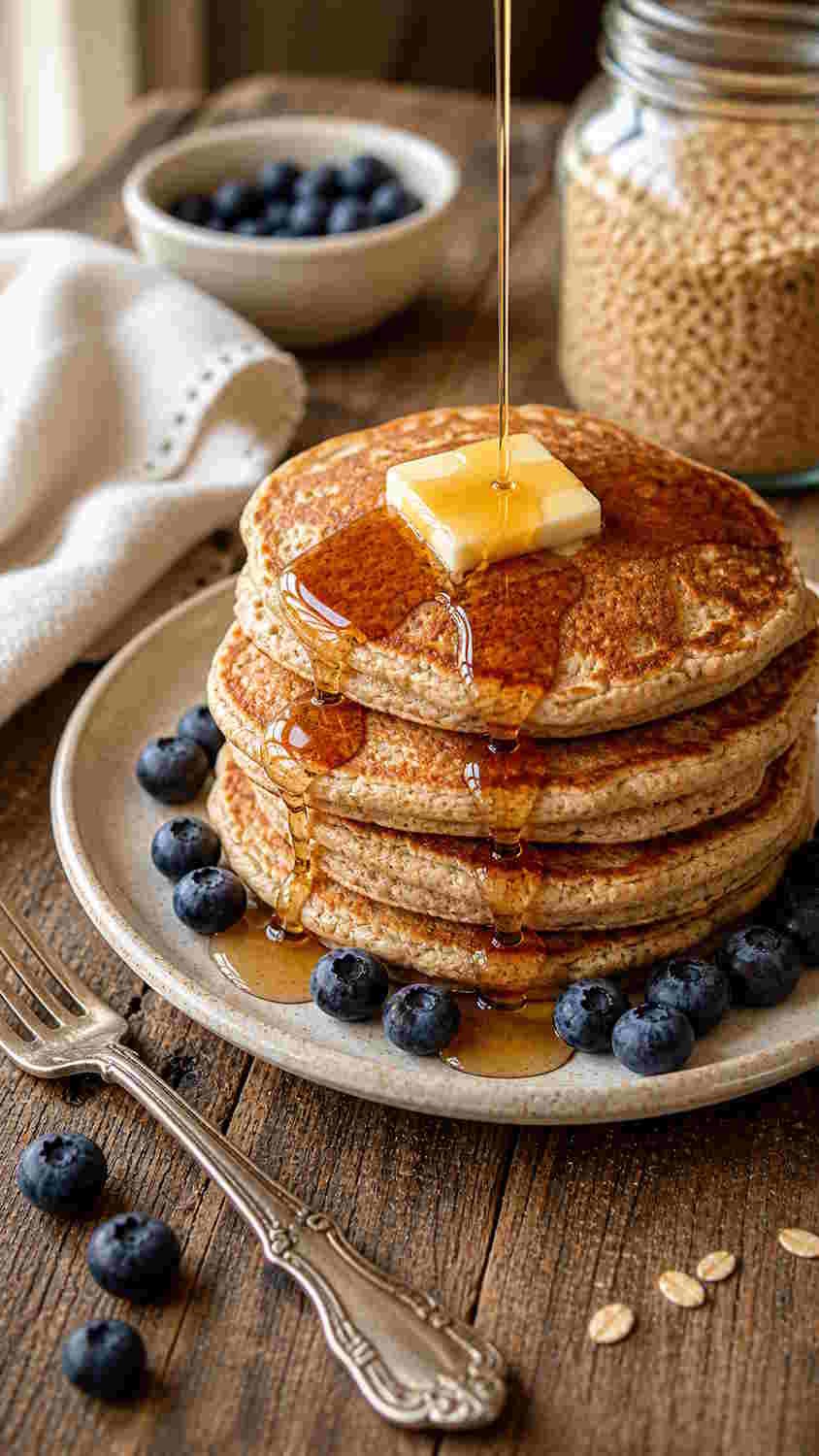
Whole Wheat Pancakes with Wheat Germ
Ingredients
Equipment
Method
- In a large bowl, whisk together the whole wheat flour, wheat germ, sugar, baking powder, baking soda, and salt.
- In a medium bowl, whisk together the buttermilk, eggs, melted butter, and vanilla.
- Pour the wet ingredients into the dry and stir gently until just combined — lumps are fine. Let the batter rest for 3–5 minutes while the griddle heats up.
- Heat a large non-stick skillet or griddle over medium heat. Add a small pat of butter or a drizzle of oil. When it shimmers, pour ¼ cup of batter per pancake onto the surface.
- Cook until bubbles form across the surface and the edges look set, about 2–3 minutes. Flip and cook for another 1–2 minutes until cooked through. Repeat with remaining batter.
Nutrition
Notes
Tried this recipe?
Let us know how it was!4. Energy Balls
No baking required — these energy balls come together in 10 minutes with oats, nut butter, honey, and a generous scoop of wheat germ that adds structure and a subtle toasted flavor. Each ball delivers 144 calories and 5g of protein, making them a genuinely portable snack for school bags, gym bags, or a quick toddler-friendly bite between meals. Make a double batch and freeze half — they thaw in minutes at room temperature.
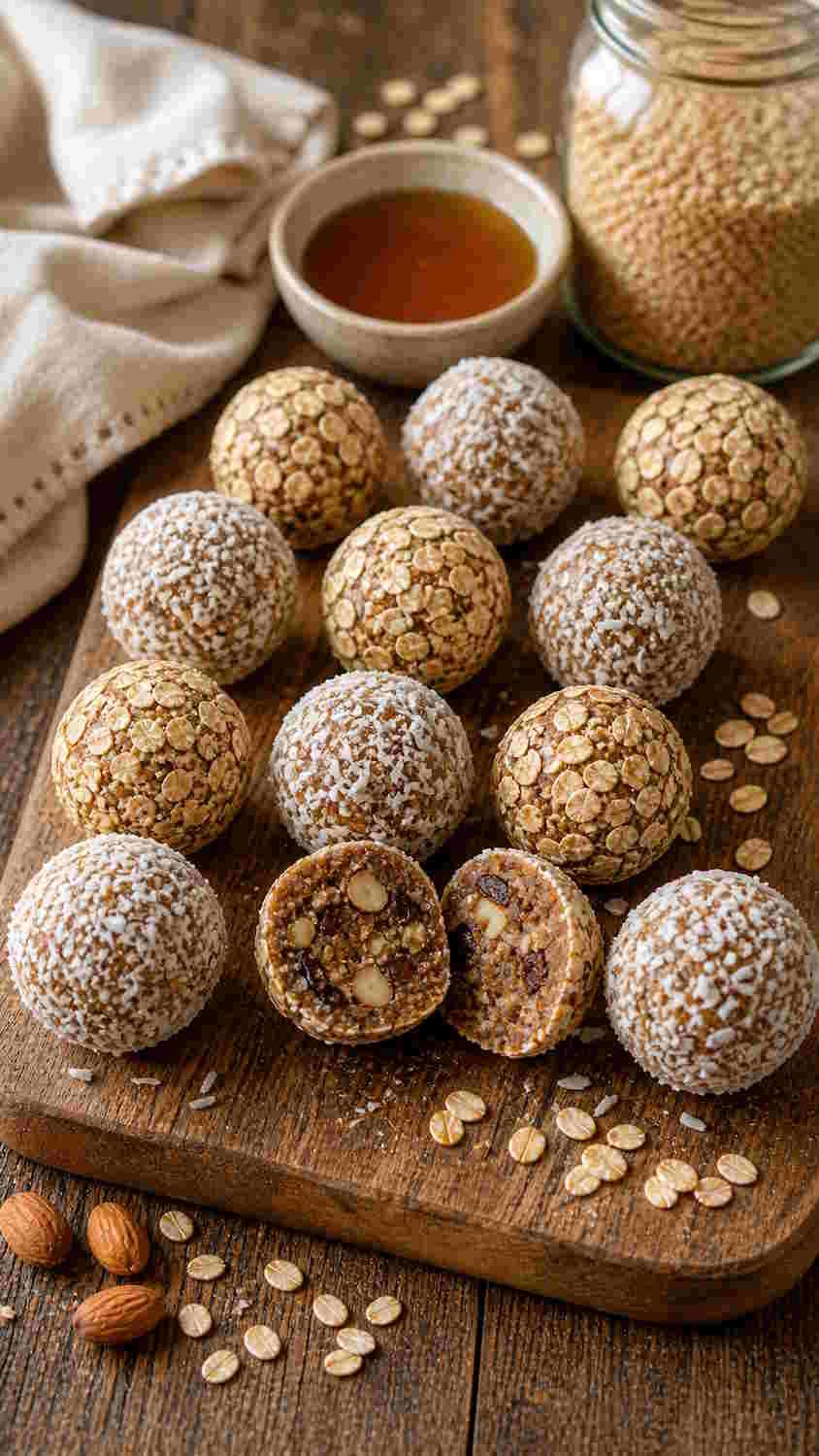
Wheat Germ Energy Balls
Ingredients
Equipment
Method
- In a large bowl, combine all ingredients — oats, wheat germ, nut butter, honey, chocolate chips or dried fruit, vanilla, and cinnamon. Stir well until fully combined. The mixture should hold together when pressed — if it’s crumbly, add another tablespoon of honey.
- Refrigerate the mixture for 20–30 minutes. Cold dough rolls much more easily and holds its shape better.
- Using a tablespoon or cookie scoop, portion the mixture and roll firmly between your palms to form compact balls about 1½ inches in diameter. Place on a parchment-lined plate or tray.
- Refrigerate in an airtight container. The balls firm up further as they chill and are best after at least 30 minutes. Serve cold or at room temperature.
Nutrition
Notes
Tried this recipe?
Let us know how it was!5. Banana Wheat Germ Muffins
Ripe bananas and wheat germ are a natural pairing — the banana provides natural sweetness and moisture while the wheat germ adds nutty depth, extra fiber, and a protein boost that turns a classic banana muffin into something worth making regularly. At 175 calories and 3g of fiber per muffin, these land beautifully in the wholesome-but-indulgent zone. They’re particularly good for teens’ lunches because the banana’s natural sweetness lets you reduce added sugar without anyone noticing.
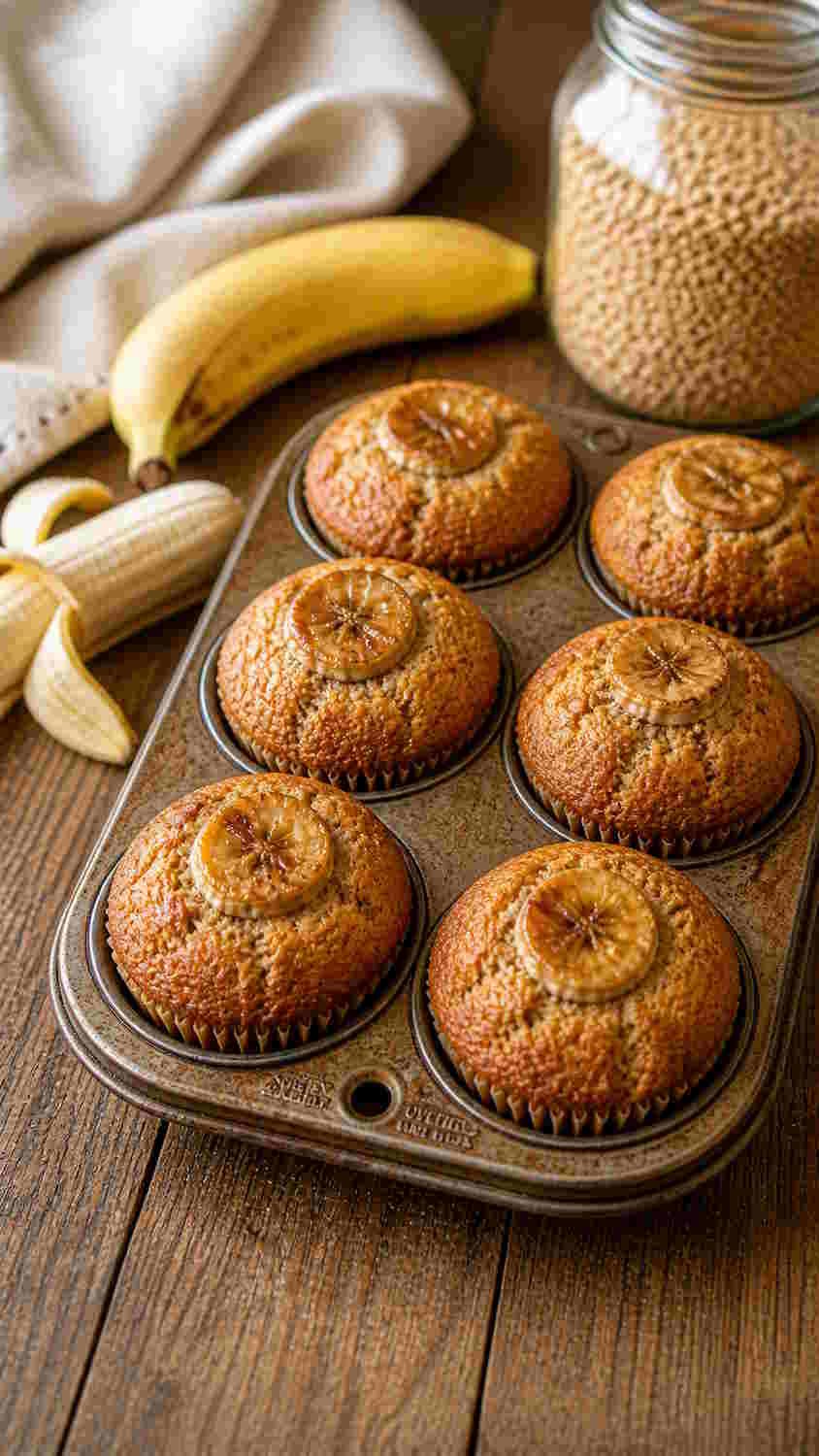
Banana Wheat Germ Muffins
Ingredients
Equipment
Method
- Preheat the oven to 375°F (190°C). Line a 12-cup muffin tin with paper liners or grease well.
- In a large bowl, mash the bananas with a fork until smooth. Whisk in the eggs, yogurt, oil, vanilla, and brown sugar until combined.
- Add the whole wheat flour, wheat germ, all-purpose flour, baking soda, cinnamon, and salt. Stir gently until just combined — do not overmix.
- Divide the batter evenly among the 12 muffin cups. Each cup should be about two-thirds full.
- Bake for 20–24 minutes, until a toothpick inserted in the centre of a muffin comes out clean or with just a few moist crumbs. Cool in the pan for 5 minutes before transferring to a rack.
Nutrition
Notes
Tried this recipe?
Let us know how it was!6. Superfood Smoothie
This smoothie earns the “superfood” label honestly — wheat germ joins spinach, banana, berries, and a protein source to produce a 335-calorie, 14g-protein, 6g-fiber drink that functions as a complete meal rather than a light snack. It’s the most calorie-dense recipe in this roundup, designed to be filling for active mornings when you need sustained energy. The wheat germ blends completely smooth and won’t leave any gritty texture if you use a standard blender.
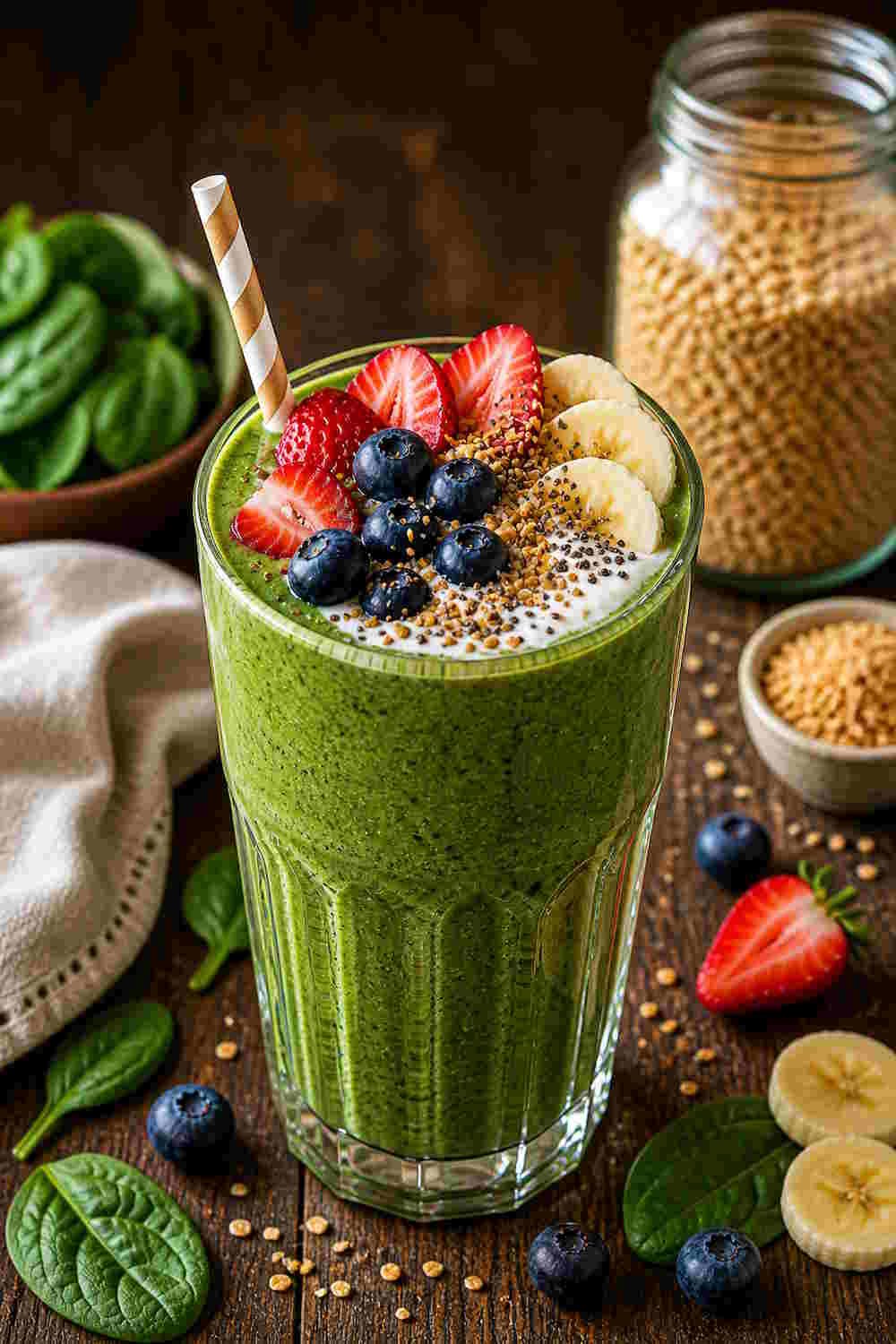
Wheat Germ Superfood Smoothie
Ingredients
Equipment
Method
- Add the liquid and spinach to the blender first — placing liquid at the bottom helps everything blend smoothly.
- Add the banana, berries, wheat germ, Greek yogurt, coconut oil, and honey.
- Blend on high for 45–60 seconds until completely smooth. Taste and adjust sweetness with more honey if needed.
- Pour into a large glass and serve immediately, or seal in a travel cup and refrigerate for up to 8 hours.
Nutrition
Notes
Tried this recipe?
Let us know how it was!7. Honey Wheat Bread
This is the recipe for bakers who want a proper loaf — honey and whole wheat flour form the base, and wheat germ is folded in for a tender crumb with a slightly richer flavor than standard sandwich bread. One slice comes to 165 calories with 5g of protein and 3g of fiber, and a full loaf yields 16 slices that slice cleanly for sandwiches all week. The 90-minute rise time is passive, so the total hands-on effort is closer to 55 minutes. This bread pairs wonderfully alongside the Easy Apple Cake for a whole-grain baking day.
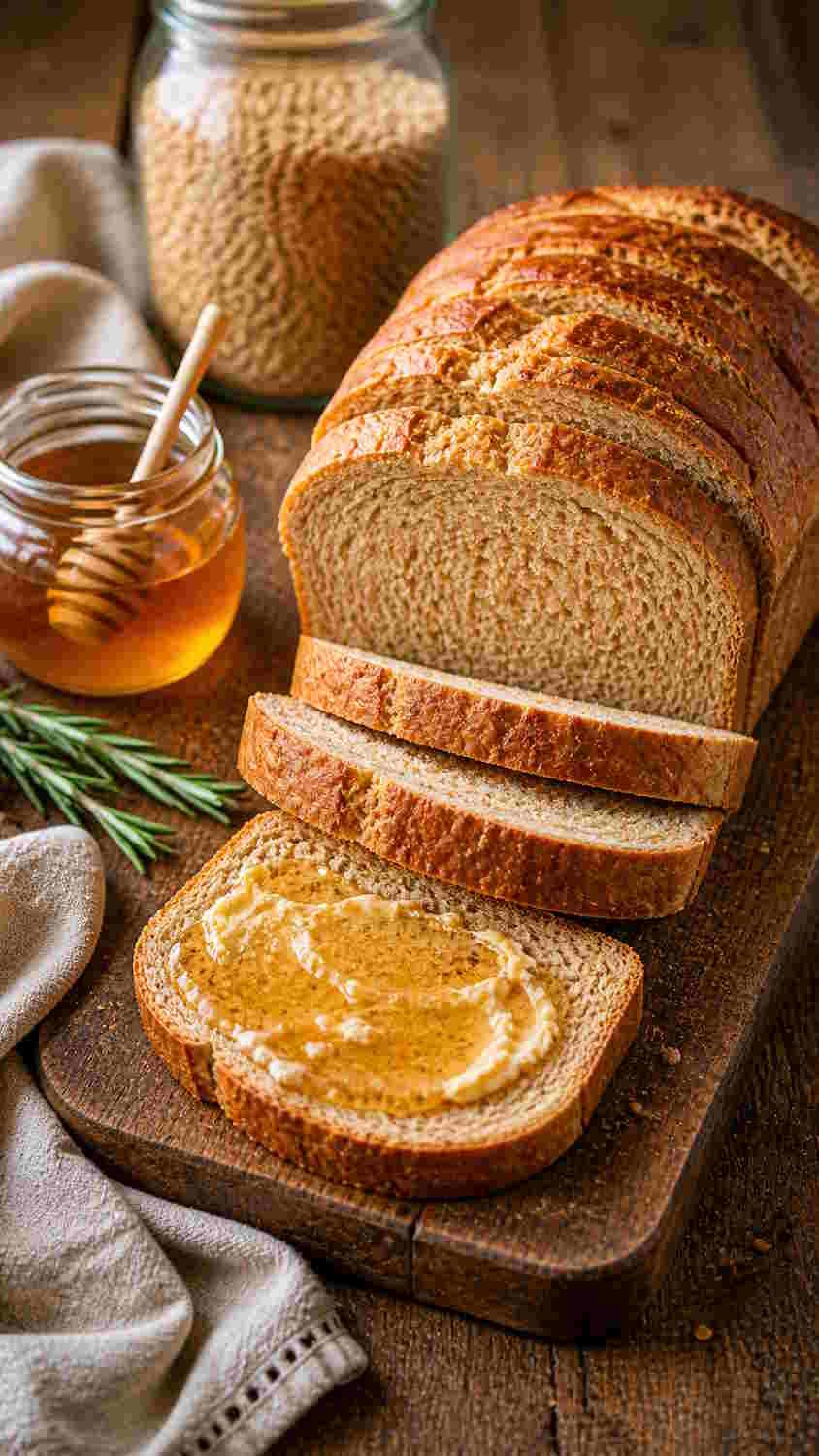
Honey Wheat Germ Bread
Ingredients
Equipment
Method
- In a large bowl or the bowl of a stand mixer, combine the warm water and honey. Sprinkle the yeast over the top and let it sit for 5–10 minutes until foamy. If the yeast doesn’t foam, it is likely expired — start again with fresh yeast.
- Add the oil, whole wheat flour, and wheat germ to the yeast mixture. Stir to combine. Add the salt and all-purpose flour gradually, stirring until a shaggy dough forms.
- Knead the dough by hand on a lightly floured surface for 8–10 minutes, or with a dough hook on medium speed for 6–8 minutes, until the dough is smooth, elastic, and just slightly tacky.
- Place the dough in a lightly oiled bowl, cover with a damp towel or plastic wrap, and let it rise in a warm spot for 60–90 minutes until doubled in size.
- Punch down the dough gently. Shape into a loaf and place in a greased 9×5-inch loaf pan. Cover and let rise for another 30–45 minutes until the dough crowns about 1 inch above the rim of the pan.
- Preheat the oven to 375°F (190°C) during the second rise. Bake for 28–32 minutes until deep golden brown and the loaf sounds hollow when tapped on the bottom. An internal temperature of 190–200°F (88–93°C) confirms doneness. Cool completely on a wire rack before slicing.
Nutrition
Notes
Tried this recipe?
Let us know how it was!8. Chewy Chocolate Granola Bars
Store-bought granola bars rarely come close to homemade — this version uses oats, wheat germ, dark chocolate chips, honey, and nut butter to create bars with real chew, 185 calories each, and 3g of fiber per bar. The wheat germ replaces some of the oat volume and adds a slightly earthy, toasted note, keeping the chocolate from being too sweet. These hold together better than most no-bake bars because the baked wheat germ gives them structural integrity — pop them in the fridge, and they’re ready in under an hour.
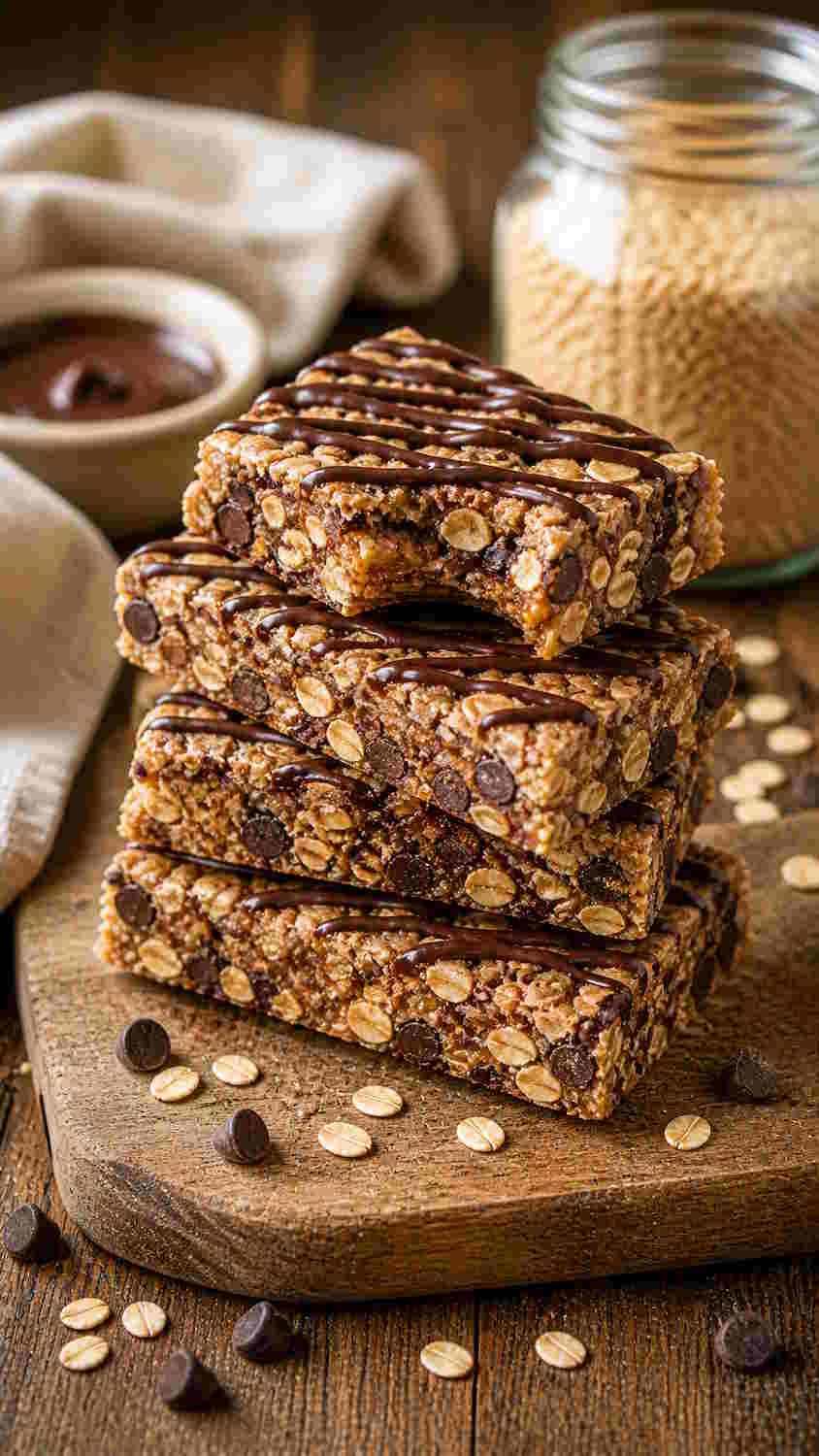
Chewy Chocolate Wheat Germ Granola Bars
Ingredients
Equipment
Method
- Preheat the oven to 350°F (175°C). Line an 8×8-inch baking pan with parchment paper, leaving overhang on two sides to lift bars out easily.
- In a medium saucepan over low heat, combine the honey, nut butter, and butter. Stir until melted and smooth, about 2–3 minutes. Remove from heat and stir in the vanilla.
- In a large bowl, combine the oats, wheat germ, salt, and sunflower seeds (if using). Pour the warm honey mixture over the top and stir until everything is evenly coated.
- Let the mixture cool for 3–5 minutes, then fold in the chocolate chips (waiting prevents them from fully melting, which creates nice chocolate pockets rather than a fully chocolate-coloured bar).
- Transfer the mixture to the prepared pan and press down firmly and evenly with the back of a spoon or damp hands. The firmer you press, the better the bars hold together.
- Bake for 18–22 minutes until the edges are golden. Cool completely in the pan — at least 30 minutes at room temperature, then refrigerate for 15 minutes for cleanest cuts. Lift out using the parchment and cut into 12 bars.
Nutrition
Notes
Tried this recipe?
Let us know how it was!9. Toasted Muesli
Unlike Swiss-style cold muesli, this toasted version is baked low and slow to develop complex flavor across the oats, seeds, dried fruit, and wheat germ before serving. At 250 calories per half cup with 7g of protein and 5g of fiber, it’s the most protein-rich and fiber-rich recipe in the collection — ideal for adults who want a breakfast that actually keeps them full until lunch. Store it in a glass jar for up to three weeks, then enjoy it with yogurt or plant milk, or as a topping for a seasonal fruit dessert.
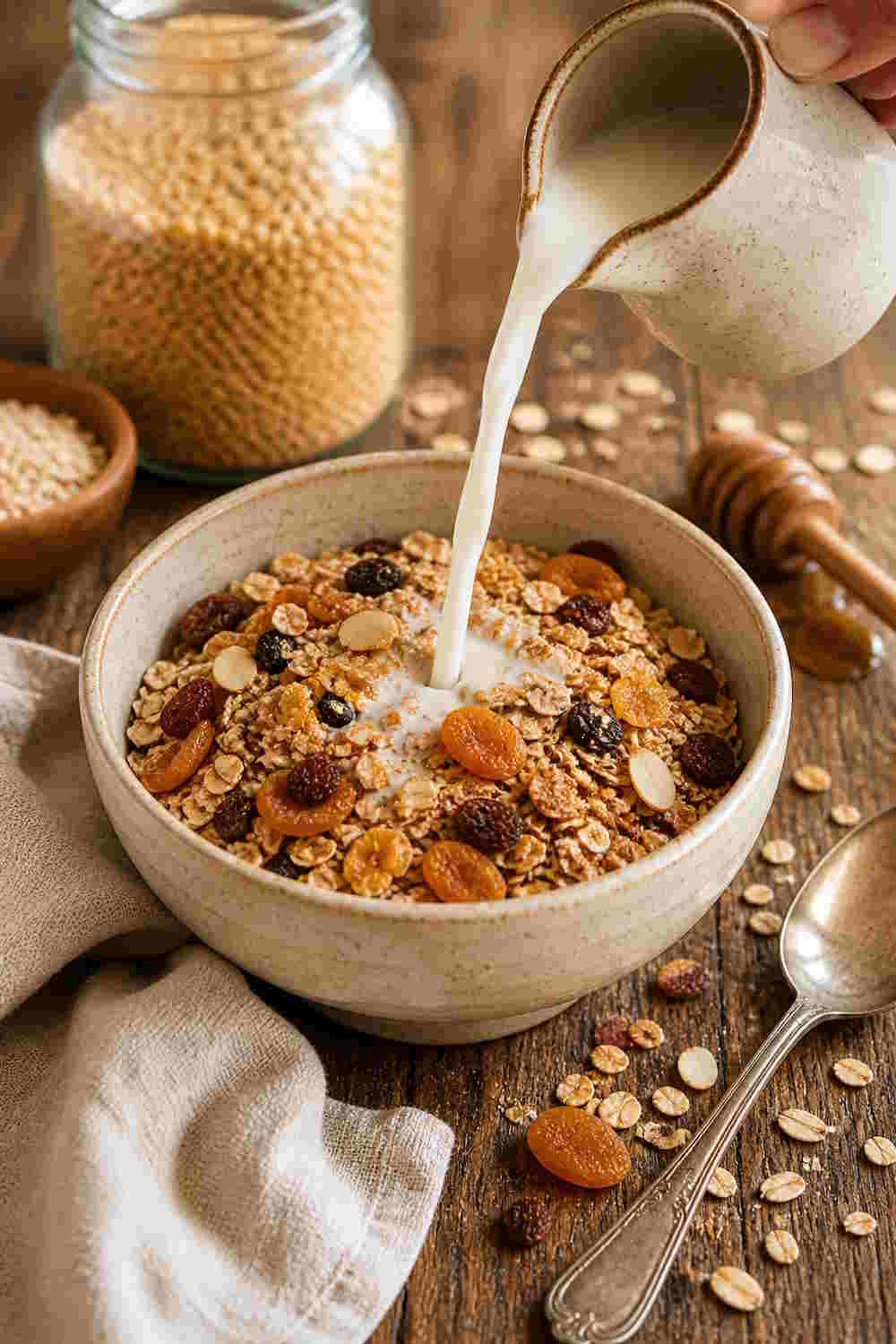
Toasted Wheat Germ Muesli
Ingredients
Equipment
Method
- Preheat oven to 300°F (150°C) — lower than granola, because we want dry and toasted without the muesli forming clumps. Line a large baking sheet with parchment.
- In a large bowl, combine the oats, wheat germ, sunflower seeds, pumpkin seeds, and sliced almonds. Toss to mix.
- Drizzle the maple syrup and melted coconut oil over the mixture. Add the cinnamon and salt. Stir thoroughly until every grain is lightly coated — but do not press or compact; muesli should stay loose, not form clusters like granola.
- Spread evenly on the baking sheet in a loose layer. Bake for 25–30 minutes, stirring every 10 minutes, until golden and fragrant. The wheat germ will turn a warm golden-brown colour.
- Remove from the oven and cool completely on the tray. Once cool, transfer to a large bowl and stir in the dried fruit. Store in a sealed glass jar at room temperature for up to 3 weeks.
Nutrition
Notes
Tried this recipe?
Let us know how it was!10. Wheat Germ French Bread
French bread gets a whole-grain upgrade here — wheat germ is worked into a lean dough that produces a crisp crust and an open, airy crumb with noticeably more depth of flavor than standard white-flour baguettes. Each slice is just 145 calories with 5g of protein and a mere 1g of fat, making this the lightest bread in the collection. The 90-minute rise is hands-off, and once baked, the loaves fill the kitchen with the kind of aroma that makes the whole project feel worthwhile. Great alongside soups or served as part of a healthy teen lunch spread.
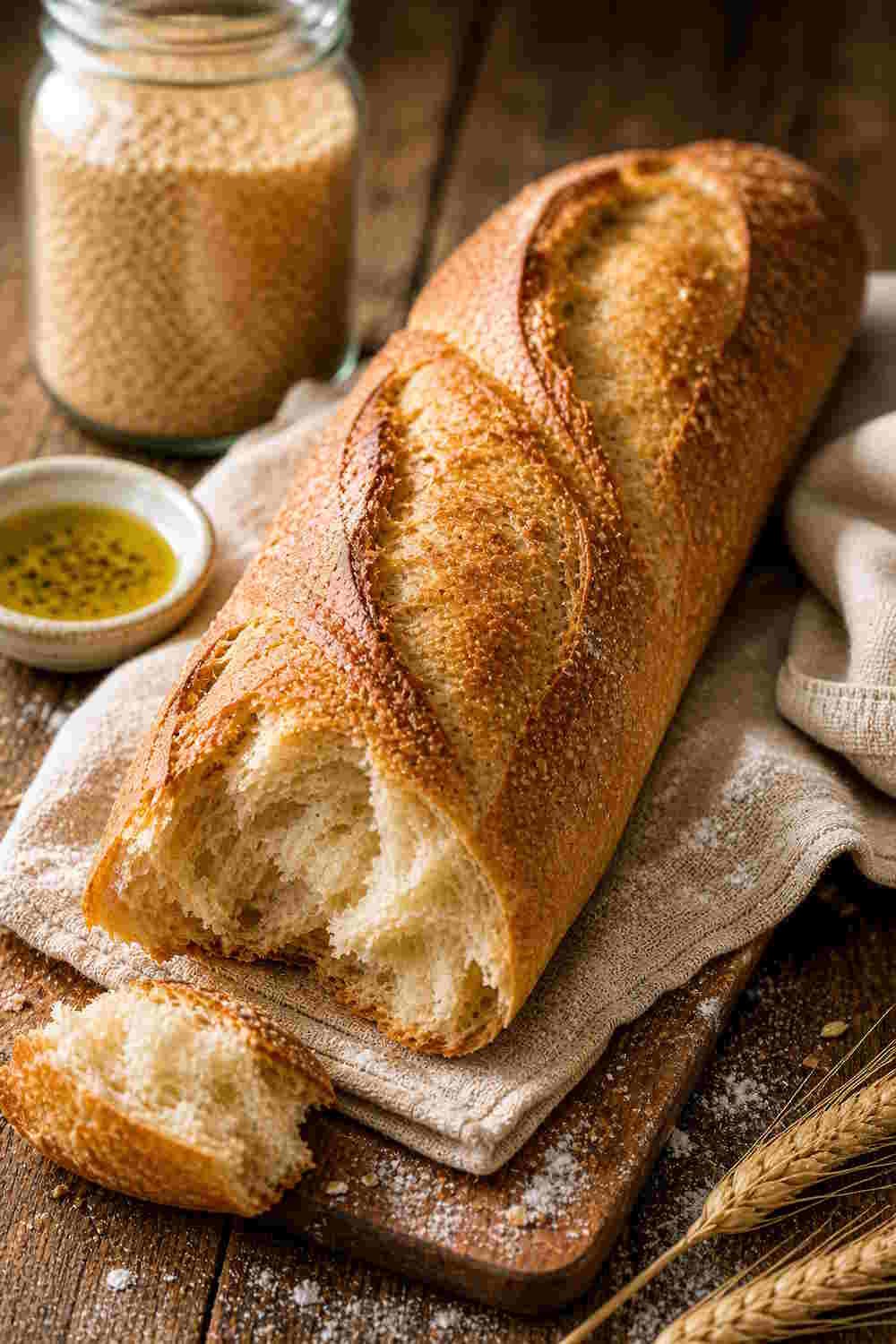
Wheat Germ French Bread
Ingredients
Equipment
Method
- Combine warm water, sugar, and yeast in a large bowl. Stir gently and let stand for 5–10 minutes until foamy. If the yeast doesn’t foam, start over with fresh yeast — the water may have been too hot or too cold.
- Add the salt and olive oil (if using) to the yeast mixture. Stir in the wheat germ, then add the flour one cup at a time, stirring until a rough dough forms.
- Turn the dough onto a lightly floured surface and knead for 8–10 minutes by hand (or 6 minutes with a dough hook on medium speed) until smooth, elastic, and no longer sticky.
- Place in an oiled bowl, cover, and let rise in a warm spot for 60–90 minutes until doubled.
- Punch down the dough and shape into a long baguette or two shorter loaves. Place on a parchment-lined baking sheet or in a baguette pan. Let rise, uncovered, for 30–45 minutes.
- Preheat oven to 425°F (220°C). Score the top of the loaf with 3–4 diagonal slashes using a sharp knife. Mist with a spray bottle of water, or place a small pan of hot water on the oven floor for steam (creates a crispier crust). Bake for 25–30 minutes until deep golden and hollow-sounding when tapped. Cool on a wire rack for at least 15 minutes before slicing.
Nutrition
Notes
Tried this recipe?
Let us know how it was!11. Wheat Germ Smoothie
This is the lighter, everyday version of the Superfood Smoothie — no coconut oil, so it comes in at 280 calories with 12g of protein and 5g of fiber, making it a quicker weekday option that’s still genuinely filling. The wheat germ blends seamlessly into the banana and berry base and contributes its full vitamin E and B-vitamin payload without significantly changing the flavor. It’s a practical way to hit your whole-grain quota on mornings when baking isn’t on the agenda.
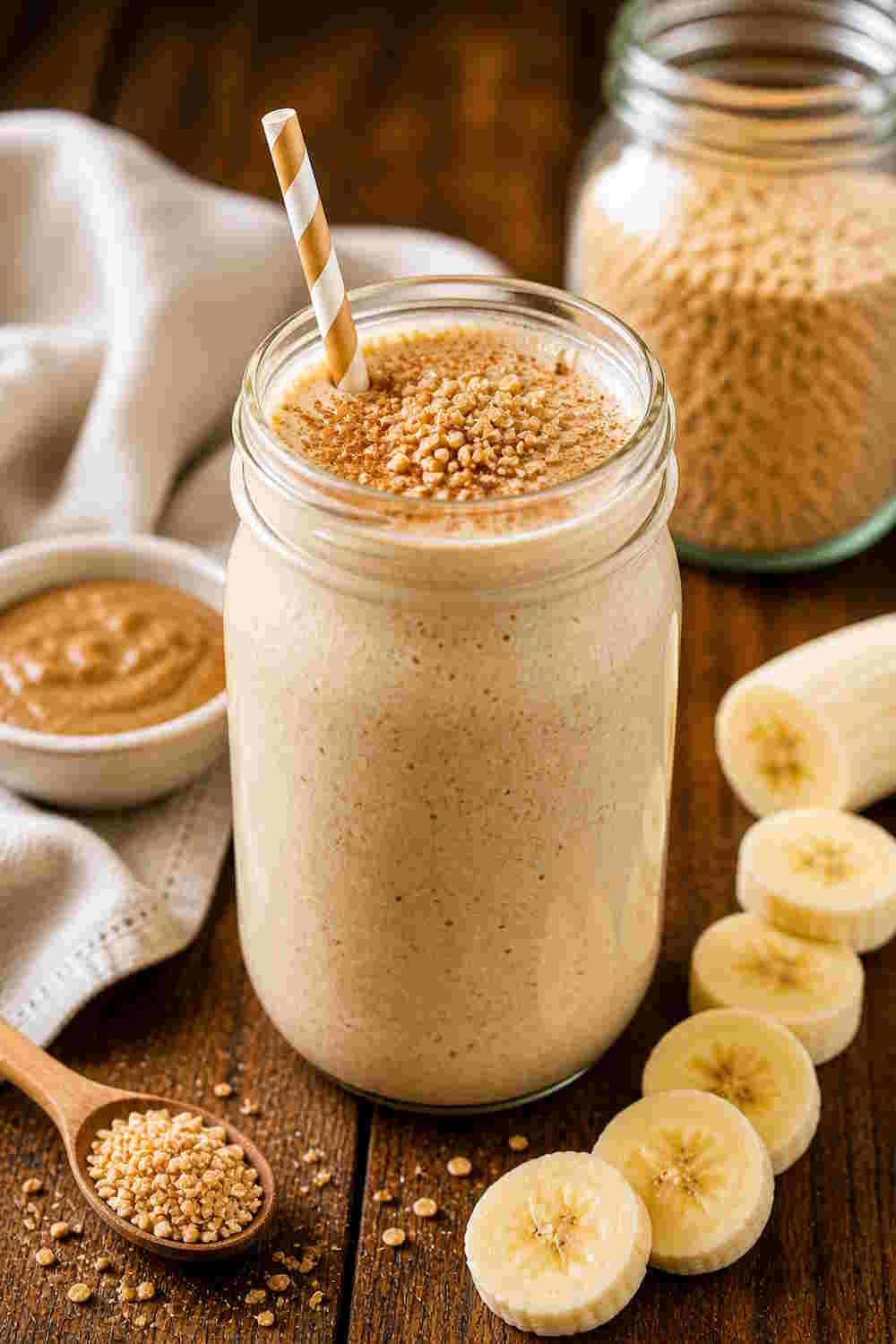
Wheat Germ Smoothie
Ingredients
Equipment
Method
- Add the milk to the blender first, then layer in the Greek yogurt, banana, blueberries, and wheat germ. Add the honey if using.
- Blend on high for 30–45 seconds until completely smooth. Taste and adjust sweetness with more honey if desired.
- Pour into a large glass and serve immediately. For a meal-prep option, seal in a mason jar and refrigerate for up to 8 hours — shake vigorously before drinking.
Nutrition
Notes
Tried this recipe?
Let us know how it was!12. Peanut Butter Granola Bars
Peanut butter and wheat germ are a natural match — both have a rich, slightly earthy flavor that works beautifully with oats, honey, and a handful of chocolate chips or dried cranberries. These bars come in at 200 calories and 6g of protein each in the baked version, and the no-bake variant (just refrigerate until firm) is equally good if you want to skip the oven. The yield of 12–16 bars means you can cut them larger for a post-workout snack or smaller for a picky-eater lunchbox treat.
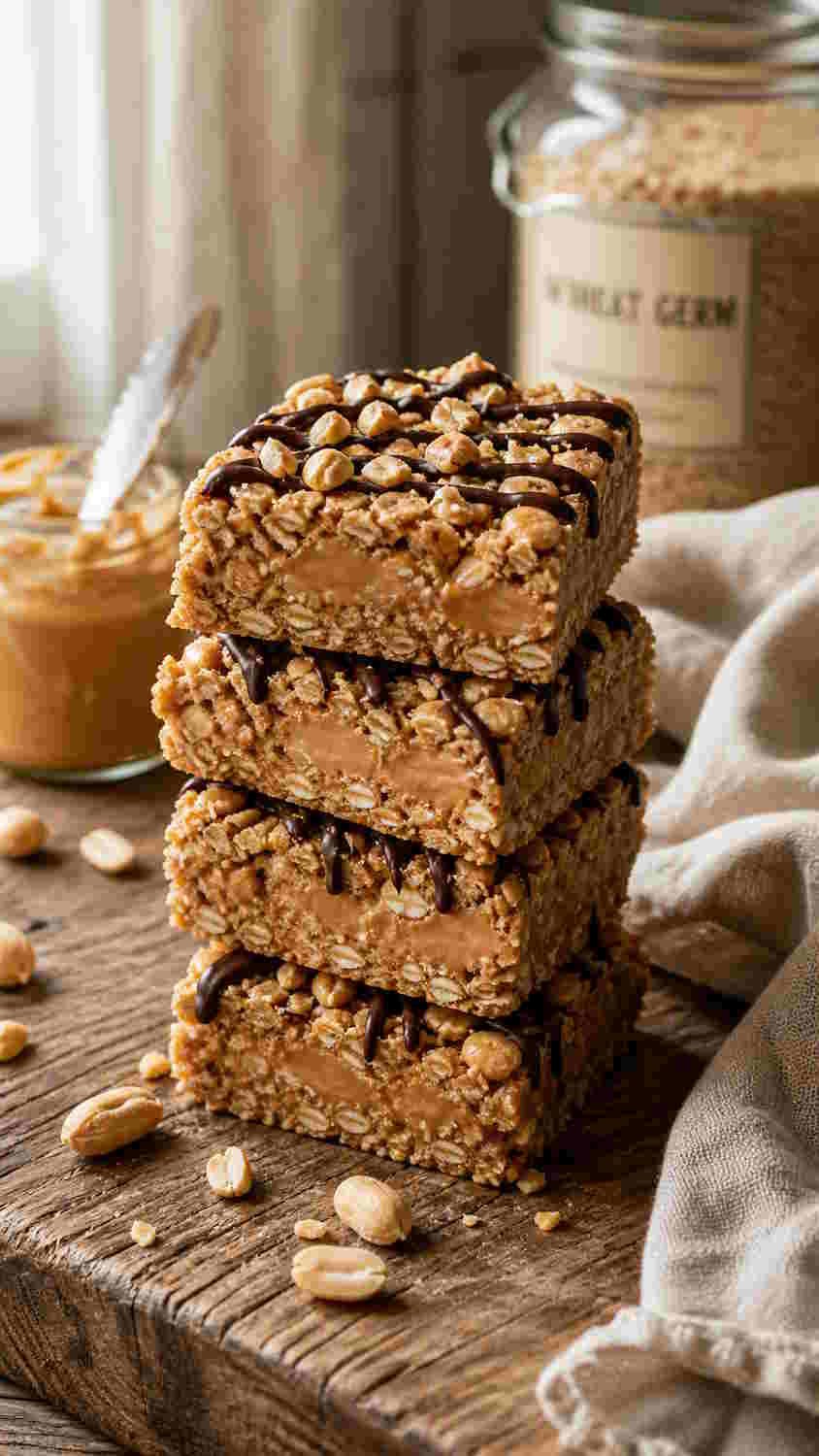
Peanut Butter Wheat Germ Granola Bars
Ingredients
Equipment
Method
- For baked bars: Preheat the oven to 350°F (175°C). Line an 8×8-inch pan with parchment paper, leaving overhang on two sides.
- In a medium saucepan over low heat, combine the peanut butter, honey, and coconut oil. Stir until melted and smooth, about 2–3 minutes. Remove from heat and stir in the vanilla.
- In a large bowl, combine the oats, wheat germ, salt, and chopped peanuts (if using). Pour the warm peanut butter mixture over the dry ingredients and stir until thoroughly combined.
- Let the mixture cool for 3–4 minutes, then fold in the chocolate chips or dried cranberries. Transfer to the prepared pan and press down very firmly in an even layer.
- Baked version: Bake for 18–22 minutes until golden at the edges. Cool completely in the pan, then refrigerate for 15 minutes before cutting. No-bake version: Skip baking — simply press firmly into the pan and refrigerate for at least 1 hour until firm, then cut.
- Lift the bars from the pan using the parchment overhang. Cut into 12 generous bars or 16 smaller bars. Store in the refrigerator for cleanest cuts and best texture.
Nutrition
Notes
Tried this recipe?
Let us know how it was!Chef’s Tips for Baking with Wheat Germ
Store wheat germ properly — it goes rancid fast: Wheat germ is high in natural fats, which makes it perishable. Once opened, transfer it to an airtight container and store it in the refrigerator (up to 6 months) or freezer (up to 1 year). Rancid wheat germ smells sour or paint-like — if yours smells off, discard it and start fresh.
Buy vacuum-sealed jars from the refrigerated section: The best wheat germ arrives vacuum-sealed in glass jars and is often stocked in the refrigerated section of health food stores. Toasted wheat germ (Kretschmer is the most widely available brand) works equally well in all 12 of these recipes.
Toasted vs. raw wheat germ: Toasted wheat germ has a deeper, nuttier flavor and is less perishable because the toasting process reduces moisture. Raw wheat germ is slightly higher in some heat-sensitive nutrients (like certain B vitamins) but has a milder flavor and shorter shelf life. Either works in all the recipes here — use whichever you have.
Substitute wheat germ for up to 25% of flour: The universal rule for adding wheat germ to any existing recipe: replace up to ¼ cup of flour per cup of total flour with wheat germ. Beyond 25%, the texture becomes dense and the rise suffers. Start at 2 tablespoons per cup if you’re experimenting with a new recipe.
Toast it yourself for even better flavor: Spread raw wheat germ in a single layer on a dry skillet over medium-low heat. Toast for 3–5 minutes, stirring constantly, until it turns golden and smells nutty. Cool completely before using. This small step adds significant flavor depth to granola, muesli, and energy balls.
Signs of rancidity to watch for: Fresh wheat germ smells pleasantly nutty or faintly sweet. Rancid wheat germ develops a sharp, bitter, or paint-thinner smell. If you’re unsure, taste a tiny pinch — rancid wheat germ tastes bitter and acrid. Always smell your wheat germ before adding it to a recipe.
Storage and Serving Suggestions
Wheat Germ (the ingredient): Store in an airtight container in the refrigerator for up to 6 months, or in the freezer for up to 1 year. Always label with the date of opening. Vacuum-sealed, unopened jars can be kept at room temperature until opened.
Baked Goods (muffins, bars, bread): Muffins and granola bars keep at room temperature in an airtight container for 3–4 days, or refrigerated for up to 1 week. Bread (both honey wheat and French) is best eaten within 2–3 days at room temperature, wrapped in a clean cloth or stored in a bread bag. All baked goods freeze well for up to 3 months — wrap individually in plastic wrap before bagging.
Granola and Muesli: Store in a sealed glass jar at room temperature for up to 3 weeks. The toasted wheat germ in granola is stable at room temperature once baked — the heat has stabilized the fats sufficiently for short-term storage.
Energy Balls: Refrigerate in an airtight container for up to 2 weeks, or freeze for up to 3 months. They thaw at room temperature in about 15 minutes.
Pairing Suggestions: The chocolate chip and banana muffins pair beautifully alongside fresh fruit. The honey wheat bread is excellent with natural nut butter for a filling after-school snack — see these healthy teen lunch ideas for more pairing inspiration. Energy balls and granola bars are natural additions to a picky-eater lunchbox lineup. The whole wheat pancakes make a great weekend brunch centrepiece — try them alongside a Dutch pancake with spiced apples for a full spread. And the toasted muesli is a natural fit in a Mediterranean diet breakfast plan.
Frequently Asked Questions
What is wheat germ?
Wheat germ is the embryo of the wheat kernel — the part of the grain that would sprout into a new plant. It makes up only about 2.5% of the wheat kernel by weight, but it’s the most nutrient-dense portion, containing vitamin E, B vitamins, plant-based protein, healthy fats, and minerals like zinc and magnesium. It’s removed during the milling of white flour, which is why whole-grain products are nutritionally superior.
Is wheat germ gluten-free?
No — wheat germ contains gluten. It is derived from the wheat kernel, making it unsuitable for anyone with celiac disease or a wheat allergy. If you follow a gluten-free diet, wheat germ is not an appropriate substitute for other flours or add-ins. Look for certified gluten-free oat bran or ground flaxseed as alternatives for a similar texture and nutrition.
How do you store wheat germ?
Once opened, wheat germ should be stored in an airtight container in the refrigerator for up to 6 months, or in the freezer for up to 1 year. Because wheat germ is high in natural oils, it goes rancid relatively quickly at room temperature. Fresh wheat germ smells pleasantly nutty — if it develops a sharp or sour smell, it has gone rancid and should be discarded.
What are the benefits of wheat germ?
Wheat germ is a rich source of vitamin E, one of the most potent natural antioxidants found in food. It also provides plant-based protein (approximately 6–8g per quarter cup), B vitamins including folate and thiamine, dietary fiber, and minerals such as zinc and magnesium. Incorporating wheat germ into baked goods and smoothies can contribute to a more nutrient-dense diet compared to recipes made with refined white flour.
You Might Also Like
A tender, moist apple cake made with simple pantry ingredients — perfect for bakers who love fruit-forward recipes with whole-grain appeal.
Chewy, fruity, and easy to pack — these raspberry bars are a crowd-pleasing lunchbox staple that taste as good as they look.
A dramatic oven-puffed pancake topped with warm cinnamon apples — show-stopping brunch that pairs beautifully with whole-grain wheat germ pancakes.
Quick recipes, prep tips, and snack ideas for a Mediterranean-style morning — wheat germ granola, muffins, and smoothies all slot in beautifully.
Keep a jar of wheat germ in your refrigerator, and you’ll find yourself reaching for it constantly — a spoonful into pancake batter, a handful into granola, two tablespoons blended into a morning smoothie. These 12 recipes are just the starting point for one of the most versatile and genuinely nutritious pantry additions available to home bakers.
Medical Disclaimer: The nutritional information provided in this article is for informational purposes only. While we strive for accuracy, individual responses to foods vary. Always consult with your healthcare provider or registered dietitian about dietary changes.


