
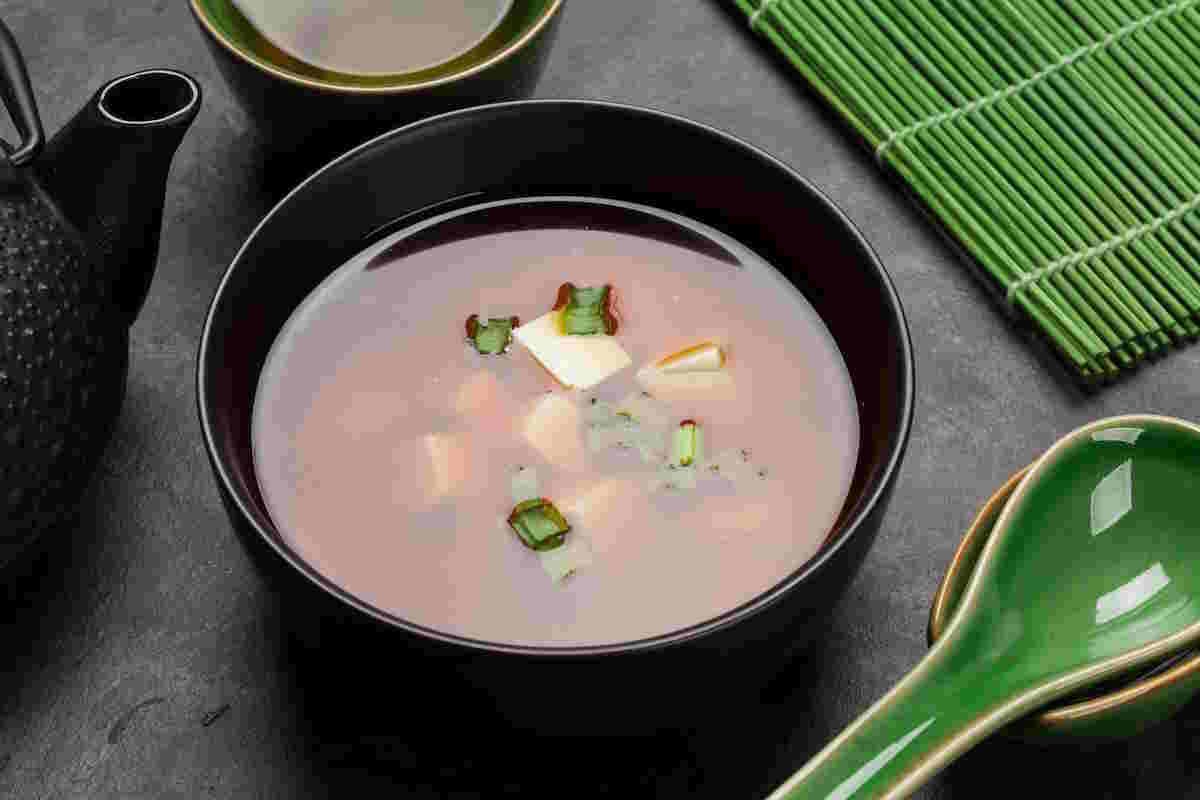
Miso soup is one of the most forgiving recipes in Japanese cooking — five ingredients, fifteen minutes, and the kind of warmth that’s genuinely hard to replicate from a packet. This version uses silken tofu and fresh spinach in a dashi or vegetable broth, dissolves the miso in the off-heat broth to preserve the probiotics, and comes in at just 6g net carbs per bowl. Keto, vegan, and ready before your kettle boils twice.
The one technique that separates good miso soup from great miso soup: never boil after adding the miso. Heat destroys the beneficial bacteria that make fermented miso worth eating in the first place. Pull the pot off the heat, dissolve the paste in a ladle of broth, then stir it back in. That’s the whole secret.
⏱️ Quick Stats
✓ Vegan
✓ Low-Carb
✓ Diabetic-Friendly
✓ Gluten-Free Option
🥑 Why This Miso Soup Works
Only 6g net carbs — genuinely keto: The carbs in this miso soup come entirely from naturally occurring sources in tofu and miso paste. No cornstarch, no noodles, no sugar. At 6g net carbs and 85 calories per bowl, it fits comfortably within keto macros as a starter, a light lunch, or a side alongside any of the dishes in our keto Japanese food guide.
Probiotic power from fermented miso: Miso is a fermented paste made from soybeans — and fermentation produces beneficial bacteria that support gut health. Research suggests gut microbiome health is closely connected to insulin sensitivity and blood sugar regulation. This is why the off-heat technique matters: keeping the miso below boiling preserves those live cultures.
Complete plant protein from tofu: Silken tofu provides all nine essential amino acids — a full protein profile from a plant source. The 8g of protein per serving here supports blood sugar stability and satiety in a bowl with only 85 calories.
Spinach adds magnesium: Magnesium plays a key role in glucose metabolism, and many people managing blood sugar are deficient in it. A couple of cups of fresh spinach is one of the most efficient ways to address that — and in a 15-minute miso soup, it costs nothing in terms of effort.
Sodium is controllable: Traditional miso soup can be high in sodium. Using low-sodium miso paste and low-sodium broth brings this into a reasonable range while preserving the deep, fermented flavor. See the Chef’s Tips below for specific recommendations.
Restaurant Miso Soup vs. Homemade
| Factor | Restaurant | This Recipe | Difference |
|---|---|---|---|
| Sodium | 800–1,200mg | ~400mg | ~60% less |
| Live Probiotics | ❌ Boiled away | ✅ Preserved | Off-heat technique |
| Net Carbs | 6–10g | 6g | Controlled |
| Calories | 40–100 | 85 | Comparable |
| Time | Delivery wait | 15 minutes | Faster |
Here’s the full miso soup recipe — ingredients, steps, and variation notes in one card:
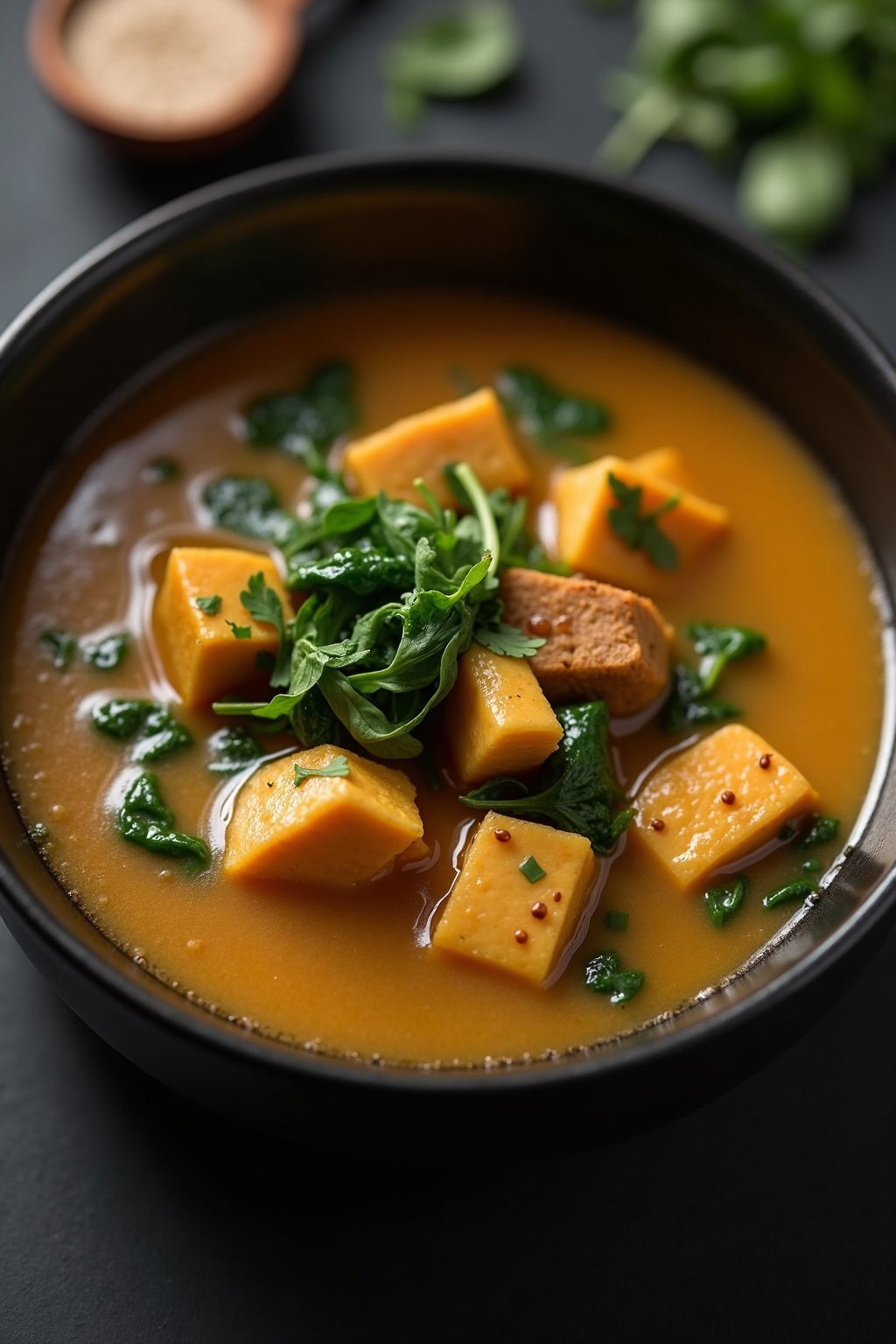

Miso Soup with Tofu and Spinach | Keto, Low-Carb & Diabetic-Friendly
Ingredients
Equipment
Method
- Pour dashi or vegetable broth into a medium pot and heat over medium heat until it reaches a gentle simmer. Do not let it come to a rolling boil.
- While broth heats, cube the silken tofu into 1/2-inch pieces using a sharp knife. Handle gently as silken tofu is delicate.
- Once broth is simmering, carefully add the cubed tofu. Let it warm in the broth for about 2 minutes without stirring too much to prevent breaking apart.
- Add the fresh spinach to the pot and cook just until wilted, about 30 seconds to 1 minute. The spinach should be bright green.
- Remove the pot completely from heat. This step is crucial to preserve the probiotics in miso.
- Place the miso paste in a small bowl or ladle. Add a few spoonfuls of the hot broth to the miso and whisk until smooth and dissolved.
- Pour the dissolved miso mixture back into the pot and gently stir to combine evenly throughout the soup.
- Ladle the soup into bowls immediately. Garnish with sliced green onions and sesame seeds if desired. Serve hot and enjoy!
Nutrition
Notes
Tried this recipe?
Let us know how it was!
Chef’s Tips for Perfect Miso Soup
Never boil after adding miso: This is the single most important rule. High heat destroys the beneficial probiotics in fermented miso paste. Remove the pot from the heat completely before whisking the miso in — even residual heat from a still-on burner is too much. The soup will be perfectly hot for serving.
Dissolve miso in a ladle first: Don’t add miso paste directly to the pot and expect it to dissolve evenly. Scoop a ladleful of hot broth, whisk the miso paste into that small amount until completely smooth, then pour it back into the pot. Lumps of undissolved miso in the bowl are a fixable problem.
Choose low-sodium options: Standard miso paste can push a single bowl past 900mg sodium. Look for low-sodium miso paste (shiro/white miso tends to be milder than red/aka miso) and low-sodium broth. You’ll still get the full flavor with significantly less salt — important for anyone managing blood pressure alongside blood sugar.
Silken vs. firm tofu: Silken tofu creates the classic smooth, delicate Japanese texture. Firm tofu gives you more chew and higher protein density, but needs more careful handling to not crumble. Handle silken tofu with a spoon, not a spatula — it’s delicate.
Make it heartier: Shiitake mushrooms, wakame seaweed, scallions, or sliced zucchini all work beautifully and add minimal carbs. Rehydrated wakame seaweed is the most traditional addition — soak a small amount in cold water for 5 minutes before adding to the bowl.
Check your miso label for gluten: Most miso is naturally gluten-free, but some varieties contain barley. If you’re managing celiac disease or gluten sensitivity, look for miso labeled 100% soy or rice miso — or specifically “gluten-free.”
📦 Storage and Serving Suggestions
Refrigerator Storage: Store leftover miso soup in an airtight container for up to 3 days. The tofu will absorb some liquid and become slightly firmer, but the flavor remains excellent. Reheat gently over low heat — do not boil, for the same reason you don’t boil after adding miso initially.
Freezer Storage: You can freeze miso soup for up to 1 month, but tofu texture changes noticeably when frozen — it becomes spongier and more porous. If you plan to freeze, consider making the broth base without tofu, freezing that, then adding fresh tofu when reheating.
Meal Prep Strategy: Prepare the broth and cube the tofu up to 2 days in advance. Store separately. Add fresh spinach and dissolve the miso only when reheating — spinach wilts fast and miso probiotics are worth preserving. The whole assembly takes 5 minutes from cold broth.
Serving Suggestions: Miso soup works as a light standalone lunch at 85 calories, or as a starter before grilled fish or a larger Japanese meal. Garnish with sliced green onions, sesame seeds, or strips of nori for an authentic presentation. For a complete low-carb Japanese spread, pair it with dishes from our 5 low-glycemic Japanese lunch ideas.
Pairs well with: This miso soup makes an excellent side alongside our Keto Egg Drop Soup for a multi-bowl Asian soup spread, or serve it before any of the dishes covered in our guide to Japanese dishes for blood sugar control.
Is miso soup keto-friendly?
Yes — this miso soup recipe contains only 6g net carbs per serving, well within strict keto macros. The carbs come entirely from naturally occurring sources in tofu and miso paste, with no added sugars, noodles, or starchy thickeners. It also delivers 8g of protein and only 85 calories per bowl, making it one of the most keto-efficient Japanese dishes you can make.
Can I make miso soup without dashi?
Yes. Dashi (Japanese fish stock) creates the most traditional flavor, but low-sodium vegetable broth is a fully vegan substitute that works beautifully here. You can also use a light chicken broth if you’re not cooking for vegans. Some grocery stores also carry instant dashi powder, which dissolves directly in hot water and keeps indefinitely — a convenient pantry staple if you make miso soup regularly.
Why does my miso soup taste bitter?
Bitterness in miso soup usually comes from one of three causes: the miso was boiled (high heat brings out harsh notes from the fermented paste), the miso was added too early and sat on heat too long, or the wrong type of miso was used (red/aka miso is significantly more intense and can taste bitter in a light broth — white/shiro miso is milder and better for beginners). Always add miso off-heat, first dissolved in a ladle of warm broth.
What can I add to miso soup to make it more filling?
Shiitake or enoki mushrooms add umami and texture while keeping carbs minimal. Wakame seaweed (rehydrated from dried form) is the most traditional addition and provides iodine and minerals. Sliced scallions, a soft-boiled egg, or extra-firm tofu all increase the protein content. For a heartier low-carb version, add zucchini noodles or shirataki noodles — they absorb the broth beautifully and keep the dish within keto macros.
🍽️ You Might Also Like
Another 5-minute Asian soup — silky, comforting, blood-sugar friendly.
The complete low-GI Japanese recipe collection in one place.
Keto and diabetic-friendly Japanese dishes beyond soup.
Plant-based soups that work for keto meal prep all week.
Miso soup is one of those recipes that repays learning properly. Once you understand why the miso goes in off-heat, you’ll never go back to the packet version — and you’ll find yourself making it on a Tuesday because it takes less time than reheating leftovers. At 85 calories and 6g net carbs, it fits into almost every eating plan. It just also happens to be deeply, genuinely good.
Medical Disclaimer: The nutritional information provided in this article is for informational purposes only. While we strive for accuracy, individual responses to foods vary. Always consult with your healthcare provider or registered dietitian about dietary changes, especially if you’re managing diabetes or other health conditions.


