
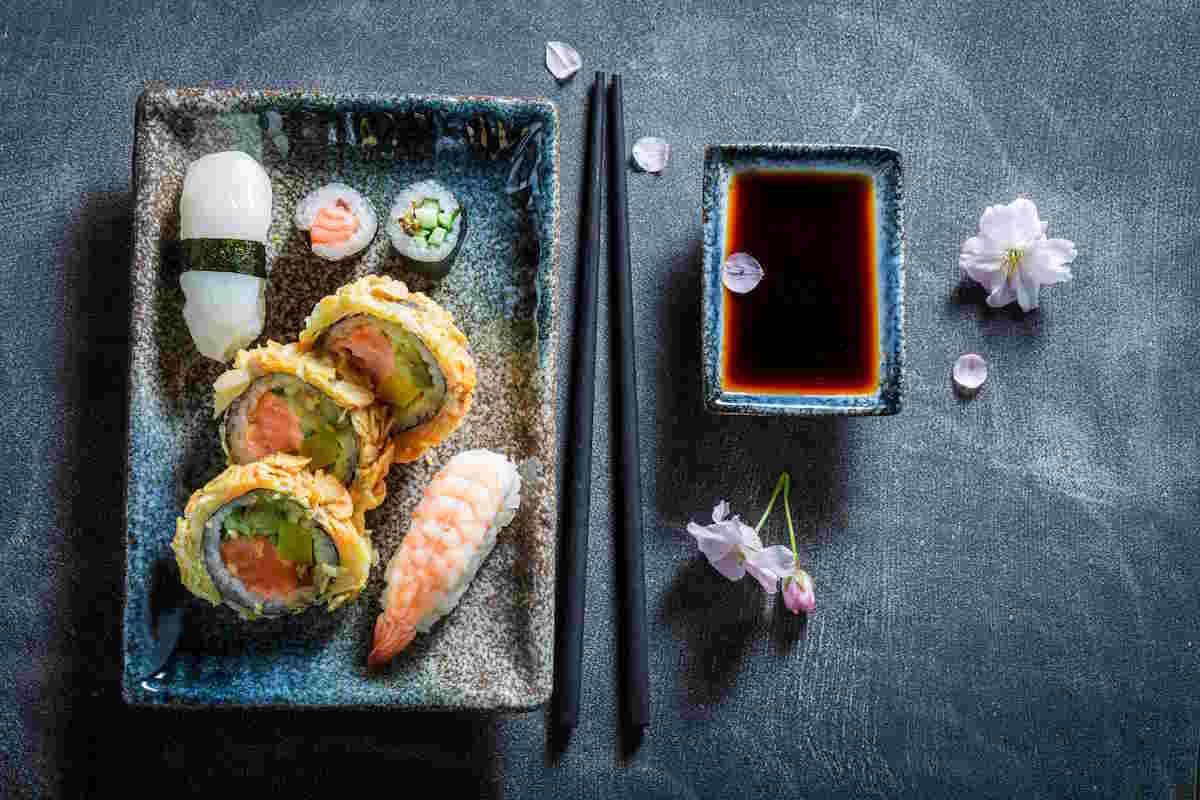
Keto sushi is not only possible — it’s one of the most satisfying ways to eat low-carb. The problem with traditional sushi was never the fish, the seaweed, or the wasabi. It was always the rice. A single California roll packs 30–40g of net carbs, almost entirely from seasoned white rice that’s been sweetened with sugar. Remove the rice — or swap it — and sushi becomes one of the most keto-compatible cuisines you can eat. This guide covers every angle: what to order at restaurants, what to skip, how to roll your own at home, and exactly how many carbs you’re looking at for each option.
📊 Sushi Rice vs. Keto Swaps: The Numbers
*Use tamari instead of soy sauce. Standard sushi rice contains added sugar from seasoning vinegar.
Why Traditional Sushi Rice Doesn’t Work on Keto
Sky-high glycemic index: White sushi rice scores around 85–90 on the glycemic index — for comparison, pure glucose is 100. It causes rapid blood sugar spikes even in moderate portions. Rice makes up 60–70% of a typical sushi roll, meaning your “salmon roll” is mostly a rice delivery system.
Hidden sugar in the seasoning: Traditional sushi rice is seasoned with a mixture of rice vinegar, salt, and sugar. That slightly sweet, sticky texture isn’t just starch — it’s added sugar doing its work. Most people don’t realize this until they check the ingredients.
Portion creep is real: Three standard rolls can easily hit 100g+ of net carbs. Even a “light” lunch of two rolls lands you at 60–80g — well beyond keto range and enough to spike blood sugar significantly.
The good news: Everything else about sushi — the fish, the seaweed, the wasabi, the ginger, the vegetables — is either zero-carb or negligible. Remove or replace the rice and sushi transforms from a carb bomb into one of the cleanest keto meals available. Keep reading for exactly how.
Traditional Sushi vs. Keto Sushi Swaps
| Order | Traditional Carbs | Keto Swap | Keto Carbs |
|---|---|---|---|
| California Roll (6 pcs) | ~33g net carbs | Cucumber-wrapped roll | ~3g |
| Tuna Roll (6 pcs) | ~28g net carbs | Tuna sashimi platter | 0g |
| Spicy Salmon Roll | ~30g net carbs | Spicy tuna cucumber boats | ~2g |
| Dragon Roll | ~35g net carbs | Naruto roll (cucumber wrap) | ~4g |
| Tempura Roll | ~45g net carbs | Shio yakitori + miso soup | ~5g |
| Chirashi Bowl | ~55g net carbs | Cauliflower rice chirashi | ~6g |
The Best Keto Sushi Options
Keto sushi comes down to one simple principle: keep the fish, the seaweed, the vegetables, and the flavor — lose the rice. These six options range from zero-effort restaurant orders to impressive home-rolled presentations, and all of them stay well under 5g net carbs per serving.
1. Sashimi — 0g Net Carbs
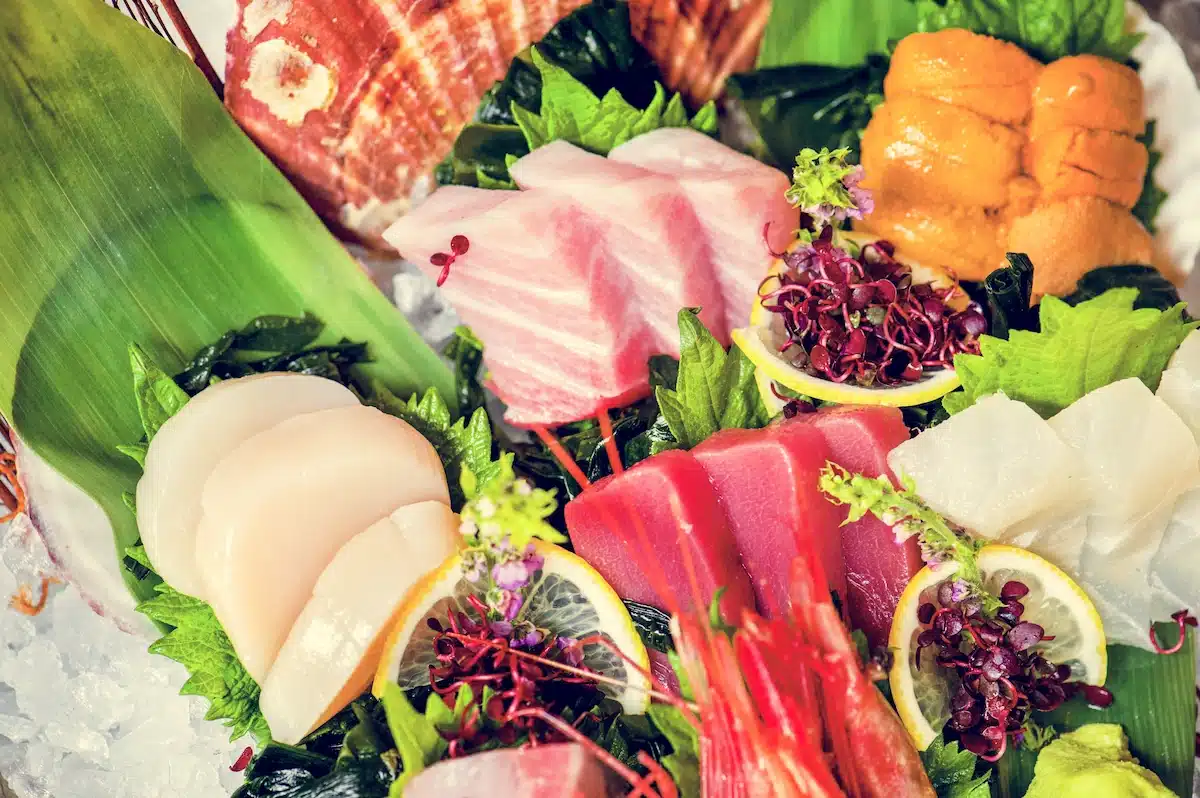
Sashimi is the gold standard for keto sushi. Thin slices of fresh fish served without any rice — just pure protein and healthy fats. Salmon sashimi delivers roughly 20g of protein and 7g of fat per 100g serving with 0g net carbs. The omega-3 fatty acids in fatty fish like salmon, tuna, yellowtail, and mackerel are associated with reduced inflammation and better cardiovascular health. Pair a sashimi platter with a seaweed salad and a bowl of miso soup for a complete, deeply satisfying keto meal. At a restaurant, this is the zero-effort keto sushi order — no modifications needed.
2. Cucumber-Wrapped Rolls (Naruto Style) — 2–4g Net Carbs
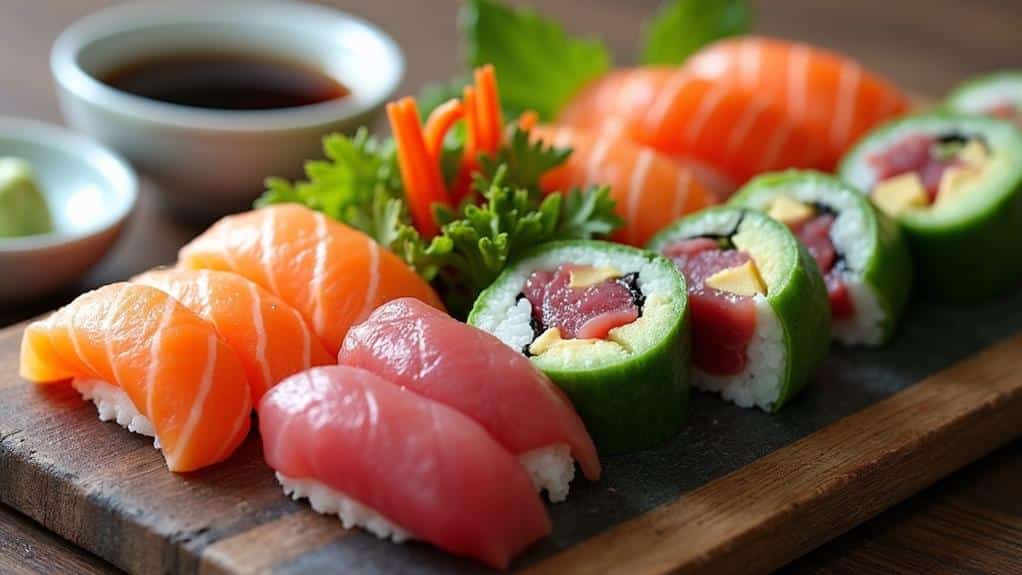
When you want the sushi roll experience without the rice, thin cucumber sheets become the wrapper. Naruto-style rolls hold spicy tuna, crab, salmon, avocado, or whatever filling you prefer — all wrapped in crisp, refreshing cucumber instead of rice and nori. You get the dipping, the wasabi kick, the satisfying bite, with a fraction of the carbs. These are surprisingly easy to make at home with a vegetable peeler or mandoline. Our step-by-step cucumber sushi rolls recipe walks you through the technique.
3. Cauliflower Rice Rolls — 4–6g Net Carbs
Cauliflower rice slashes the carb count by roughly 90% compared to traditional sushi rice — about 4g net carbs per cup versus 35–40g. It’s mild enough not to overshadow the fish and vegetables, and when seasoned with a splash of rice vinegar and a pinch of salt, it surprisingly mimics the texture and tang of real sushi rice. Steam or lightly sauté the cauliflower rice before rolling to give it enough body to hold together. Our keto sushi recipe guides you through making cauliflower rice rolls at home, including the seasoning ratios and rolling technique.
4. Naked Rolls — 1–3g Net Carbs
A naked roll ditches rice entirely and serves fish and vegetables, often tied together with a strip of cucumber or nori. You get classic sushi flavors without a carb-heavy center. These work especially well with fattier fish like salmon or yellowtail, where the fish’s natural richness compensates for the missing rice. At restaurants, ask for any roll “naruto style” or “no rice” — most sushi chefs will accommodate without hesitation.
5. Avocado Boats — 2–3g Net Carbs
Slice an avocado in half, remove the pit, and fill the cavity with seasoned crab, diced salmon, spicy tuna, or shrimp. Top with a dash of tamari, a sliver of pickled ginger, and a dot of wasabi. It’s all the sushi flavors you want, packaged in a healthy fat source that adds creaminess and satiety. Avocado boats look impressive, require zero rolling skill, and take about three minutes to assemble.
6. Hand Rolls (Temaki) — 1–2g Net Carbs
Cone-shaped hand rolls use a half sheet of nori as the wrapper — no rice needed. Stuff them with sashimi-grade fish, avocado, cucumber, and a touch of spicy mayo or wasabi. Temaki are the fastest keto sushi to make at home: no bamboo mat, no rolling technique, just scoop and wrap into a cone shape. They’re also perfect for dinner parties where guests can build their own.

Smart Rice Alternatives for Keto Sushi
If you want something resembling rice in your rolls, here are the practical options ranked by carb impact:
Cauliflower rice (4g net carbs/cup) — The most popular swap. Mild flavor, good texture when seasoned with rice vinegar. Works in rolls, bowls, and chirashi presentations. Widely available pre-riced in grocery stores.
Shirataki rice (0g net carbs) — Made from konjac flour, the same glucomannan fiber as shirataki noodles. Near-zero calories and carbs. Texture is different from real rice but works in bowls where it’s mixed with toppings and sauce.
Quinoa (20g net carbs/cup) — Not keto-compliant in standard portions, but a moderate option for low-carb (not strict keto) eaters. Higher protein than rice, lower glycemic index. Use small portions and pair with generous protein.
Brown rice (42g net carbs/cup) — Still high in carbs, but with more fiber and a lower glycemic index than white sushi rice. Only viable if you’re doing low-carb rather than keto, and only in very small portions. Not recommended for strict keto.
How to Order Keto Sushi at a Restaurant
Start with sashimi and miso soup: Protein first. This takes the edge off your hunger so you’re not tempted to order rice-heavy rolls when you’re starving. Miso soup adds warmth and probiotics for 3–5g net carbs.
Ask for any roll “naruto style”: Most sushi restaurants know this term — it means wrapped in cucumber instead of rice. If they don’t, ask for “no rice, cucumber wrap.” You’ll pay the same price and get more fish.
Stick with tamari over soy sauce: Standard soy sauce often contains wheat. Tamari is naturally brewed without wheat and tastes nearly identical. Most Japanese restaurants carry it — just ask.
Avoid anything “crunchy” or “tempura”: These are code words for battered and fried. Tempura batter adds 8–12g of net carbs per piece on top of whatever is being fried. Order grilled or raw preparations instead.
Skip the sweet sauces: Eel sauce (unagi), teriyaki glaze, and most spicy mayo contain sugar. Ask for sauce on the side, or substitute with wasabi + tamari for a zero-carb dip.
Watch the extras: Gyoza dipping sauce, edamame with sweet glaze, and imitation crab (often mixed with sugar and starch) can add hidden carbs. Real crab, plain edamame, and seaweed salad are safer sides.
Use chopsticks: Not just tradition — chopsticks naturally slow your eating pace, giving satiety signals time to register. This is especially useful when you’re eating calorie-dense sashimi where it’s easy to eat quickly.
Making Keto Sushi at Home
Home-made keto sushi puts you in complete control of ingredients, portions, and carbs. No hidden sugars, no guessing about sauce ingredients, and no paying sashimi prices for what’s mostly rice. Here’s what you need to get started.
Essential Equipment
A bamboo rolling mat (makisu) helps create tight rolls — place a sheet of nori on the mat, spread your chosen rice alternative, add fillings in a line, and roll with gentle, even pressure. Slice with a sharp, wet knife for clean cuts. If rolling feels intimidating, skip it entirely and make hand rolls (temaki) or deconstructed sushi bowls instead. A vegetable peeler or mandoline creates the thin cucumber sheets needed for naruto-style wraps.
Best Fillings for Keto Sushi
Fish: Sashimi-grade salmon, tuna, yellowtail, and shrimp are the core proteins. Smoked salmon works beautifully in rolls and doesn’t require sashimi-grade sourcing. Canned or pouch tuna seasoned with sriracha makes a quick spicy tuna filling.
Vegetables: Avocado, cucumber, bell pepper, carrots, and leafy greens add crunch, fiber, and color. Avocado in particular adds creaminess and healthy fats that make rice-free rolls feel more substantial.
Wrappers: Nori sheets are the classic — low-carb, mineral-rich, and easy to work with. Thinly sliced cucumber replaces both nori and rice for the lightest option. Lettuce or collard green leaves work for larger wraps.
Keto-Friendly Sauces and Dips
Tamari (or coconut aminos for soy-free) is the base. Wasabi and pickled ginger are naturally zero-carb and deliver authentic sushi flavor. For homemade spicy mayo, mix Kewpie mayo with sriracha — skip the pre-made versions, which often contain sugar. For sweetener substitutions in any sauce that calls for sugar or mirin, monk fruit and erythritol blends dissolve cleanly without spiking blood sugar.
No-Roll Options
If rolling isn’t your thing, you still have excellent options. Deconstructed sushi bowls layer cauliflower rice or shirataki rice with fish, vegetables, and sauce — all the sushi flavors without any technique required. Spoon presentations use Chinese soup spoons to hold a bite of cauliflower rice, a slice of fish, and a sliver of avocado — elegant, portion-controlled, and perfect for entertaining.
Special Considerations
Sake and alcohol: Sake is rice wine with a higher carb content than most wines — a small serving can add 8–10g of carbs. If you’re drinking with your keto sushi, sparkling water or unsweetened green tea keeps carbs at zero. If you do choose sake, stick to a single small pour and account for it in your daily total.
Pregnancy and raw fish: Pregnant individuals — including those managing gestational diabetes — should consult their healthcare provider about raw fish. Cooked-filling rolls (shrimp, crab, eel, grilled chicken) are the safer option. Cucumber-wrapped rolls with cooked fillings deliver the sushi experience with minimal risk.
Sodium management: Soy sauce, even tamari, is high in sodium. Use the “dip, don’t drown” method — lightly touch the fish side of your sushi to the sauce rather than submerging the whole piece. Low-sodium tamari and coconut aminos are available at most grocery stores if sodium is a concern.
Frequently Asked Questions
Is sushi rice keto-friendly?
No. Traditional sushi rice contains 35–40g of net carbs per cup, plus added sugar from the seasoning vinegar. It has a glycemic index of 85–90, which can cause rapid spikes in blood sugar. For keto sushi, replace rice with cauliflower rice (4g net carbs/cup), use cucumber wraps, or order sashimi without any rice.
Can you eat sushi on keto at a restaurant?
Yes — order sashimi platters, ask for rolls made ‘naruto style’ (cucumber-wrapped), or request any roll without rice. Most sushi restaurants accommodate these requests. Pair with miso soup and edamame for a complete low-carb meal. Avoid tempura, sweet sauces like eel sauce, and anything described as ‘crunchy.’
How many carbs are in a sushi roll?
A standard 6-piece sushi roll contains 25–40g of net carbs, almost entirely from the rice. A California roll has about 33g, a tuna roll about 28g. By comparison, a cucumber-wrapped roll has 2–4g, and sashimi has 0g. The rice is the problem — remove it, and sushi becomes very low-carb.
What are the best low carb sushi options?
The best low carb sushi options in order of carb impact: sashimi (0g), hand rolls with no rice (1–2g), naked rolls (1–3g), cucumber-wrapped rolls (2–4g), avocado boats (2–3g), and cauliflower rice rolls (4–6g). All deliver authentic sushi flavors while staying well under keto macros.
Can I eat tempura on keto?
Tempura is fried in a wheat-flour batter that adds 8–12g of net carbs per piece — it’s not keto-friendly. For a crispy alternative at a Japanese restaurant, order salt-grilled yakitori skewers or grilled fish. If you make tempura at home, a thin coating of almond flour significantly reduces the carb count.
Does wasabi affect blood sugar?
No. Wasabi has negligible carbohydrates and does not meaningfully affect blood sugar. It’s a safe, flavorful condiment for keto sushi — and a great zero-carb substitute for the sweet sauces (eel sauce, teriyaki) that you should avoid. Pickled ginger is similarly low-impact.
🍽️ You Might Also Like
Step-by-step with macros
4g net carbs per serving
Beyond sushi — 8 staples + 5 menus
Keto sushi in 5 minutes
Keto sushi comes down to one insight: everything delicious about sushi — the fish, the seaweed, the wasabi, the ginger, the clean flavors — was never the problem. The rice was. Remove it or replace it with cauliflower rice, cucumber, or nothing at all, and you’ve got one of the most satisfying, protein-rich, naturally low-carb meals available. Whether you’re ordering sashimi at a restaurant or rolling cucumber wraps at home, keto sushi is proof that eating low-carb doesn’t mean eating boring.
For more keto Japanese food beyond sushi — miso soup, yakitori, shirataki noodles, and more — our complete guide covers the full cuisine.
Medical Disclaimer: The nutritional information provided in this article is for informational purposes only. While we strive for accuracy, we are culinary experts, not medical doctors. Individual responses to foods vary, and you should always consult with your healthcare provider or registered dietitian about dietary changes, especially if you’re managing diabetes or other health conditions. Always monitor your blood sugar as recommended by your healthcare team.


