
Published July 17, 2026 · Updated July 25, 2026
Step inside the archive of Eaton’s Restaurants, the department-store dining rooms that turned a trip downtown into an occasion. From the express elevator to the Ninth Floor to the counter-service lunches shoppers grabbed between departments, Eaton’s fed generations of Canadians alongside the clothes and housewares. This article traces that history, from Timothy Eaton’s first dry-goods shop to the last dining room’s closing, and the dishes still worth recreating.
Growing up in a suburb of Montreal, I found that a trip downtown was special. My mother and I would shop at Simpson’s, Morgan’s (later The Bay), and Eaton’s, and all three stores ran their own delivery trucks, so we would not have to haul our bags home on the train. That was before the Metro, so the free delivery was not a luxury; it was a necessity. The trip always built toward one of two big events for me: a counter-service or sit-down lunch at Eaton’s or The Bay, or a stop at one of the two Murray’s locations across the street from Eaton’s or Simpson’s.
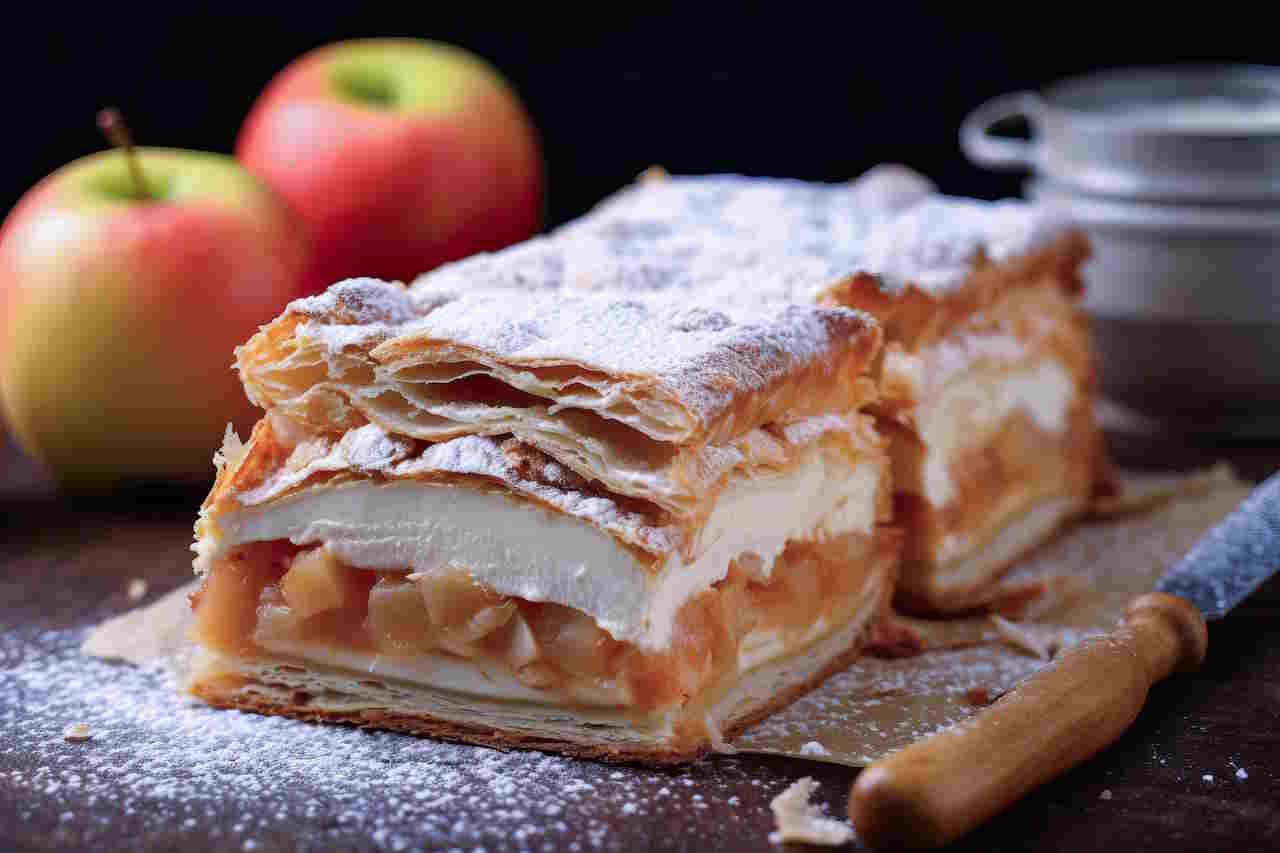
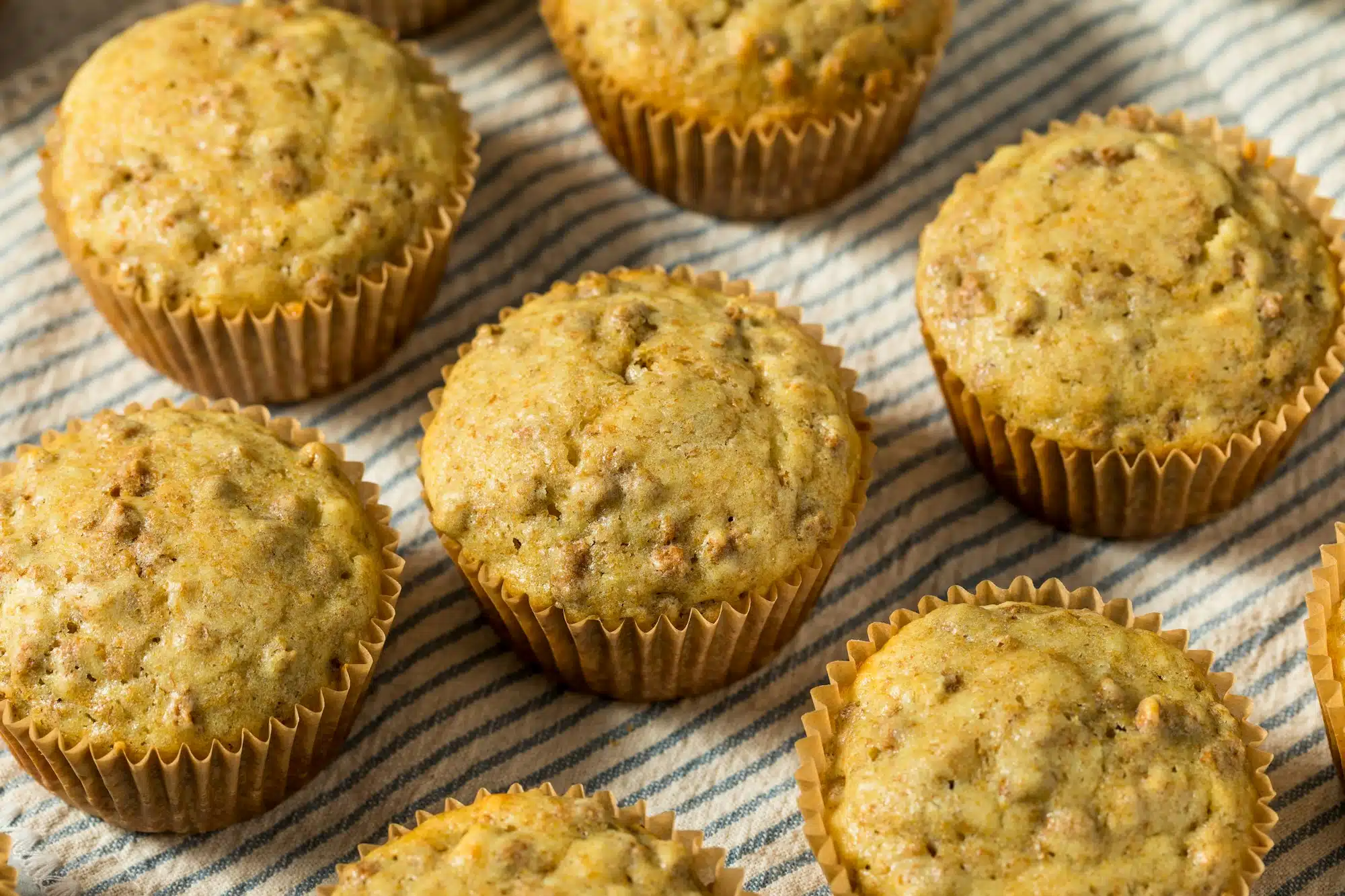
It was at Morgan’s that I fell for a cookie I only had a handful of times, an almond macaroon so good it is still on my list to recreate. At The Bay, we usually ate in their seventh-floor cafeteria. At Eaton’s, most of our lunches were at one of the counter-service restaurants, and honestly, my memory of exactly which one has faded, overshadowed by the one trip that mattered more than the rest: the Ninth Floor. You took an express elevator straight up, with a friendly operator calling out the floor, and stepped into a room that felt like nowhere else in the store. I remember the wheat germ muffins, which I’ve since recreated (see the Eaton’s Wheat Germ Muffins copycat recipe), and an apple cake built like a mille-feuille, with the top two layers made of apple and a confectioner’s sugar-dusted pastry on top. Here’s my recipe. My main course was always the same: a fantastic, vegetable-filled chicken pot pie.
The day always ended at Central Station, where my mother would buy me a chocolate bar or a miniature car for the ride home. Chocolate bars were a once-a-week treat in our house, except, it seemed, on the train home from Eaton’s.
A Retail Revolution on Yonge Street
The story begins in 1869, when Timothy Eaton, an immigrant from what is now Northern Ireland, opened a small dry-goods shop at 178 Yonge Street in Toronto. Retail at the time meant haggling over the price of every item, usually on credit. Eaton introduced something radical: fixed prices, cash sales, and a promise stitched into the company’s identity, “Goods Satisfactory or Money Refunded.” As the business grew, Eaton moved to a larger flagship at 190 Yonge Street in 1883, a store that dazzled shoppers with electric lights, sprawling display windows, and Toronto’s first retail elevator.
The Great Canadian Dining Rooms
As Eaton’s expanded across the country in the twentieth century, the company understood that good food kept shoppers in the building. Elegant dining rooms and busy cafeterias went into the major stores, and lunch became a ritual of its own.
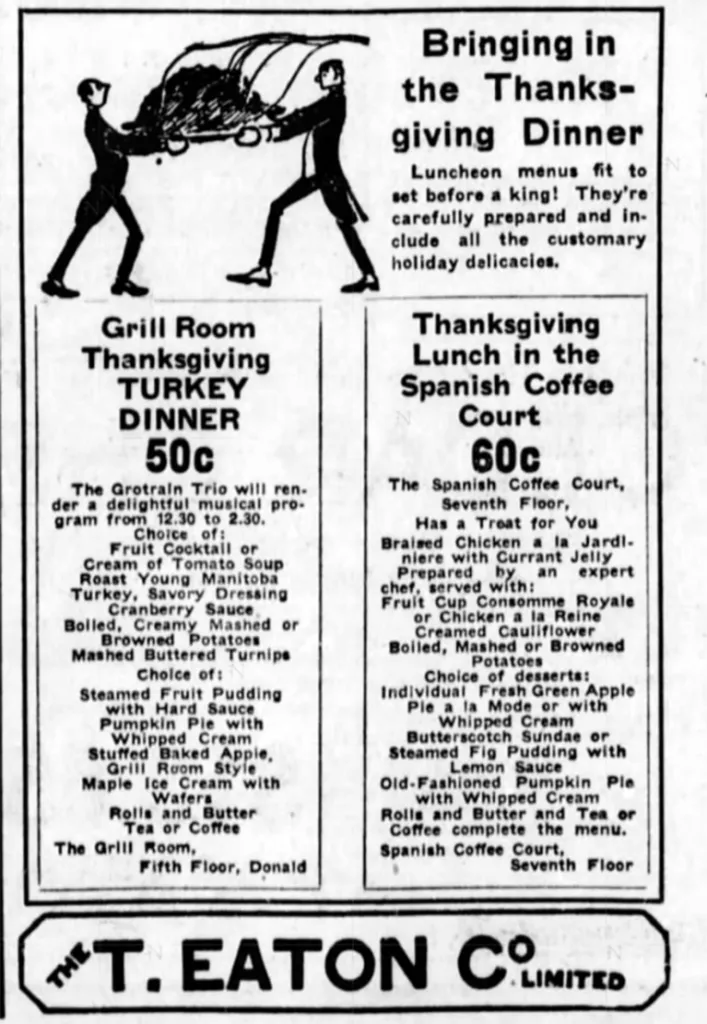
Winnipeg’s Grill Room: When the Portage Avenue store opened in 1905, its fifth-floor Grill Room, with its chandeliers, heavy carpeting, and wainscotted walls, became a social hub of the city. It also kept a seasonal tradition alive: Thanksgiving dinner menus survive from as early as 1916, when a dollar bought roast stuffed Manitoba turkey, roast celery-fed gosling, and English plum pudding with spice sauce. By 1931, the Grill Room’s Thanksgiving table still closed with steamed fruit pudding and hard sauce, a dish Murray’s diners would recognize.
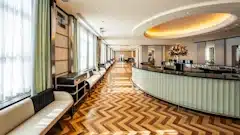
Montreal’s Ninth Floor (Le 9e): Opened in the Sainte-Catherine Street store, this Art Deco dining room, designed by French architect Jacques Carlu and styled after the Grand Salon of the ocean liner Île-de-France, was the city’s premier spot for lunch and afternoon tea. I’ve written its full story separately: read more in The Eaton’s Ninth Floor Restaurant in Montreal.
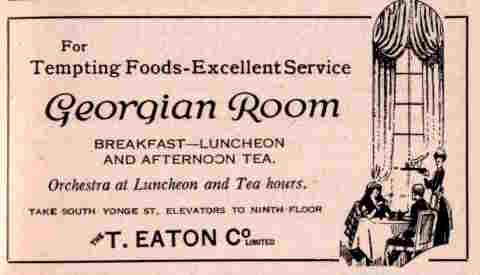
Toronto’s Georgian Room & Round Room: In the early 1920s, Lady Flora McCrea Eaton, wife of company president John Craig Eaton, led the effort to build a dining room worthy of the flagship Queen Street store. Inspired by the Georgian Restaurant at Harrods in London, she designed the Georgian Room with cut-crystal chandeliers and blue velvet chairs, and hired dietician Violet Ryley, a graduate of Toronto’s Lillian Massey School of Household Science, to build the menu. It opened on March 10, 1924, serving lunches, afternoon teas, and dinners, with daily fashion shows staged alongside the tables. Lady Eaton later oversaw the Round Room at the College Street store, another Carlu design, offering white-linen service and live piano music.
Iconic Dishes and Afternoon Traditions
The kitchens across the Eaton’s dining rooms leaned on quality, consistency, and comfort. Menus shifted store to store and decade to decade, but a handful of dishes turn up again and again in menus and memories alike:
- Chicken Pot Pie: Served hot in an individual dish, packed with chicken and vegetables under a golden pastry crust. It was a signature across several Eaton’s dining rooms, including the one on the Ninth Floor, though the version most often written about today is Simpson’s Arcadian Court across the street, proof of just how competitive department-store lunch was in that era.
- Wheat Germ Muffins: A house staple on the Ninth Floor, dense and a little nutty, the kind of thing you only appreciate once it’s gone. I’ve already recreated the original: see the Eaton’s Wheat Germ Muffins copycat recipe.
- Apple Mille-Feuille Cake: Layers of pastry topped with apple and a dusting of confectioner’s sugar, a dessert that looked as good as it tasted. Here’s my recipe.
- Afternoon Tea: In the late afternoon, the dining rooms filled with shoppers resting their feet over pots of tea, finger sandwiches, and scones with cream.
A Legacy of Sweet Treats
No trip to Eaton’s was complete without dessert, and the bakery counters and soda fountains were famous for theirs.
| Treat | Description | Why It Was Beloved |
| Red Velvet Cake | Layered crimson cake with cream cheese frosting | So popular the Georgian Room opened a dedicated ground-floor cake counter just to sell it to go |
| Butterscotch Sundae | Vanilla ice cream under warm, buttery caramel sauce | A favorite reward for kids visiting the toy department |
| Wheat Germ Muffins | Dense, nutty muffins served on the Ninth Floor | Now recreated on The Lunch Pro, see the recipe link above |
| Steamed Fruit Pudding | Warm, dense fruit pudding served with hard sauce. We have the GENUINE Murray’s Restaurants’ recipe. | A Thanksgiving fixture on Grill Room menus into the 1930s. |
The Wish Book and the Kitchen Table
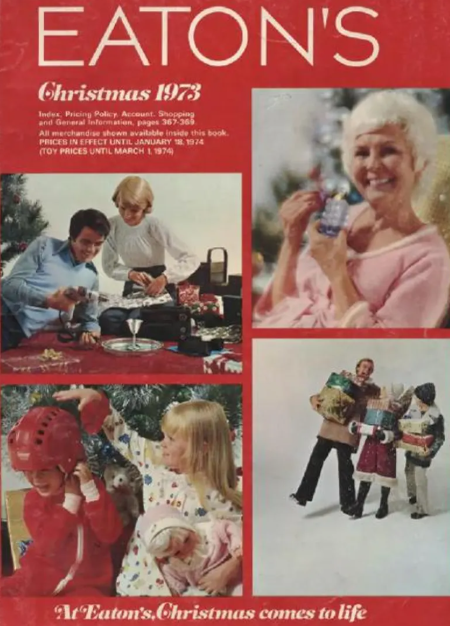
While city shoppers dined in the grand restaurants, rural Canadians met the brand through the Eaton’s mail-order catalog. First published in 1884, the “Wish Book” became a fixture on kitchen tables across the prairies and coastal villages, and beyond clothes and tools, it carried cast-iron cookware, baking tins, and hand-cranked egg beaters into homes that never saw a Ninth Floor dining room.
Changing Tastes and the Final Chapter
By the 1970s and 1980s, suburban malls and fast food were pulling shoppers away from formal department-store dining. Toronto’s Georgian Room closed on Christmas Eve 1976, as the original store was torn down to make way for the Eaton Center. The pressure never really let up, and after decades of retail competition, the T. Eaton Company filed for bankruptcy in 1999.
The department stores are gone, but the food is not entirely lost. Montreal’s Ninth Floor was restored and reopened as a heritage culinary venue, and the recipes people remember, chicken pot pie, the wheat germ muffins, and the Ninth Floor’s apple cake, are still worth chasing down.
To see how the 1975 decision to start closing the dining rooms played out, watch Eaton’s Dining Rooms: The 1975 Decision That Killed Them.
Frequently Asked Questions About Eaton’s
What were Eaton’s restaurants?
Eaton’s restaurants were the dining rooms and cafeterias built into the T. Eaton Company’s department stores across Canada, from Winnipeg’s Grill Room to Montreal’s Ninth Floor to Toronto’s Georgian Room. They ranged from formal, white-linen dining to quick counter-service lunches, and for decades were a central part of the shopping trip.
What was on the menu at Eaton’s dining rooms?
Chicken pot pie was a signature dish across several locations, alongside wheat germ muffins, apple mille-feuille cake, and full afternoon tea service with finger sandwiches and scones. Seasonal menus, like Winnipeg’s Thanksgiving dinners, added roast turkey and steamed fruit pudding with hard sauce.
Are any Eaton’s restaurants still open?
No. The T. Eaton Company filed for bankruptcy in 1999, and its dining rooms, including the Georgian Room in Toronto, closed along with the stores as early as Christmas Eve 1976. Montreal’s Ninth Floor is the exception: it was restored and reopened as a heritage culinary venue, and its story is documented in