
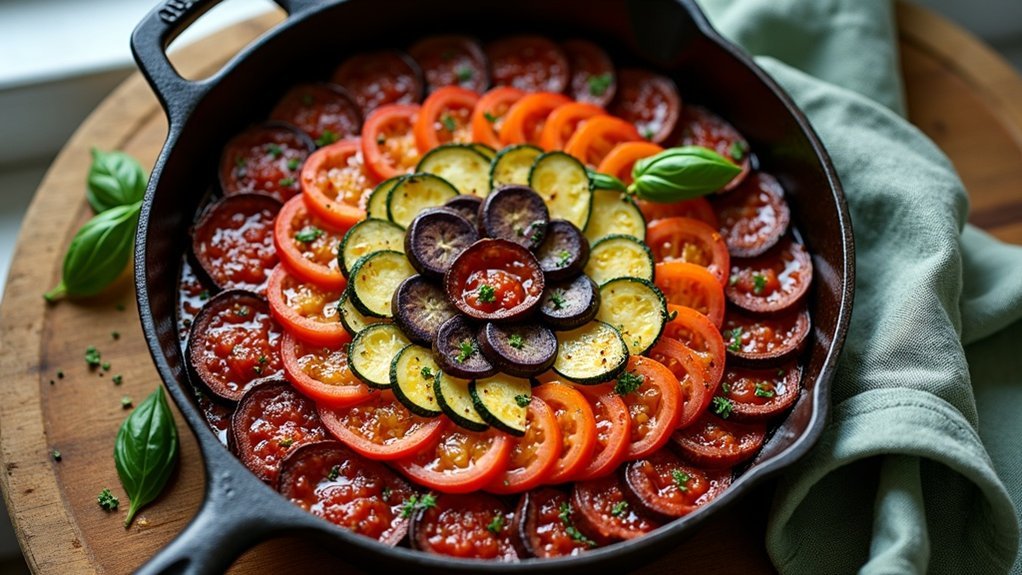
This diabetic ratatouille recipe is one of those rare dishes that needs almost no adaptation to be perfectly blood sugar-friendly! This classic French ratatouille is a celebration of summer vegetables that naturally fits into a blood sugar-conscious eating plan. Each vegetable is cooked separately to preserve its unique texture and flavor, then gently simmered together into a silky, herb-infused stew that tastes even better the next day. Whether you’re managing diabetes or simply looking for a wholesome, veggie-packed meal, this Provençal classic delivers on both flavor and nutrition.
What makes this dish so special is the technique: by cooking each vegetable individually before combining them, you develop deep, concentrated flavors while maintaining distinct textures. The result is a sophisticated dish that works beautifully as a main course, side dish, or even a topping for grilled proteins. Plus, it’s naturally gluten-free, low in carbohydrates, and loaded with antioxidants and fiber. This diabetic ratatouille recipe proves that eating for blood sugar management doesn’t mean sacrificing authentic French flavors.
Why This Recipe is Diabetic-Friendly
Exceptionally Low Glycemic Load: All the vegetables in this recipe are non-starchy with low glycemic indexes. Eggplant, zucchini, and bell peppers contain minimal carbohydrates while providing substantial volume and satisfaction.
Fiber Powerhouse: With approximately 6-8 grams of fiber per serving, this ratatouille helps slow glucose absorption and promotes steady blood sugar levels. The combination of soluble and insoluble fiber also supports digestive health and helps you feel fuller longer.
Heart-Healthy Fats: Extra virgin olive oil is rich in monounsaturated fats that help improve insulin sensitivity and support cardiovascular health—critical for people managing diabetes who face increased heart disease risk.
Antioxidant Rich: Tomatoes provide lycopene, bell peppers offer vitamin C, and eggplant contains nasunin—all powerful antioxidants that help combat oxidative stress associated with diabetes complications.
No Added Sugars: Unlike many sauces and stews, this recipe relies entirely on the natural sweetness of vegetables and herbs, keeping your carb count minimal and predictable.
Chef’s Tips for Perfect Ratatouille
Don’t Rush the Individual Cooking: Taking time to cook each vegetable separately is what makes this dish special. It prevents overcrowding the pan and ensures each vegetable develops proper caramelization and flavor.
Salt the Eggplant (Optional): If your eggplant seems bitter or you want a firmer texture, sprinkle cut pieces with salt and let them sit for 15-20 minutes before cooking. This draws out excess moisture and bitterness. Pat dry before sautéing.
Use Quality Olive Oil: Since olive oil is a primary flavor component, choose a good extra virgin olive oil. You’ll use about 1/4 to 1/3 cup total, which may seem like a lot, but it’s distributed across 6 servings and provides essential healthy fats.
Cut Uniformly: Aim for similar-sized pieces (about 1-inch cubes or half-moons) so everything cooks evenly. Consistent sizing also makes the finished dish more visually appealing.
Let It Rest: Ratatouille tastes significantly better after resting for at least 30 minutes, or even overnight. The flavors meld and deepen as it sits, making it perfect for meal prep.
Temperature Flexibility: This dish is delicious served warm, at room temperature, or even chilled. Try it all three ways to discover your preference!
How to Make Diabetic Ratatouille
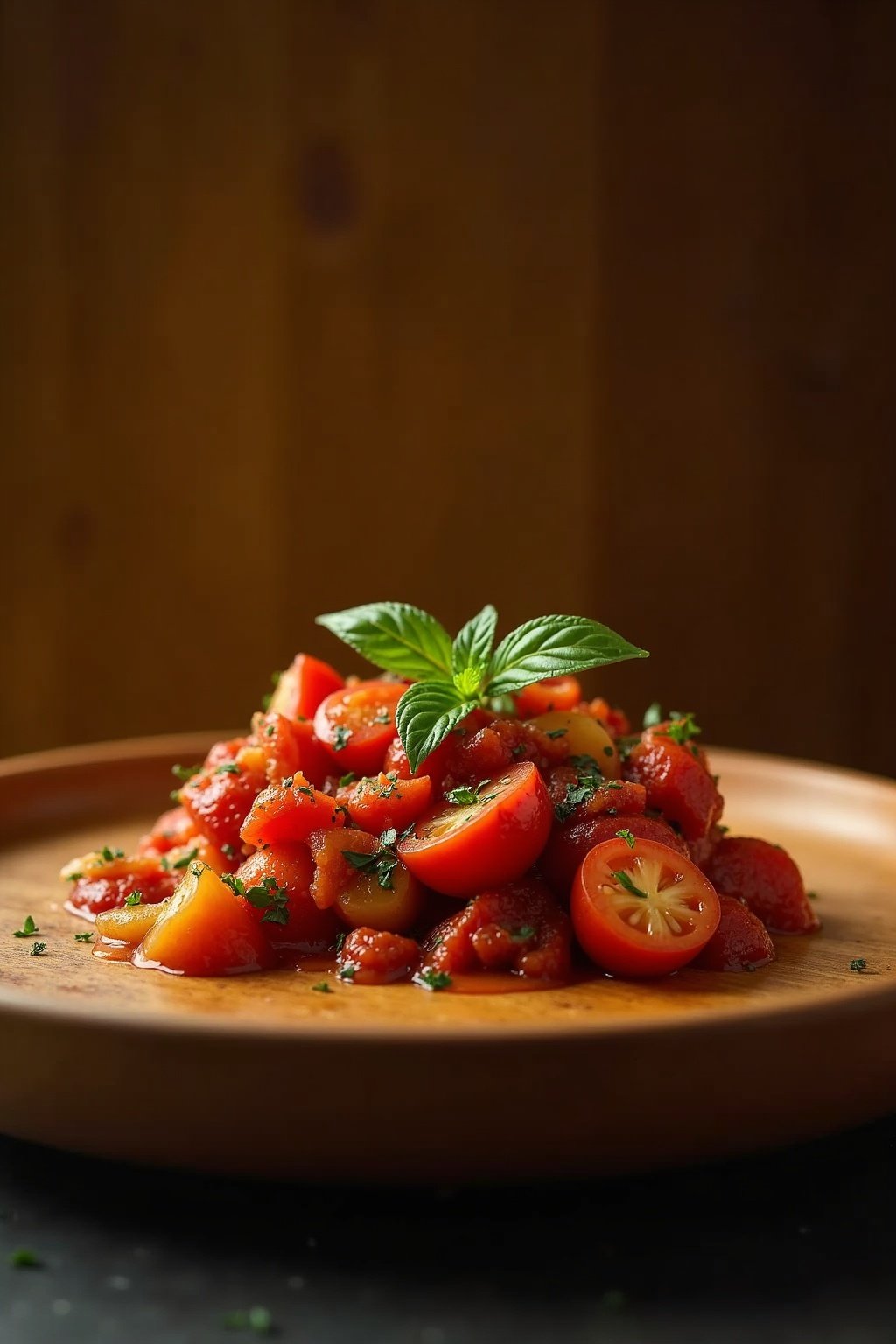

Diabetic-Friendly French Ratatouille: A Heart-Healthy Provençal Classic
Ingredients
Equipment
Method
- Prepare all vegetables: Wash and cut the eggplant into 1-inch cubes, slice zucchini into 1/2-inch thick half-moons, chop tomatoes, and cut bell peppers into 1-inch pieces. If using onion, dice it finely. Mince the garlic. Set each vegetable aside in separate bowls.
- Cook the eggplant: Heat 2 tablespoons of olive oil in a large heavy-bottomed pot or Dutch oven over medium heat. Add the eggplant pieces in a single layer (work in batches if needed to avoid crowding). Cook for 6-8 minutes, stirring occasionally, until lightly browned and softened. Transfer to a large bowl and set aside.
- Cook the zucchini: Add another 1-2 tablespoons of olive oil to the same pot. Add the zucchini and cook for 5-6 minutes, stirring occasionally, until just tender and lightly browned. Transfer to the bowl with the eggplant.
- Cook the bell peppers: Add another 1 tablespoon of olive oil to the pot. Add the bell peppers and cook for 5-7 minutes, stirring occasionally, until they begin to soften but still hold their shape. Transfer to the bowl with the other vegetables.
- Build the tomato base: Add the remaining olive oil to the pot. If using onion, add it now and cook for 3-4 minutes until softened and translucent. Add the minced garlic and cook for 30-60 seconds until fragrant but not browned.
- Add tomatoes and herbs: Add the chopped tomatoes (with their juices) to the pot. Stir in the Herbes de Provence, 1 teaspoon of salt, and 1/2 teaspoon of black pepper. Simmer for 8-10 minutes, stirring occasionally, until the tomatoes break down into a thick, saucy base.
- Combine everything: Return all the cooked vegetables (eggplant, zucchini, and bell peppers) to the pot with the tomato mixture. Stir gently to coat the vegetables in the sauce without breaking them up too much.
- Slow simmer: Reduce heat to low and simmer the ratatouille gently for 30-40 minutes, stirring occasionally, until all vegetables are very tender and the flavors have melded together. The mixture should be thick and silky, not watery.
- Rest and adjust: Remove from heat and let the ratatouille rest for at least 15-30 minutes (or longer if time permits). Taste and adjust seasoning with additional salt, pepper, or herbs as needed.
- Serve: Serve the ratatouille warm, at room temperature, or chilled. Garnish with fresh chopped basil or parsley and an optional drizzle of extra virgin olive oil just before serving.
Nutrition
Notes
Tried this recipe?
Let us know how it was!Storage and Meal Prep for Diabetic Ratatouille
Ratatouille is a meal-prepper’s dream! Store it in an airtight container in the refrigerator for up to 5 days, or freeze in individual portions for up to 3 months. The flavors actually improve with time, making it perfect for batch cooking. Reheat gently on the stovetop or in the microwave, or enjoy it cold straight from the fridge.
Serving Suggestions
This versatile Diabetic Ratatouille works in countless ways: serve it over cauliflower rice or quinoa for a complete meal, use it as a topping for grilled chicken or fish, spread it on whole-grain toast for breakfast, or enjoy it simply on its own with a sprinkle of fresh herbs and a drizzle of olive oil. It also makes an excellent filling for omelets or a topping for baked potatoes. For an elegant presentation, serve it alongside grilled lamb chops or as part of a Mediterranean mezze platter.


