
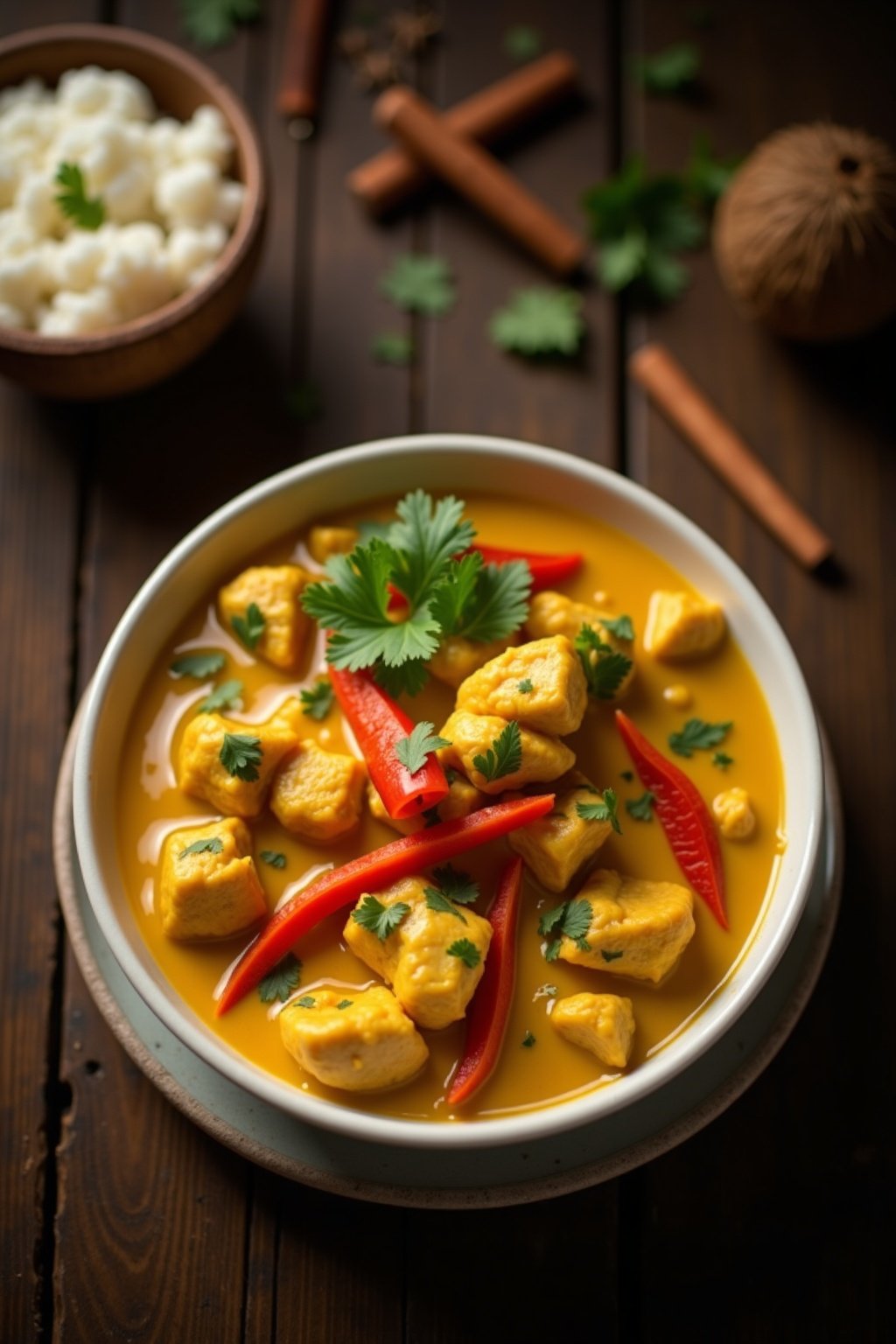
This Coconut Milk Chicken Curry Won’t Send Your Blood Sugar Into Orbit
There’s something magical about a steaming bowl of curry on a busy weekday – it feels indulgent, comforting, and completely satisfying. But if you’re managing diabetes, traditional curry served over white rice can send your blood sugar on a rollercoaster ride. This recipe changes everything. By swapping rice for cauliflower and using blood sugar-friendly ingredients, you get all the creamy, aromatic goodness you crave without the glucose spike.
The secret weapon here is full-fat coconut milk. Unlike light versions that often contain added sugars or stabilizers, full-fat coconut milk provides healthy fats that actually slow down carbohydrate absorption. Combined with protein-rich chicken thighs and fiber-packed vegetables, this curry creates a balanced meal that satisfies your taste buds and your blood sugar goals.
Why This Recipe is Diabetic-Friendly
Cauliflower Rice Swap: Cauliflower rice contains just 5 grams of carbs per cup compared to 45 grams in white rice – that’s a 90% reduction! It’s also packed with fiber and vitamin C, making it a nutritional powerhouse that won’t spike your blood sugar.
Protein-Rich Chicken Thighs: Dark meat chicken provides more flavor and stays moist during cooking. The protein content helps stabilize blood sugar levels and keeps you feeling full longer, reducing the temptation for between-meal snacking.
Full-Fat Coconut Milk Magic: The healthy fats in coconut milk slow carbohydrate digestion, preventing rapid blood sugar spikes. These medium-chain triglycerides (MCTs) are also easier for your body to process than other fats.
Vegetable Power: Bell peppers and snap peas add crunch, color, and fiber without significant carbs. They’re also loaded with antioxidants that support overall metabolic health.
Low Glycemic Load: This entire meal has a low glycemic load, meaning it releases energy slowly and steadily rather than causing sharp blood sugar fluctuations.
Chef’s Tips for Perfect Curry
Don’t Skip the Chicken Thighs: While chicken breast is leaner, thighs stay tender and juicy in curry sauce. The slightly higher fat content actually helps with satiety and blood sugar management.
Toast Your Curry Powder: Before adding the coconut milk, let the curry powder cook with the chicken for 30-60 seconds. This “blooming” technique releases the essential oils in the spices, creating deeper, more complex flavors.
Cauliflower Rice Success: The key to fluffy cauliflower rice is not overcooking it. Stop when it’s just tender – about 5 minutes. Overcooked cauliflower rice becomes mushy and releases excess moisture.
Control the Heat: If you prefer spicier curry, add a pinch of cayenne pepper or red pepper flakes at the end. This gives you control over heat level without altering the base recipe.
Make It Ahead: This curry actually tastes better the next day as the flavors meld together. Prepare the curry portion and store separately from cauliflower rice. Make fresh cauliflower rice when ready to serve.
Customize Your Vegetables: While bell peppers and snap peas are specified, feel free to use what you have. Zucchini, green beans, or broccoli all work beautifully and keep the carb count low.
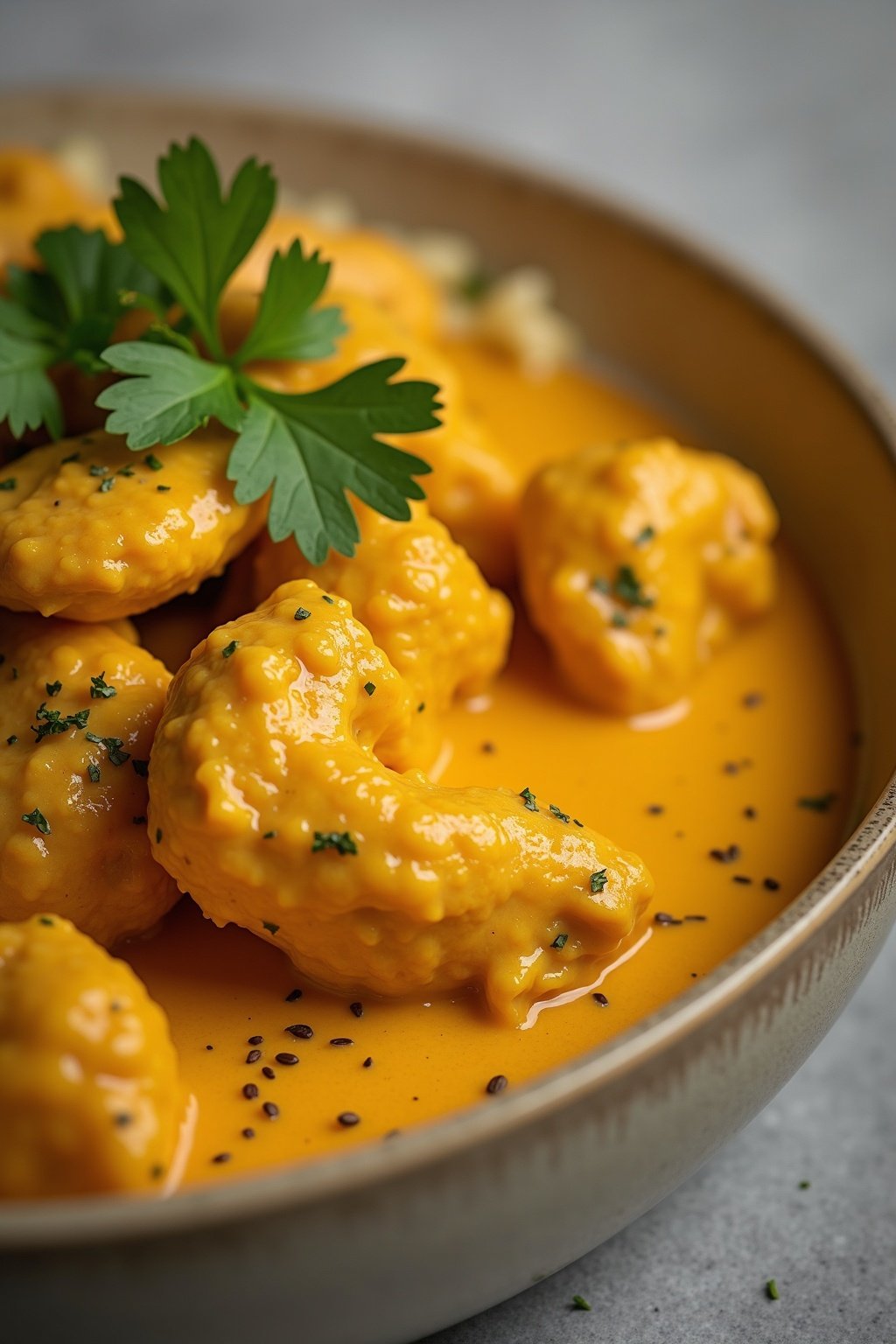

Coconut Milk Chicken Curry (Blood Sugar-Friendly)
Ingredients
Equipment
Method
- Prepare the cauliflower rice: Add cauliflower florets to a food processor and pulse 10-15 times until the pieces are rice-sized (don’t over-process or it will become mushy). Set aside.
- Heat 1 tablespoon of oil in a separate large skillet over medium heat. Add the processed cauliflower and a pinch of salt. Sauté for 5 minutes, stirring occasionally, until just tender and fluffy. Transfer to a bowl and set aside.
- Cut the chicken thighs into bite-sized pieces (about 1-inch cubes). Season with 1/2 teaspoon salt and 1/4 teaspoon black pepper.
- In the same large skillet (or a clean one), heat the remaining 1 tablespoon of oil over medium heat. Add the minced garlic, ginger, and diced onion (if using). Sauté for 2-3 minutes until fragrant and the onion begins to soften.
- Add the seasoned chicken pieces to the skillet. Cook for 5-6 minutes, stirring occasionally, until the chicken is lightly browned on all sides.
- Sprinkle the curry powder over the chicken and aromatics. Stir well to coat everything evenly with the spices. Cook for 30-60 seconds to toast the curry powder and release its flavors.
- Pour in the full-fat coconut milk and stir to combine. Bring the mixture to a gentle simmer, then reduce the heat to medium-low. Let the chicken cook in the sauce for 10 minutes, stirring occasionally, until the chicken is cooked through and tender.
- Add the sliced bell peppers and snap peas to the curry. Stir them into the sauce and continue cooking for 5 more minutes, until the vegetables are crisp-tender but still bright in color and slightly crunchy.
- Taste the curry sauce and adjust the seasoning with additional salt, pepper, or curry powder as needed. If the sauce is too thick, add 2-3 tablespoons of water to reach your desired consistency.
- To serve, divide the cauliflower rice among four bowls or plates. Ladle the coconut milk chicken curry over the cauliflower rice, making sure each serving gets plenty of sauce, chicken, and vegetables. Serve hot and enjoy immediately.
Nutrition
Notes
Tried this recipe?
Let us know how it was!Storage and Meal Prep
This curry is a meal prep champion. Store the curry sauce with chicken and vegetables in an airtight container in the refrigerator for up to 4 days. The cauliflower rice is best made fresh, but you can prep the raw cauliflower florets up to 3 days ahead – just pulse and cook when needed. To reheat, warm the curry gently on the stovetop with a splash of water or coconut milk to loosen the sauce. The curry also freezes beautifully for up to 3 months; thaw overnight in the refrigerator, then reheat.
Serving Suggestions
While this curry is complete on its own, you can enhance the meal with these diabetic-friendly additions: a small portion of plain Greek yogurt on the side for cooling contrast (adds protein too), a squeeze of fresh lime juice over the top for brightness, chopped fresh cilantro for herbal notes, or a sprinkle of chopped peanuts or almonds for extra crunch and healthy fats. For variety throughout the week, try using the leftover curry as a filling for lettuce wraps or serving it alongside roasted vegetables instead of cauliflower rice.


