

Bulletproof coffee — coffee blended with grass-fed butter and MCT oil — promised to change the way keto dieters started their mornings. It delivered sustained energy, sharper focus, and zero breakfast guilt. A decade later, the hype has cooled. Science has caught up. And in 2026, the honest answer is more nuanced than either its fans or critics want to admit.
☕ Quick Stats | Bulletproof Coffee
What Is Bulletproof Coffee?
Popularized by entrepreneur Dave Asprey, bulletproof coffee blends freshly brewed coffee with unsalted grass-fed butter and MCT oil — a concentrated fat derived from coconut or palm oil. Most people drink it as a breakfast substitute, believing the combination of caffeine and dietary fat sustains energy and keeps hunger at bay longer than a conventional meal.
The idea initially raised eyebrows. Butter in coffee? Skipping breakfast entirely? But within the keto community, where high-fat, low-carb eating is the foundation of the diet, bulletproof coffee found a devoted following — and it hasn’t fully faded since.
Why Bulletproof Coffee Works for Keto Dieters
Appetite suppression that’s real. The high fat content — particularly from MCT oil — does slow gastric emptying, which keeps you feeling full longer. For anyone practicing intermittent fasting, this is genuinely useful. A morning cup can push your eating window into the afternoon without the hunger spikes that derail most fasting attempts.
MCT oil converts to ketones quickly. Unlike long-chain fats, medium-chain triglycerides bypass the usual digestive process and are converted to ketones in the liver rapidly. For people already in ketosis, this provides a fast, clean fuel source — without touching the zero-carb ceiling that keeps them in fat-burning mode.
Zero carbs, every time. There is no sugar, no starch, and no insulin spike. For anyone managing blood sugar carefully, that consistency is genuinely valuable — the drink will not knock you out of ketosis or cause the mid-morning energy crash that follows a carb-heavy breakfast.
The caffeine still does the heavy lifting. Much of the mental clarity people attribute to bulletproof coffee is simply caffeine doing what caffeine does — more effectively, because it’s delivered without sugar and the crash that follows it. That’s not a knock against the drink; it’s an accurate description of why it works.
Grass-fed butter brings something regular butter doesn’t. Grass-fed butter has a higher ratio of omega-3 fatty acids and conjugated linoleic acid (CLA) compared to conventional butter. Whether the amounts are large enough to make a meaningful difference in your diet is debatable — but the ingredient choice isn’t arbitrary.
Bulletproof Coffee vs. A Traditional Breakfast
The real question isn’t whether bulletproof coffee has benefits — it’s whether those benefits outweigh what you’re giving up by skipping a meal.
| ☕ Bulletproof Coffee | 🍳 Traditional Breakfast | |
|---|---|---|
| Net Carbs | 0g ✅ | Varies (15–60g) |
| Protein | 0g ❌ | 20–35g ✅ |
| Fibre | 0g ❌ | 5–12g ✅ |
| Hunger Suppression | Strong ✅ | Moderate |
| Prep Time | 3 minutes ✅ | 10–20 minutes |
| Saturated Fat | 20–30g ⚠️ | 5–12g ✅ |
| Vitamins & Minerals | Minimal ❌ | Substantial ✅ |
| Keto Compatible | ✅ Yes | Depends on meal |
How to Make Bulletproof Coffee
The recipe is simple — the blending step is the one most people skip, and it’s the most important one. Without it, the butter and oil float on top rather than emulsifying into a creamy, frothy drink.
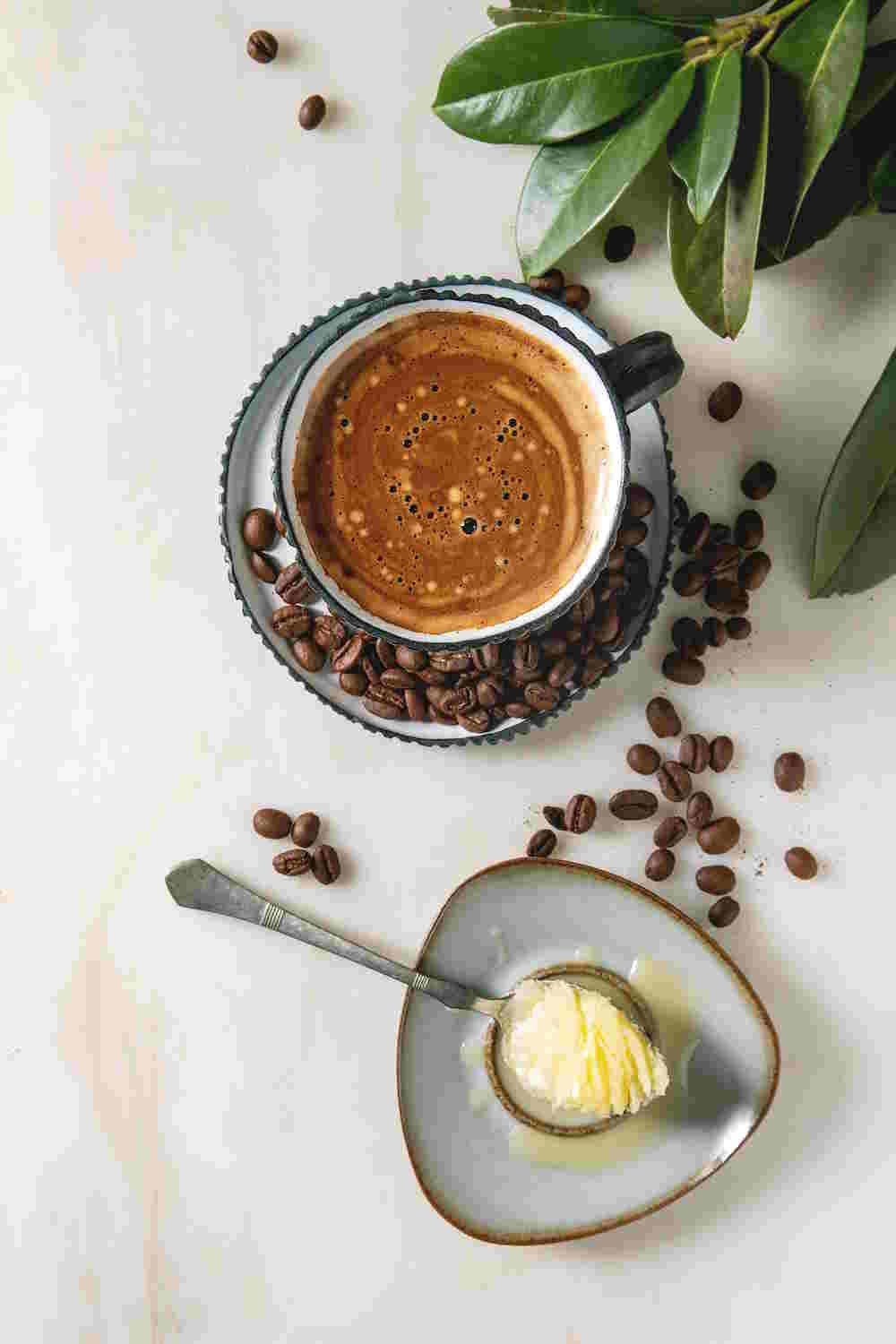

Bulletproof Coffee | Keto & Diabetic-Friendly
Ingredients
Equipment
Method
- Brew one cup of coffee using your preferred method. French press or pour-over produce the cleanest flavour base. The coffee should be hot — just off the boil — when it goes into the blender.
- Add the grass-fed butter and MCT oil to the blender first. Pour the hot coffee over the top. Never add the butter directly to the coffee in a mug and stir — the fat will float on the surface rather than emulsifying.
- Blend on high for 20–30 seconds until the mixture turns creamy and frothy with a uniform colour. It should look like a latte, not like oily coffee. An immersion blender works well if you don’t want to use a full blender for a single cup.
- Pour into a mug and serve immediately. Bulletproof coffee separates as it cools — drink it hot for the best texture. Do not reheat once made.
Nutrition
Notes
Tried this recipe?
Let us know how it was!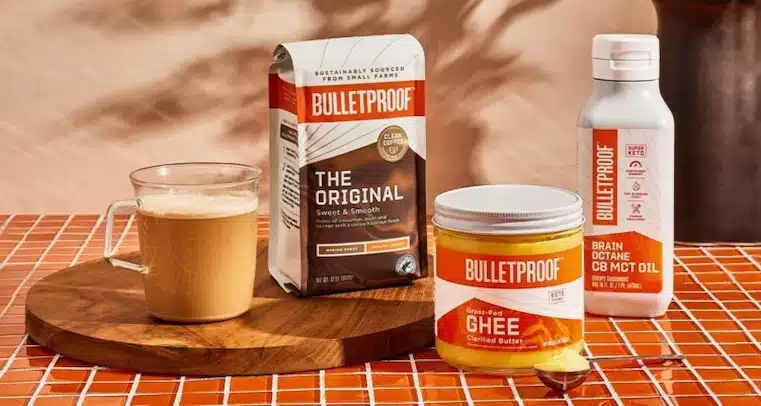
Chef’s Tips | Getting Bulletproof Coffee Right
Start with half the MCT oil. If you’re new to MCT oil, start with 1 teaspoon and build up over a week or two. Too much too soon causes digestive distress — bloating and loose stools are common when you jump straight to a full tablespoon.
The blender is non-negotiable. A spoon won’t emulsify the fat. You need a proper blender — even a high-speed blender or a handheld immersion blender for 20–30 seconds. The difference in texture is significant.
Coffee quality matters more than you think. Dave Asprey’s original formula called for low-toxin coffee specifically. Whether that’s strictly necessary is debatable, but a high-quality, freshly ground coffee absolutely does taste better and performs better as the base.
Don’t add sweetener if you’re fasting. If your goal is intermittent fasting, adding sweeteners — even keto-friendly ones — may trigger an insulin response in some people and compromise the fast. If you’re drinking it purely for the keto energy, sweetener is fine. Know your goal before you brew.
It replaces breakfast — not supplements. Bulletproof coffee provides almost no protein, fibre, vitamins, or minerals. If you’re drinking it every morning, make sure the rest of your day’s eating compensates for what breakfast would have provided — especially protein. Pairing it with keto-friendly snacks later in the morning helps bridge that gap.
The Drawbacks You Should Know About
Bulletproof coffee has a loyal following for good reason — but the drawbacks are real, and they’re worth being clear-eyed about before making this a daily habit.
The saturated fat load is significant. A single cup delivers 20–30 grams of saturated fat, which is at or above the daily limit recommended by both the Canadian Food Guide and the American Heart Association. Several documented case studies have tracked individuals who experienced substantial spikes in LDL cholesterol after making bulletproof coffee a daily routine. For anyone with existing heart health concerns, that’s not a number to wave away.
The nutritional gap is also real. Replacing a balanced breakfast with a cup of fat provides no protein, fibre, vitamins, or minerals. Over time, consistently skipping a nutrient-dense morning meal can lead to deficiencies that take months to show up — and even longer to correct. Your midday meals will need to work harder to compensate.
Finally, the calorie count surprises people. A standard bulletproof coffee sits at 300–500 calories. If it genuinely replaces breakfast, that calorie load is appropriate. If it becomes a supplement to a regular breakfast — which happens more than anyone admits — those calories add up fast.

Is Bulletproof Coffee Still Popular in 2026?
Bulletproof coffee peaked around 2016–2018 as a mainstream wellness trend. It’s no longer that. What remains is a dedicated niche — serious keto dieters, biohackers, and intermittent fasters who use it deliberately as a tool rather than a trend. Brands like Bulletproof have evolved to meet that audience with pre-packaged keto creamers, instant mixes, and collagen-enhanced variations. The product line has matured alongside the audience. That’s a sign of a niche that persists, not one that’s fading.
You Might Also Like
Energising Keto Snacks for WFH Days
Keep keto momentum going past morning with the best low-carb snacks for sustained afternoon energy.
Budget-Friendly Keto Lunch Hacks
Practical keto lunches that don’t break the budget — from pantry staples to smart batch-cooking moves.
Cold Lunch Recipes | Keto & Make-Ahead
No microwave, no problem. The best keto and low-carb lunches that taste great straight from the fridge.
5 Best High-Speed Blenders
Get the emulsified froth bulletproof coffee requires — a proper blender makes all the difference.
Is bulletproof coffee good for weight loss?
Bulletproof coffee can support weight loss for people following a keto or intermittent fasting protocol — primarily because it suppresses appetite and keeps you out of the carb-burning cycle. It is not a weight loss tool on its own. At 300–500 calories per cup, it only helps if it genuinely replaces a meal rather than being added on top of one. For people already following a low-carb plan, it fits well. For everyone else, the calorie math often doesn’t work in their favour.
Can you drink bulletproof coffee while intermittent fasting?
Most intermittent fasting approaches allow bulletproof coffee during the fasting window because it contains negligible carbs and protein — the two macros most likely to trigger an insulin response and break a fast. The fat content keeps hunger manageable without significantly disrupting ketosis. The purist argument is that any calories break a fast, which is technically true. But for most people, bulletproof coffee makes the fasting window sustainable in a way that plain black coffee sometimes doesn’t.
What does MCT oil do in bulletproof coffee?
MCT oil — medium-chain triglyceride oil — is processed differently from regular dietary fat. It bypasses normal digestion and goes directly to the liver, where it’s rapidly converted into ketones. This gives keto dieters a fast, clean energy source that doesn’t spike blood sugar. It also contributes to satiety. The most common side effect of MCT oil is digestive discomfort — start with a small amount and build up gradually to avoid stomach upset.
Is bulletproof coffee safe for people with high cholesterol?
<p>This is where caution is warranted. Bulletproof coffee delivers 20–30 grams of saturated fat per cup, which exceeds what most health guidelines recommend for the entire day. Multiple documented cases show meaningful increases in LDL cholesterol in individuals who drink it daily. If you have high cholesterol, heart disease, or a family history of cardiovascular issues, discuss this with your doctor before making bulletproof coffee a regular habit. For healthy individuals without these risk factors, occasional consumption is unlikely to cause harm.
Bulletproof coffee is a useful tool for the right person — someone already on a keto or intermittent fasting protocol who wants a fast, filling, zero-carb morning. It is not a cure-all, and the science doesn’t support the bigger claims made for it. For anyone with high cholesterol or heart health concerns, the saturated fat load warrants a conversation with your doctor before this becomes a daily habit. For everyone else, drink it with clear eyes about what it does and doesn’t do — and enjoy it.
Medical Disclaimer: The information on this page is for general educational purposes only and is not intended as medical advice. Always consult a qualified healthcare provider before making changes to your diet, particularly if you have diabetes, heart disease, high cholesterol, or any other medical condition.


