Published May 6, 2026 · Updated September 25, 2026
Affiliate disclosure: As an Amazon Associate I earn from qualifying purchases.
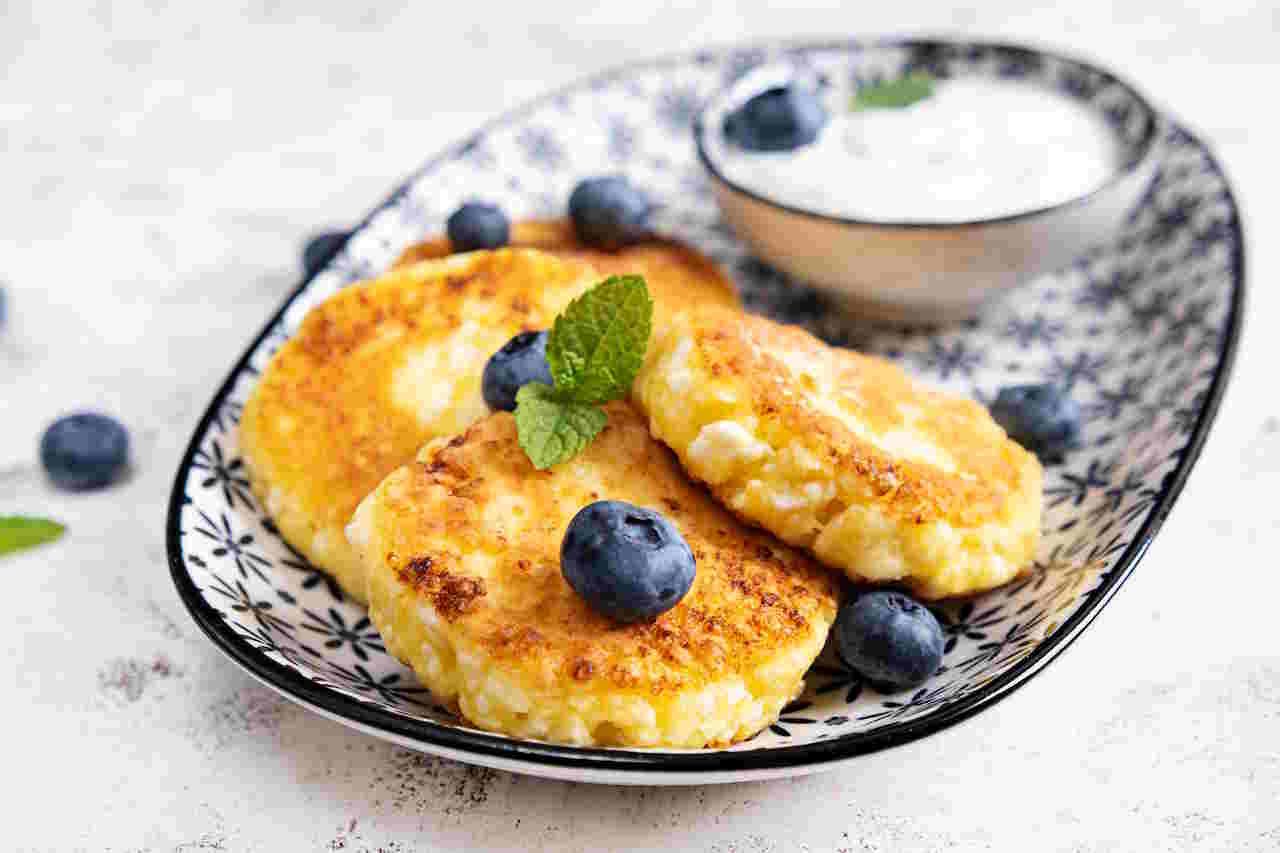
Cottage cheese pancakes turn a single tub of cottage cheese into a stack that’s high in protein, low in net carbs, and faster to make than a coffee run. The almond-flour version below clocks in at 5 grams of net carbs per serving, keto territory, without the cardboard texture that ruins most low-carb pancakes. Whip them up on the stovetop in fifteen minutes, or use the air fryer method below for uniform, round pancakes you can plate without practice.
Jump to RecipeQuick Stats
Why This Cottage Cheese Pancakes Recipe Works
Cottage cheese carries the structure: Three-quarters of a cup of full-fat cottage cheese contributes most of the protein and binds the batter the way buttermilk does in a wheat pancake. Blending it smooth eliminates the curd texture so pancakes cook evenly without dense pockets.
Almond flour (affiliate link) replaces AP flour cleanly: Blanched almond flour absorbs liquid at a similar rate to all-purpose flour, so a near-1:1 ratio holds. The trade is roughly a seventy-gram carb reduction across the recipe, plus eight grams of fiber that pull the net-carb math into keto range.
Allulose sweetens without the glycemic impact: Allulose is excluded from net carbs on FDA-compliant nutrition labels and doesn’t spike blood glucose, which is why this recipe works for diabetic-friendly meal plans. One tablespoon hits the same sweetness register as the two tablespoons of maple syrup it replaces.
The protein density does the work of breakfast: Thirteen grams of protein per serving from cottage cheese, Greek yogurt, and eggs supports steady satiety through the morning, meaningful for people managing energy levels without leaning on caffeine.
Traditional Pancakes vs. Keto Cottage Cheese Pancakes
| Per serving (2 pancakes) | Traditional Buttermilk | This Recipe | Difference |
|---|---|---|---|
| Calories | 310 | 230 | 80 fewer (26% less) |
| Net Carbs | 43g | 4.75g | 38g fewer (89% less) |
| Protein | 6g | 13g | 7g more (117%) |
| Fat | 9g | 17g | 8g more |
| Fiber | 1g | 2g | 1g more |
| Sugar | 8g | 0g | no added sugar |
Here’s the full recipe with ingredients, exact measurements, and step-by-step instructions:
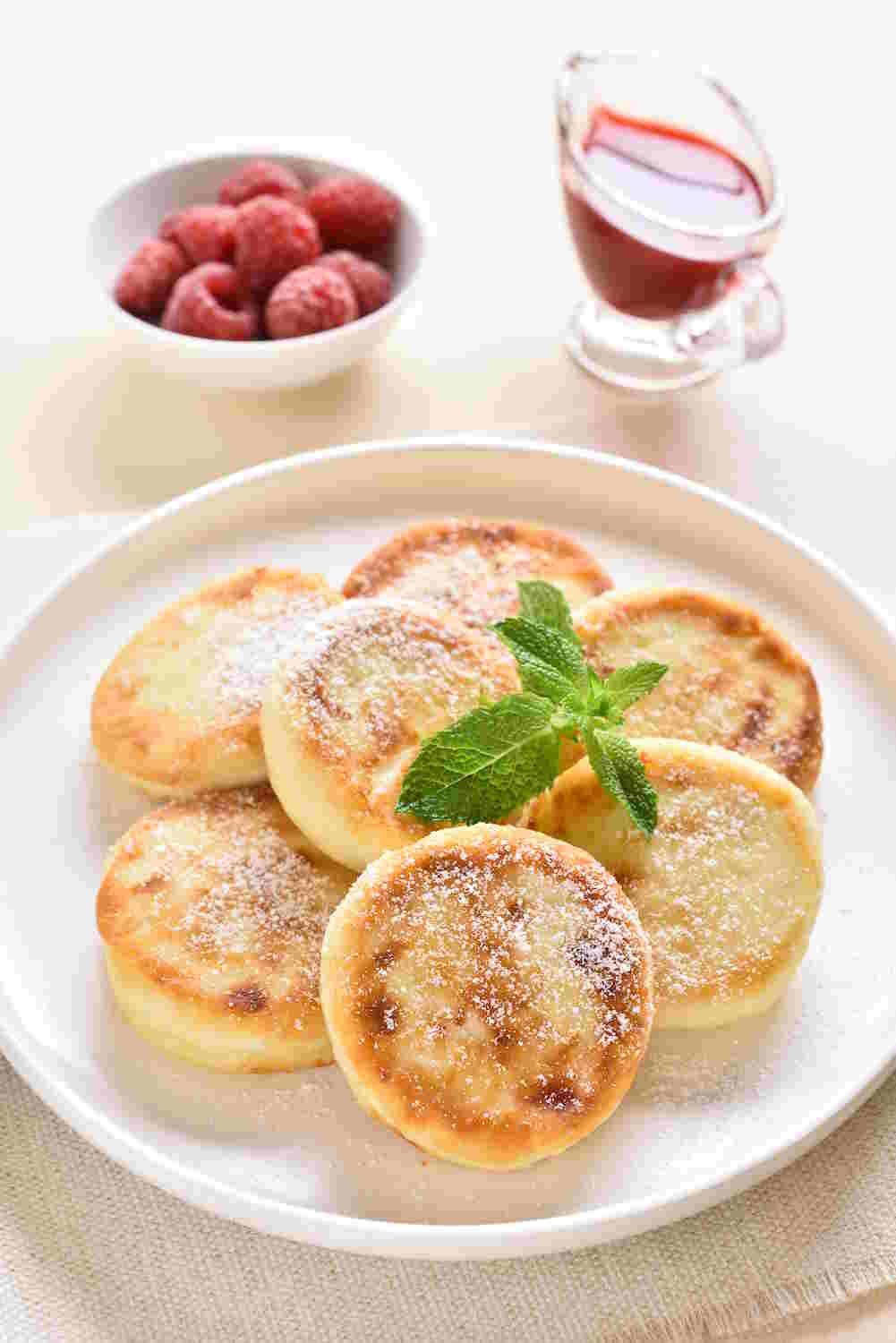

Cottage Cheese Pancakes | Keto, 5g Net Carbs, 15 Min
Ingredients
Equipment
Method
- Add the cottage cheese, Greek yogurt, eggs, vanilla, and allulose to a blender. Run on medium until the mixture looks smooth, about 20 seconds. The cottage cheese curds should disappear into a uniform pale-yellow batter.
- In a medium mixing bowl, whisk together the almond flour, baking powder, and cinnamon. Pour the wet blender mixture over the dry ingredients and fold gently with a spatula. Stop folding the moment no dry flour pockets remain, overmixing toughens almond-flour batter.
- Heat a nonstick skillet over low-medium heat (a notch lower than you’d use for wheat-flour pancakes). Once warm, melt half a teaspoon of butter and tilt the pan to coat. Scoop a scant ¼ cup of batter per pancake into the pan, working in batches so they don’t crowd.
- Cook for about 3 minutes on the first side. The edges will set and the surface will look matte rather than wet, that’s the flip signal. Almond-flour pancakes don’t bubble like wheat pancakes, so don’t wait for bubbles.
- Slide a thin spatula under each pancake and flip in one decisive motion. Cook another 1 to 2 minutes on the second side until golden and cooked through. Transfer to a plate and continue with the remaining batter, adding a sliver of butter to the pan between batches.
Nutrition
Notes
Tried this recipe?
Let us know how it was!You Might Also Like
Cottage Cheese Pancakes Air Fryer Method
The air fryer version solves a real stovetop problem: keeping pancakes uniformly round and structurally cohesive without the eyeballed flip. Use this method when you want pancakes that plate well, when you’re cooking for guests, or when the stovetop is busy with other breakfast components.
Equipment: Four-inch round mini pie tins or small heatproof ramekins. The batter is too loose to hold shape on a bare air-fryer basket, so the tins act as molds.
Time: About 5 minutes per batch. Most baskets fit two tins at a time.
Temperature: 360°F
Steps: Spritz each pie tin with cooking spray, pour about ¼ cup of the prepared batter into each tin, and arrange them in the air fryer basket in a single layer. Cook at 360°F for about 5 minutes until the tops are dull-set and the edges show light golden coloring. Lift each tin out, let it cool for 30 seconds, then invert to release the pancake. Spritz the tins again before each new batch.
Tips for this method: Don’t fill the tins past two-thirds. Almond-flour batter rises gently and overfilled tins produce thick, gummy centers. If your air fryer runs hot, drop the temperature to 350°F. To reheat leftover pancakes, return them to the air fryer at 280°F for 2 to 3 minutes, so they crisp up better than in a toaster.
Chef Tips for Perfect Cottage Cheese Pancakes
Blend the wet ingredients fully: Cottage cheese curds are the difference between fluffy pancakes and pancakes with grainy pockets. Twenty seconds in a blender (or a few seconds with an immersion blender) is enough to break the curds down completely. Don’t skip this step even if your cottage cheese feels smooth.
Wait for the dull-surface signal: Almond-flour pancakes don’t bubble across the top the way wheat pancakes do, so the bubble cue won’t tell you when to flip. Watch the surface instead. When the wet sheen turns matte and the edges look set, that’s the flip moment. About 3 minutes on the first side at low-medium heat.
Drop the heat one notch: Almond flour browns 30 to 60 seconds faster than all-purpose flour at the same temperature. If you usually cook pancakes at medium, drop to low-medium for this batter. The interior needs the lower heat to cook through before the exterior overcolors.
Keep the pancakes small: Almond-flour pancakes lack the gluten network that holds wheat pancakes together during the flip. Scant ¼-cup portions stay structurally stable. Bigger than that and you’ll lose pancakes to broken flips.
Butter beats neutral oil here: The original buttermilk version leaves cooking fat optional, but in the keto version where the maple-syrup sweetness is gone, butter does double duty as a flavor driver. A scant half-teaspoon per batch is enough.
Allulose can crystallize when cool: If you’re meal-prepping these pancakes for later, the allulose may form fine crystals on the surface as they sit. They taste fine and the texture rebounds on reheating, which is normal allulose behavior, not a recipe failure.
Storage and Serving Suggestions
Refrigerator Storage: Cool the pancakes completely on a wire rack before stacking. Layer them between sheets of parchment in an airtight container, and they keep four days in the fridge.
Freezer Storage: Freeze in a single layer on a sheet pan for an hour, then transfer to a freezer bag. They keep three months frozen. Reheat directly from frozen in the air fryer at 280°F for 4 to 5 minutes, or in a 300°F oven for 8 minutes.
Meal Prep Strategy: Make a double batch on Sunday, freeze in pairs on parchment squares, and pull a pair out each weekday morning. Topped with butter and a shake of cinnamon, you have breakfast on the table in 5 minutes.
Sweetener notes: If you want to add maple-syrup-style topping without leaving keto, use sugar-free maple syrup (most use allulose or monk fruit base). The sugar substitutes guide walks through which keto sweeteners hold up to heat and which work better cold.
Complete the Meal: Pair these pancakes with a protein-forward side like a cottage cheese breakfast bowl for a morning that holds steady until lunch. For a savory contrast, plate them alongside keto brussels sprouts in a brunch-style spread, or follow with a protein-anchored lunch like a cheeseburger salad bowl.
Cottage Cheese Pancake FAQs
Can I use coconut flour instead of almond flour?
Yes, but coconut flour absorbs about four times more liquid than almond flour, so scale down sharply. Substitute ¼ cup coconut flour for the ⅔ cup almond flour and add an extra egg for binding. Expect a slightly denser, cake-ier pancake.
Why did my pancakes fall apart when I flipped them?
Most likely, you flipped too soon or made the pancakes too large. Almond flour has no gluten to hold the structure during the flip, so the surface needs to look dull and matte (not wet or shiny) before the spatula goes under, and pancake diameter needs to stay small (scant ¼ cup batter per pancake).
Are these cottage cheese pancakes really keto?
Yes, these pancakes land at 4.75g net carbs per serving, comfortably under the 5g keto threshold. The reformulation swaps all-purpose flour for almond flour and maple syrup for allulose, eliminating about 60g of net carbs from the recipe compared to a traditional buttermilk pancake.
Can I make the batter the night before?
Not recommended for this recipe. Almond flour absorbs moisture as it sits, and baking powder loses lift after about 30 minutes in liquid. The blended cottage cheese mixture can be prepared the night before, refrigerated separately, and whisked with the dry ingredients in the morning.
Cottage cheese pancakes were always going to translate well to keto, since the protein backbone was already there and only the flour and sweetener needed swapping. Whether you go stovetop or air fryer, the five grams of net carbs per serving lands the recipe firmly in everyday-rotation territory rather than treat territory. Pull a stack out of the freezer on a busy morning, and breakfast is settled.
Medical Disclaimer: The nutritional information provided in this article is for informational purposes only. While we strive for accuracy, individual responses to foods vary. Always consult with your healthcare provider or registered dietitian about dietary changes.


