Published February 16, 2026 · Updated August 4, 2026
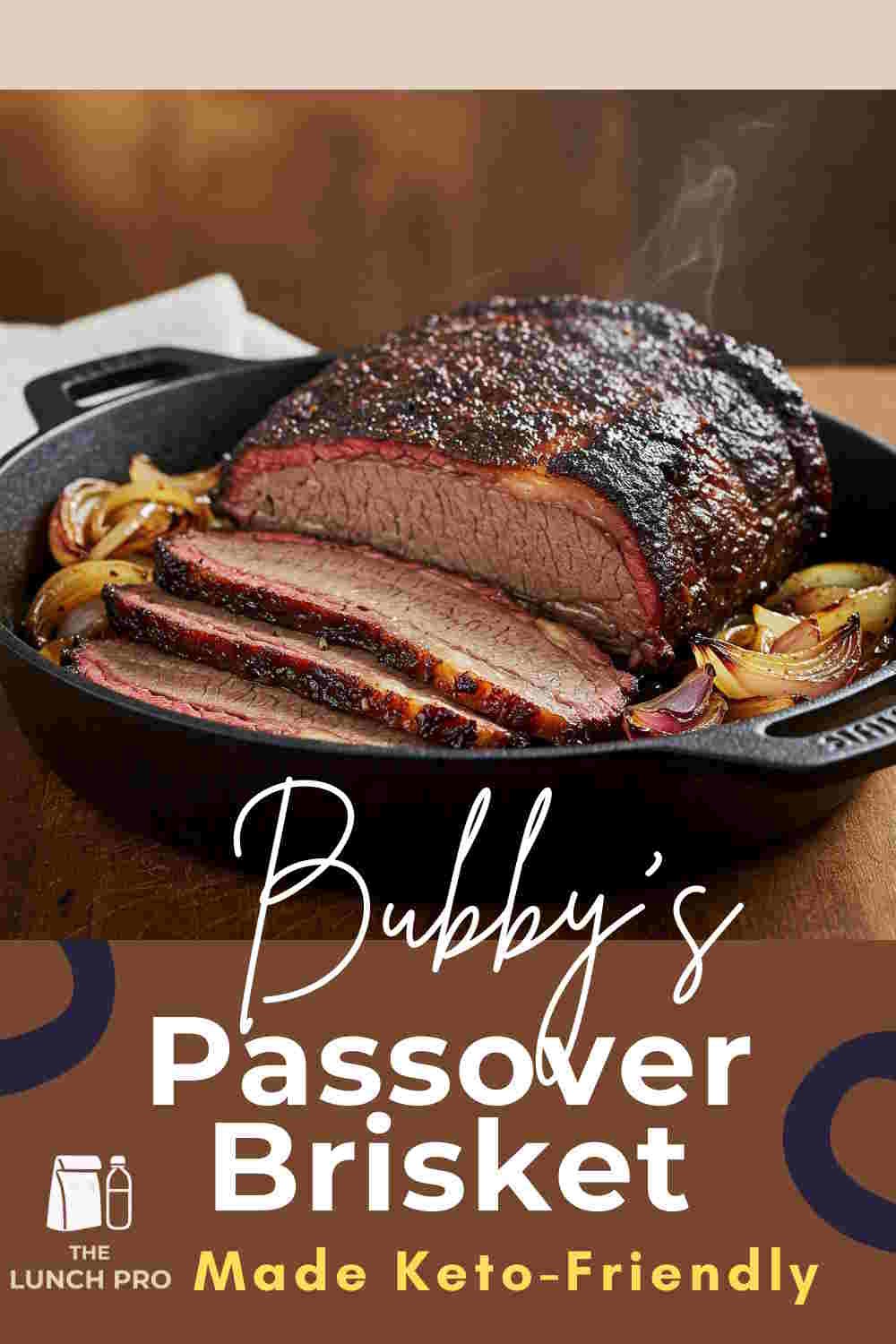
Some recipes earn their place at the table through generations of proof. Passover brisket is one of them. Low, slow, and braised until it surrenders to your fork, this is the Seder centerpiece that brings everyone back year after year.
⏱️ Quick Stats
The oven method takes longer than modern shortcuts, but there’s a reason your grandmother did it this way. Three to four hours of gentle braising transforms a tough cut into something spoon-tender, while the wine and onions meld into a sauce worth fighting over. Make it the day before, it only improves overnight.
🥑 Why This Passover Brisket Recipe Works for Keto
Zero-Carb Protein: Beef brisket is pure protein and fat, no carbs from the meat itself. Each serving delivers 38g of satisfying protein that keeps you full through the Seder.
Natural Fat Content: Brisket’s marbling provides the healthy fats keto requires. The slow braise renders it perfectly, leaving tender meat without greasy sauce.
Minimal Carbs from Aromatics: The only carbs come from onions and wine, just 3g net per serving. The wine’s natural sugars cook off during braising, leaving depth without the glycemic impact.
No Flour Thickener: Traditional recipes often call for flour to thicken gravy. We skip it entirely, the brisket’s natural collagen creates silky body as it braises.
Passover-Perfect: No chametz, no kitniyot, no compromises. This is how Passover brisket was always meant to be, before flour-thickened gravies became common.
Traditional vs. Instant Pot Brisket
Both methods deliver fork-tender results. Here’s when to choose which:
| Factor | Traditional Oven | Instant Pot |
|---|---|---|
| Total Time | 3-4 hours | ~90 minutes |
| Bark/Crust | Better | Softer |
| Sauce Depth | Richer | Very good |
| Tenderness | Excellent | Excellent |
| Best For | Holiday meals, make-ahead | Weeknights, last-minute |
| Net Carbs | ~3g | ~3g |
For Passover, the traditional oven method wins on flavor development and ceremonial presence. The long braise fills your home with the smell of wine and herbs, part of the holiday experience. But if time is short, our Instant Pot Brisket delivers 90% of the magic in a fraction of the time.
Ingredients for Traditional Passover Brisket
Simple ingredients, carefully sourced. For Passover, verify all items are certified Kosher for Passover:
- Beef brisket (4-5 lbs), First cut (flat) or second cut (point), both work for oven braising. The first cut is leaner; the second cut has more fat and a richer flavor.
- Yellow onions, Three large, sliced. They’ll caramelize into sweet, jammy goodness over the long braise.
- Garlic, One whole head, cloves separated and smashed. They’ll melt into the sauce.
- Dry red wine, Two cups. Cabernet Sauvignon or Merlot. Look for Kosher for Passover certification.
- Beef broth, One cup, low-sodium and Kosher for Passover certified.
- Tomato paste, Three tablespoons for color and umami depth.
- Fresh thyme and rosemary, Several sprigs each. These are the traditional aromatics for Jewish brisket.
- Bay leaves, Two or three. Remove before serving.
- Avocado oil, For searing. Any neutral, high-heat oil works.
- Kosher salt and black pepper, Season generously.
The Method: Low and Slow
Full recipe card below, but here’s the approach:
Season and sear. Pat the brisket dry, season heavily with salt and pepper, and sear hard in a hot Dutch oven. You want deep browning on both sides, this is where flavor lives.
Build the aromatics. Soften the onions in the same pot, scraping up the fond. Add garlic and tomato paste, cook until fragrant, then deglaze with wine. Let it bubble and reduce slightly.
Braise covered. Nestle the brisket fat-side up into the liquid. Add broth and herbs, cover tightly, and braise at 300°F for 3-4 hours. The low temperature and long time are non-negotiable, this is what transforms tough collagen into gelatin.
Rest before slicing. Let the brisket rest 15 minutes before slicing against the grain. This redistributes the juices and makes slicing cleaner.
Chef’s Tips for Perfect Passover Brisket
Make It Ahead: Brisket is better the next day. Make it 24-48 hours before your Seder. Slice when cold (much easier), arrange in a baking dish, cover with sauce, and reheat covered at 300°F for 45 minutes. The flavors deepen considerably overnight.
Choose Your Cut: First cut (flat) is leaner and slices more uniformly, good for presentation. Second cut (point) is fattier and more flavorful, better for taste. For Passover, either works beautifully.
Don’t Peek: Every time you open the oven, you lose heat and extend cooking time. Trust the process. Check at 3 hours, then every 30 minutes until fork-tender.
Slice Against the Grain: Look at the muscle fibers running through the meat. Your knife should cut perpendicular to them. This is the difference between melt-in-your-mouth and chewy.
Save the Sauce: The braising liquid is liquid gold. If it’s thin, remove the brisket and simmer the sauce to reduce and concentrate. If it’s too thick, add a splash of broth.
Fat Cap Up: Placing the brisket fat-side up allows the fat to baste the meat as it renders during braising.
The Oven Braised Passover Brisket Recipe
Here’s the complete traditional Passover brisket:

Passover Brisket | Traditional Oven-Braised Keto Recipe
Ingredients
Equipment
Method
- Preheat and prep. Preheat oven to 300°F (150°C). Pat the brisket completely dry with paper towels. Season generously on all sides with kosher salt and black pepper. Let sit at room temperature while you prep other ingredients (about 20 minutes).
- Sear the brisket. Heat a large Dutch oven over high heat. Add avocado oil and heat until shimmering. Carefully add the brisket and sear without moving for 4-5 minutes until deeply browned. Flip and sear the other side for 4 minutes. Remove to a plate.
- Caramelize the onions. Reduce heat to medium. Add sliced onions and a pinch of salt to the pot. Cook for 8-10 minutes, stirring occasionally and scraping up the fond (browned bits), until onions are softened and golden.
- Add aromatics. Add smashed garlic cloves and tomato paste. Stir constantly for 1-2 minutes until fragrant and the tomato paste darkens slightly.
- Deglaze with wine. Pour in the red wine, scraping up any remaining browned bits from the bottom. Bring to a simmer and let cook for 3-4 minutes to reduce slightly. Add beef broth, thyme, rosemary, and bay leaves.
- Braise the brisket. Return the brisket to the pot, fat-side up, nestling it into the onions. The liquid should come about halfway up the meat. Cover with a tight-fitting lid and transfer to the preheated oven.
- Cook low and slow. Braise for 3 to 4 hours, without opening the oven, until the meat is fork-tender. A fork should slide in with no resistance. The exact time depends on your specific brisket—check at 3 hours, then every 30 minutes until done.
- Rest before slicing. Remove Dutch oven from oven. Transfer brisket to a cutting board and tent loosely with foil. Let rest for 15 minutes. Remove bay leaves and herb stems from the sauce.
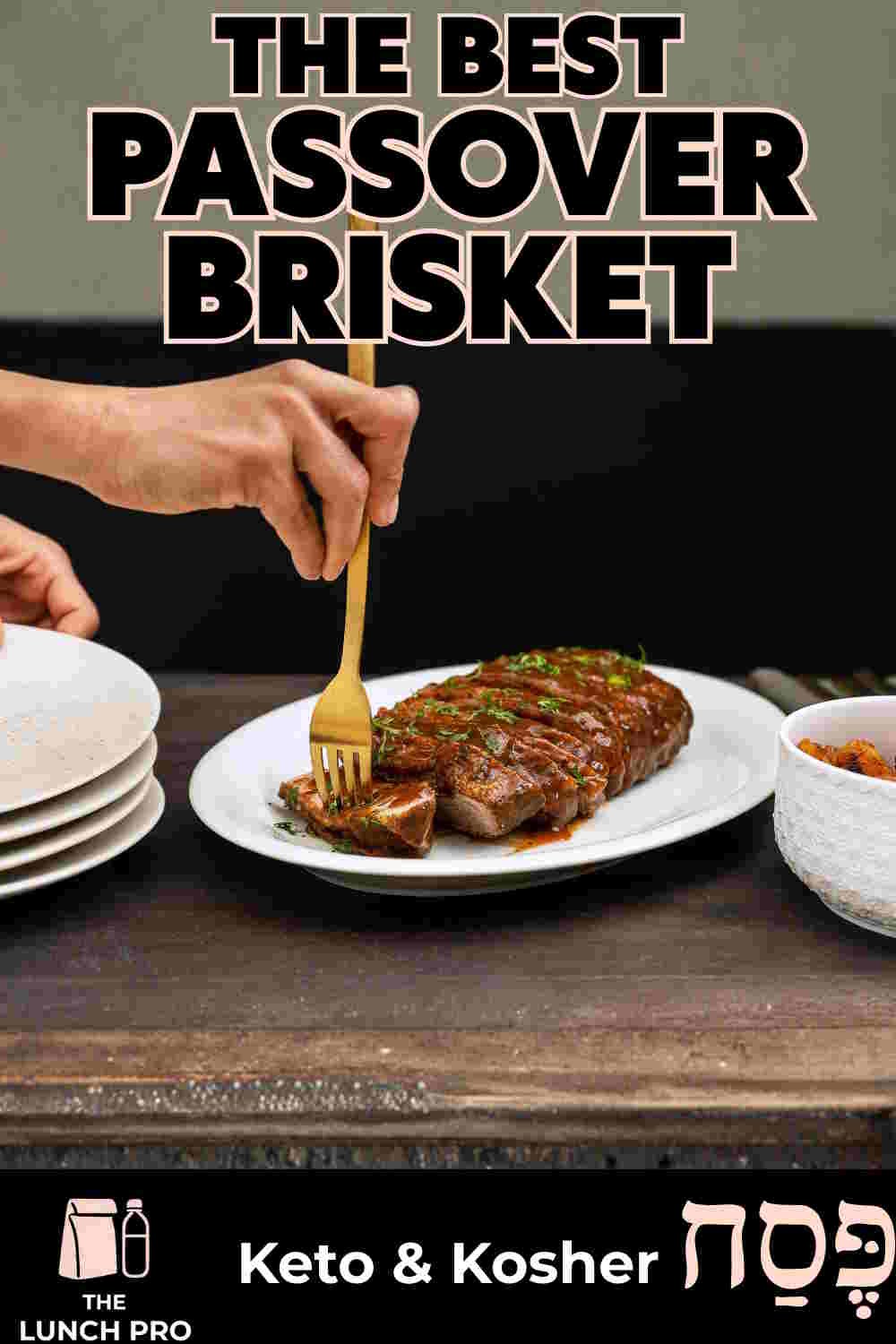
- Slice and serve. Slice brisket against the grain into 1/4-inch slices. Arrange on a serving platter. Taste the sauce and adjust seasoning if needed. Spoon onions and sauce generously over the sliced meat. Serve immediately.
Nutrition
Notes
Tried this recipe?
Let us know how it was!📦 Passover Brisket Storage & Serving Suggestions
Refrigerator Storage: Slice brisket and store in sauce in an airtight container. Keeps 5 days refrigerated. The sauce prevents drying and flavors improve daily.
Freezer Storage: Freeze sliced brisket in sauce up to 3 months. Thaw overnight in refrigerator. Reheat gently, covered, at 300°F.
Make-Ahead for Seder: Make 1-2 days before. Refrigerate whole in sauce. The day of: slice cold brisket (much easier), arrange in baking dish, spoon sauce over, cover with foil, reheat at 300°F for 45-60 minutes until heated through.
Building the Seder Plate: Start with matzo ball soup as your first course. Serve brisket alongside low-carb charoset and roasted vegetables. Finish with flourless chocolate cake for a complete keto Passover meal.
See our complete Passover Recipes Guide for full Seder menu planning.
Passover Brisket FAQs
Can I make Passover brisket in advance?
Yes, and you should. Brisket improves dramatically when made 1-2 days ahead. The flavors meld and deepen overnight. Slice when cold for cleaner cuts, then reheat in the sauce at 300°F for 45-60 minutes before serving.
What is the best cut of brisket for Passover?
Both the first cut (flat) and the second cut (point) work well. First cut is leaner and slices more uniformly for presentation. The second cut has more marbling and a richer flavor. For traditional Passover, many prefer the second cut for its deeper taste.
How do I know when the brisket is done?
Insert a fork into the thickest part. It should slide in with almost no resistance, and the meat should pull apart easily. If there is resistance, continue braising in 30-minute increments until the meat is tender. Most briskets take 3-4 hours at 300°F.
Is this brisket Kosher for Passover?
Yes, when made with certified Kosher for Passover ingredients. Check your wine, beef broth, and tomato paste for proper certification. The recipe contains no chametz or kitniyot. Always verify ingredient labels for your level of observance.
🍽️ You Might Also Like
Same flavor, 90 minutes
Gluten-free almond flour version
Seder plate essential
Passover dessert
This is the brisket that makes Passover feel like Passover. The long braise, the wine-soaked onions, the way your home smells for hours, these are the details that become family memories. Make it the day before, let it rest in its juices, and reheat just before your Seder. Your guests will think you worked all day. You’ll know better.
Medical Disclaimer: The nutritional information and diabetic-friendly adaptations provided in this article are for informational purposes only. While we strive for accuracy, we are culinary experts, not medical doctors. Individual responses to foods vary, and you should always consult with your healthcare provider or registered dietitian about dietary changes, especially if you’re managing diabetes or other health conditions. Always monitor your blood sugar as recommended by your healthcare team.