
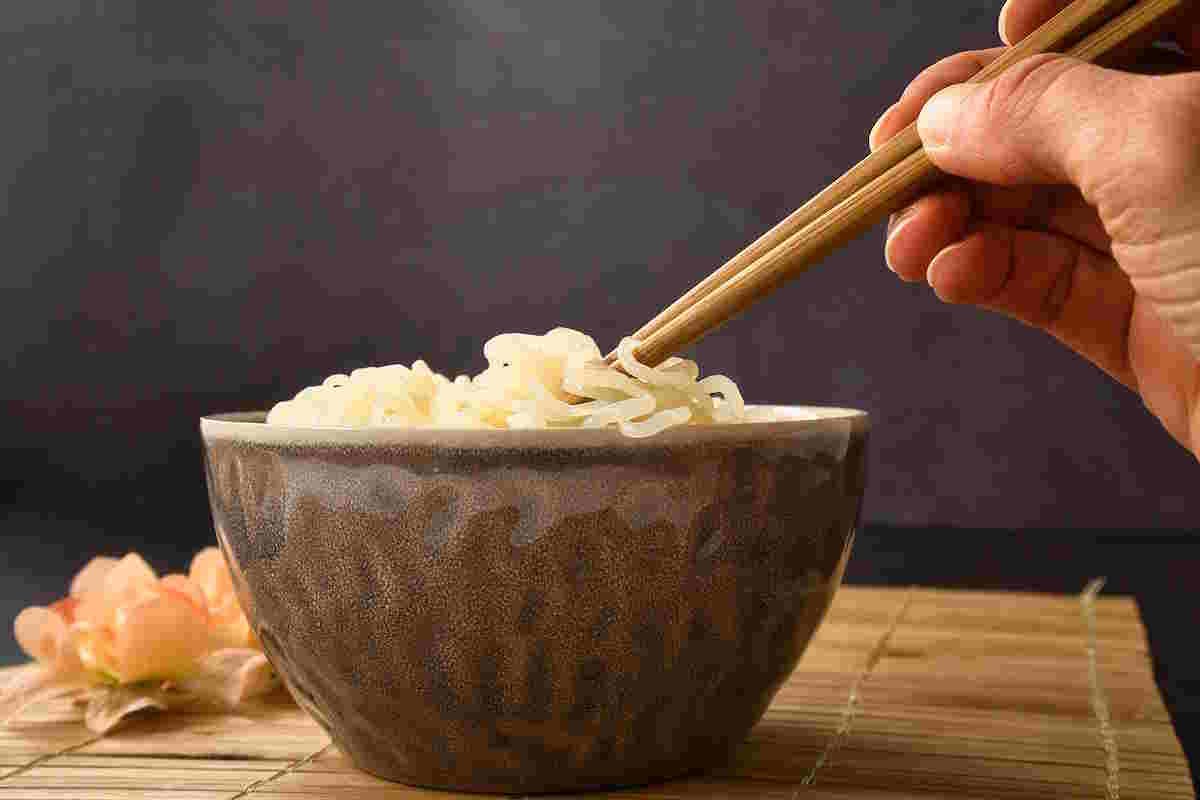
Keto Japanese food isn’t a hack — it’s how much of the cuisine already works. Sashimi, miso, konjac noodles, seaweed, and grilled proteins have been eaten in Japan for centuries, and they are among the most nutritionally complete low-carb foods available anywhere. Once you learn what to order, what to cook, and what to skip, Japanese cuisine becomes one of the most satisfying ways to eat keto without ever feeling restricted.
⏱️ Quick Stats
*Use tamari instead of soy sauce for fully gluten-free meals
Why Keto Japanese Food Works
Naturally Low Glycemic Index: Traditional Japanese cooking relies on fresh fish, fermented ingredients, and mineral-rich vegetables — not bread or sugary sauces. The result is a cuisine with a naturally low glycemic profile that supports steady energy throughout the day. Japan’s own diabetes challenge (an 11.8% prevalence rate among adults, with 40% of new cases occurring in people with normal BMI) has driven significant research into exactly which traditional foods support blood sugar stability.
High Protein, High Satiety: Sashimi, grilled miso salmon, and tofu are protein-dense options that help you feel full longer. A single serving of sashimi delivers 20–25g of quality protein with virtually zero carbohydrates.
Fermented Foods and Gut Health: Miso, natto, and pickled vegetables (tsukemono) are staple Japanese ingredients rich in probiotics. Fermented foods are associated with improved digestive function and better overall metabolic health. Natto in particular — an acquired taste made from fermented soybeans — delivers vitamin K2 and nattokinase alongside its probiotic benefits.
Fiber from Unexpected Sources: Konjac (shirataki noodles, konnyaku), seaweed, and edamame contribute meaningful fiber without the carb load. Fiber slows glucose absorption and helps maintain consistent energy levels.
Umami Means Less Salt and Sugar: The umami flavor in Japanese ingredients like dashi, soy sauce, and miso is intensely satisfying. This depth of flavor means you need less added sugar or sodium to feel satisfied — making portion control a natural side effect.
Traditional Japanese Restaurant vs. Keto-Smart Ordering
| Food | Traditional Order | Keto Swap | Net Carb Saving |
|---|---|---|---|
| Sushi Roll (8 pcs) | ~30g net carbs | Sashimi (same fish) | -28g (93%) |
| Ramen | ~55g net carbs | Miso soup + sashimi | -52g (95%) |
| Tempura Udon | ~70g net carbs | Shirataki noodle bowl | -68g (97%) |
| Rice Bowl (Donburi) | ~60g net carbs | Cauliflower rice bowl | -55g (92%) |
| Teriyaki Bowl | ~65g net carbs | Grilled fish + steamed veg | -55g (85%) |
| Maki Roll (cucumber) | ~20g net carbs | Naruto roll (cucumber wrap) | -17g (85%) |
The 8 Best Keto Japanese Foods
Japanese cuisine has more naturally low-carb options than almost any other food tradition. These eight belong on your regular rotation — with the macros and context that explain exactly why each one works for keto and low-GI eating.
1. Sashimi — 0g Net Carbs
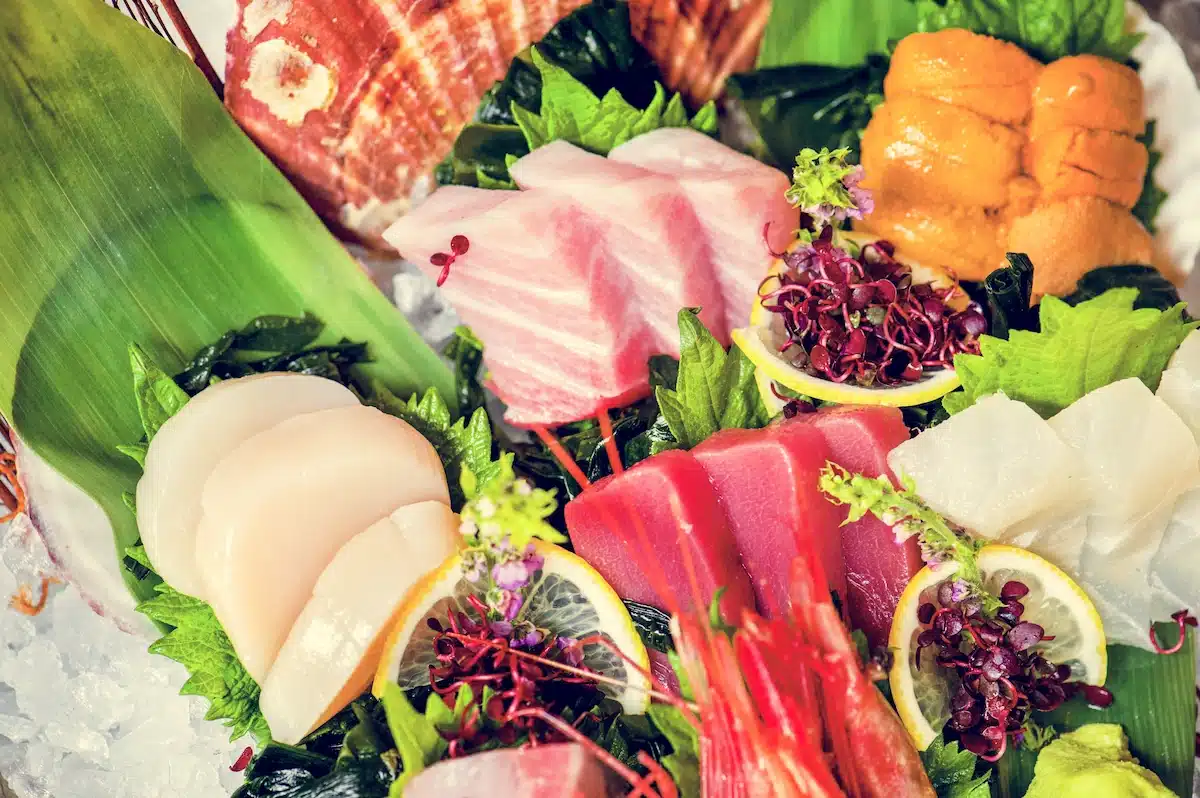
Sashimi — raw sliced fish or seafood served without rice — is the cleanest keto Japanese food you can order. Salmon sashimi delivers roughly 20g of protein and 7g of fat per 100g serving, with 0g net carbs. The omega-3 fatty acids in fatty fish like salmon and tuna are associated with reduced inflammation and better cardiovascular health markers. Order tuna (maguro), salmon (sake), yellowtail (hamachi), or mackerel (saba) for the richest nutrient profile. Pair it with seaweed salad for a complete meal — nori and wakame bring iron, calcium, and antioxidants with almost no carbs. Skip ponzu sauce if it contains added sugar — ask for tamari-based soy sauce instead.
2. Miso Soup — 3–5g Net Carbs

A small bowl of miso soup contains about 3–5g of net carbs — mostly from the miso paste itself, which is made from fermented soybeans. That fermentation process creates a probiotic-rich broth that supports gut health and may improve metabolic function. Standard miso soup includes tofu, wakame seaweed, and green onions — all keto-compatible. Watch for versions with added udon noodles, potato, or corn. Ask for a simple shiro (white) or akadashi (red) miso broth without noodles.
3. Konjac Noodles (Shirataki) — 0g Net Carbs
Shirataki noodles are made from konjac flour, a glucomannan-rich fiber extracted from the konjac yam. They contain roughly 1–3 calories and 0g net carbs per 100g serving — making them the closest thing to a “free food” in keto. The fiber in konjac is viscous and forms a gel in the digestive tract, slowing gastric emptying and associated with a more stable post-meal glucose response. Use them as a base for Japanese soups, stir-fries, or cold salads. Rinse them thoroughly and briefly dry-toast them in a skillet before saucing to improve texture — this removes the mild alkaline smell and gives them a more noodle-like chew. They also work beautifully in Chinese-inspired noodle dishes.
4. Edamame — 4g Net Carbs
Edamame — young soybeans served in their pods — deliver a satisfying, high-fiber, high-protein snack with about 4g net carbs per half cup. They’re one of the few plant-based foods that are a complete protein, containing all essential amino acids. The fiber and protein combination makes edamame one of the most satiating keto-friendly Japanese starters available. A typical restaurant serving (155g) provides about 17g of protein alongside healthy fats. They also keep your hands busy while others are reaching for the fried appetizers.
5. Yakitori (Grilled Skewers) — 0–4g Net Carbs
Yakitori is grilled chicken (or other proteins) on bamboo skewers — seasoned either with a tare glaze or simply with salt (shio). The shio yakitori option is fully keto with 0g net carbs. Tare-glazed skewers use a soy-mirin-sugar glaze that adds approximately 2–4g of net carbs per skewer — manageable in moderation. Choose thigh pieces (momo) over breast for more fat and flavor, or opt for tsukune (chicken meatball skewers) with a shio seasoning for a completely keto-compliant option.
6. Seaweed (Wakame, Nori, Kombu) — Under 1g Net Carbs
Japanese seaweed varieties are nutritional powerhouses with negligible carbohydrates. Wakame (used in miso soup and salads) contains about 0.5g net carbs per 10g serving and is rich in iodine, magnesium, and folate. Nori (used in sushi wraps) provides antioxidants and vitamins B12 and A. Kombu, used as the base for dashi stock, adds minerals, including glutamates that create the umami backbone of most Japanese cooking. Seaweed salad (wakame su) dressed with rice vinegar and sesame oil is a reliable keto-friendly side dish at most Japanese restaurants.
7. Tofu — 1–2g Net Carbs
Firm tofu contains about 1–2g net carbs per 100g serving and provides 8–10g protein. In Japanese cuisine, tofu appears in miso soup, agedashi tofu (battered and fried — skip this for keto), hiyayakko (chilled tofu with soy and ginger), and as a protein in hot pots (nabe). Hiyayakko is the cleanest keto option: cold tofu topped with grated ginger, green onion, and tamari. It’s ready in two minutes and contains under 3g net carbs.
8. Matcha and Green Tea — 0g Net Carbs
Matcha — finely ground green tea powder — delivers caffeine with L-theanine for focused energy without the crash. Unsweetened matcha has 0g net carbs and provides a concentrated dose of catechins, antioxidants associated with improved metabolic health and insulin sensitivity in research settings. At a Japanese restaurant, order matcha or green tea straight — no lattes with sugar syrup. At home, whisk ceremonial-grade matcha with hot water for a clean, sustained energy source that pairs naturally with any keto Japanese food meal.
5 Complete Keto Japanese Lunch Menus
Knowing individual ingredients is useful. Having complete, ready-to-eat menus is practical. These five lunches deliver authentic Japanese flavors with full macros — each one designed to keep you well under 15g net carbs while providing solid protein and healthy fats.
Menu 1: Sashimi Platter with Seaweed Salad
Net Carbs: 3g | Protein: 35g | Calories: 280
Your zero-carb anchor meal. A sashimi platter of salmon, tuna, and yellowtail, paired with a wakame seaweed salad, provides protein, omega-3s, iron, calcium, and antioxidants in one sitting. This is the most blood-sugar-friendly lunch on the list — and one of the most satisfying. For creative serving ideas, see our guide to diabetic-friendly sushi recipes.
Menu 2: Grilled Miso Salmon with Steamed Vegetables
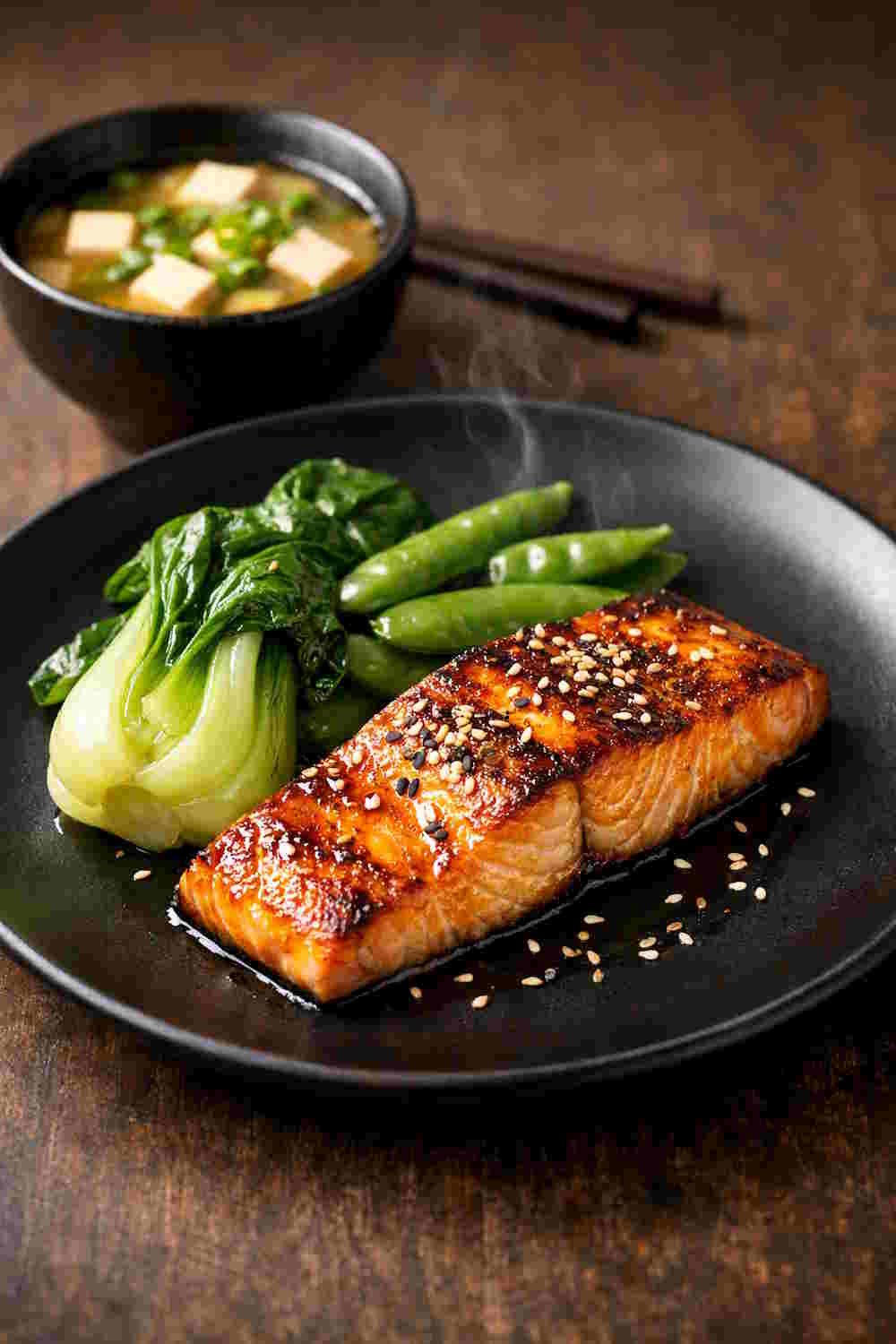
Net Carbs: 8g | Protein: 38g | Calories: 420
Miso-glazed salmon hits that perfect sweet-savory note, and the fermented miso paste adds gut-friendly probiotics. The marinade caramelizes beautifully under a broiler — restaurant presentation with home kitchen effort. Serve alongside steamed bok choy, snap peas, or brussels sprouts for fiber and bulk without the carb load. A small bowl of miso soup on the side completes the meal. The whole plate comes together in about 25 minutes, most of it hands-off.
Menu 3: Tofu and Vegetable Stir-Fry with Cauliflower Rice
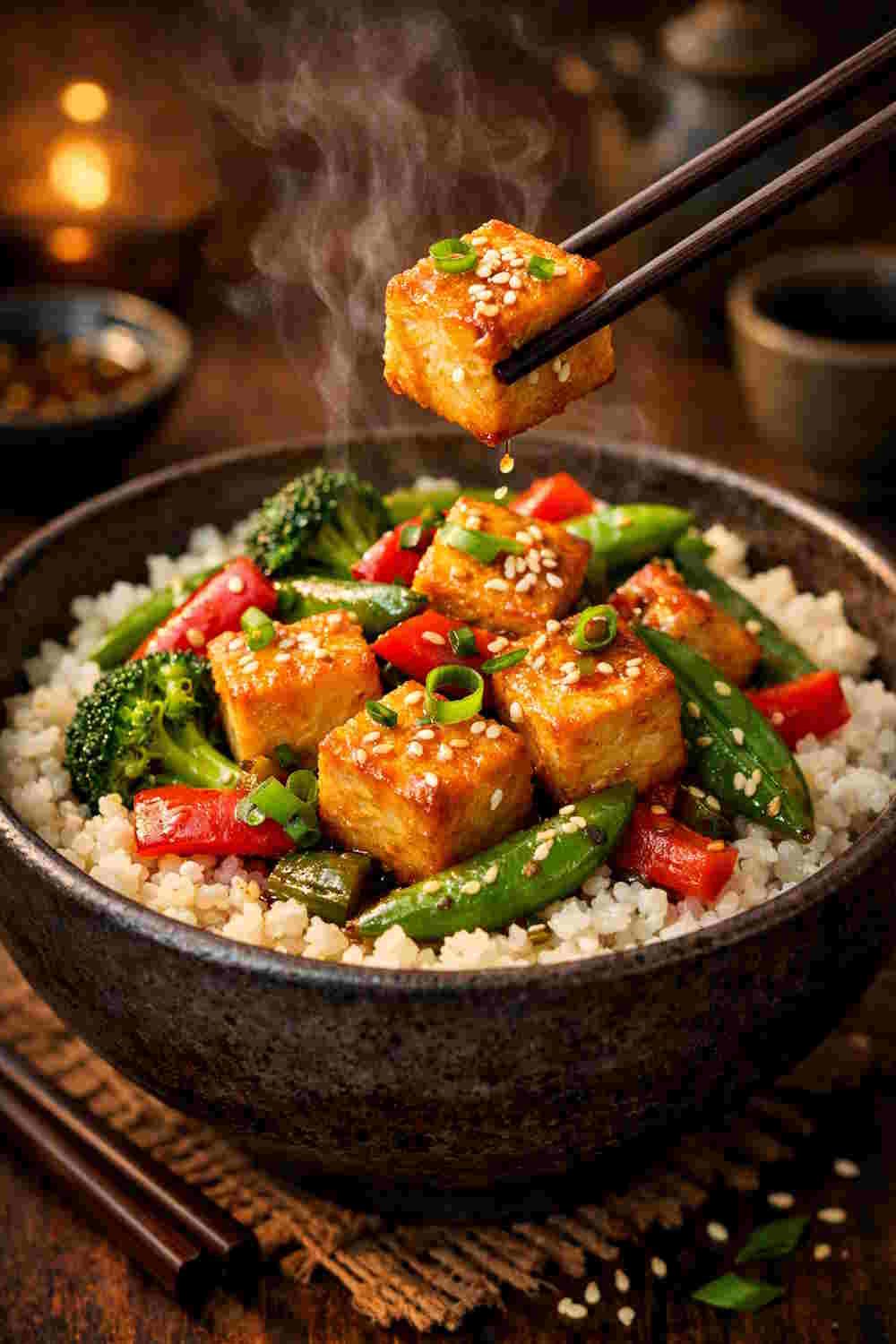
Net Carbs: 9g | Protein: 22g | Calories: 310
The plant-based option. Firm tofu absorbs whatever flavors you throw at it — sesame oil, ginger, garlic, tamari. The secret weapon is cauliflower rice, with roughly 4g net carbs per 100g serving, compared to 45g for white rice. It gives you the satisfying rice-bowl experience without the glucose spike. Toss in broccoli, snap peas, bell peppers, or whatever vegetables you have on hand. Stir-fry comes together fast and reheats well for meal prep.
Menu 4: Chicken and Spinach Soba Noodle Soup
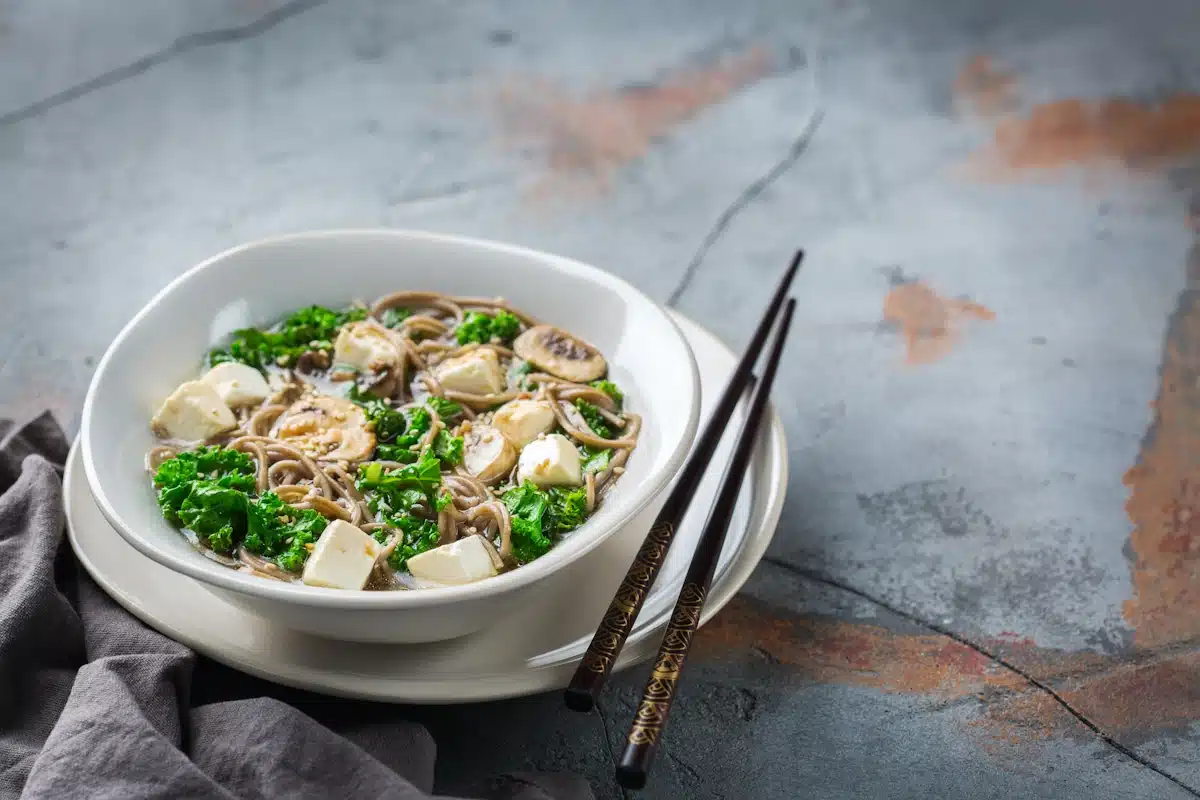
Net Carbs: 15g | Protein: 32g | Calories: 380
This is the higher-carb option on the list — soba noodles made from 100% buckwheat sit at roughly 20–25g net carbs per 100g cooked. They’re not strictly keto, but buckwheat has a significantly lower glycemic index than white rice or udon and contains rutin, a flavonoid associated with improved insulin sensitivity. Use half the typical noodle portion and bulk up with grilled chicken breast and spinach instead. Cold preparation (zaru soba) with a vinegar-based dipping sauce further slows starch digestion. Always confirm the noodles are 100% buckwheat — many blends include wheat flour.
Menu 5: Cucumber Sushi Rolls (No Rice)
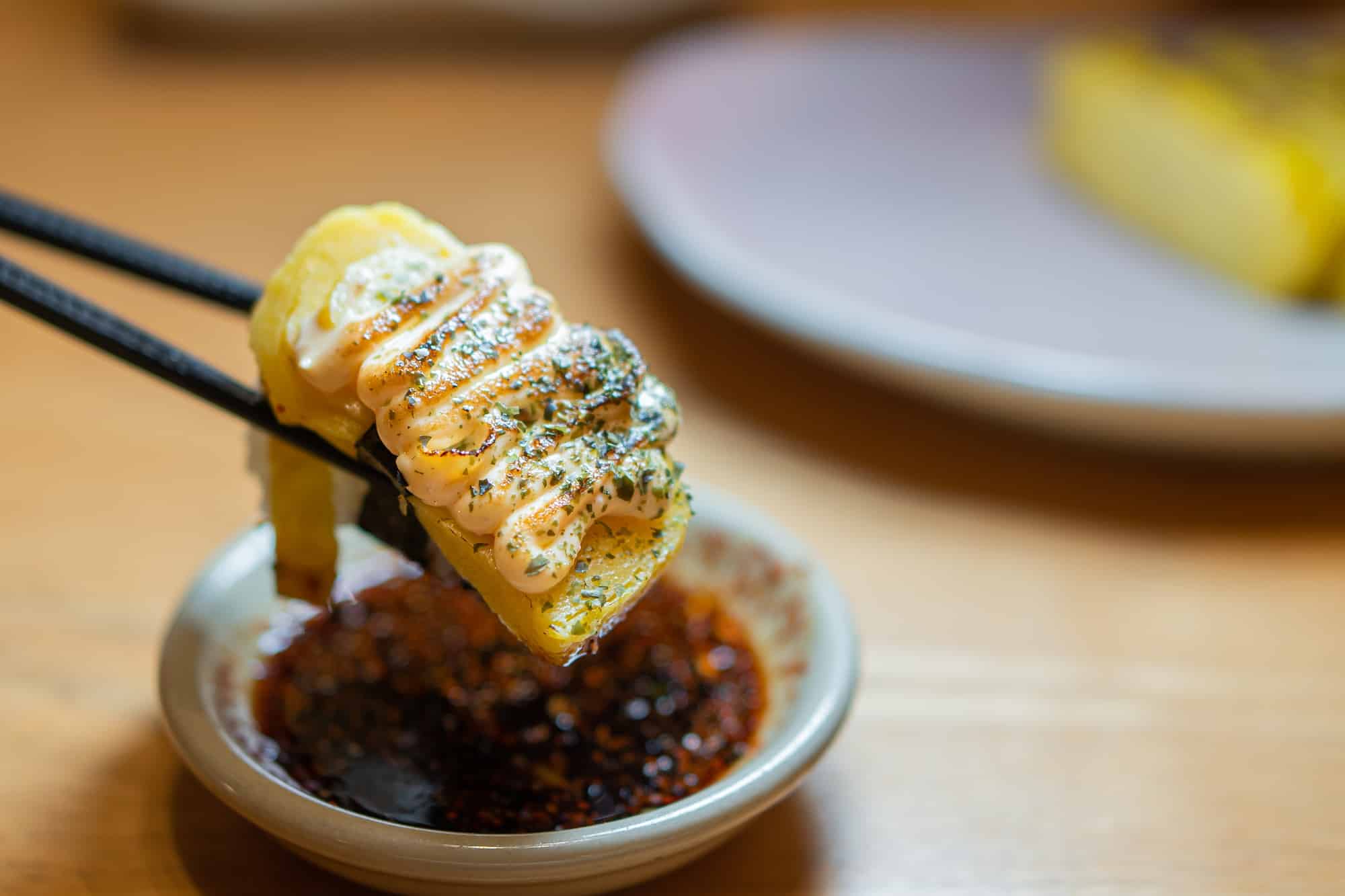
Net Carbs: 4g | Protein: 28g | Calories: 220
Miss sushi rolls? Cucumber sushi rolls swap out the rice entirely. Thin cucumber sheets become the wrapper, holding spicy tuna, crab, avocado, or whatever filling you prefer. You get the sushi experience — the dipping, the wasabi kick, the satisfying bite — with a fraction of the carbs. These are surprisingly easy to make at home with a vegetable peeler or mandoline. For more keto sushi options, our keto sushi recipe walks through cauliflower rice rolls step by step.
Tips for Ordering Keto Japanese Food at Restaurants
Ask for tamari instead of soy sauce: Traditional soy sauce often contains wheat. Tamari is a gluten-free, naturally brewed alternative that tastes nearly identical — request it at any Japanese restaurant without hesitation.
Request sauce on the side: Tare glazes, teriyaki sauces, and ponzu dressings often contain mirin (sweet rice wine) and added sugar. Getting sauce on the side lets you control how much you use.
Start with protein: Ordering sashimi first helps slow the absorption of any carbs that come later. It also takes the edge off your hunger so you’re less tempted by the rice-heavy options on the menu.
Skip the tempura: That crispy batter adds 8–12g of net carbs per piece on top of whatever’s being fried. Grilled, steamed, or raw preparations are almost always the better choice. For a keto-compatible alternative, order shio yakitori or plain grilled fish.
Use chopsticks intentionally: Chopsticks naturally slow your eating pace, giving your brain’s satiety signals time to catch up. This isn’t just tradition — it’s a built-in portion awareness tool that makes mindful eating easier.
Watch the hidden carb sauces: Gyoza dipping sauce, tonkatsu sauce, and sweet unagi glaze are the three highest-carb condiments at a Japanese restaurant. Substitute with wasabi + tamari for a spicy, zero-carb alternative.
Making Keto Japanese Food at Home
Stocking a Keto Japanese Pantry
Keep these essentials on hand — tamari (or coconut aminos for a lower-sodium option), rice vinegar, toasted sesame oil, dashi powder (check for no added sugars), miso paste (white and red), and dried wakame seaweed. These ingredients form the foundation of nearly every Japanese sauce and broth, and none of them will break your carb budget.
Meal Prep Strategy
Shirataki noodles keep in water in the fridge for up to 2 weeks. A batch of dashi stock made from kombu takes 20 minutes and can be portioned and frozen for quick soups all week. Pre-marinated proteins (chicken thigh, salmon) in a tamari-sesame marinade can be grilled in under 10 minutes on any weeknight. Pressed and cubed tofu stores for 3 days in the fridge — change the water daily.
📦 Storage Tips
Sashimi: Best eaten same-day. If you must store it, wrap tightly in plastic, place on ice in a covered container, and consume within 24 hours. Never freeze and thaw sashimi meant for raw consumption.
Miso Salmon: Marinate the night before for deeper flavor. Cooked salmon keeps 3–4 days refrigerated. Reheat gently at 300°F to avoid drying out.
Soba Noodles: Cook separately and store with a light coating of sesame oil. Add cold noodles to hot broth at serving time to prevent mushiness.
Pack for Work: Cucumber sushi rolls and tofu stir-fry travel well in insulated containers. For sashimi, use an ice pack and consume by lunch. Keep wasabi and soy sauce in small separate containers.
Complete the Meal
Pair sashimi with a Keto Hot and Sour Soup for an Asian fusion lunch, or serve yakitori skewers alongside a quick edamame salad. For a heartier dinner, a shirataki noodle bowl with chicken and miso broth pairs beautifully with steamed bok choy. If you enjoy Asian cuisine broadly, our Egg Roll in a Bowl (Crack Slaw) is a five-star keto fusion option, and our keto cold lunch roundup has more Japanese-inspired meal prep ideas.
Soy Sauce Substitutions
If you’re strictly avoiding soy, coconut aminos (from coconut blossom nectar) provides a similar savory-sweet flavor with about 1g net carbs per teaspoon — slightly sweeter than tamari but functional in every Japanese recipe. For sweetener swaps in sauces that call for sugar or mirin, monk fruit and erythritol blends dissolve cleanly and won’t spike blood sugar.
Keto Japanese Food Q&A
Is sushi keto-friendly?
Traditional sushi rolls are not keto — the sushi rice is seasoned with sugar and vinegar, and a single roll can contain 25–40g of net carbs. However, sashimi (fish without rice), naruto rolls (cucumber-wrapped), and hand rolls with minimal rice are all workable keto Japanese food options. When dining out, order sashimi platters and miso soup rather than maki rolls to keep net carbs under 5g per serving.
Are ramen and udon noodles keto?
Standard ramen and udon noodles are high in carbohydrates — a serving of udon contains roughly 50–60g of net carbs, and ramen is similar. They are not keto-friendly. The good news: the broth in ramen and udon is typically very low-carb. Ask for broth with a protein and vegetable topping (chashu pork, soft-boiled egg, bok choy) without noodles, or substitute shirataki noodles if the restaurant accommodates.
Can I eat tempura on a keto diet?
Tempura is fried in a wheat-flour batter that adds approximately 8–12g of net carbs per piece. It’s not suitable for strict keto. For a keto-compatible alternative, order shio yakitori (salt-grilled skewers), sashimi, or grilled fish. If you cook tempura at home, a thin coating of almond flour significantly reduces the carb count.
What are the best low-carb alternatives to rice in Japanese cooking?
The three most practical rice substitutes for keto Japanese food are: cauliflower rice (1–2g net carbs per cup, works well in chirashi bowls and fried rice), shirataki rice (near-zero net carbs, made from konjac), and konjac konnyaku blocks (used in Japanese stews like oden). At restaurants, you can also request your donburi or curry toppings served over sautéed cabbage or steamed bok choy instead of rice.
Is miso soup good for blood sugar?
Miso soup is generally blood-sugar-friendly at 3–5g carbs per bowl. The fermented miso paste also supports gut health through its probiotic content. Stick to versions with tofu, seaweed, and vegetables as add-ins — avoid bowls loaded with noodles or rice.
Can traditional Japanese desserts be adapted for keto?
Yes — mochi can be modified with diabetes-friendly sweeteners like monk fruit or erythritol, and matcha-based desserts (puddings, mousse) work well with sugar substitutes. Silken tofu with a drizzle of sugar-free syrup and fresh berries is another traditional-adjacent option that keeps carbs to a minimum.
🍽️ You Might Also Like
Cauliflower rice rolls step by step
No rice needed — 4g net carbs
Ready in 15 minutes
Keto Asian fusion, 20 minutes
Keto Japanese food isn’t about restriction — it’s about recognizing which traditional elements already align with a low-carb lifestyle. Sashimi, miso, konjac, seaweed, yakitori, and matcha have been eaten in Japan for centuries, and they are nutritional powerhouses for modern keto eating. Once you understand the pattern — fresh protein, fermented umami, fiber-rich vegetables — navigating any Japanese menu becomes second nature.
Medical Disclaimer: The nutritional information provided in this article is for informational purposes only. While we strive for accuracy, we are culinary experts, not medical doctors. Individual responses to foods vary, and you should always consult with your healthcare provider or registered dietitian about dietary changes, especially if you’re managing diabetes or other health conditions. Always monitor your blood sugar as recommended by your healthcare team.


