Published June 12, 2026 · Updated August 18, 2026
For generations, these dining rooms sat busy with social life, a kind of communal table at the center of downtown. They were where mothers and children caught their breath mid-shopping trip, where friends met without needing an occasion, and where a kid could discover that lunch out was an event. Walking down that memory lane while looking at today’s retail landscape raises one looming question: What does the future hold for the department store restaurant?
Where This Series Is Headed
A few threads run through every chapter ahead. We will revisit why department store restaurants became a nostalgic highlight for so many of us, never more so than during the back-to-school season, when a new pair of shoes came with a hot lunch and a view. We will look at how stores around the world are bringing in-store dining back as a reason to show up in person. We will pore over vintage menus built on classics like the wedge salad, the chicken salad plate, and a proper slice of chocolate cake. And we will keep returning to the dish that defined the genre, the comfort-food chicken pot pie, still beloved and still worth recreating at home.
The Department Store Restaurant Resurgence
Once written off as a fading trend, the department store restaurant is enjoying a quiet resurgence. The nostalgia attached to these rooms has sparked renewed interest, and diners are drawn to their distinctive sense of occasion, the feeling that a meal can be an event rather than a refueling stop. After years of retail disruption, stores have rediscovered something their predecessors knew a century ago: a memorable dining room gives people a reason to come downtown.
The outlook is still uncertain. Online shopping is thriving, and no tearoom can compete with the convenience of a checkout button. But that is precisely the point of the revival: dining in offers what a browser cannot, a table, a view, an unhurried hour. Whether these restaurants endure will depend on their ability to blend tradition with modern tastes and to give customers a compelling reason to stay a while.
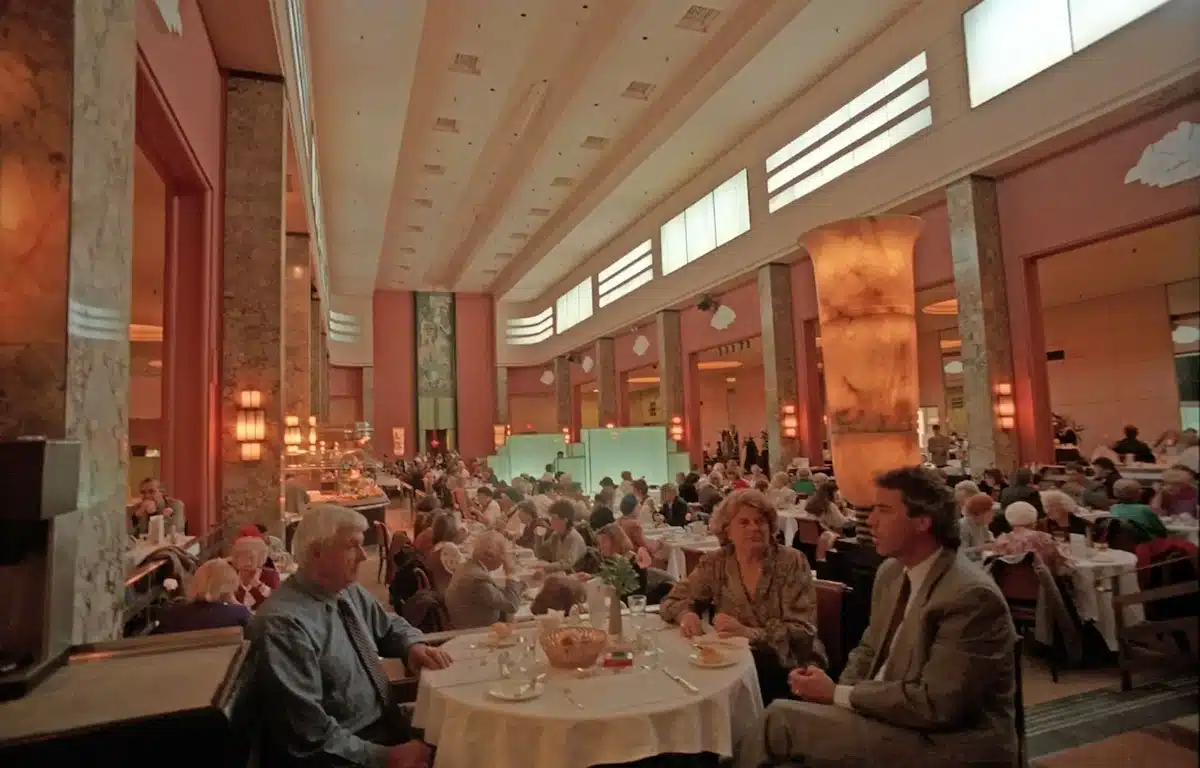
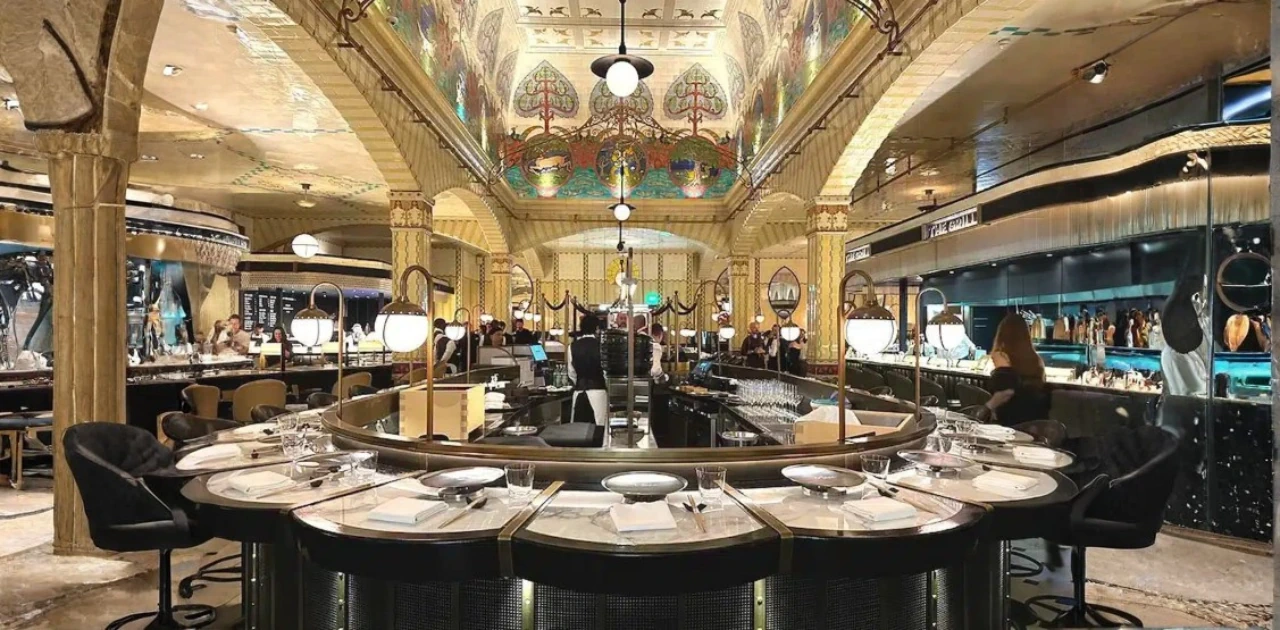
The Ninth Floor itself tells the whole arc of the story in a single room. The Eaton’s store closed in 1999, but the Art Deco dining room above it was designated a heritage site, and its owners were required to preserve and maintain it for a quarter century, a stewardship that culminated in its restoration and reopening as Le 9e in spring 2024. Before the closure, I shared many lunches there with friends and family. Honestly, I would happily have ridden the express elevator up for lunch without buying a single thing in the store below.
A Century of Social History, Served at Lunch
Department store restaurants earned a significant place in the cultural and social history of North American dining, and much of that story belongs to women. In an era when most grand public rooms were built around men, these dining rooms offered women a respectable, welcoming place to eat out, to socialize on their own terms, and to spend their own money. A lunch on the ninth floor came with a measure of physical and financial freedom that was hard to find anywhere else downtown.
By combining shopping, socializing, and dining under one roof, these restaurants became a cultural phenomenon in their own right. Their menus, equal parts homey comfort and white-tablecloth polish, helped shape the evolution of everyday North American cuisine, and their dining rooms quietly diversified who got to take part in it. The food mattered, but the seat at the table mattered more.
Iconic Department Store Restaurant Dishes
The clearest proof of that legacy is how many signature dishes outlived the stores that created them. These classics preserve a slice of culinary history and continue to evoke the rooms they came from, which is why so many of us still seek them out or recreate them at home. Here is a short roll call of the most famous:
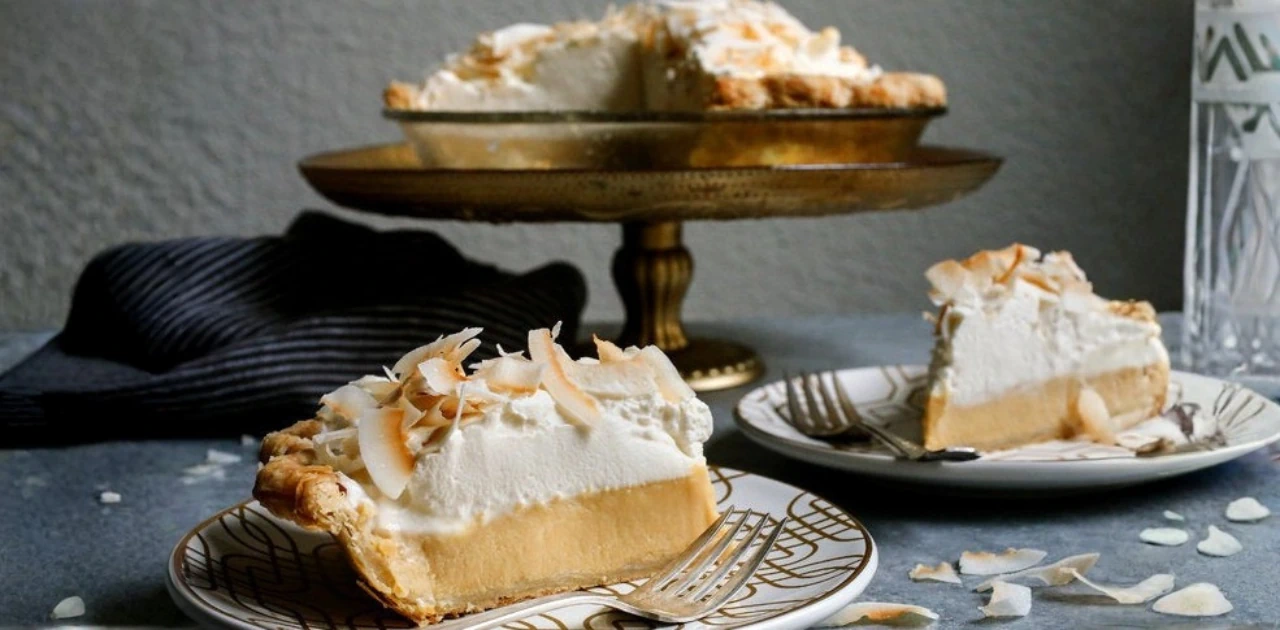
| Delicacy | Department Store | Location |
|---|---|---|
| Frango Mints | Marshall Field’s | Chicago |
| Coconut Cream Pie | Bullock’s Wilshire | Los Angeles |
| Chicken Amandine | Rich’s Department Store | Atlanta |
| Chicken Pot Pie | The Walnut Room (Marshall Field’s) | Chicago |
| Mandarin Orange Soufflé | The Zodiac Room (Neiman Marcus) | Dallas |
| Chicken Casserole | Neiman Marcus | Dallas |
We’ve recreated the famous Neiman Marcus Chicken Casserole with a diabetic-friendly twist—same creamy comfort, smarter ingredients.
If you enjoy this kind of culinary time travel, two companion reads pair well here: the full story of Le 9e, Eaton’s iconic Ninth Floor restaurant in Montreal, and a revisit of the Woolworth’s lunch counter.
Department Store Restaurants Q&A
Why are department store restaurants making a comeback?
Stores are using in-house dining to give shoppers a reason to visit in person in an online-first era. Nostalgia, a sense of occasion, and the appeal of an unhurried sit-down meal all draw customers back, so the restaurant becomes a destination in its own right rather than a convenience.
How have these restaurants adapted to modern tastes?
Many have updated their menus with lighter, seasonal, and diet-friendly options while keeping a few signature classics for the regulars. Faster service formats, cafe-style counters, and partnerships with known chefs or brands help them fit how people actually eat today.
What did a classic department store lunch look like?
The mid-century template leaned on tea-room staples: a crisp wedge salad, chicken salad, finger sandwiches, a hot dish like chicken pot pie, and a slice of chocolate cake to finish. The setting, white tablecloths on an upper floor with a view, was as much the point as the food.
Which famous department store restaurants are worth knowing?
Montreal’s Eaton’s Ninth Floor, now revived as Le 9e, is the headline story, but the tradition spans Woolworth’s lunch counters, The Bay, Marshall Field‘s Walnut Room in Chicago, and the Neiman Marcus tea rooms. Each kept its own signature dish that fans still seek out.
You Might Also Like
Le 9e: Eaton’s Ninth Floor Reborn
The Art Deco landmark whose 2024 revival inspired this whole series.
The Woolworth’s Lunch Counter, Revisited
The five-and-dime cousin of the upstairs dining room, milkshakes included.
Woolworth’s Steak-Umm Sandwich
A taste of the lunch counter era, rebuilt for your own kitchen.
Eaton’s Wheat Germ Muffins
A healthy copycat of the Ninth Floor’s basket favorite, the muffin that came with every Complete Meal.
Final Thoughts
Looking back on the heyday of department store dining, the nostalgia is real, and so is the recognition that fast-casual options and online shopping now hold center stage. We can cherish those childhood lunches and still embrace an ever-changing dining scene. The Lunch Pro will keep telling these stories, from Woolworth’s and The Bay to Macy’s, Marshall Field’s, and, of course, Eaton’s, and celebrate the people keeping them alive.
Medical Disclaimer: The nutritional information provided in this article is for informational purposes only. While we strive for accuracy, individual responses to foods vary. Always consult with your healthcare provider or registered dietitian about dietary changes.