
Published January 10, 2026 · Updated June 26, 2026
This crab and asparagus soup is your answer to a light yet satisfying meal. Sweet, delicate crab meat swims in a ginger-infused broth alongside crisp asparagus, so you get all the comfort of the Asian restaurant classic at home, for a fraction of the carbs. At just 4g net carbs a bowl, it is genuinely keto, naturally gluten-free, and ready in 25 minutes.
Quick Stats
See the recipe card below for the full calorie, protein, and fat breakdown.
Why This Crab and Asparagus Soup Works
Just 4g Net Carbs: A ginger broth thickened lightly (no cornstarch) keeps this bowl at 4g net carbs, so it is genuinely keto rather than just “lighter.” It is a blood-sugar-friendly way to enjoy a soup that is usually built on a starchy, cornstarch-heavy base.
Sweet Crab, Crisp Asparagus: Lump crab brings natural sweetness and lean protein, while asparagus adds fiber and a fresh, crisp bite. Together they make the soup feel substantial without anything heavy, which is the whole appeal of the restaurant version.
Ginger-Forward Broth: Fresh ginger does the heavy lifting on flavor, giving the soup that warm, aromatic, restaurant-quality backbone with no added sugar. If you love this style, our egg drop soup uses the same velvety, low-carb technique.
Fast and Light: Start to finish in 25 minutes, it is the kind of quick, warming lunch or starter that fits a busy day. The flavors deepen overnight, so it is great for prep-ahead too.
Restaurant Crab Soup vs. This Homemade Version
| Factor | Restaurant | This Recipe | Difference |
|---|---|---|---|
| Net Carbs | 15 to 20g | 4g | About 75% fewer |
| Sodium | 1,200+ mg | ~400mg | About 67% less |
| Cost | $12 to $18/bowl | ~$4/bowl | About 70% savings |
| Time | 45+ min with travel | 25 min | Faster at home |
Here is the full keto crab and asparagus soup recipe, with the ginger broth and the assembly.
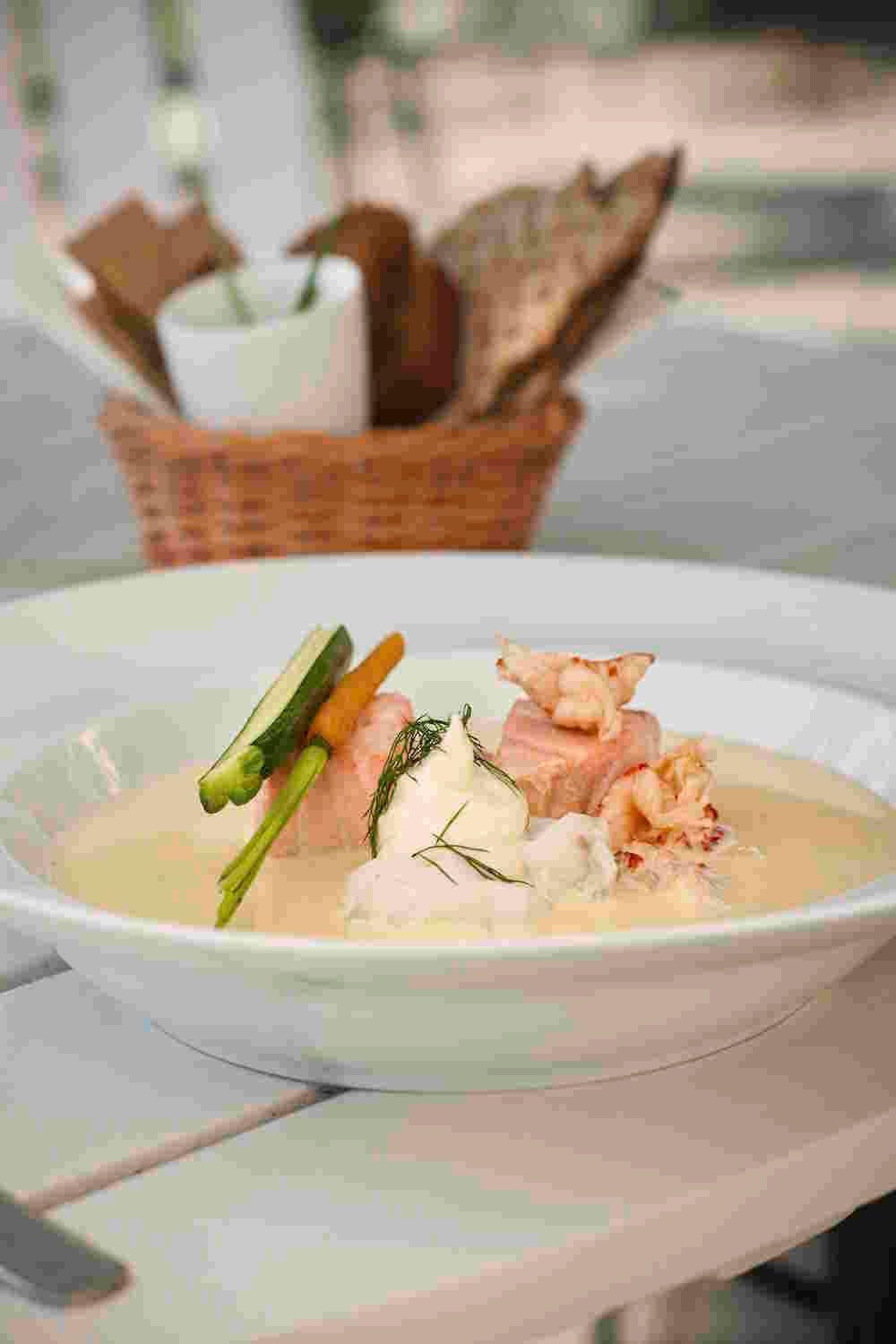

Crab and Asparagus Soup | Keto, 4g Net Carbs
Ingredients
Equipment
Method
- Trim the woody ends from the asparagus stalks and cut the tender parts into 1-inch diagonal pieces. Reserve the woody ends if you want extra flavor in your broth (you’ll strain them out later).
- Peel the fresh ginger using the edge of a spoon to easily scrape away the skin. Finely grate or thinly slice the ginger, depending on your preference for intensity.
- Pour the broth into a large pot. If using reserved woody asparagus ends, add them now. Bring the broth to a gentle simmer over medium heat and let it bubble for 3-4 minutes to infuse flavor. Strain out and discard the woody ends if used.
- Add the prepared ginger to the simmering broth and cook for 2-3 minutes, stirring occasionally, to infuse the soup with warming ginger flavor.
- Add the asparagus pieces to the pot and simmer for 4-5 minutes until they’re crisp-tender but still bright green. Don’t overcook—they should have a slight bite.
- Reduce heat to low. Gently fold in the crab meat and warm through for 1-2 minutes only. Avoid boiling vigorously or the crab will become rubbery and tough.
- Season the soup with salt and pepper to taste. Add a splash of lemon juice or white wine if using, stirring gently to brighten the flavors.
- If desired for creaminess, stir in coconut cream or Greek yogurt just before serving. Remove from heat immediately after adding to prevent curdling.
- Ladle the soup into bowls and garnish with sliced green onions, fresh cilantro, and a light drizzle of sesame oil if desired. Serve immediately while hot.
Nutrition
Notes
Tried this recipe?
Let us know how it was!Craving more light, Asian-inspired seafood? Two more keto-friendly favorites are this steamed fish with ginger and scallions and these quick air fryer salmon bowls.
Chef Tips for Perfect Crab and Asparagus Soup
Choose the Right Crab: Lump or jumbo lump crab gives the best texture and sweetness. Canned crab works in a pinch, just drain it well and pick through for any shell fragments before it goes in.
Add Crab Last: Stir the crab in at the very end and warm it through gently. Overcooking turns delicate crab rubbery, so once it is heated, the soup is done.
Thicken Without the Carbs: Restaurant versions lean on cornstarch, which adds carbs fast. For a keto bowl, thicken with a whisked egg drizzled in (egg-drop style) or a small pinch of xanthan gum instead.
Keep It Gluten-Free: If you add a savory splash for depth, use tamari or coconut aminos rather than regular soy sauce, which contains wheat. That keeps the whole soup gluten-free.
Finish Fresh: A scatter of sliced green onion or cilantro and a few drops of toasted sesame oil right before serving lift the whole bowl and give it that aromatic, restaurant finish.
Storage and Serving Suggestions
Refrigerator Storage: The soup keeps in an airtight container for up to 3 days, and the flavors actually deepen overnight. Reheat gently on the stovetop over medium-low heat so the crab does not turn rubbery.
Freezer Storage: You can freeze it for up to 2 months, though crab gets a little more delicate after thawing. Thaw overnight in the fridge and reheat gently. If you thickened with egg, the texture is best fresh.
Meal Prep Strategy: Make a batch for easy, warming lunches through the week. For more cozy low-carb bowls, try our keto hot and sour soup or a creamy keto broccoli cheddar soup.
Complete the Meal: Garnish with green onion, cilantro, or a drizzle of sesame oil, and serve alongside a simple cucumber salad dressed with rice vinegar for a fresh, light meal. A side of garlic ginger shrimp turns it into a feast.
Frequently Asked Questions
What kind of crab is best for crab and asparagus soup?
Lump or jumbo lump crab meat gives the sweetest flavor and the nicest texture. Canned crab works well too for an everyday version, just drain it thoroughly and pick through it for any bits of shell before adding it to the broth.
Is crab and asparagus soup keto?
This version is, at just 4g net carbs per serving. It skips the cornstarch that restaurant versions use to thicken the broth, relying on a whisked egg or a pinch of xanthan gum instead, so it stays genuinely keto and diabetic-friendly.
Can I use canned or imitation crab?
Canned crab is a fine, budget-friendly swap and keeps the soup low-carb. Skip imitation crab if you are watching carbs, though, since it is made with starch and added sugar and is not keto-friendly.
Can I make this soup ahead or freeze it?
Yes. It keeps in the fridge for up to 3 days and the flavor deepens overnight. You can freeze it for up to 2 months, but the crab gets a little more delicate after thawing, so add it fresh if you can and reheat the broth gently.
You Might Also Like
More asparagus and seafood, keto, 5g net carbs.
Quick, no-mayo seafood lunch.
Flaky, 1g net carb fish in 25 minutes.
Light Asian seafood, naturally keto.
This keto crab and asparagus soup proves you can enjoy a restaurant favorite at home for a fraction of the carbs, sodium, and cost. Sweet crab, crisp asparagus, and a warming ginger broth come together in 25 minutes for a light, satisfying bowl. Make a batch and you have cozy, blood-sugar-friendly lunches ready all week.
Medical Disclaimer: The nutritional information provided in this article is for informational purposes only. While we strive for accuracy, individual responses to foods vary. Always consult with your healthcare provider or registered dietitian about dietary changes.


