Published March 21, 2026 · Updated July 30, 2026
Twenty-five snack ideas. Seven categories. Most take under ten minutes to prep. Whether you need something protein-packed for a growth spurt, dairy-free for a sensitive tummy, or grab-and-go for the park, this guide has you covered.
At The Lunch Pro, we know that toddler snack time can be a battleground. Every snack on this list uses real, whole-food ingredients your toddler can actually pick up, chew safely, and enjoy. No gimmicks, no complicated recipes, and no massive messes- just practical ideas tested by parents who are in the trenches of toddler feeding every single day.
Quick Stats

Why This Snack Guide Works
Real food, not processed packets. Every idea here starts with whole ingredients like fruits, vegetables, proteins, and healthy fats. Toddlers between ages one and three need nutrient-dense mini-meals because their stomachs are small but their energy needs are high. These snacks deliver vitamins and sustained energy without the sugar crashes.
Organized by need, not just alphabetically. Whether you need a dairy allergy swap, a high-protein bite, or a sturdy snack that survives the diaper bag, the categories help you find the right idea fast. We organized this the way parents actually think.
Safe for small hands. We chose every snack with toddler motor skills in mind. Foods are appropriately sized for the “pincer grasp” (thumb and index finger), firm vegetables are softened, and common choking hazards are flagged.
Batch-prep friendly. Most of these snacks can be chopped, baked, or portioned on Sunday. That means less scrambling at 7 AM and more grab-and-go confidence for daycare drop-offs.
Safety First: Choking Hazard Prevention
Before diving into the recipes, let’s talk safety. Toddlers are still learning to chew, swallow, and manage different textures. Always cut round foods like grapes, cherry tomatoes, and large blueberries in half lengthwise (or into quarters for younger toddlers). Avoid whole nuts, popcorn, hard candies, and large dollops of sticky nut butter. When in doubt, use the “squish test”: if you can easily squish the food between your thumb and index finger, it is generally safe for a toddler to mash with their gums.
Store-Bought vs. Homemade Toddler Snacks
Easy Everyday Snacks
These three ideas need almost no prep and use ingredients you probably already have in the fridge. They are the daily workhorses of toddler feeding.
1. Fresh Fruit and Veggie Sticks
Sliced bananas, halved berries, steamed carrot sticks, and cucumber spears deliver vitamins in a format small hands can easily manage. Cut firm vegetables into finger-length pieces so your child can grip the bottom while biting the top. Pair raw veggies with hummus for a protein boost. If you have an early walker, soft fruits like peaches, kiwis, and raspberries are perfect.
2. Cheese and Whole-Grain Crackers
This classic combination delivers both protein and complex carbs to keep energy steady. Choose full-fat cheese blocks (which you can cut into age-appropriate thin slices) and whole-grain crackers to add fiber. This snack packs easily into a bento-style déjeuner box for daycare or park outings.
3. Yogurt Parfaits
Layer plain full-fat yogurt with fresh fruit, chia seeds, and a sprinkle of soft granola. Full-fat Greek yogurt provides the protein, calcium, and healthy fats necessary for a toddler’s brain development. Switch up the fruit layers to keep things interesting. For dairy-free households, coconut yogurt works perfectly.
Protein-Packed Snacks

Protein keeps toddlers full between meals. These three snacks are simple to prep ahead and travel beautifully.
4. Hard-Boiled Eggs
Batch-cook a dozen on Sunday, and you instantly have a reliable, no-meat snack for the entire week. Pair an egg with whole-grain pita wedges, apple slices, or crackers. Hard-boiled eggs are among the most affordable high-protein options, and their soft texture is incredibly toddler-friendly. They also make a fantastic foundation for a larger toddler-friendly déjeuner.
5. Shredded Chicken Wraps
Mix shredded rotisserie chicken with a spoonful of plain yogurt, grated carrots, and cucumber. Spread the mixture onto a small soft tortilla, roll it tightly, and slice it into little pinwheels. These wraps sneak vegetables into a protein-rich bite and hold up perfectly in a cold déjeuner box.
6. Nut Butter and Banana Slices
Spread a very thin layer of peanut butter, almond butter, or sunflower seed butter onto banana rounds. This takes about two minutes to prepare and combines healthy fats, protein, and natural sweetness. Always spread nut butters thinly, as large globs can be a choking hazard for young kids.
Naturally Sweet, No Added Sugar

When your toddler wants a treat, these ideas hit the spot using only the natural sweetness of fruits and vegetables.
7. Sweet Potato Tots
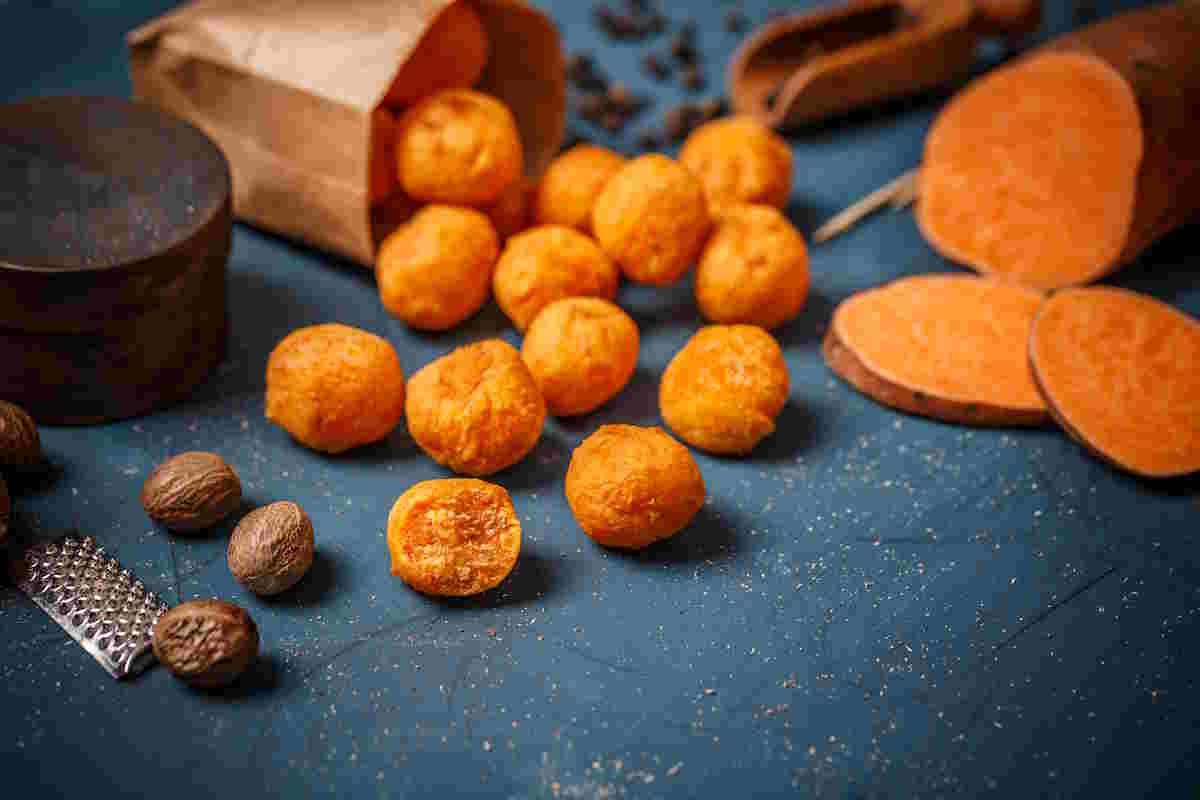

Sweet Potato Tots | Healthy Toddler Snack
Ingredients
Equipment
Method
- Preheat oven to 400°F (200°C). Line a baking sheet with parchment paper.
- Peel and dice sweet potatoes into roughly 1-inch cubes. Steam or boil until fork-tender, about 10–15 minutes. Drain thoroughly and let cool slightly; excess moisture makes the tots fall apart.
- In a mixing bowl, mash the sweet potatoes until mostly smooth but not completely puréed — a few small lumps add texture. Add bread crumbs, shredded cheese, egg, and garlic or onion powder if using. Mix until well combined.
- Scoop 1 tablespoon of the mixture and shape it into a small tot using your hands. Place on the prepared baking sheet. Repeat with tremaining mixture, he you should get about 24 tots.
- Lightly spray or brush the tops of the tots with olive oil. Bake for 20–22 minutes, flipping halfway through, until golden on the outside and slightly crisp. For air fryer: cook at 350°F for 10–12 minutes, shaking the basket halfway.
- Let the tots cool for a few minutes before serving; the inside will be hot. Serve plain, with yogurt dip, or alongside fruit for a balanced snack.
Nutrition
Notes
Tried this recipe?
Let us know how it was!Blend ripe bananas, strawberries, spinach, and whole milk for a thick, nutrient-dense drink. The natural sweetness of ripe fruit easily hides a handful of greens. Pour the smoothie into a spill-proof straw cup for a mess-free snack on the go.
You Might Also Like

9. Homemade Applesauce
Cook the peeled apple chunks in a splash of water with a pinch of cinnamon until soft. Mash it to your toddler’s preferred texture. A slow cooker makes this incredibly easy. Homemade applesauce skips the heavy syrups found in store-bought jars and tastes fresh and light.
Dairy-Free Snack Options
10. Hummus and Veggie Dippers
Hummus is a toddler favorite. It offers plant-based protein, healthy fats, and a smooth texture. Serve it with steamed broccoli florets, softened carrot sticks, and bell pepper strips. Dipping makes food interactive, encouraging picky eaters to take a bite.
11. Avocado Toast
Spread mashed avocado onto lightly toasted whole-grain bread. Add a tiny squeeze of lemon juice and a dash of mild seasoning, then cut the toast into easy-to-hold strips. Avocado provides the healthy monounsaturated fats that growing brains need.
On-the-Go Snacks
12. Homemade Snack Bars
Combine rolled oats, mashed banana, cinnamon, and a sprinkle of hemp seeds. Press into a baking dish and bake until firm. Once cooled, slice into toddler-sized bars and wrap them individually. These are much softer and healthier than packaged granola bars. Our carrot cake energy bites follow a similar formula.
13. Toddler Trail Mix
Mix puffed rice cereal, yogurt melts, and freeze-dried strawberries for a crunchy, colorful snack. Pack it in small reusable snack cups for easy travel. Remember: skip the nuts, raisins, and popcorn for children under four to prevent choking.
14. Veggie Chips
Bake thinly sliced sweet potato chips, zucchini, or kale until crispy. They are significantly lighter than regular potato chips and easy to slip into a déjeuner box.
Healthier Versions of Favorites
15. Baked Chicken Tenders
Coat chicken breast strips in a mix of whole-grain breadcrumbs, parmesan, and mild spices. Bake them until crispy instead of deep-frying. Serve with a side of roasted sweet potato wedges for a meal that feels like fast food but delivers real nutrition.
16. Veggie Nuggets
Blend grated carrots, zucchini, sweet potato, breadcrumbs, and a little cheese. Shape the mixture into nuggets and bake until golden. These are highly effective for toddlers who refuse to eat visible vegetables.
17. Homemade Mini Pizzas
Use whole-wheat English muffin halves as the base. Add a thin layer of low-sodium tomato sauce, shredded mozzarella, and diced bell peppers. Bake until the cheese melts. Let your toddler help place the toppings on the pizza, kids who help prepare their food are far more likely to eat it.
Want more lunchbox wins? See our 25 Picky-Eater Lunch Box Ideas and Fuel-to-Go Muffins for more toddler-approved options.
Bonus Fun & Creative Ideas
Presentation matters. A toddler who refuses a plain cucumber slice might devour it if it’s shaped like a star. Here are a few more quick hits:
- 18. Veggie Faces: Arrange cherry tomato halves, bell pepper strips, and cucumber rounds into funny faces on a plate. Use hummus as the “glue”.
- 19. Mini Sandwiches: Use cookie cutters to turn basic sandwiches into stars, hearts, and dinosaurs.
- 20. DIY Snack Boxes: Fill a divided container with a colorful assortment: fruit pieces, cheese cubes, diced chicken, and crackers.
- 21. Fruit Kebabs: Thread halved grapes, strawberry pieces, and soft melon cubes onto blunt pretzel sticks.
- 22. Mini Muffins: Bake tiny muffins loaded with grated zucchini, mashed banana, and flaxseed.
- 23. Mini Pitas: Stuff small pita pockets with hummus, shredded carrots, and turkey.
- 24. Frozen Yogurt Bites: Drop small spoonfuls of fruit-mixed yogurt onto a parchment-lined tray and freeze until solid.
- 25. Edamame Pods: Lightly steamed edamame is fun to pop out of the shell and is packed with plant protein.
Parent Tips for Healthy Toddler Snacking
Offer Variety Without Pressure: Present a mix of familiar favorites alongside one new option at each snack time. It can take 10-15 exposures before a toddler accepts a new food. Keep offering without forcing.
Watch Portions, Not Perfection: A toddler’s stomach is roughly the size of their clenched fist. Serve small amounts to avoid overwhelming them. Their appetite naturally goes up and down from day to day.
Use Color as Your Secret Weapon: Toddlers eat with their eyes first. A bright red strawberry, a green cucumber slice, and orange cheese cubes look much more appetizing than a plate full of beige crackers.
📦 Storage and Meal Prep Tips
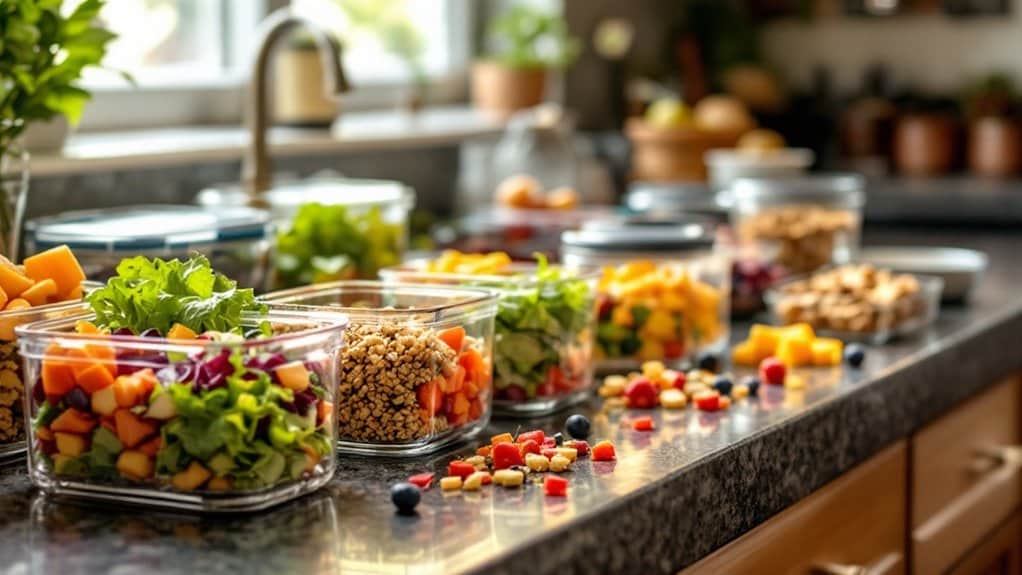
Sunday Batch Prep: Boil eggs, bake muffins, wash fruits, and portion out dry snacks. Store everything in airtight containers so your weekday mornings run smoothly.
Refrigerator Storage: Most prepped snacks last 3-5 days in the fridge. Keep cut fruit in containers lined with a paper towel to absorb excess moisture.
Déjeuner Box Packing: Use divided containers to keep wet and dry items separated. Pack dips like hummus, yogurt, and guacamole in small sealed cups. Include an ice pack for anything that needs to stay cold. For more inspiration, check out our 30 healthy déjeuner snack ideas.
Complete the Meal: Pair snacks together for a balanced mini-meal: protein + complex carb + fruit or vegetable. This combination keeps blood sugar steady and prevents meltdowns. Our guide to déjeuner for young children covers this approach in detail.
Healthy Toddler Snacks FAQs
How often should toddlers snack between meals?
Most toddlers do well with two to three planned snacks per day, spaced roughly two to three hours apart from meals. Their small stomachs can’t hold enough food at mealtimes to sustain energy throughout the day, so snacks serve as mini-meals that fill nutritional gaps. Offer snacks at consistent times rather than grazing all day, which can interfere with appetite at mealtimes.
What are the best protein snacks for toddlers?
Hard-boiled eggs, shredded chicken wraps, Greek yogurt, cheese cubes, hummus, and nut butter on banana slices are all excellent protein sources for toddlers. Aim to include a protein component at every snack to help keep your child full and support their rapid growth. For nut-free environments like daycares, edamame, cheese, and seed butters are reliable alternatives.
How do I get a picky toddler to try new snacks?
Start by placing a small amount of the new food alongside familiar favorites, no pressure to eat it. Let your toddler see you eating and enjoying the same food. Getting them involved in the preparation also helps, even if it just means placing berries in a bowl. It typically takes 10 to 15 exposures for a toddler to accept a new food, so patience and consistency matter more than any single strategy.
Which toddler snacks travel well for daycare or outings?
Homemade snack bars, trail mix, cheese and crackers, veggie chips, and hard-boiled eggs are all portable options that hold up without refrigeration for a few hours. For items that need to stay cold, like yogurt, hummus, or fruit, pack with a small ice pack in an insulated bag. Freeze-dried fruit is another excellent travel snack because it’s lightweight, crunchy, and won’t spoil.
You Might Also Like
Healthy toddler snacking doesn’t require perfection. It just takes a handful of reliable ideas, a Sunday batch-prep session, and the willingness to keep offering new foods. Start with two or three snacks from this list, then gradually expand the rotation as your child grows.


