
Published July 22, 2026
For over a century, F.W. Woolworth Company’s five-and-dime variety stores stood as the retail anchors of North American downtowns. Within these bustling retail spaces, the iconic lunch counter emerged as far more than a simple place to grab a quick bite—it became a fundamental social institution that reflected the economic, cultural, and political evolution of both the United States and Canada. From the mid-20th century onwards, spinning vinyl stools and polished laminate counters offered inexpensive, comforting meals to millions of daily shoppers, downtown office workers, students, and families.
While they shared a unified corporate origin and a nostalgic menu of diner classics across the continent, the Canadian and American counters developed distinct historical narratives. In Canada, they grew into universally embraced community hubs featuring record-breaking architectural installations. In the United States, they functioned as cherished neighborhood dining spots while simultaneously serving as pivotal battlegrounds for racial equality during the 1960s. Together, these parallel histories weave a rich North American tapestry of commerce, culinary comfort, and profound social transformation.
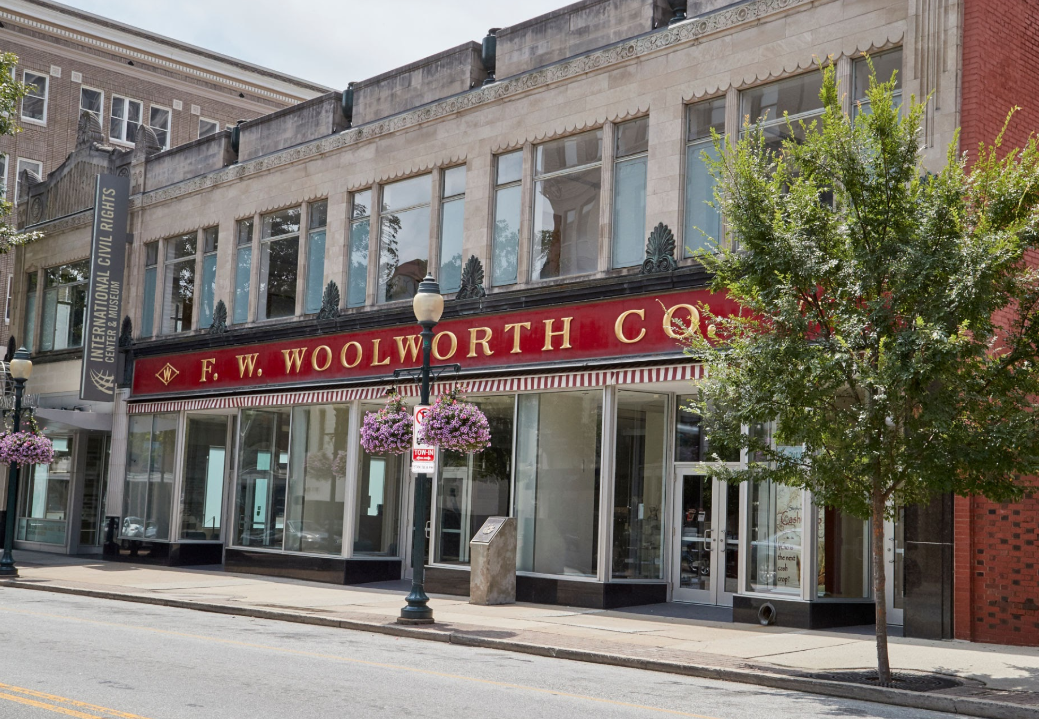
Origins of the “Five-and-Dime” Dining Model
The concept of the retail lunch counter originated in 1879, when Frank Winfield Woolworth pioneered the five-and-dime store model in the United States. His revolutionary retail strategy relied on selling a vast array of discounted general merchandise at fixed price points of five and ten cents. To maximize foot traffic and encourage shoppers to linger longer within his storefronts, Woolworth introduced in-store dining. What began as a modest hospitality convenience quickly evolved into a core strategic asset for the growing corporate enterprise. By the 1920s, the lunch counter had become a standardized, highly recognizable feature in nearly every major Woolworth location across North America.
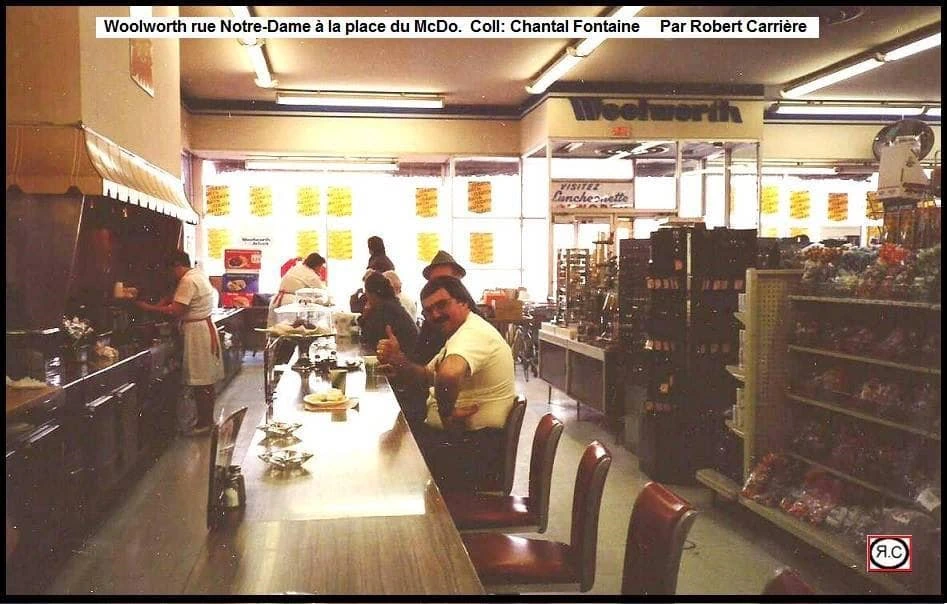
These dining spaces were designed for efficiency, affordability, and accessibility. Positioned prominently near the main sales floors, the counters provided an immediate social gathering space for people from diverse walks of life. Daily operations were managed primarily by women, who played a crucial operational role in supervising staff, maintaining kitchen inventory, cooking, and serving three hot meals a day. In an era before casual dining chains proliferated across the continent, these female-led teams delivered reliable service and culinary comfort, transforming corporate retail spaces into warm, familiar neighborhood fixtures where regulars were greeted by name and coffee cups were kept consistently full.
A Shared North American Menu: Diner Classics on a Budget
Whether a customer pulled up a stool in Toronto, Ottawa, New York, or Chicago, the culinary experience at a Woolworth’s lunch counter was remarkably consistent, comforting, and affordable. The menus were carefully engineered to deliver hearty American and Canadian diner classics at prices that working-class shoppers and families could easily afford. At its peak, the lunch counter operated as a primary commercial draw for the variety stores, luring pedestrians from bustling shopping streets with the savory aromas of sizzling griddles and warm, bubbling soups.
Patrons could expect a robust lineup of cheap and cheerful staples. The everyday menu featured juicy cheeseburgers, grilled cheese sandwiches, crispy french fries, hot dogs, and hearty bowls of chili. In Canadian stores, triple-decker club sandwiches became legendary crowd favorites, stacked high with roasted turkey, crisp bacon, lettuce, and tomato alongside golden fries.
To complement the savory offerings, the counters were famous for their elaborate fountain drinks. Skilled soda jerks prepared fizzy ice cream sodas, thick malted milkshakes, root beer floats, and traditional cherry colas. For dessert, glass display cases showcased fresh-baked apple pie, cherry pie, and decadent banana splits. This standardized, approachable fare established a shared North American food culture that remains a powerful touchstone of retail nostalgia today.
The Canadian Experience: Community Hubs and Record-Breaking Scale
North of the 49th parallel, F.W. Woolworth’s expansion defined Canadian downtowns and regional shopping streets from the mid-20th century onwards. In cities and towns across the provinces, the variety store lunch counter was universally embraced as a bustling, casual gathering space. Unlike their famous counterparts in the American South—which were deeply entangled in the systemic segregation of the Jim Crow era—Canadian lunch counters operated as open, accessible community hubs for downtown shoppers, office workers, and students to congregate. While Canadian stores occasionally experienced pushback or localized labor friction regarding working conditions and retail wages, they remained fundamentally unifying civic environments where diverse urban populations intersected daily.
The cultural prominence of the Canadian lunch counter reached its architectural zenith in the nation’s capital. The flagship F.W. Woolworth location on Sparks Street in Ottawa became a famous national landmark, boasting the longest straight-line lunch counter in Canada. Measuring an extraordinary 180 feet in length, this massive installation required dozens of attendants working in tandem to serve hundreds of patrons simultaneously during peak lunch hours. From bustling weekday afternoons to busy Saturday shopping excursions, the Sparks Street counter exemplified the scale, popularity, and civic importance of the Canadian Woolworth’s dining experience.
The American Experience and the Civil Rights Movement
In the United States, Woolworth’s lunch counters operated as iconic American dining hubs from the 1940s through the 1990s. However, their historical legacy is most profoundly defined by their role as ground zero for one of the most pivotal chapters in American civil rights history. Throughout the American South, public facilities—including department store dining counters—were strictly segregated by race. While Black customers were permitted to purchase merchandise throughout Woolworth stores, they were routinely refused service at the seated lunch counters.
This systemic injustice faced a watershed challenge on February 1, 1960. Four young Black college students—Ezell Blair Jr., David Richmond, Franklin McCain, and Joseph McNeil, who became known globally as the “Greensboro Four”—sat down at a whites-only Woolworth’s lunch counter in Greensboro, North Carolina, and politely requested service. When staff refused to take their orders, the students remained seated in peaceful, nonviolent protest until the store closed. Their act of courageous defiance ignited a massive, youth-led sit-in movement that rapidly swept across the American South, drawing thousands of students and civil rights activists to counters in dozens of cities. The enduring economic pressure and nationwide moral outcry ultimately forced F.W. Woolworth Company to officially desegregate its lunch counters by July 1960, securing a landmark victory for the Civil Rights Movement.
The Changing Retail Landscape and Ultimate Decline
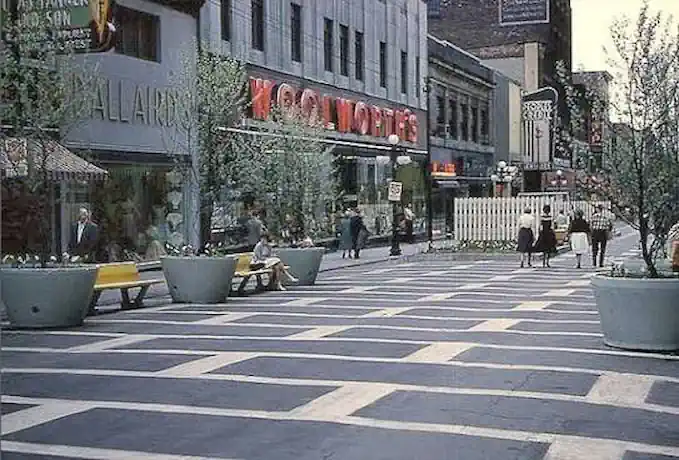
Despite surviving decades of economic transformations and social change, the five-and-dime lunch counter model faced an insurmountable operational crisis by the late 20th century. The macroeconomic shifts of the 1970s and 1980s fundamentally altered North American consumer habits. As suburban sprawl accelerated across the continent, shoppers abandoned downtown high streets in favor of sprawling, enclosed suburban shopping malls. Simultaneously, the rapid rise of fast-food drive-thrus and standalone quick-service chains introduced unprecedented speed, efficiency, and highway convenience that traditional sit-down variety store counters could not match.
Facing stiff commercial competition and a steep decline in profitability, variety store lunch counters transformed from primary retail draws into costly financial liabilities. As foot traffic in urban centers dwindled, maintaining labor-intensive food service operations became increasingly unsustainable for the corporate parent. Throughout the 1980s and 1990s, Woolworth’s systematically downsized and shuttered its dining operations across both countries.
Ultimately, F.W. Woolworth closed its remaining Canadian and U.S. variety stores in the late 1990s, liquidating its traditional North American five-and-dime footprint and pivoting entirely to athletic footwear and sporting goods through what is now known as Foot Locker, Inc. Though the physical counters have vanished from main streets, their legacy endures. From the record-breaking 180-foot counter on Ottawa’s Sparks Street to the historic desegregated stools of Greensboro, North Carolina, Woolworth’s lunch counters remain immortalized as vibrant symbols of North America’s shared culinary nostalgia and enduring civil rights history.


