Published July 29, 2026 · Updated September 25, 2026
Affiliate disclosure: As an Amazon Associate I earn from qualifying purchases.
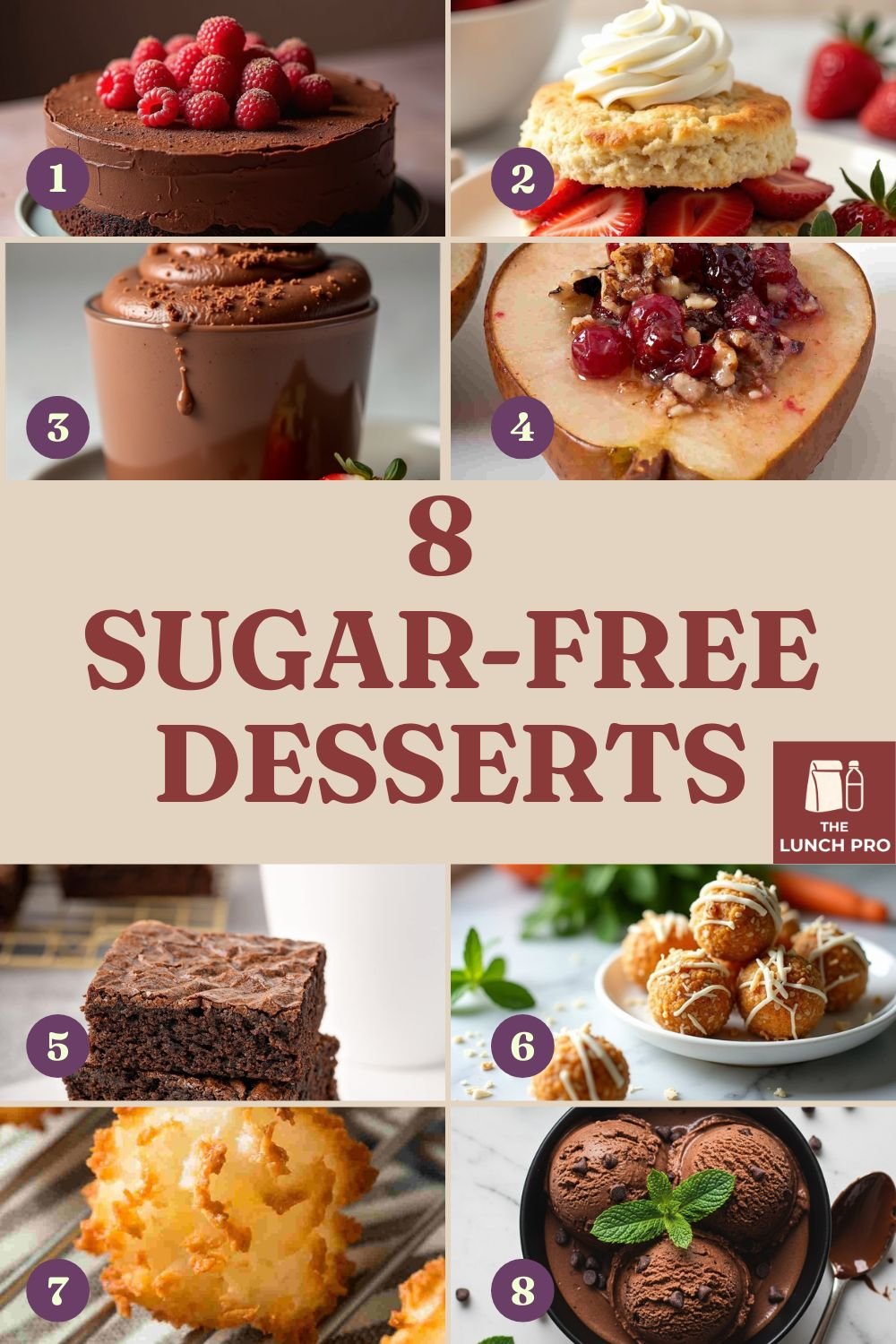
Sugar-free desserts for diabetics don’t have to mean giving up cake: this roundup collects eight tested recipes, from a flourless chocolate cake at 6g net carbs to a coconut macaroon at just 1g, each built on a grain-free flour and a non-nutritive sweetener instead of white flour and white sugar.
Short on time? Jump straight to the cakes and bakes, the no-bake and bite-size desserts, or the FAQs.
In This Sugar-Free Desserts for Diabetics Article
Quick Stats: All 8 Sugar-free desserts for diabetics
Every dessert here pairs a low-glycemic, grain-free flour (almond, coconut, or none at all) with a non-nutritive sweetener such as allulose, erythritol, or monk fruit, so the carbohydrate load stays low without losing the texture a real dessert needs. For the full breakdown of why those swaps work and how to convert a recipe of your own, see our sugar-free dessert baking guide. This page is the shortcut: eight recipes, ready to bake or blend.
Why This List Works
A narrow carb range you can plan around: every recipe on this list lands between 1g and 10g net carbs per serving, so swapping between them does not mean swapping your whole day’s carb budget. The coconut macaroons and chocolate mousse sit at the low end; the pear and cranberry crisp, still a fraction of a traditional crisp’s carb count, sits at the high end.
Protein and fiber do real work here: the almond flour (affiliate link) shortcake carries 15g of protein and 5g of fiber a serving, and the avocado-based mousse carries 8g of fiber, both of which may help soften the glucose response compared with a dessert built on flour and sugar alone.
Non-nutritive sweeteners, matched to the bake: erythritol browns and holds moisture in the cake and brownies, monk fruit sweetens the crisp without a cooling aftertaste, and the macaroons and mousse lean on whichever sweetener blends most smoothly into a dense, chewy, or creamy texture.
Grain-free flours keep the carbohydrate load down without an odd texture: almond flour is the workhorse across the cake, shortcake, brownies, and crisp topping, prized for a tender crumb at a fraction of wheat flour’s carbs. Two recipes, the carrot cake bites and the crisp topping, use rolled oats as well; check that yours are labeled gluten-free if that matters for your kitchen.
Traditional Dessert vs. This List
| Typical Dessert | Net Carbs (approx.) | The Swap in This List | Net Carbs |
|---|---|---|---|
| Slice of chocolate layer cake | ~50g | Flourless Chocolate Cake (#1) | 6g |
| Bakery-style brownie | ~24g | Flourless Sugar-Free Brownies (#3) | 7g |
| Classic strawberry shortcake | ~45g | Almond Flour Strawberry Shortcake (#2) | 7g |
| Traditional fruit crisp | ~45 to 50g | Cranberry Pear Crisp (#4) | 10g |
Cakes and Bakes
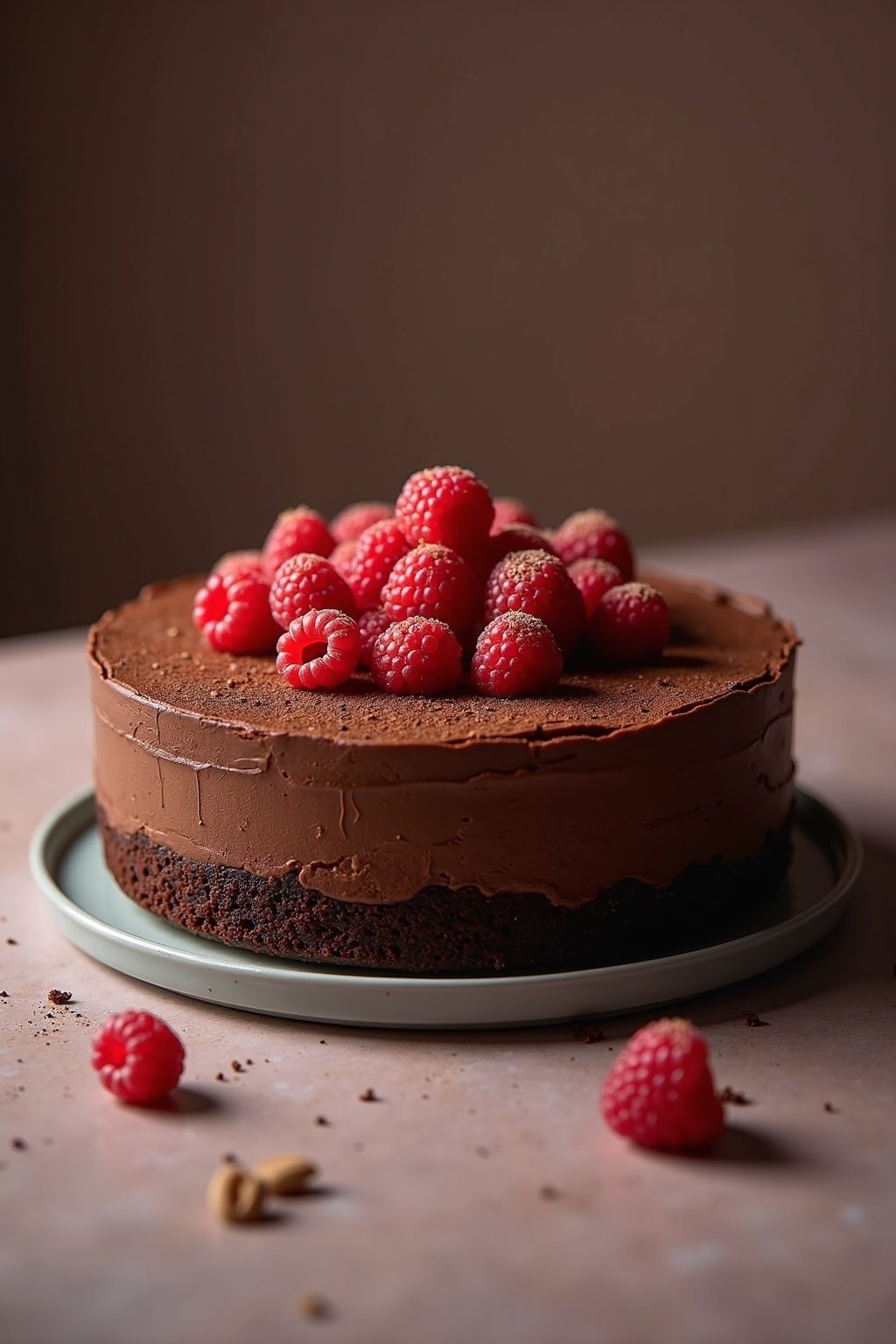
1. Flourless Chocolate Cake
6g net carbs | 52 minutes total | Gluten-free, Passover-friendly
A dense, fudgy French-style torte built on six ingredients: dark chocolate, butter, erythritol, eggs, vanilla, and almond extract. No flour, no dough, and no compromise on the rich texture that makes flourless chocolate cake a celebration centerpiece.
→ Get the full Flourless Chocolate Cake recipe

2. Almond Flour Strawberry Shortcake
7g net carbs | 35 minutes total | Gluten-free
Tender almond-flour biscuits layered with macerated strawberries and Greek yogurt whipped cream. It keeps the nostalgic flavor of a classic shortcake, plus 15g of protein and 5g of fiber per serving to soften the glucose response.
→ Get the full Almond Flour Strawberry Shortcake recipe

3. Flourless Sugar-Free Brownies
7g net carbs | 40 minutes total | Gluten-free
Almond flour and erythritol stand in for wheat flour and white sugar in a rich, fudgy square that stays moist for days. The fastest way on this list to settle a chocolate craving without the spike.
→ Get the full Flourless Sugar-Free Brownies recipe
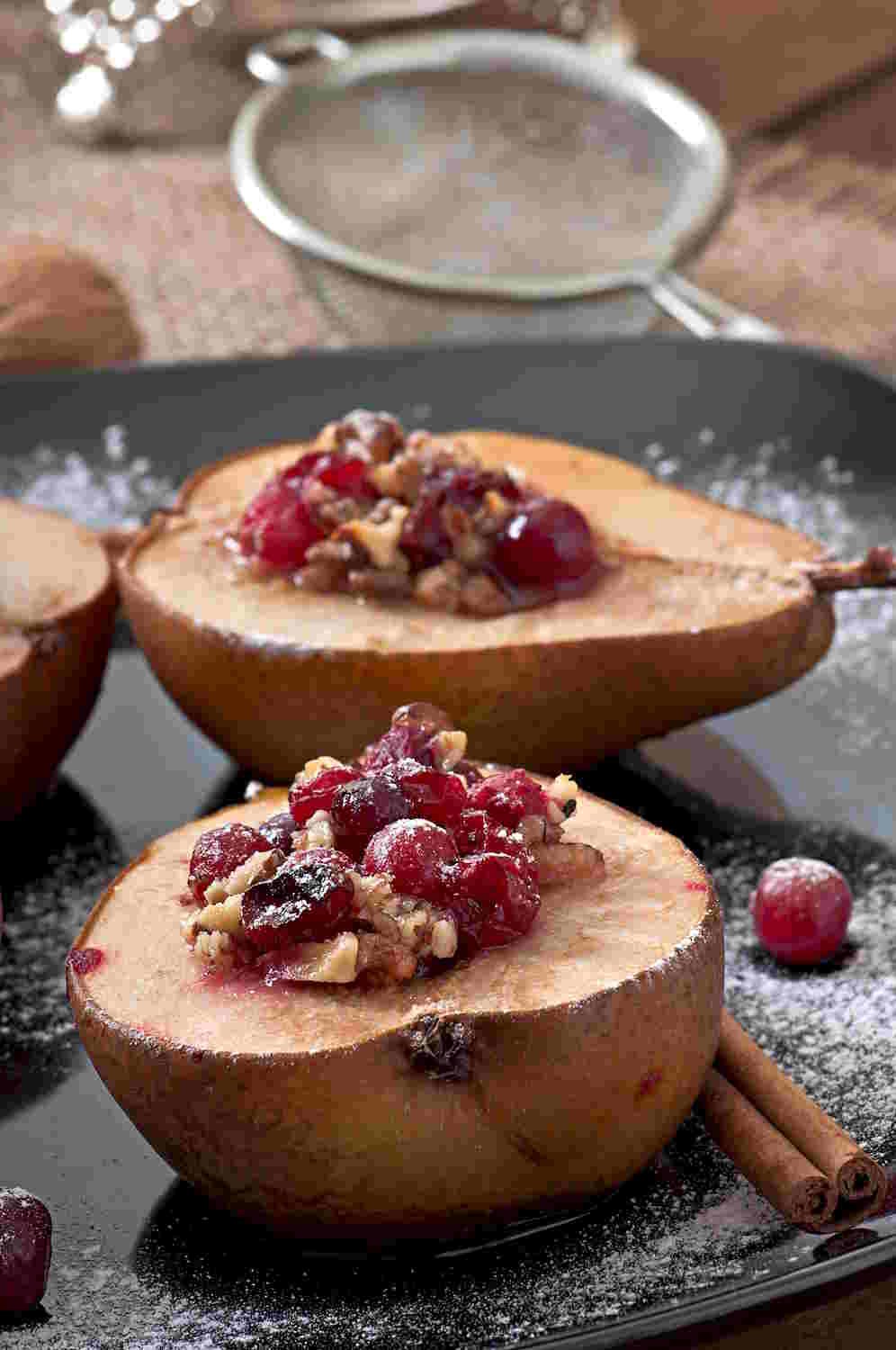
4. Cranberry Pear Crisp
10g net carbs, about 250 calories | 75 minutes total | Gluten-free with certified gluten-free oats
Spiced pear and cranberry baked under a crunchy almond-flour-and-oat topping, sweetened with monk fruit instead of a cup of white sugar. A traditional crisp runs 45 to 50g of carbs a serving; this one lands at a fraction of that.
→ Get the full Cranberry Pear Crisp recipe
No-Bake and Bite-Size

5. No-Bake Carrot Cake Bites
7g net carbs (diabetic-friendly version) | 15 minutes prep | Gluten-free with certified gluten-free oats
Grated carrot, Medjool dates, and oats, rolled into bites and finished with a cream cheese drizzle. The recipe includes four variations: no-bake energy bites, baked with a cheesecake center, and a lower-carb diabetic-friendly version, so you can match the bite to the occasion.
→ Get the full No-Bake Carrot Cake Bites recipe
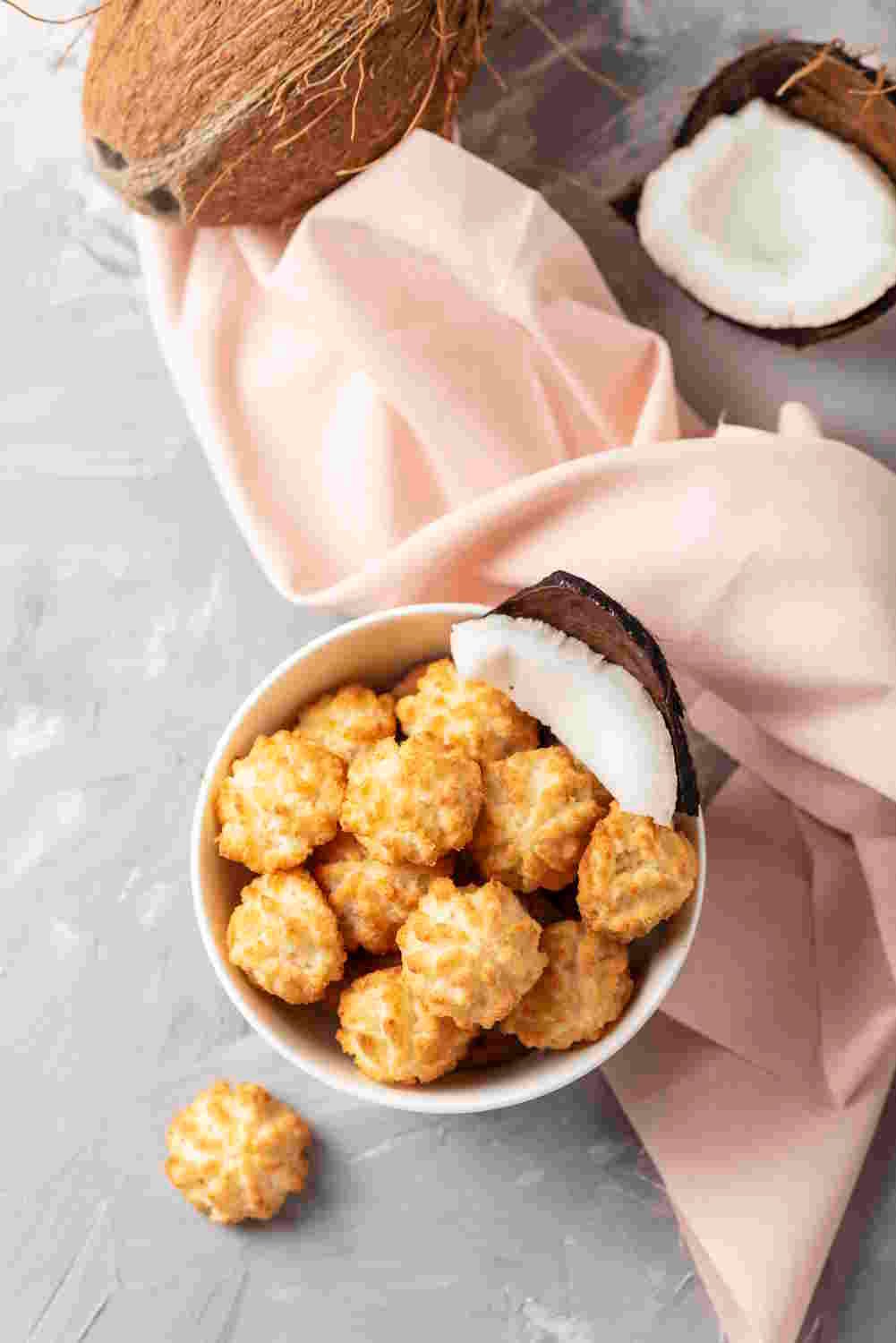
6. Keto Coconut Macaroons
1g net carb | 30 minutes total | Gluten-free, Passover-friendly
Four ingredients, a crisp outside, and a chewy center. At 1g of net carbs per cookie, this is the lowest-carb dessert on the list, and it happens to be kosher for Passover too if that is ever useful.
→ Get the full Keto Coconut Macaroons recipe
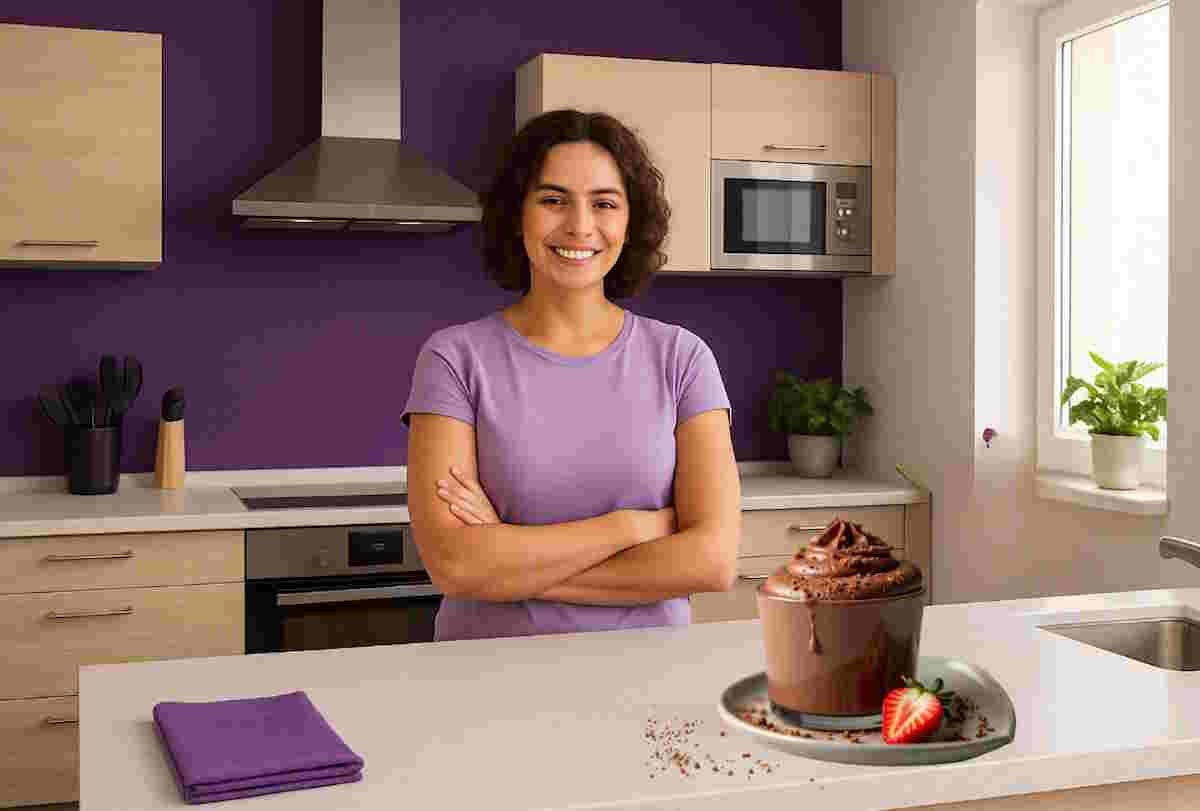
7. Sugar-Free Chocolate Mousse
4g net carbs | 10 minutes prep | No-bake, dairy-free option
Ripe avocado blended with unsweetened cocoa and a zero-glycemic sweetener makes a mousse rich enough to forget it started as fruit. No oven, no waiting, and 8g of fiber a serving on top of the low carb count.
→ Get the full Sugar-Free Chocolate Mousse recipe
Frozen and More

8. Low-Sugar Frozen Yogurt, 10 Ways
10 flavors | Greek yogurt base | Monk fruit and stevia sweetened
When one dessert is not enough, this is the deep end: ten homemade frozen yogurt flavors built on Greek yogurt for protein, from classic vanilla bean to pumpkin spice. A whole separate rotation for the months when the oven stays off.
→ Explore all 10 Low-Sugar Frozen Yogurt recipes
Baking for a specific holiday instead? Our 6 diabetic-friendly Passover desserts apply the same sugar-free principles to a matzo-meal kitchen, and the sugar substitutes for baking guide covers which sweetener to reach for beyond the eight recipes above.
Chef Tips for This List
Erythritol needs time to set: it recrystallizes as it cools, which is what gives the flourless cake and the brownies their fudgy set. Slice either while warm and the texture reads gummy instead of dense; a full cool on the counter fixes it.
Weigh your almond flour: the shortcake, the crisp topping, and the brownies all depend on it. Almond flour packs differently by brand, and a heavy scooped cup is the most common reason a grain-free bake turns dry.
Ripeness makes the mousse: the chocolate mousse needs a fully ripe, soft avocado to blend smooth. An underripe one leaves a grassy note no amount of cocoa will cover.
Check your oats: both the crisp topping and the carrot cake bites use rolled oats, which are naturally gluten-free but frequently cross-contaminated during processing. Buy certified gluten-free oats if that matters in your kitchen.
Start with the mousse or the macaroons if sugar-free sweeteners are new to you. Both are forgiving, both are ready in under 30 minutes, and neither needs the precise oven timing the cake and crisp reward.
Storage and Serving Suggestions
Refrigerator storage: the chocolate mousse and the carrot cake bites both hold well chilled in an airtight container for several days; the cake, shortcake, and brownies keep on the counter or fridge for 3 to 4 days depending on your kitchen’s humidity. Check each recipe’s own page for exact timing, since storage varies with the sweetener and topping used.
Freezer storage: the flourless chocolate cake and the brownies both freeze well, sliced and wrapped individually, for up to 2 months. Skip the freezer for the shortcake’s whipped topping and the mousse, since both lose texture on thawing.
Meal prep strategy: the macaroons and carrot cake bites are the most portable of the eight, and both hold up in a lunch bag without refrigeration for a few hours, which makes them the easiest pick for a packed lunch or a school treat.
Complete the meal: a smaller portion after a meal that already included protein and fiber lands more gently than a large slice on its own. For more on that pairing principle, our sugar-free dessert baking guide covers portioning in depth.
Sugar-free Desserts for Diabetics Q&A
Which of these sugar-free desserts is lowest in carbs?
The keto coconut macaroons, at 1g net carb per cookie. The chocolate mousse is next at 4g, and the flourless chocolate cake at 6g. All eight recipes stay at or under 10g net carbs per serving.
Which dessert on this list needs no oven?
The sugar-free chocolate mousse and the no-bake carrot cake bites both skip the oven entirely. The mousse is ready in 10 minutes and the carrot cake bites in 15, which makes them the best starting point if you are new to sugar-free baking.
Are these desserts actually diabetic-friendly, or just sugar-free?
Both. Sugar-free alone is not enough, since a dessert can still be high-carb if it leans on wheat flour or a starchy filler. Every recipe on this list pairs a non-nutritive sweetener with a low-glycemic, grain-free flour, so they are genuinely lower in carbohydrate and free of added sugar.
Can I make any of these for Passover?
The flourless chocolate cake and the keto coconut macaroons are both labeled Passover-friendly on their recipe pages, since they skip flour and leavening entirely. For a full matzo-meal-based menu, see our 6 diabetic-friendly Passover desserts instead.
What sweeteners do these recipes use?
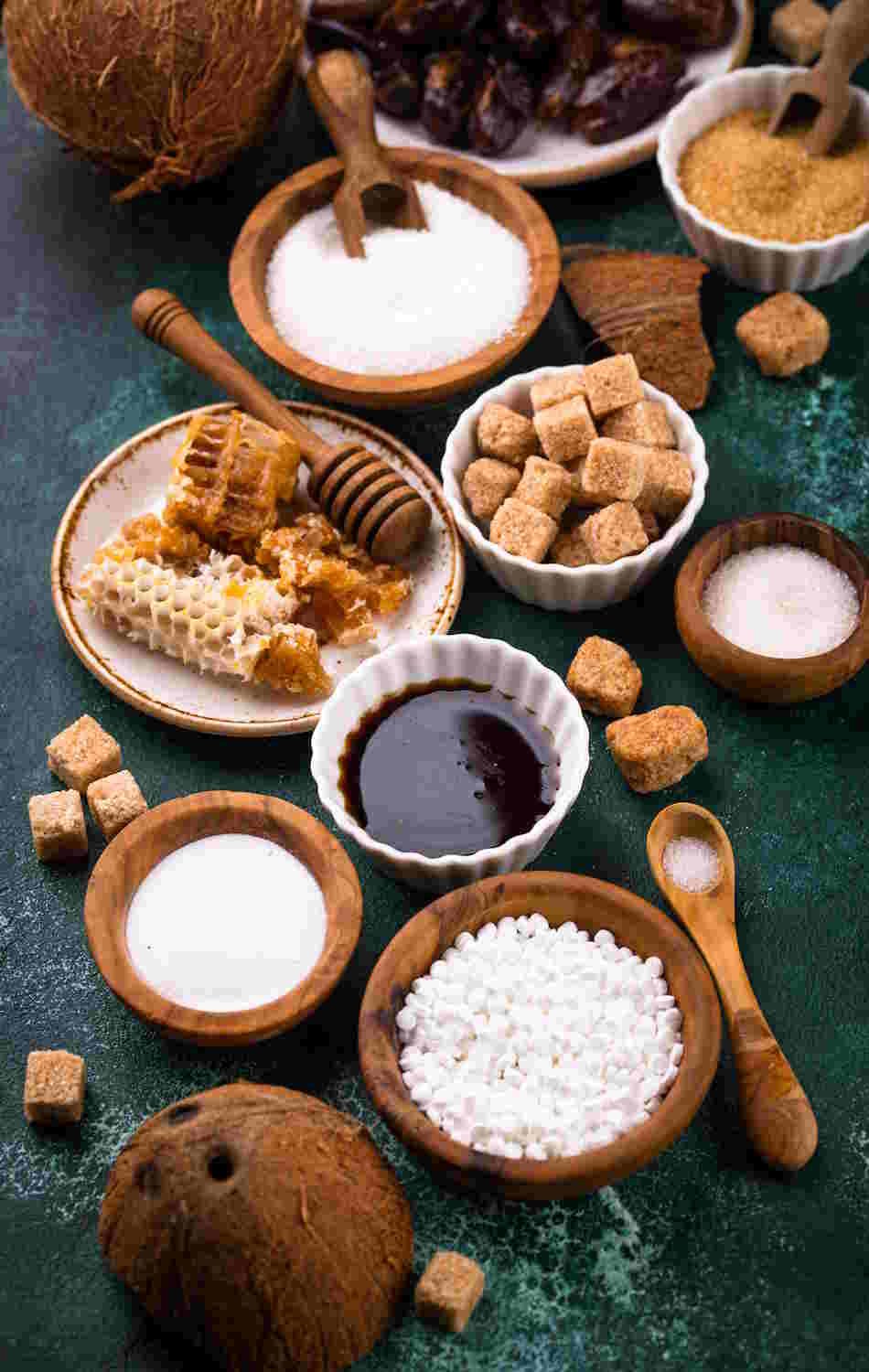
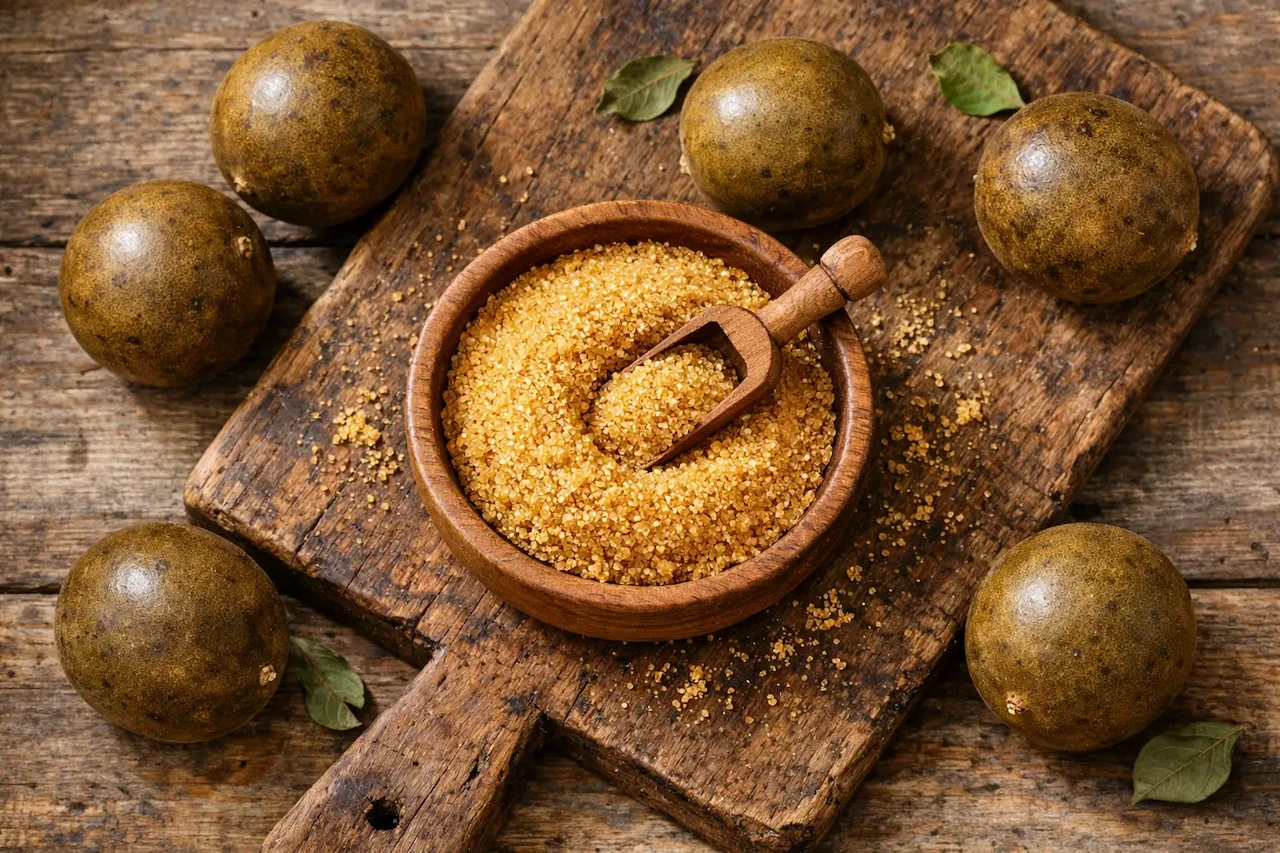
Mostly u003ca href=u0022https://amzn.to/4pIaN2ru0022 target=u0022_blanku0022 data-type=u0022linku0022 data-id=u0022https://amzn.to/4pIaN2ru0022 rel=u0022noreferrer noopener sponsoredu0022u003eallulose, erythritol, and monk fruitu003c/au003e, chosen recipe by recipe for how each behaves when baked or blended. Our sugar substitutes for baking guide breaks down which sweetener suits which type of dessert.
You Might Also Like

Final Thoughts
Eight desserts, three sweeteners, and no added sugar in any of them. Start with whichever craving is loudest- chocolate, fruit, or something you can eat with your hands- and keep the mousse or the macarons in your back pocket for the nights you want dessert in under 30 minutes.
Medical Disclaimer: The nutritional information provided in this article is for informational purposes only. While we strive for accuracy, individual responses to foods vary. Always consult with your healthcare provider or registered dietitian about dietary changes.


