
Published June 29, 2026
Almost every table has someone who eats differently, whether it is for faith, health, an allergy, or a personal choice. Dietary restrictions shape what billions of people put on their plates every day, and cooking for them gets much easier once you understand the reasoning behind each one. This guide maps the major types of dietary restrictions, the foods each one avoids, and the simple swaps that let you feed everyone at your table well.
What Dietary Restrictions Actually Are
A dietary restriction is any rule, by necessity or by choice, that limits which foods a person eats. They fall into four broad families: religious laws, medical needs, food allergies and intolerances, and lifestyle or ethical choices. Some are strict and non-negotiable, like a peanut allergy or kosher law. Others are flexible, like cutting back on added sugar. Knowing which kind you are cooking for is the first step to cooking with confidence, because a flexible preference forgives a small mistake while a true allergy never does.
The Major Types of Dietary Restrictions
Religious Dietary Laws
Faith shapes the plate for a huge share of the world. Kosher law in Judaism separates meat from dairy and rules out pork and shellfish. Halal in Islam avoids pork and alcohol and calls for permitted, properly slaughtered meat. Many Hindus follow lacto-vegetarianism, Jains avoid root vegetables along with all meat, and the Rastafarian Ital diet leans toward natural, plant-forward foods. These rules carry deep cultural and spiritual meaning, so they are best treated as firm. For the full breakdown across nine major religions, see our guide to religious dietary restrictions.
Medical and Blood-Sugar Needs
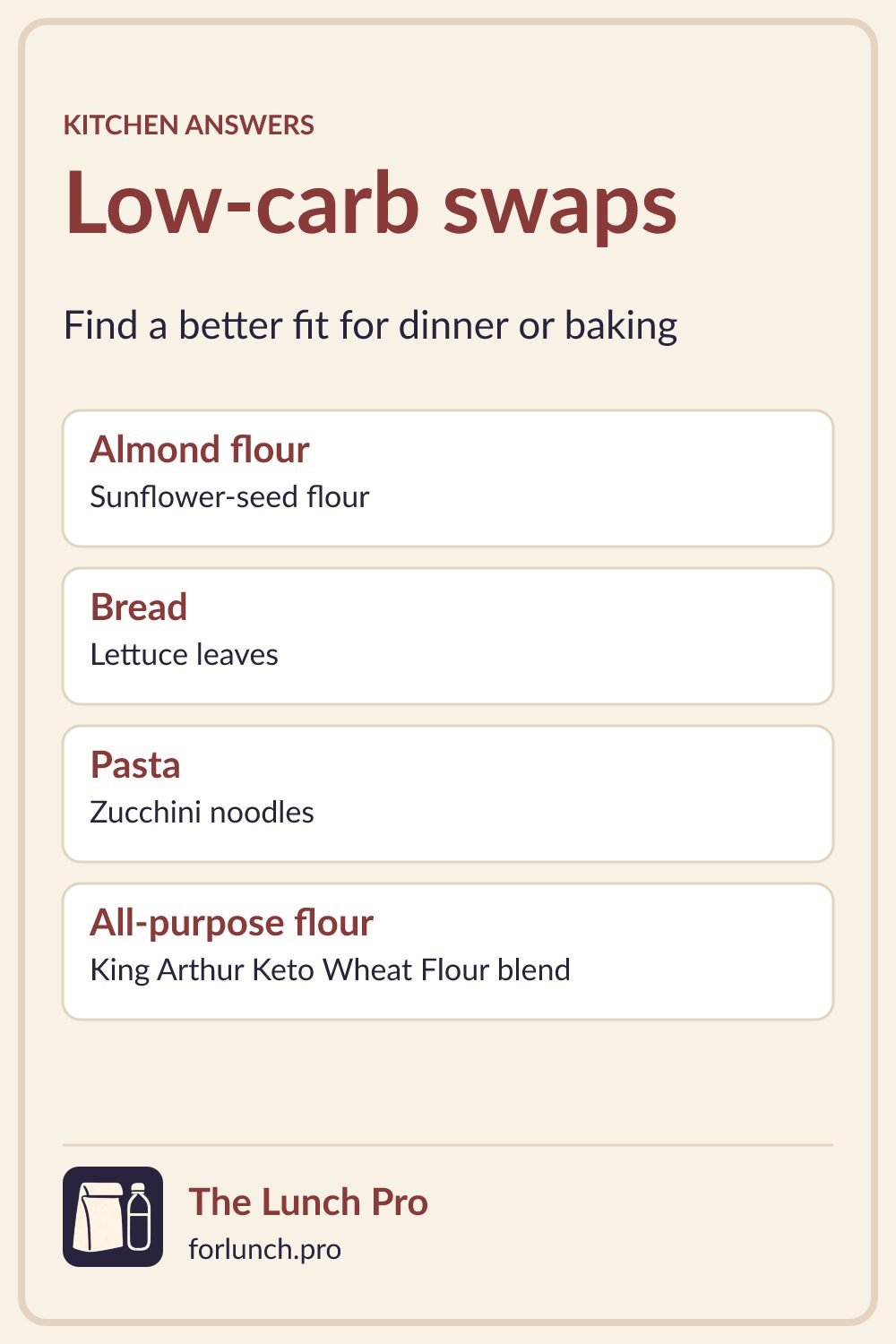
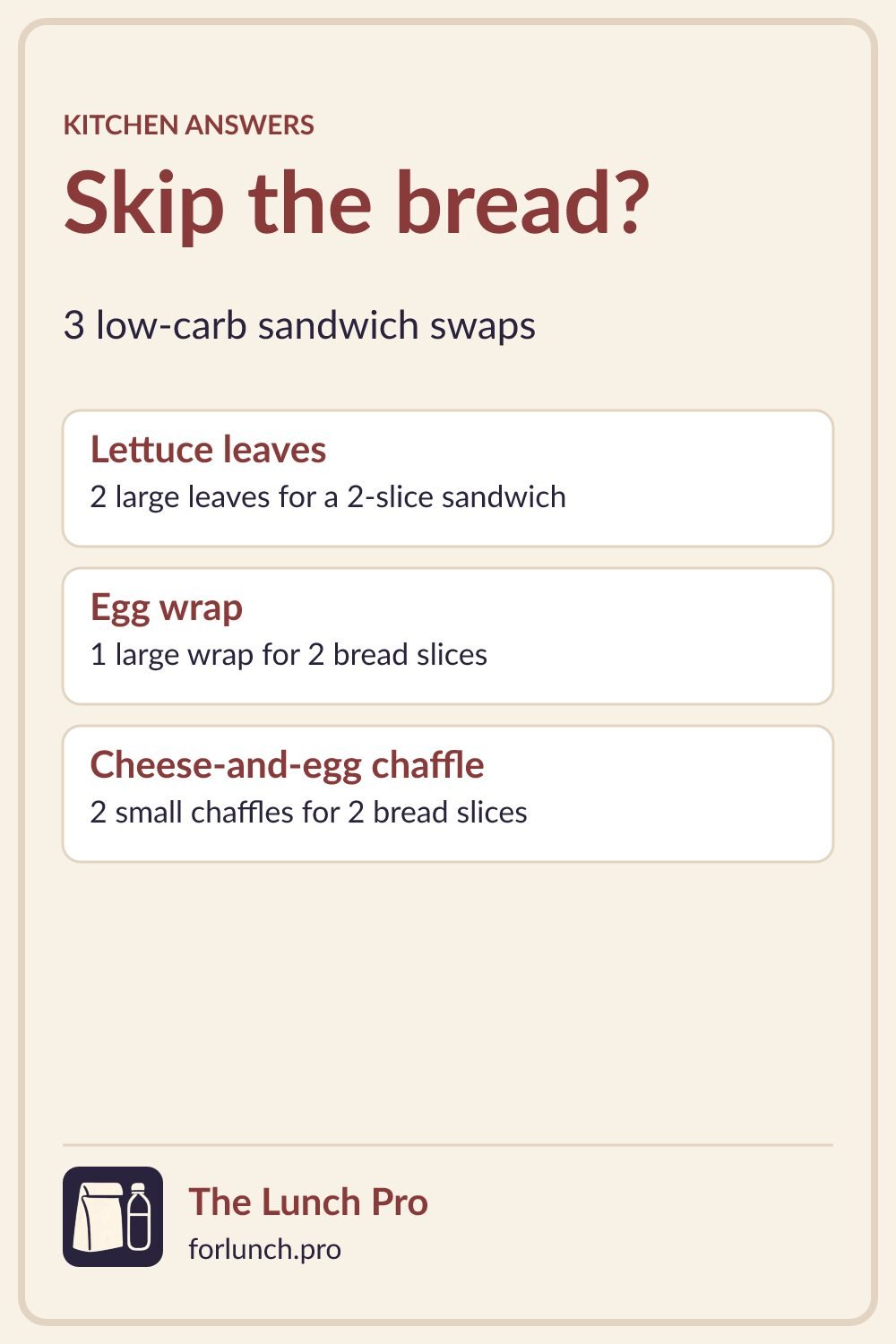
Many restrictions come from the body rather than the calendar. People managing diabetes or following a low-carb or keto approach watch added sugar and refined carbohydrates to support steadier blood sugar. These diets are flexible in their details but consistent in their goal: more protein and fiber, fewer fast carbohydrates. A cottage cheese breakfast bowl is a good example of a naturally blood-sugar-friendly meal, and our sugar-free dessert recipes and guide to sugar substitutes for baking show how to keep the foods people love on the menu.
Food Allergies and Intolerances
This is the family that demands the most care, because the stakes can be serious. Health Canada identifies a set of priority food allergens: milk, eggs, peanuts, tree nuts, wheat, soy, fish, shellfish, sesame, plus mustard. Celiac disease and gluten sensitivity rule out wheat, barley, and rye, while lactose intolerance limits dairy. The key difference is severity: an intolerance causes discomfort, but a true allergy can be life-threatening, so cross-contact in the kitchen matters as much as the recipe itself. Almond and coconut flours, plant milks, and tamari in place of soy sauce make most dishes safe without losing flavor.
Lifestyle and Ethical Choices
Some restrictions are a matter of values. Vegetarians skip meat and fish, vegans avoid all animal products, including eggs and dairy, and pescatarians eat fish but no other meat. These choices are usually firm by principle even though they are technically optional, so it is worth honoring them fully. They are also easier to cater than people expect: our vegetarian low-carb recipes show how filling a plant-forward plate can be, and a flax egg or a splash of plant milk covers most baking.
Dietary Restrictions at a Glance
| Restriction | Foods It Avoids | Easy Swap |
|---|---|---|
| Kosher | Pork, shellfish, meat with dairy | Keep meat and dairy separate; use pareve ingredients |
| Halal | Pork, alcohol, non-halal meat | Halal-certified meat; skip wine in cooking |
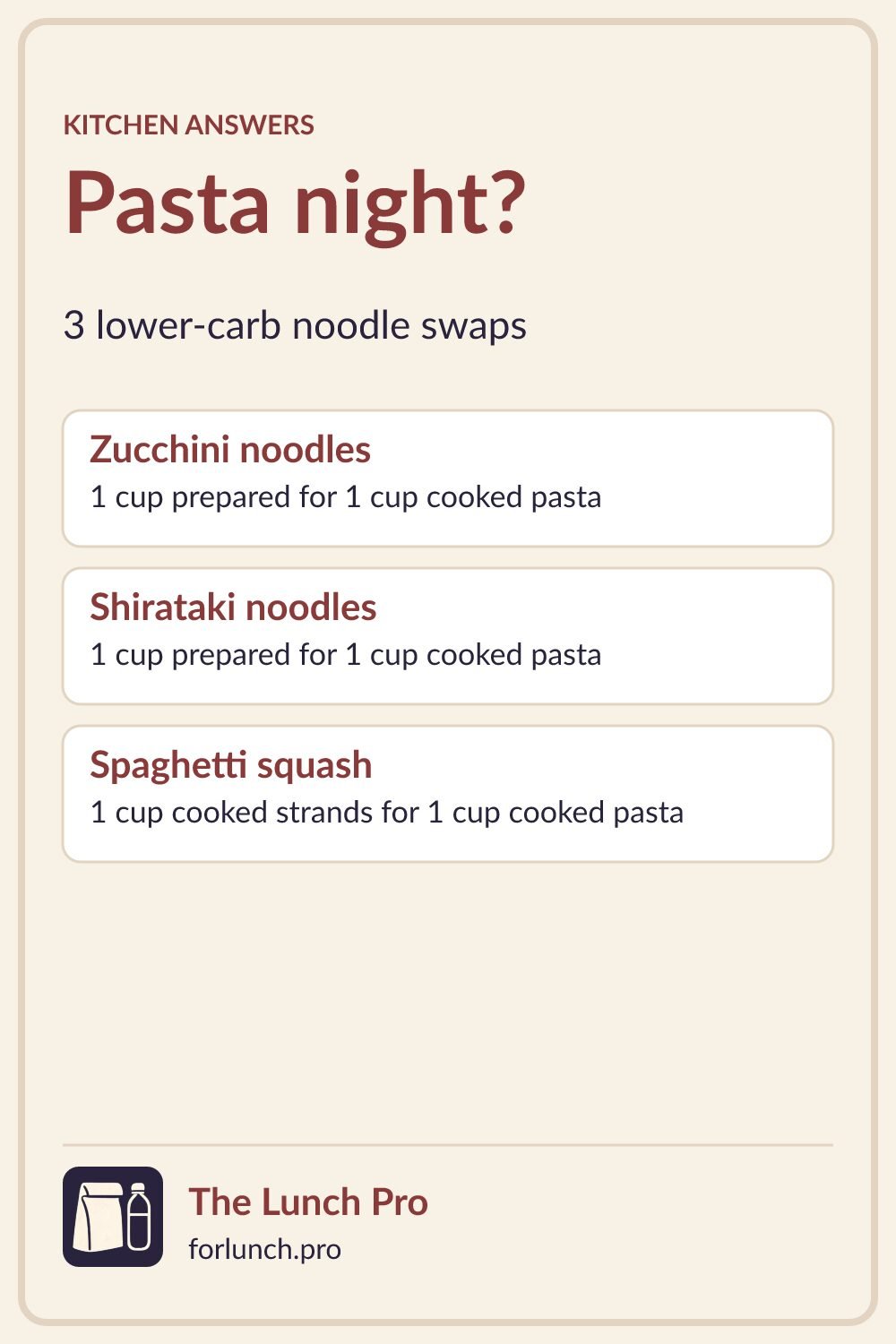
| Diabetic / Low-Carb | Added sugar, refined carbs | Erythritol or monk fruit; cauliflower rice |
| Celiac / Gluten-Free | Wheat, barley, rye | Almond or coconut flour; tamari for soy sauce |
| Dairy-Free | Milk, cheese, butter, cream | Plant milks; olive oil; nutritional yeast |
| Vegan | All animal products | Legumes, tofu, plant milks, flax egg |
How to Cook for Any Dietary Restriction
Ask early and specifically: “Any allergies or foods you avoid?” gets a far more useful answer than “Is anything okay?” Ask when you invite, not when you serve.
Separate the strict from the flexible: Treat allergies and religious laws as firm rules, and treat preferences as a chance to be generous. The first protects people; the second delights them.
Mind cross-contact for allergies: A clean cutting board, fresh utensils, and a separate pan matter as much as the ingredient list. Trace amounts are enough to cause a reaction.
Build naturally compliant dishes: A roasted vegetable platter, a grain or cauliflower bowl, or a big salad bar lets each guest build a plate that fits, with no special version required.
Label what you serve: A small card noting “vegan,” “gluten-free,” or “contains nuts” removes the guesswork and lets guests relax.
The more you cook for different needs, the more you notice how many great dishes are naturally inclusive. For more ideas tailored to specific needs, browse our low-carb Indian food guide or our keto Japanese food guide, both full of swaps that work with several restrictions at once.
Frequently Asked Questions
What are the most common dietary restrictions?
The most common dietary restrictions fall into four groups: religious laws such as halal and kosher; medical conditions such as diabetes and celiac disease; food allergies and intolerances, such as to nuts, dairy, and gluten; and lifestyle choices such as vegetarian and vegan diets. Many people follow more than one at the same time.
How do I cook for someone with dietary restrictions?
Always ask first, because two people with the same label can have very different needs. Keep components separate so guests can build their own plate, label each dish, and lean on naturally inclusive recipes everyone can eat. Simple swaps, like tamari for soy sauce or a plant milk for dairy, cover most situations.
What is the difference between a food allergy and a food intolerance?
A food allergy is an immune reaction that can be serious or even life-threatening, so even a trace amount must be avoided. A food intolerance is a digestive issue, such as lactose intolerance, that is uncomfortable but not dangerous and often depends on the amount consumed. When in doubt, treat it as an allergy to stay safe.
Can one meal work for several dietary restrictions at once?
Yes. Build-your-own bowls and platters with a grain, a protein, vegetables, and sauces on the side, let each person assemble a plate that fits their needs. Many naturally gluten-free, dairy-free, or plant-based dishes already work for several dietary restrictions without any special effort.
You Might Also Like
Kosher, halal, and more across nine major religions.
Diabetic-friendly baking that still tastes like a treat.
Plant-forward plates that still keep carbs in check.
Big flavor with swaps that suit several restrictions.
Dietary restrictions are not obstacles so much as a map of who is at your table. Learn the few firm rules, keep a handful of reliable swaps on hand, and you can cook a meal that lets everyone, faith, health, allergy, or choice included, feel welcome and well fed.
Medical Disclaimer: The information provided in this article is for general informational purposes only and is not medical advice. Food allergies can be serious, and individual needs vary. Always consult a qualified healthcare provider or registered dietitian about specific dietary requirements.