
Published June 7, 2026 · Updated June 26, 2026
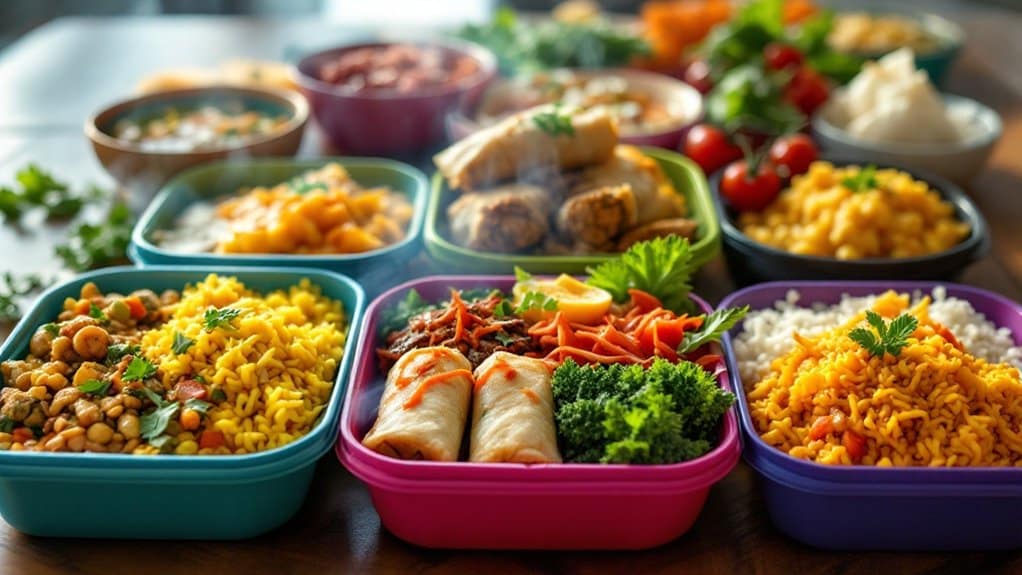
A school cafeteria can be far more than a place to refuel. With a handful of thoughtful menu swaps, it becomes a passport to the world. Rotating cultural school meals like Mexican soft tacos, Asian stir-fries, and Mediterranean pita boost participation and broaden young palates, while partnerships with local families and cultural organizations keep every dish authentic. This guide walks through how to plan the menu, train the kitchen, and bring families into the mix.
Program at a Glance
Why Cultural School Meals Work
Higher participation: Variety breaks the monotony of a fixed rotation. When students look forward to trying something new, they are more likely to finish their meals and build steadier eating habits.
Built-in inclusion: A menu that reflects the student body lets more children see their own heritage on the tray, which turns lunch into a point of pride rather than a routine.
Easier dietary accommodation: Many global cuisines lean naturally on vegetables, legumes, and rice, so vegetarian, halal-friendly, and lower-carb options are often built into the dish rather than bolted on.
Stronger community bonds: Shared, communal meals are widely associated with better social connection, and a culturally rich cafeteria gives students and families a reason to gather around the table together.
More adventurous eaters: Introducing new flavors through familiar formats grows curiosity and confidence at the table, a habit that tends to follow students well beyond the lunch line.
Traditional Lunch Menu vs. Cultural Menu Program
| Aspect | Traditional Menu | Cultural Menu Program |
|---|---|---|
| Menu variety | Fixed weekly rotation | Global, seasonal rotation |
| Student engagement | Predictable | High, customizable stations |
| Dietary inclusion | Limited | Halal, kosher, vegetarian options |
| Family involvement | Minimal | Recipe shares and ambassadors |
| Palate development | Narrow | Broad, curiosity-building |
Global Menu Planning Strategies
Successfully introducing cultural meals takes careful planning and coordination across students, parents, and food service staff, so the menu celebrates diversity while still meeting nutritional standards. The most reliable approach is a rotating schedule that features a different culture each week, which lets students explore flavors in a systematic, predictable way. Pair that calendar with local cultural organizations and families who can supply authentic recipes and techniques, and add a taste-testing program so students can sample new dishes and weigh in before anything joins the regular line.
Balancing familiar ingredients with new flavors is what eases students into unfamiliar cuisines. A Mexican-inspired pizza, for example, pairs the comfort of a familiar food with traditional toppings and spices, and a deep bench of easy international lunch ideas makes that kind of gentle introduction simple to scale. Keep portion sizes and prep methods consistent with your existing program, and set up DIY food stations during service so students can customize their plate and stay engaged.

Popular International Student Favorites
Across diverse cafeterias, a few international dishes reliably rank as student favorites. Mexican-inspired soft tacos and bean burritos usually top the list, with Asian offerings like teriyaki chicken and vegetable stir-fry close behind. Preferences tend to gravitate toward hands-on meals students can customize, which is why build-your-own Mediterranean pita stations and Vietnamese rice bowl bars have become such hits.
Italian classics stay steady favorites, with whole-grain pasta dishes and personal pizzas earning broad approval, while once-unfamiliar dishes like Indian butter chicken and other curries and Thai coconut curry have entered regular rotation. The key is familiar formats with international twists: Korean BBQ sliders make Asian flavors approachable, and a Greek yogurt parfait station gives a traditional breakfast a Mediterranean makeover. Today’s students are far more adventurous eaters than many adults expect, and for those managing blood sugar, swaps like shirataki noodles offer a lower-carb alternative in Asian-inspired dishes.
Engaging Parents Through Food
Thoughtful collaboration with parents is what turns a cultural menu into an authentic experience. When you invite families to share cherished food traditions, you uncover recipes and stories that can transform the cafeteria into a vibrant cultural hub. Start with “Recipe Share” events where parents demonstrate a favorite dish; most are enthusiastic about showcasing their heritage, and these sessions generate fresh menu ideas while building real connections between families and staff.
Consider a “Family Food Ambassador” program where parent volunteers rotate monthly to help plan culturally themed menus and advise on ingredient selection and authentic preparation. Document the shared recipes and stories in a school cookbook, which quickly becomes a treasured resource, and invite families to special lunch events where their cultural dishes are featured. Children beam with pride when their family’s cuisine takes center stage, and themed food days turn that pride into a stronger sense of community.
Kitchen Staff Training Tips
Bring in the experts: Open with extensive sessions led by local cultural food experts or experienced chefs who can demonstrate authentic methods firsthand, so staff learn techniques rather than just recipes.
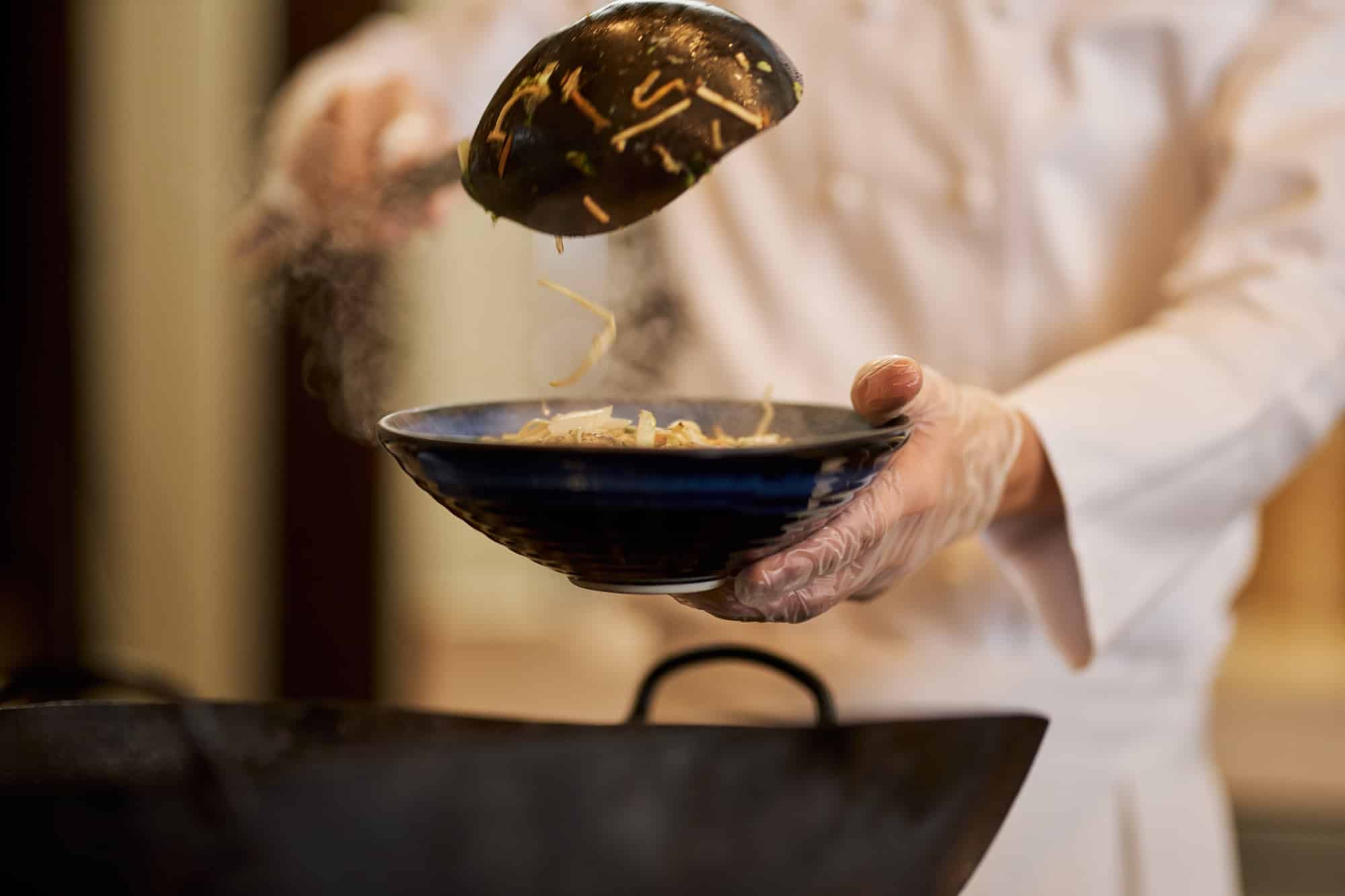
Practice the right tools: Run hands-on workshops on specific techniques, including proper use of woks, tortilla presses, and traditional spice grinding, so confidence is built on the equipment the menu actually requires.
Master the ingredients: Hold ingredient identification sessions so staff can recognize and correctly store unfamiliar cultural ingredients, which protects both flavor and food safety.
Lock in food safety: Cover food safety protocols for unfamiliar ingredients and preparation methods, backed by formal training such as ServSafe certification and HACCP, plus any local health department permits.
Build visual recipe cards: Create detailed cards with step-by-step photos so staff can master new dishes consistently, even when working with unfamiliar techniques.
Schedule practice runs: Nothing builds confidence like repetition, so plan regular practice sessions before a dish ever reaches the service line.
Rolling It Out and Keeping It Going
Start small: Launch with one new cuisine per week so the kitchen and the students adjust together, then expand the rotation as confidence grows.
Build a feedback loop: Keep taste-testing sessions running all year so the menu evolves with student preferences instead of guessing at them.
Accommodate everyone: Label ingredients clearly and keep halal, kosher, and vegetarian alternatives on hand. A working knowledge of religious dietary restrictions makes those accommodations routine rather than reactive.
Keep it affordable and fun: Source through ethnic distributors and local markets for better bulk pricing, lean on budget-friendly lunch ideas to stretch the menu, and borrow customizable formats from bento-style stations to keep service interactive.
Frequently Asked Questions
How do schools handle religious dietary restrictions in cultural school meals?
Schools provide accommodations by offering alternative options, practicing cultural sensitivity through halal, kosher, and vegetarian choices, and clearly labeling ingredients so students can make appropriate decisions. Building these alternatives into the menu from the start keeps them routine rather than special requests.
Where can schools source authentic international ingredients affordably?
Reliable global suppliers and ethnic food distributors are the usual starting point, and local markets and international grocery stores often provide competitive bulk pricing for schools and institutions. Buying staples like rice, beans, and spices in bulk keeps a diverse menu within budget.
How are portion sizes adjusted for unfamiliar international dishes?
Compare each new dish to a similar familiar one, start with standard serving sizes, then adjust based on student feedback while maintaining the nutritional requirements for school meals. A short trial run on the line usually reveals the right portion quickly.
What food safety steps matter most when preparing international cuisine?
Staff should complete recognized food safety training such as ServSafe and HACCP, secure any local health permits, and learn the specific handling and cross-contamination rules for unfamiliar ingredients and cooking methods. Clear storage and labeling for new ingredients rounds out a safe program.
You Might Also Like
Kid-approved global dishes that translate straight to the cafeteria line.
How to accommodate halal, kosher, and other needs on a shared menu.
Crowd-pleasing curries that keep carbs and spice in balance.
Yogurt parfaits and mezze that make easy build-your-own stations.
Final Thoughts
You already have everything you need to build a standout cultural school meals program. By embracing diverse cuisines, training your staff, and inviting families in, you are not just serving lunch, you are building bridges between communities. Every new dish is a chance to expand young minds and young palates, one tray at a time.
Medical Disclaimer: The nutritional information provided in this article is for informational purposes only. While we strive for accuracy, individual responses to foods vary. Always consult with your healthcare provider or registered dietitian about dietary changes.


