Published May 24, 2026 · Updated August 18, 2026
You know that smell: the one from your grandmother’s kitchen on a Tuesday, something warm and savory lifting off the stove before noon. Or maybe it’s the metallic click of a lunchbox latch, the hiss of a thermos lid, the crinkle of wax paper around a sandwich that tasted better than it had any right to. Lunch has always been more than a meal. It’s a time capsule. Every generation inherits something from the one before and quietly, sometimes rebelliously, transforms it. The casserole becomes the wrap. The wrap becomes the bowl. The bowl becomes the snack plate. And somewhere in that progression, comfort food becomes the language that generations use to talk to each other.
Article at a Glance
The Origin Story: The Silent Generation (Born 1925-1945)
Start here, because this is where the story really begins. The Silent Generation (the grandmothers and great-grandmothers the comfort-food conversation is actually referring to) cooked under conditions that most of us will never fully understand. Depression-era kitchens ran on resourcefulness: nothing was wasted, nothing was thrown away, every scrap was stretched into another meal. A chicken carcass became stock. Day-old bread became dressing. Leftover vegetables went into tomorrow’s soup.
Wartime rationing only deepened that ethic. Butter, sugar, and meat were rationed commodities. The from-scratch cooking habit that many of us romanticize today wasn’t a lifestyle choice. It was the only option. And it built a generation of cooks who could make something out of almost nothing, who measured by instinct rather than by teaspoon, and who considered a full table a genuine achievement.
Then came post-war prosperity, and with it, the golden age of the casserole. Cream of mushroom soup became the great Canadian and American kitchen shortcut: folded into tuna, chicken, green beans, or whatever needed binding. Jell-O moulds made salads look festive.
Meatloaf was made with ground meat, oats, and breadcrumbs. And the first packaged convenience items slipped quietly onto grocery shelves: a can of Campbell’s here, a box of Kraft there. These weren’t shortcuts born of laziness. They were novelties, symbols of a prosperity that had felt very far away just a decade before.
The lunchbox of this era was a metal worker’s pail, heavy and practical, packed with a wax-paper sandwich, a hard-boiled egg, and a thermos of actual soup: tomato, usually, or split pea. It was fuel, not theatre. What this generation passed forward was the idea of the communal table: everyone sitting down, everyone fed, nothing wasted. That ethic never really left. It just changed shape.
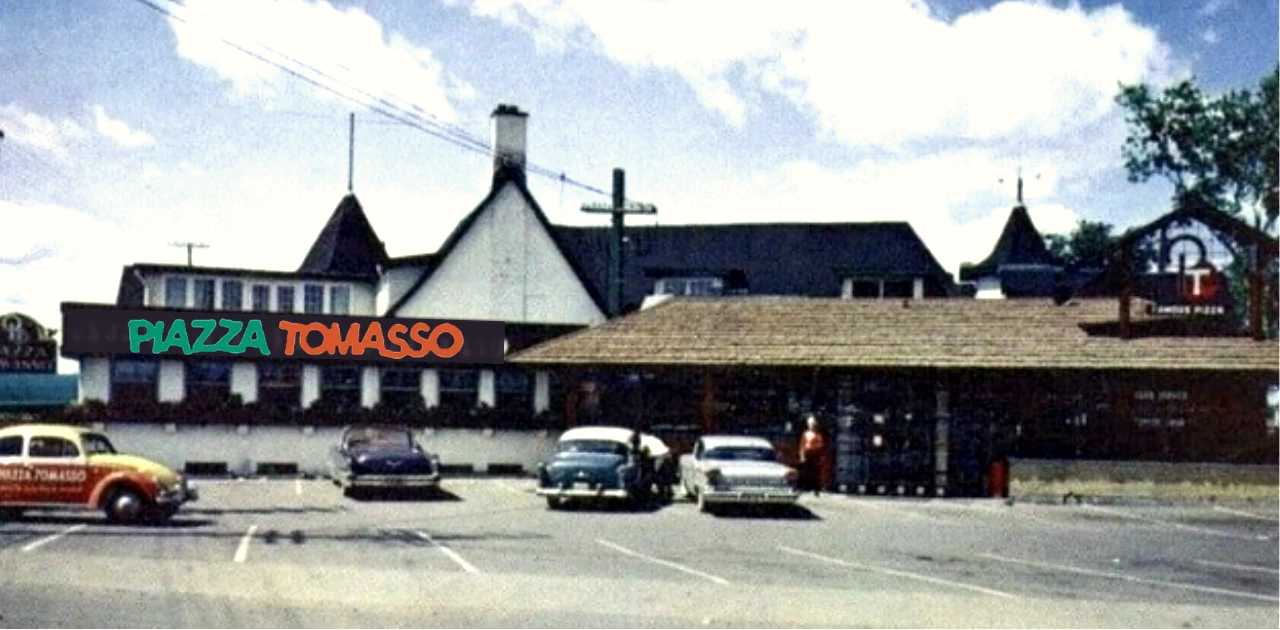
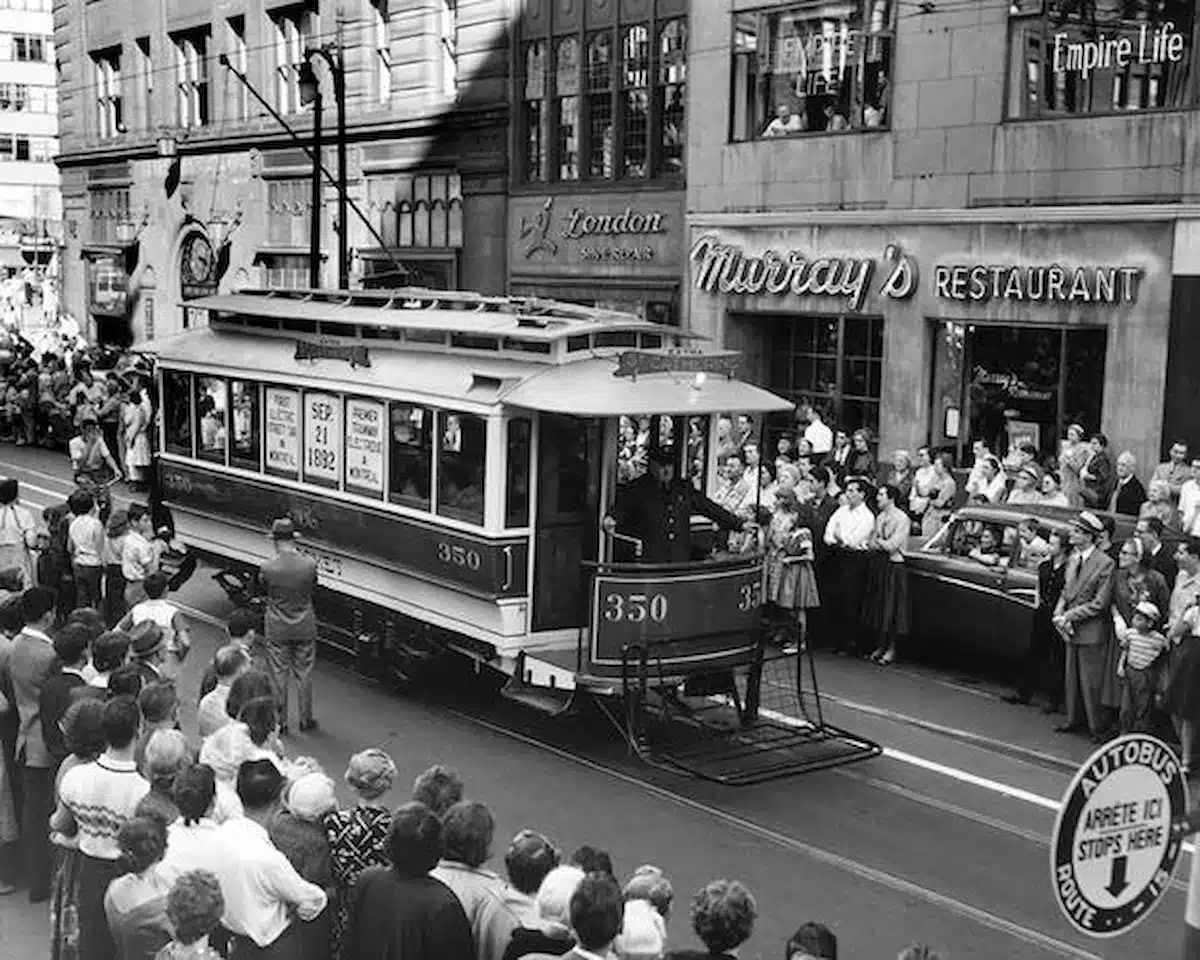
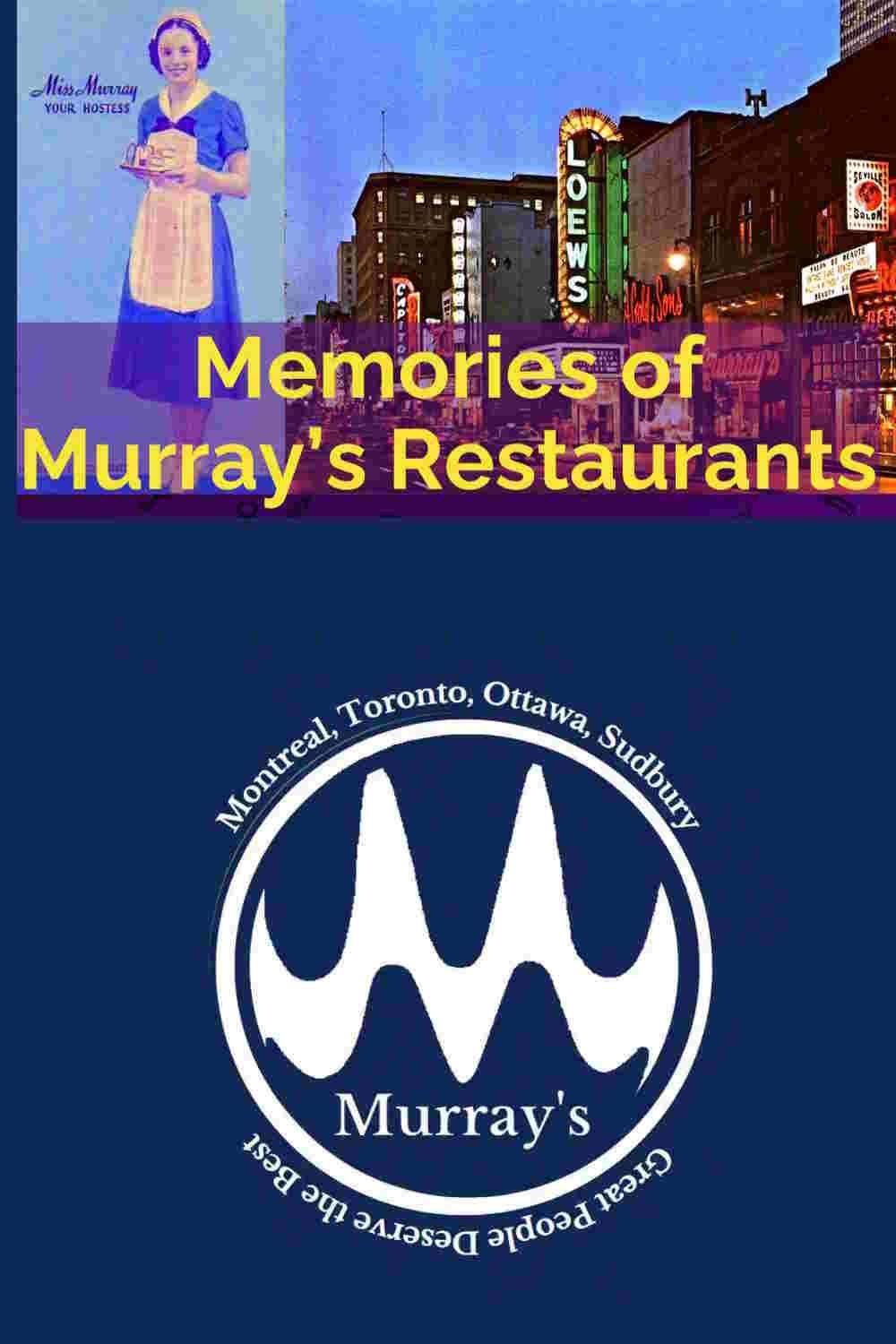
If you want to taste where it all started, the history of Murray’s Restaurants captures exactly the kind of mid-century Canadian comfort food this generation both cooked at home and ordered when they could afford to go out.
Baby Boomers (Born 1946-1964)
The Boomers grew up eating their parents’ food, and for a long time, they didn’t question it. Meatloaf was meatloaf. Casseroles were what you made. The from-scratch ethic passed down from the Silent Generation felt normal because it was all they knew. But prosperity was changing the kitchen, and by the time Boomers were packing their own lunchboxes, something new had arrived on the scene: the TV dinner.
The Swanson TV dinner (with its aluminum tray divided into tidy compartments of turkey, mashed potatoes, and peas) was the first food designed specifically to be eaten in front of a screen. It didn’t replace family dinner, but it introduced the idea that a meal could be fast, individual, and utterly effortless.
The Boomers were the first generation to eat convenience food at scale, and they did so without guilt, because the alternative (their parents’ labour-intensive kitchen) was still right there in the background as the standard.
The lunch counter defined their midday ritual. Diners, department store restaurants, and cafeteria-style spots were where the Boomer generation ate lunch out. Think of the lunch counters at Woolworth’s and Eaton’s: the Woolworth’s lunch counter served straightforward, affordable plates to working Canadians and shoppers alike. This was democratic dining: no reservations, no dress code, just a stool at the counter and something hot on a plate.
Later in life, the Boomers pivoted hard toward health. Whole grains, lean proteins, colorful vegetables: the 1980s brought jogging, aerobics, and a sudden awareness of cholesterol. The lunchbox got lighter. The brown bag returned, this time with a turkey sandwich on whole wheat and a piece of fruit. What they passed forward was the meal as an experience worth having, whether that meant a proper diner lunch or a Sunday roast: the idea that food deserved attention and that a good midday meal was worth building your day around.
Generation X (Born 1965-1980)
Gen X grew up with more independence and less supervision than any generation before or since. The latchkey kid (home alone after school, foraging in the fridge, making decisions nobody was watching) became a cultural archetype. And that independence shaped a generation that was entirely comfortable with convenience, quick decisions, and doing things their own way.
The Lunchable is the Gen X school lunch moment. There’s really no way around it. Oscar Mayer launched the product in 1988, and within a few years, it had become the most recognizable lunchbox item in North America. Ham, crackers, cheese, a tiny chocolate bar: all arranged in a plastic tray, designed to be assembled by a child. It was engineered convenience, and Gen X kids loved it precisely because it required no adult intervention. The drive-thru boom and the rise of quick-service restaurants followed the same logic: fast, autonomous, no fuss.
But Gen X also inherited something their parents hadn’t had: genuine exposure to global cuisines. Immigration was reshaping Canadian cities. Travel was more accessible. The ethnic restaurant was no longer a novelty. Gen X became the first generation to eat fusion food not as an exotic experience but as a natural expression of where and how they lived.
The turkey club wrap with sun-dried tomato mayo (messy, bold, assembled from flavors that wouldn’t have shared a plate two decades earlier) is the Gen X lunch in a nutshell. If you want the no-fuss version for today’s office bag, these no-heat wraps carry that same spirit forward. What Gen X passed forward was flavor without apology: the permission to mix things up, borrow freely, and make lunch interesting.
Millennials (Born 1981-1996)
Millennials get a lot of grief for avocado toast. It’s worth pointing out that avocado toast is, in fact, delicious, and that its rise as cultural shorthand says something true about what this generation actually values. Millennials came of age during a convergence of factors that no previous generation had faced: the internet, the 2008 recession, a rising awareness of food sourcing and environmental impact, and Instagram. The result was a generation that wanted their food to be healthy, photogenic, ethically sourced, and convenient, all at once.
The meal prep on Sunday became a Millennial institution. Mason jar salads stacked in the fridge. Buddha bowls assembled in batches: a base of quinoa or farro, roasted vegetables, a protein, a sauce, repeated across five identical containers.
The goal was control: eat well during the week without thinking about it on a Tuesday when you’re exhausted. Chipotle, sweetgreen, and every build-your-own bowl concept that followed were designed explicitly around this logic. Choice, customization, speed, and the reassurance that someone had made a nutritionally responsible choice with the ingredients.
Quinoa and Buddha bowls became clichés because they actually worked. They were filling, they photographed beautifully, and they could accommodate every dietary restriction at the table: vegan, gluten-free, dairy-free, keto-adjacent. The keto Buddha bowl is a direct descendant of this tradition, just with the grains swapped out for extra vegetables and protein.
The Millennial-era lunchbox consisted of a glass Tupperware container, a stainless steel thermos, and an eco-friendly bento. What they passed forward was the meal as a deliberate act: something you planned, prepared, and were genuinely proud of.
Generation Z (Born 1997-2012)
Gen Z discovered food on TikTok. That single fact reshapes almost everything else about how they eat. A recipe that goes viral on a Tuesday is in thousands of lunchboxes by Thursday. Feta pasta. Pink sauce. Cucumber salad. Baked oats. The speed at which food trends move through Gen Z’s world is unprecedented, and it’s produced a generation of genuinely adventurous eaters who have no particular loyalty to any one cuisine, ingredient, or format.
Sustainability isn’t a trend for Gen Z. It’s a baseline expectation. They grew up knowing about factory farming, food miles, and single-use plastic. The plant-based shift isn’t performance; it’s aligned with genuine values about the environment and animal welfare. Vegan sushi rolls, chickpea salads, colorful lentil Buddha bowls, crispy tofu wraps: these aren’t alternatives to the “real” lunch. They are the real lunch. Our 17 best vegetarian keto lunch ideas speak directly to this overlap between plant-forward eating and metabolic health.
“Snackification” is the other defining shift in Gen Z comfort food. The structured lunch (one plate, eaten at noon, cleared before returning to work) is increasingly giving way to a grazing model: protein plates, charcuterie-style boxes, a handful of crackers, some hummus, a cheese cube, a few grapes.
The “Girl Dinner” phenomenon that went viral in 2023 is the comedic, self-aware expression of this: the assembled plate of random items that constitutes a perfectly acceptable meal when you’re tired and eating alone. It’s not lazy. It’s pragmatic. The lunchbox of this era is a reusable silicone bag, a stainless steel container, and a set of beeswax wraps. Aesthetics matter. Waste doesn’t.
A Brief Look Forward: Generation Alpha (Born 2013+)
These are today’s school-lunch kids: growing up on air-fryer snacks, heavily customized orders, and parents who batch-cook on Sundays. They’ve never known a world without DoorDash or a food camera. Their palates are broader, their options more overwhelming, and their relationship with cooking is still forming. Their comfort food story is entirely unwritten. The question worth sitting with: what will they inherit from the generation that raised them on Buddha bowls and TikTok recipes, and what will they quietly, inevitably, transform?
Generational Food Shifts at a Glance
| Generation | Primary Comfort Value | Iconic Lunch Item | What They Kept |
|---|---|---|---|
| Silent Generation | Resourcefulness | Cream of mushroom casserole | The communal table |
| Baby Boomers | Comfort & Tradition | Meatloaf sandwich | The from-scratch ethic |
| Generation X | Convenience & Bold Flavor | Lunchables / fusion wrap | The diner comfort food |
| Millennials | Health & Aesthetics | Quinoa Buddha bowl | The meal as an experience |
| Generation Z | Sustainability & Discovery | Plant-based sushi roll | The global curiosity |
One Lunch, Four Ways: The Humble Sandwich Through the Decades
Four generations, one format: see how much changes when the person making the sandwich does.
The Boomer: Classic Ham & Cheese on White. Thick-cut deli ham and sharp yellow cheddar on pillowy white sandwich bread, spread with a generous swipe of yellow mustard: simple, satisfying, and absolutely built for a brown paper bag.
The Gen X: Turkey Club Wrap. Sliced turkey, crisp iceberg, and a smear of sun-dried tomato mayo rolled into a flour tortilla: bold, a little messy, and assembled in about ninety seconds with whatever’s left in the fridge.
The Millennial: Avocado & Microgreens on Sourdough. Creamy smashed avocado on toasted sourdough, topped with a tangle of microgreens and finished with a drizzle of lemon-tahini: as photogenic as it is genuinely delicious.
The Gen Z: Chickpea & Egg Salad on Gluten-Free Bread. Mashed chickpeas and hard-boiled egg in a light mayo-mustard dressing on gluten-free sandwich bread, finished with a heavy shake of everything-bagel seasoning: protein-forward, planet-conscious, and surprisingly addictive.
Each of these versions has a full recipe on The Lunch Pro, or will soon. The sandwich never gets old. It just keeps evolving.
Cook’s Notes from Each Era
From the Silent Generation: Make stock from the bones. Always. A roast chicken carcass yields three days of soup; a beef bone makes the best French onion you’ll ever eat. The from-scratch reflex is the most valuable thing your grandmother knew, and it costs nothing to revive.
From the Boomers: The lunch counter format works. A plate, a stool, a coffee, fifteen minutes. You don’t need a charcuterie board to call something a meal. Simple plates, eaten with intent, are still the most satisfying middays.
From Gen X: Don’t apologize for the wrap. Or the leftovers. Or the sandwich assembled in ninety seconds from whatever’s in the fridge. Fast doesn’t mean lazy; it means competent. The flavor comes from confidence, not complication.
From Millennials: Sunday is the lever. Two hours on Sunday (one grain, one protein, three sauces, sliced vegetables) buys you five weekday lunches that beat anything you could grab at noon. Front-load the work and weekday-you will thank you.
From Gen Z: The snack plate counts as lunch. Olives, cheese, a hard-boiled egg, hummus, some crackers, a handful of cherry tomatoes: assembled deliberately and eaten without apology. There is no rule that lunch has to be a single composed dish.
Cooking This History Yourself
For the Silent Generation lunch: A from-scratch tuna noodle casserole: egg noodles, canned tuna, cream of mushroom soup, frozen peas, breadcrumb topping. Or pack a wax-paper egg salad sandwich with a small thermos of tomato soup. The point is that nothing was wasted; cook with leftovers in mind.
For the Boomer lunch: Meatloaf sandwich on rye, mustard, a pickle on the side. Or a diner-style open-faced turkey sandwich with gravy. Pair it with a steel thermos of soup and you’ve recreated the Eaton’s lunch counter in your own kitchen.
For the Gen X lunch: A turkey club wrap with bacon, avocado, and a smear of something assertive: chipotle mayo, sun-dried tomato pesto, anything bold. See our no-heat office wraps for assembly templates.
For the Millennial lunch: A grain bowl built in a mason jar: quinoa, roasted vegetables, chickpeas, a tahini-lemon drizzle, greens on top. Or update the format with our keto Buddha bowls for the lower-carb version.
For the Gen Z lunch: A snack plate: olives, cheese, hummus, crackers, cucumber, a hard-boiled egg, a small handful of cherry tomatoes. Or browse our vegetarian keto lunch ideas for plant-forward options that meet the same generational brief.
Frequently Asked Questions
What are the most iconic comfort food lunches by generation?
Each generation has its signature midday comfort food. The Silent Generation is defined by from-scratch casseroles, thermos soups, and wax-paper sandwiches. Baby Boomers are associated with diner counter lunches and the meatloaf sandwich. Generation X’s defining lunch moment is the Lunchable, and later, the fusion wrap. Millennials brought us the quinoa Buddha bowl and the mason jar salad. Generation Z has embraced plant-based options like vegan sushi rolls and protein-forward snack plates.
How did convenience food change across generations?
Convenience food evolved from a novelty into a baseline expectation. The Silent Generation was the first to encounter packaged items like canned Campbell’s soup, framed as a modern luxury, not a shortcut. Baby Boomers adopted the TV dinner as an entirely new format. Gen X normalized drive-thru and quick-service dining. Millennials redefined convenience through meal prep: the work was front-loaded on Sundays, so weekday lunches required no effort. Gen Z takes convenience further with delivery apps and ‘snackification’: replacing a single structured meal with assembled grazing plates.
Why did Millennials become so focused on healthy comfort food?
Several factors converged for Millennials: the rise of food media and cooking blogs, the aftermath of the 2008 recession (which made home cooking financially necessary), growing awareness of the health impacts of processed food, and the visual culture of Instagram, which rewarded beautiful, colorful bowls over beige convenience food. The result was a generation that genuinely invested in understanding what they ate, not just for health, but for identity and values.
What is snackification, and which generation started it?
Snackification is the shift away from a single structured meal toward multiple smaller, assembled portions throughout the day: protein bites, charcuterie-style boxes, hummus plates, a few crackers, and some cheese. It’s primarily associated with Generation Z, though it has roots in the Millennial meal-prep era. The ‘Girl Dinner’ phenomenon that went viral in 2023 is the most widely recognized cultural expression of snackification: a plate of odds and ends (olives, cheese, a boiled egg, some crackers) assembled deliberately and eaten without apology.
You Might Also Like

Final Thoughts
The point of tracing this comfort food history isn’t to celebrate how different every generation is. It’s to notice how connected they remain. The casserole didn’t disappear; it became the warm grain bowl. The diner counter didn’t vanish; it became the build-your-own bowl bar. The thermos your grandfather carried to work is now a stainless steel insulated jar in your gym bag.
The through-line is the table itself: someone always set it, and someone always showed up hungry. At The Lunch Pro, the Murray’s heritage series is our ongoing effort to trace that through-line: to reconstruct the meals that shaped Canadian lunch culture before the chains closed and the recipes were nearly lost. Pull up a stool. There’s always room at the counter.
Medical Disclaimer: The nutritional information provided in this article is for informational purposes only. While we strive for accuracy, individual responses to foods vary. Always consult with your healthcare provider or registered dietitian about dietary changes.