Published June 28, 2026 · Updated July 1, 2026
This cottage cheese breakfast bowl loads 28 grams of protein into 5 minutes of assembly, with just 9 grams of net carbs and zero added sugar. Cottage cheese makes a thick, creamy base, fresh berries bring natural sweetness without the crash, and a scatter of toasted nuts adds the crunch that makes it feel like a treat instead of a diet breakfast. It is the kind of fast, blood-sugar-friendly start that holds you for hours.
Cottage Cheese Breakfast Bowl Quick Stats
Why This Cottage Cheese Breakfast Bowl Works
Protein Powerhouse: With 28g of slow-digesting casein protein, this bowl keeps you full for hours and is designed to be gentle on blood sugar compared with carb-heavy breakfasts. A protein-forward morning meal may support steadier energy between meals.
Smart Carb Choices: At just 9g net carbs, this bowl fits easily into low-carb eating. Berries are among the lowest-glycemic fruits available, so they add sweetness, fiber, and antioxidants without the sugar load of higher-carb fruit.
Healthy Fat Balance: The nuts provide satisfying fats that slow digestion and improve satiety. Walnuts in particular offer omega-3 fatty acids, and a balance of protein and fat helps the bowl feel like a complete meal rather than a snack.
Fiber for Steadier Energy: The 3g of fiber from berries and nuts helps slow how quickly sugars are absorbed, which is associated with a gentler rise in blood sugar after eating.
Cinnamon Bonus: A small pinch of cinnamon adds warm flavor for free, and some research suggests it may support insulin sensitivity. Either way, it makes the bowl taste a little more indulgent without any added sugar.
Store-Bought Protein Bowl vs. This Homemade Version
| Factor | Store-Bought | Homemade | Difference |
|---|---|---|---|
| Net Carbs | 25 to 35g | 9g | 70% fewer |
| Added Sugar | 12 to 18g | 0g | Zero added |
| Protein | 12 to 18g | 28g | 60% more |
| Cost | $6 to $9 | ~$2.50 | 65% cheaper |
| Prep Time | Drive and wait | 5 min | Way faster |
Here is the full cottage cheese breakfast bowl, with exact amounts, a 4 percent milkfat tip for staying full, and a meal-prep method that keeps the nuts crunchy.
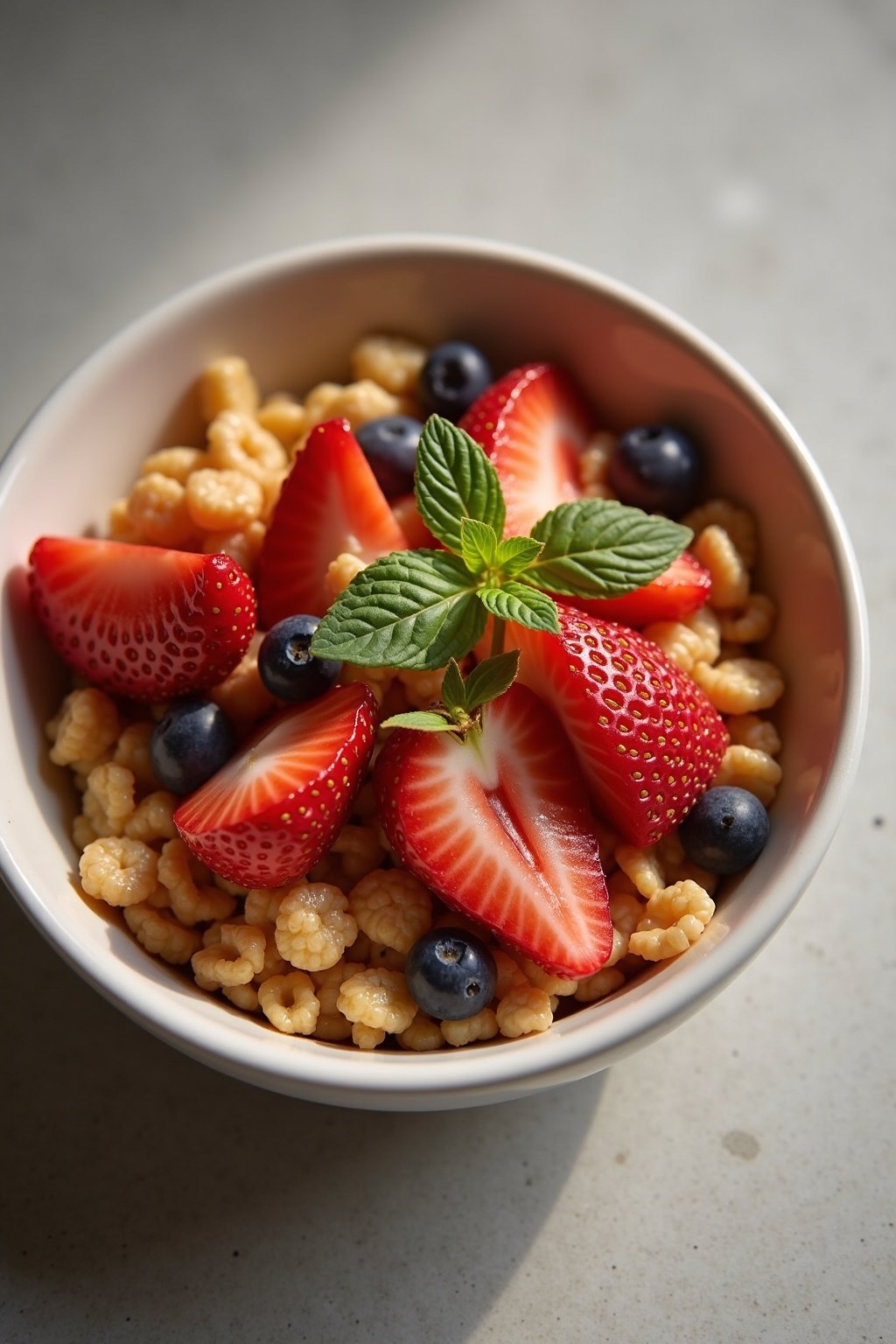

Cottage Cheese Fruit and Crunch Bowl | High Protein, Low Carb
Ingredients
Equipment
Method
- Add 1 cup cottage cheese to your serving bowl as the creamy base.
- If toasting nuts, heat a small dry skillet over medium heat for 1 minute. Add almonds or walnuts and toast for 2-3 minutes, stirring frequently, until fragrant and lightly golden. Remove from heat immediately and set aside to cool.
- Arrange 1/2 cup fresh berries evenly over the cottage cheese. Use the ripest, most flavorful berries you can find for natural sweetness.
- Sprinkle the toasted nuts over the fruit layer, distributing them evenly for crunch in every bite.
- If desired, dust with a pinch of cinnamon and add 1/2 teaspoon vanilla extract for extra flavor without added sugar.
- Serve immediately for best texture. If meal prepping, pack cottage cheese in the bottom of a container, add berries in the middle layer, and store nuts separately in a small bag. Combine just before eating to keep nuts crunchy.
Nutrition
Notes
Tried this recipe?
Let us know how it was!You Might Also Like
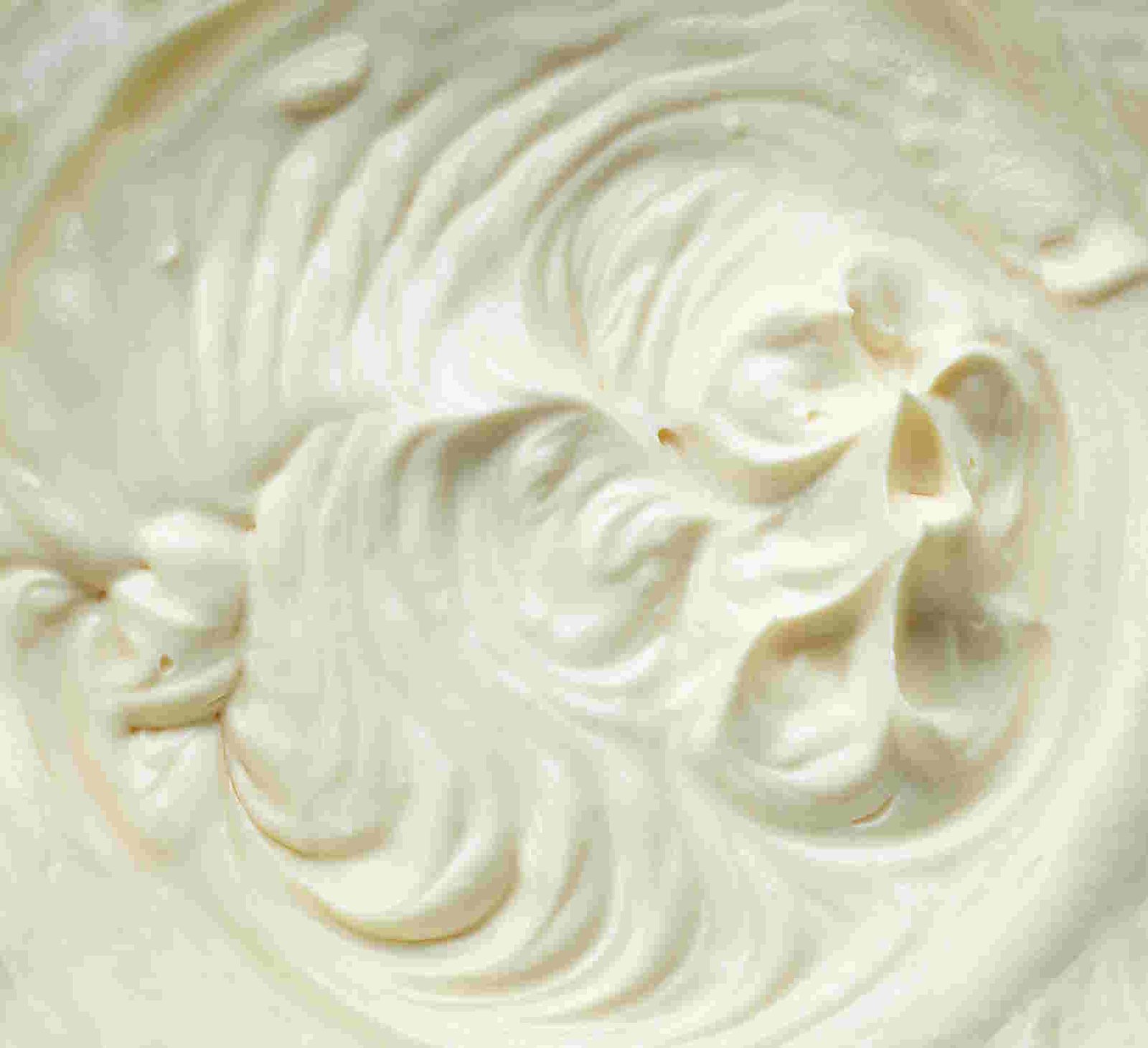
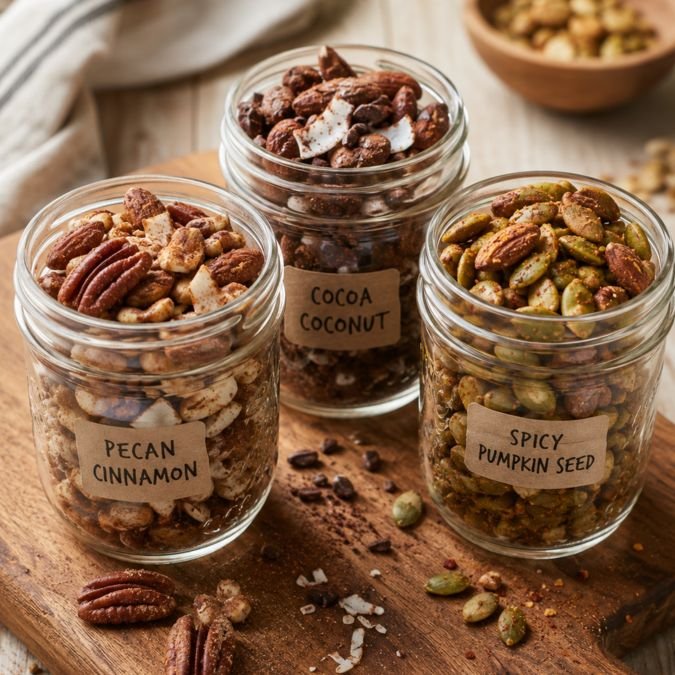
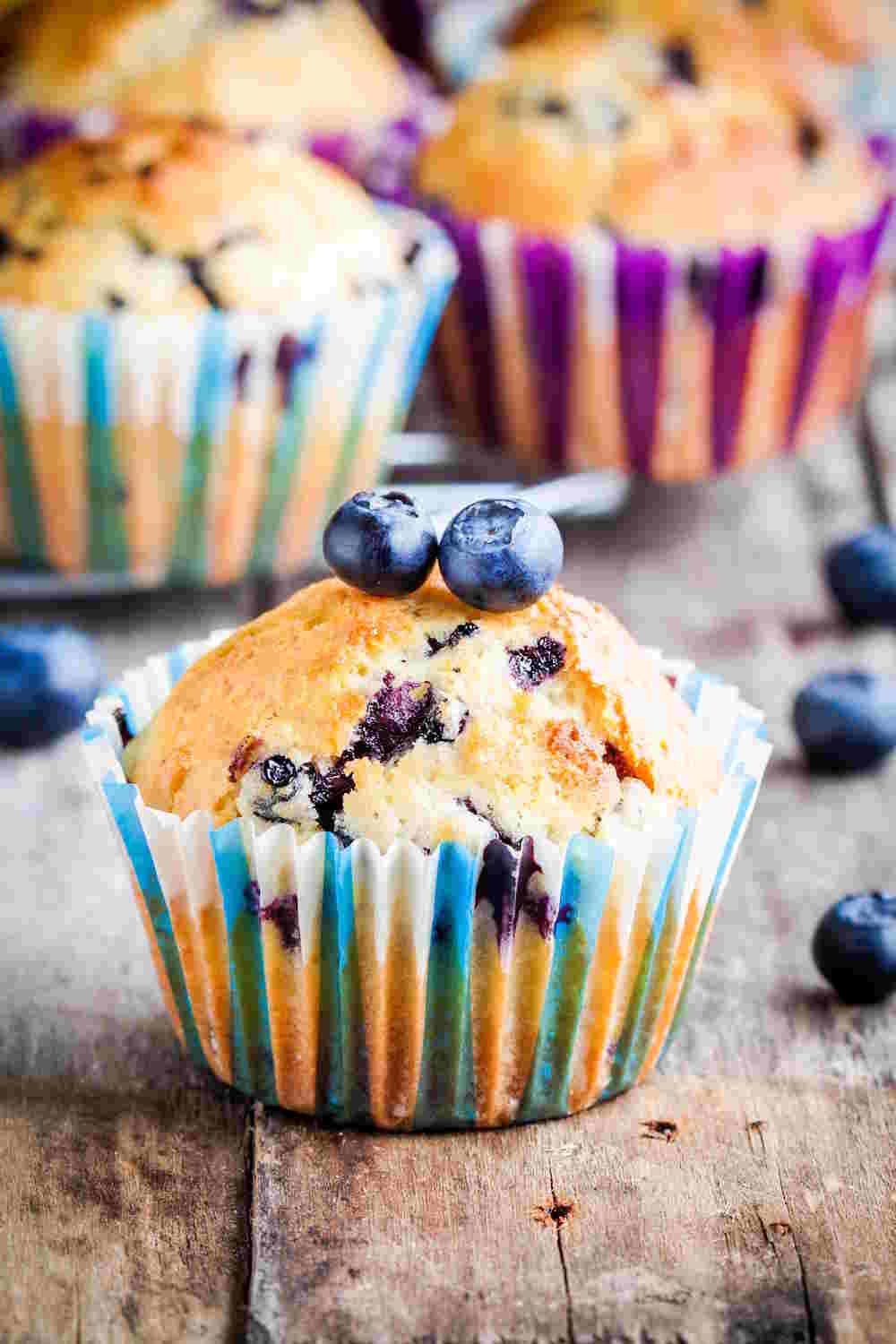
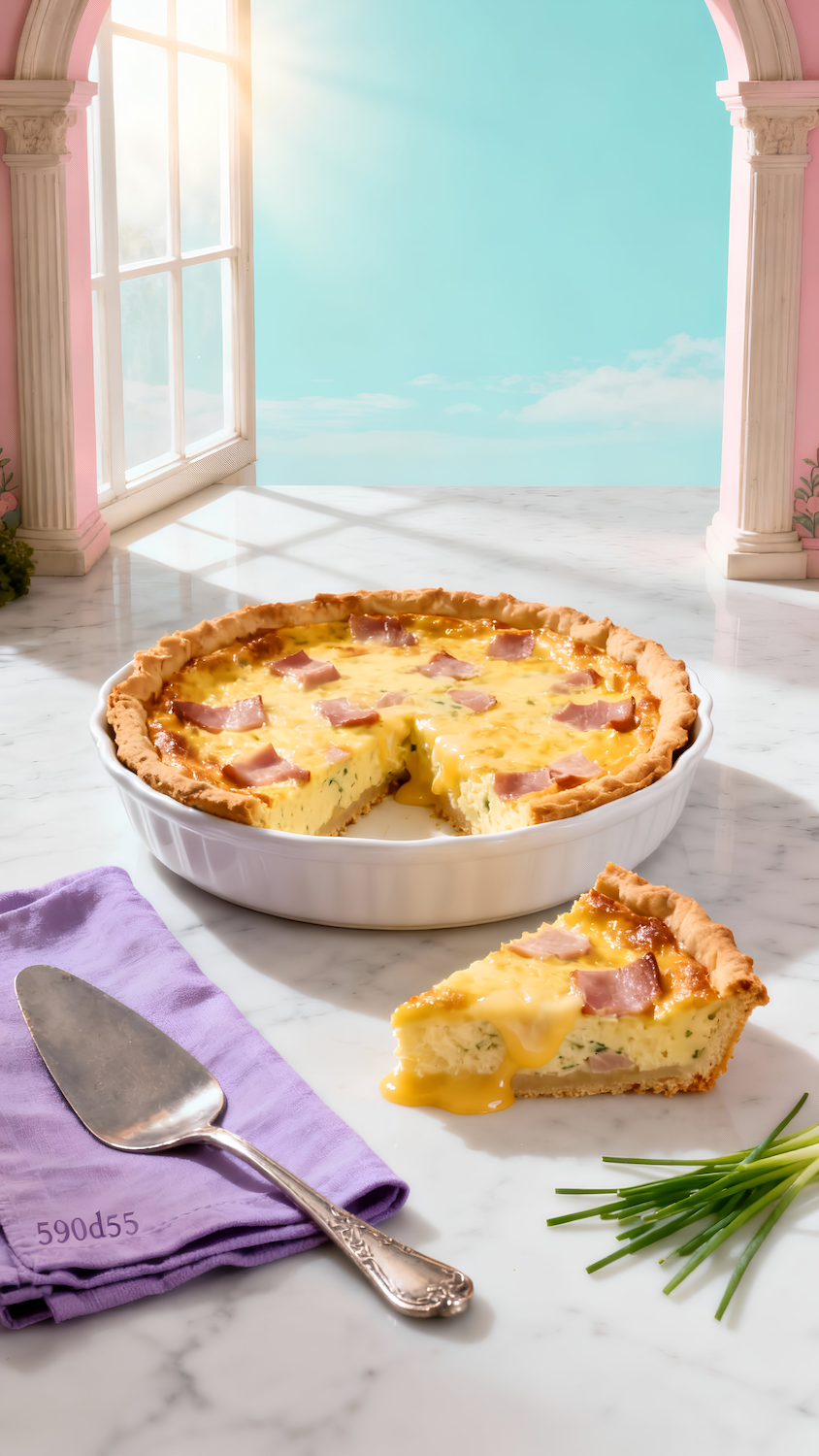
Want more high-protein, low-carb breakfasts in the rotation? Try this keto whipped ricotta for another creamy, diabetic-friendly base, or batch a jar of keto trail mix so the crunchy topping is always ready to go.
Chef Tips for the Perfect Cottage Cheese Breakfast Bowl
Toast Those Nuts: Two minutes in a dry pan transforms almonds or walnuts from bland to incredible. Toasting releases their natural oils for deeper flavor and better crunch. Watch carefully, they go from golden to burnt fast.
Frozen Berry Hack: Frozen berries are often sweeter than fresh because they are picked at peak ripeness, and they cost less. Thaw slightly and drain the excess liquid so your bowl does not get soupy. They also keep the cottage cheese cool longer.
Texture Fix: Not a fan of cottage cheese curds? Blend it for 30 seconds for a silky, Greek-yogurt-like texture. Add a splash of vanilla extract while blending for extra creaminess.
Fat Matters: Choose 4 percent milkfat cottage cheese over low-fat versions. The extra fat improves satiety, helps you absorb the fat-soluble vitamins in the berries, and has little effect on blood sugar.
Flavor Boosters: A tiny pinch of sea salt makes the fruit taste sweeter without any sugar. Fresh lemon zest adds brightness, and a drizzle of sugar-free maple syrup works for anyone who prefers it sweeter.
Meal Prep Strategy: Make several servings at once. Pack cottage cheese in the container bottoms, add berries in the middle, and store nuts in separate small bags. Combine just before eating to keep everything at peak texture.
Cottage Cheese Breakfast Bowl Storage and Serving Suggestions
Fresh Is Best: This bowl tastes best assembled fresh, but the components prep beautifully ahead. An assembled bowl keeps in the fridge for up to 24 hours, just expect slightly softer nuts.
Component Storage: Keep cottage cheese tightly sealed in its original container and use within 5 to 7 days of opening. Wash and dry berries up to 3 days ahead and store them in a breathable container lined with paper towels to prevent mold. Nuts hold at room temperature for up to 2 weeks, or refrigerate for up to 3 months.
Make It Keto: To take this under 5g net carbs for a strict keto morning, drop the berries to a quarter cup and lean on the cinnamon and vanilla for sweetness.
Serving Variations: For a chocolate version, stir in unsweetened cocoa powder and a few cacao nibs. For a savory spin, swap the cinnamon for everything bagel seasoning and tuck a handful of baby spinach underneath. Pack it for work in a wide-mouth jar with the nuts kept separate until you eat.
Complete the Meal: Pair it with a slice of crustless ham and Swiss quiche for a bigger protein push, or a couple of almond flour blueberry muffins when you want a low-carb baked side.
Cottage Cheese Breakfast Bowl FAQs
Is cottage cheese good for diabetics?
Cottage cheese can be a smart choice for blood-sugar-friendly eating. Its high protein content, about 28g per cup, triggers little insulin response, and the slow-digesting casein helps you feel full for hours. High-protein breakfasts are associated with steadier blood sugar through the morning, though individual responses vary.
Can I use Greek yogurt instead of cottage cheese?
You can, but you will get less protein, roughly 17g versus 28g per cup, and a different texture. If you prefer Greek yogurt, choose plain, full-fat varieties and check the label for added sugars. The net carbs come out similar.
How do I make this bowl more filling?
Add an extra tablespoon of nuts, or a tablespoon of chia seeds, for about 2g more fiber and 2g more protein. You can also bump the cottage cheese to 1.5 cups, which lifts protein to around 42g while keeping net carbs low.
What other fruits work for a low-carb bowl?
Stick with low-glycemic options: raspberries at about 5g net carbs per cup, blackberries at 6g, and strawberries at 8g. Go easy on higher-sugar fruits like bananas, grapes, mango, and pineapple, which raise blood sugar more quickly.
The best part of a cottage cheese breakfast bowl is how endlessly it adapts: swap the berries with the season, switch sweet for savory, and scale the protein to match your morning. Keep the components prepped and a high-protein, low-carb breakfast is never more than five minutes away.
Medical Disclaimer: The nutritional information provided in this article is for informational purposes only. While we strive for accuracy, individual responses to foods vary. Always consult with your healthcare provider or registered dietitian about dietary changes.


