
Published May 28, 2026 · Updated July 3, 2026
This beef shank recipe starts with one of the most underrated cuts at the butcher counter. Brown the shanks until deeply caramelized, simmer them for three patient hours until the marrow melts into the broth, then build the soup around that liquid gold. The result is a bowl that tastes like it took all day, because it did, and every minute was worth it.
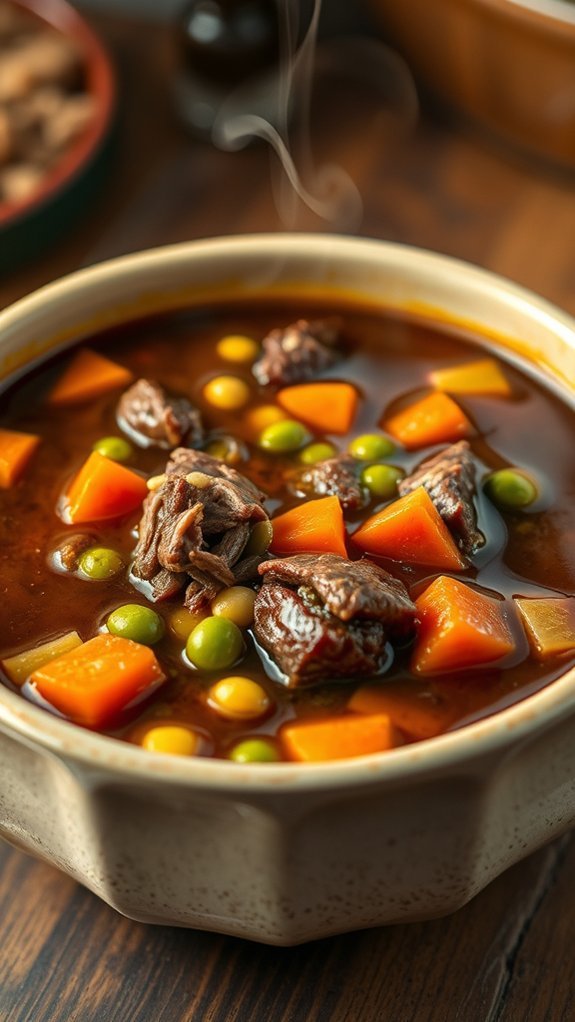
Beef Shank Soup Recipe Quick Stats
Why This Beef Shank Recipe Works
Bone marrow transforms the broth: Beef shanks are cross-cut from the leg, which means each piece contains a thick column of marrow encased in bone. After three hours of simmering, the collagen and marrow dissolve into the broth, creating a body and richness that no store-bought stock can replicate. This is the reason the broth tastes so deeply beefy.
Thorough browning is non-negotiable: The Maillard reaction that occurs when the shanks sear in a hot pan creates hundreds of flavor compounds that carry through the entire broth. Rushing this step or not getting deep color on all sides produces a noticeably flatter soup. Give each shank 4 to 5 minutes per side over genuine medium-high heat.
Straining clarifies and improves flavor: The initial broth is cloudy and slightly bitter from dissolved proteins and impurities. Straining through wet paper towels or a fine mesh strainer removes those compounds, leaving a cleaner, more refined stock that tastes like the beef itself rather than the foam that floated on top.
Frozen vegetables hold their texture: Okra, peas, and corn added from frozen finish cooking in the final simmer without turning mushy. Adding them frozen rather than fresh preserves their individual character within the soup and means you can make this recipe any season without hunting for specific fresh produce.
Barley adds fiber and body: A quarter cup of barley per batch contributes 5 grams of fiber per serving, which slows digestion and supports more sustained energy after the meal. It also absorbs broth as it cooks, thickening the soup slightly and adding a pleasantly chewy texture that complements the tender beef.
Restaurant Beef Shank Soup vs. Homemade
| Nutrient (per serving) | Restaurant | This Recipe | Difference |
|---|---|---|---|
| Calories | ~280 | 136 | -144 (51%) |
| Fat | 14g | 4g | -10g (71%) |
| Sodium | ~1,200mg | 597mg | -603mg (50%) |
| Protein | 8g | 10g | +2g |
| Fiber | 2g | 5g | +3g |
Here is the beef shank recipe that delivers that rich, restaurant-quality broth at home:


Beef Shank Soup With Vegetables
Ingredients
Equipment
Method
- Heat olive oil in a heavy-bottomed pot over medium-high heat. Add beef shanks and brown them on all sides until they develop a deep brown crust. This process builds flavor.
- Once browned, add 8 cups of water to the pot. Bring to a gentle simmer and cook low and slow for about 3 hours until the meat falls off the bone and the marrow has melted into the broth.
- After 3 hours, strain the broth through several layers of wet paper towels to remove foam and excess fat. Remove the meat from the bones, trim away fat, and dice into bite-sized pieces.

- In the same pot, add a little more olive oil and sauté the carrots, onion, celery, and cabbage over medium heat until they develop color and soften.
- Return the diced beef and strained stock to the pot. Add beef broth, Kitchen Bouquet, stewed tomatoes, okra, peas, corn, barley, basil, paprika, Montreal steak seasoning, chives, thyme, and bay leaf. Simmer on medium-low for 2 hours until barley is tender and flavors meld.


Nutrition
Notes
Tried this recipe?
Let us know how it was!You Might Also Like


Chef Tips for Perfect Beef Shank Soup
Brown in batches with real heat: The biggest mistake is crowding the pot and steaming instead of searing. Brown one or two shanks at a time over genuine medium-high heat. You want to hear a loud sizzle when the meat hits the oil. If it sounds quiet and steam starts rising, the pan is too cool or too crowded. Dark brown crust on all sides is the goal.
Strain through wet paper towels: Cheesecloth misses the fine protein particles that make broth murky and slightly bitter. Layer 3 to 4 sheets of wet paper towel over a fine mesh strainer set over a large bowl, then pour the broth through slowly. The result is noticeably clearer and cleaner-tasting than unstrained broth.
Taste continuously in the final two-hour simmer: The spice balance changes significantly as the barley absorbs broth and the vegetables soften. What tastes well-seasoned at the start of the second simmer may need more paprika or Montreal steak seasoning after an hour. Taste every 30 minutes and adjust.
Save the marrow for serving: When you remove the shanks from the initial broth, check whether the marrow column is still intact in the bone. A small spoon can push it out directly onto crusty bread as a rich, silky spread, or stir it back into the soup for added body.
Make homemade stock go further: The strained initial broth from cooking the shanks is pure liquid gold. If the batch makes more broth than the soup needs, freeze it in 2-cup portions. It is an exceptional base for other soups or for braising any cut of beef. A homemade vegetable broth blended in also deepens the vegetable notes in the final simmer.
Beef Shank Recipe Storage and Serving Suggestions
Refrigerator Storage: Store in an airtight container for up to 4 days. The soup tastes even better on day two as the barley continues to absorb broth and the flavors meld. Reheat gently over medium-low heat, adding a splash of water or broth if the barley has thickened the soup too much overnight.
Freezer Storage: Freezes well for up to 3 months. Barley softens slightly after freezing but remains palatable. For a cleaner freeze, omit the barley and add it fresh when reheating. Freeze in individual portions for easy weekday lunches. Thaw overnight in the refrigerator, then reheat over medium-low heat.
Meal Prep Strategy: The initial shank-browning and broth-simmering steps can be done two days ahead. Refrigerate the strained broth and shredded beef separately, then build the vegetable soup on the third day. This splits the 5-hour commitment across two shorter sessions.
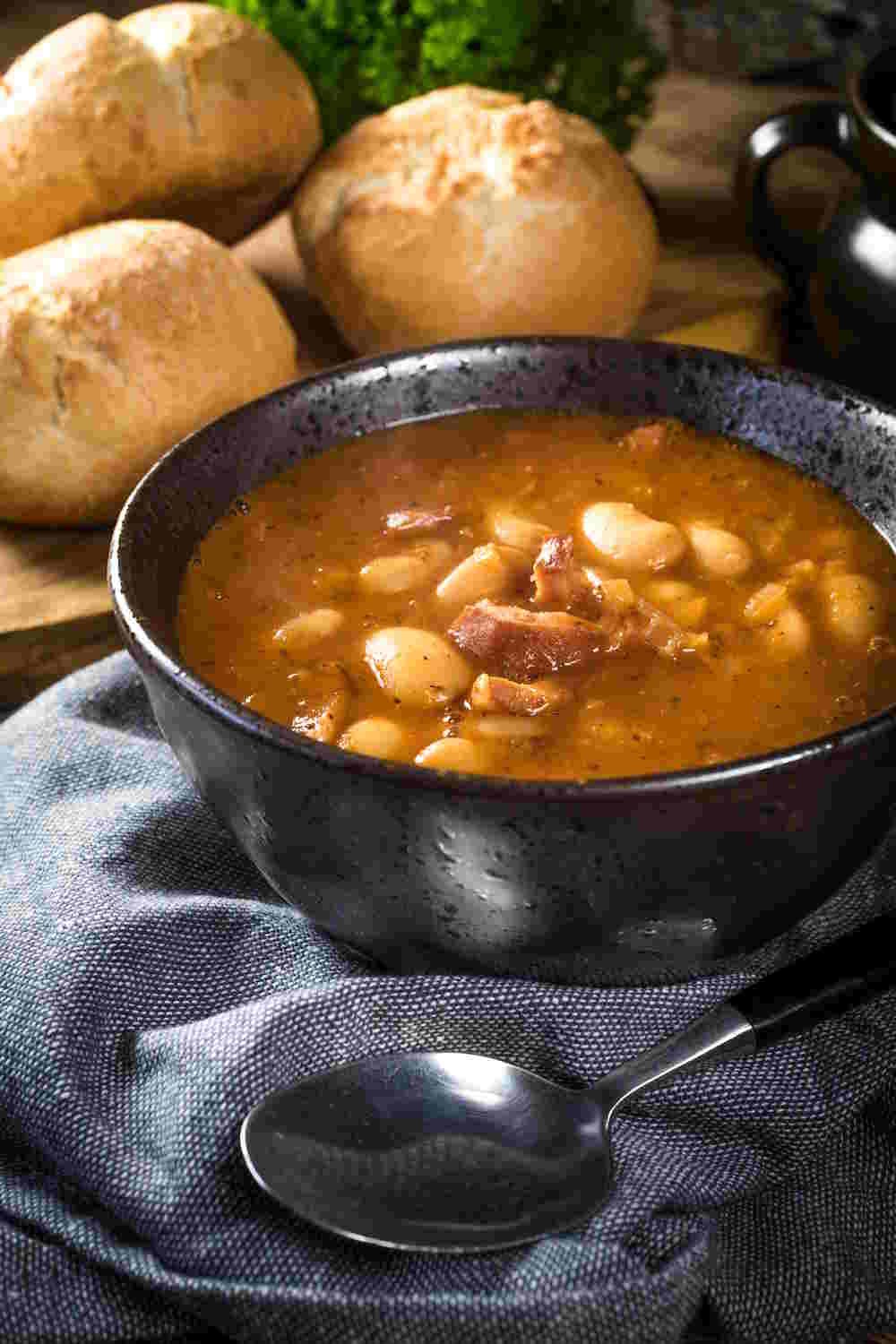
Complete the Meal: Beef shank soup is substantial enough to eat on its own, but it pairs beautifully with crusty sourdough bread for dunking into the rich broth. For a lighter vegetable-forward pairing, carrot ginger soup alongside a small portion makes a satisfying starter-and-main combination. If you enjoy slow-cooked comfort soups, navy bean soup with ham uses a similar patient technique with entirely different flavor profile. For a lighter follow-up meal later in the week, leek and potato soup offers creamy comfort at a fraction of the cook time.
Beef Shank Soup FAQs
How long does it take to cook beef shank soup?
Plan for about 5 to 5.5 hours total: 30 minutes of active prep and browning, then a 3-hour unattended simmer for the shanks, followed by a final 2-hour simmer for the vegetables. Most of this is hands-off time. The long cook is not optional, because the connective tissue in beef shanks needs 3 hours of gentle heat to break down into gelatin and produce the characteristic rich, full-bodied broth.
What cut of meat can I substitute for beef shank?
Oxtail is the closest substitute and produces an even richer, more gelatinous broth because of the high collagen content in tail vertebrae. Beef short ribs also work well and require a similar cook time. Beef chuck will tenderize in about 2 hours and is more widely available, but the broth will be slightly less deep because chuck lacks the marrow-rich bone found in shank cuts.
Why does my beef shank soup broth look cloudy?
Cloudiness comes from dissolved proteins, fat droplets, and fine particles released during simmering. Straining the initial broth through wet paper towels layered over a fine mesh strainer removes most of these. Simmering at a gentle bubble rather than a rolling boil also helps, as a violent boil emulsifies the fat and makes the broth permanently cloudy.
Can I make beef shank soup in a slow cooker?
Yes. Brown the shanks in a skillet first, then transfer to the slow cooker with 8 cups of water. Cook on low for 8 to 10 hours, until the meat falls off the bone. Remove the shanks, strain the broth, shred the beef, and return everything to the slow cooker with your vegetables, barley, and seasonings on high for 2 more hours. The result is comparable to the stovetop method, though the initial browning step is still important for flavor.
Beef shank soup rewards patience in a way that few dishes do. The three-hour shank simmer is not a long time in a culinary sense; it is the minimum the cut needs to give you what it has to offer. What comes out of that pot, that clarified marrow broth with the falling-apart beef and the soft vegetables, is the kind of soup that genuinely surprises people when you tell them the calorie count is just 136 per serving.
Medical Disclaimer: The nutritional information provided in this article is for informational purposes only. While we strive for accuracy, individual responses to foods vary. Always consult with your healthcare provider or registered dietitian about dietary changes.


