
Published June 3, 2026 · Updated July 7, 2026
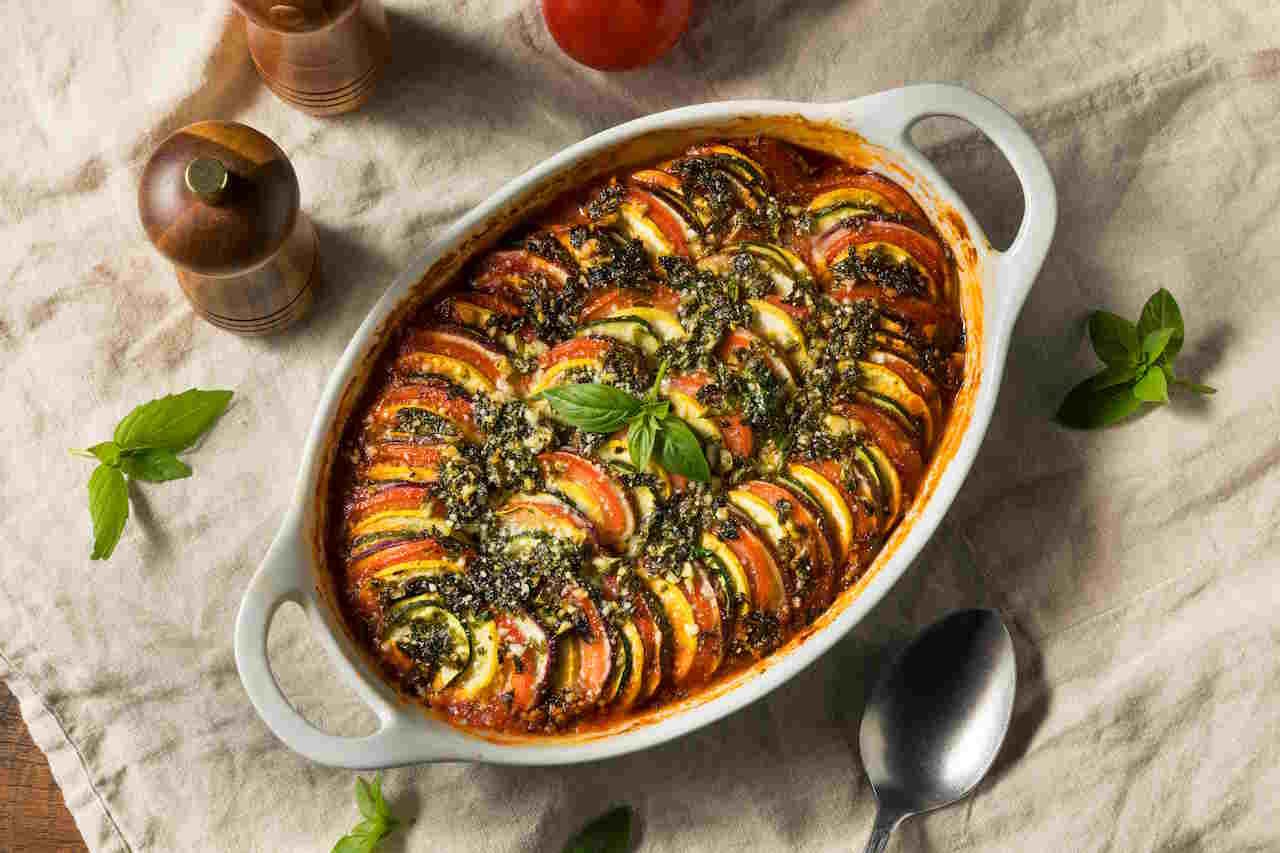
Ratatouille is the classic French method for turning a pile of summer vegetables into something greater than the sum of its parts. Cooking each vegetable separately, then simmering them together into a silky, herb-infused stew, builds deep flavor and keeps every piece distinct instead of mushy. It is naturally low in carbs, gluten-free, and genuinely diabetic-friendly without any substitutions, and somehow it tastes even better the next day.
Ratatouille Quick Stats
The magic is in the technique: cooking each vegetable separately develops concentrated flavor and keeps every piece distinct, so the finished stew works as a main, a side, or a topping for grilled proteins. Here is why it fits a blood-sugar-conscious plate so well.
Why This Ratatouille Recipe Works
Low glycemic load: Every vegetable here is non-starchy and naturally low on the glycemic index. Eggplant, zucchini, and bell peppers bring volume and satisfaction with very few carbohydrates.
Fiber-rich: With roughly 6 grams of fiber per serving, this ratatouille helps slow how the body absorbs sugar and may support steadier energy, while the mix of soluble and insoluble fiber helps you feel full longer.
Heart-healthy fats: Extra virgin olive oil is rich in monounsaturated fats that are associated with heart health, a welcome pairing for a vegetable-forward meal.
Antioxidant-rich: Tomatoes contribute lycopene, bell peppers add vitamin C, and eggplant brings nasunin, antioxidants that help the body handle everyday oxidative stress.
No added sugar: The sweetness comes entirely from the vegetables and herbs, which keeps the carb count low and predictable. For another cozy low-carb option, see our collection of keto stews.
Ratatouille vs. a Classic Starchy Side
| Factor | Typical Starchy Side | This Ratatouille |
|---|---|---|
| Net carbs | High | About 8g per serving |
| Added sugar | Often present | None |
| Fiber | Low | About 6g per serving |
| Glycemic load | High | Low |
| Vegetables | Few | Five kinds |
How to Make Ratatouille
Here is the full Ratatouille recipe, with each vegetable cooked separately before the gentle simmer that brings it all together.
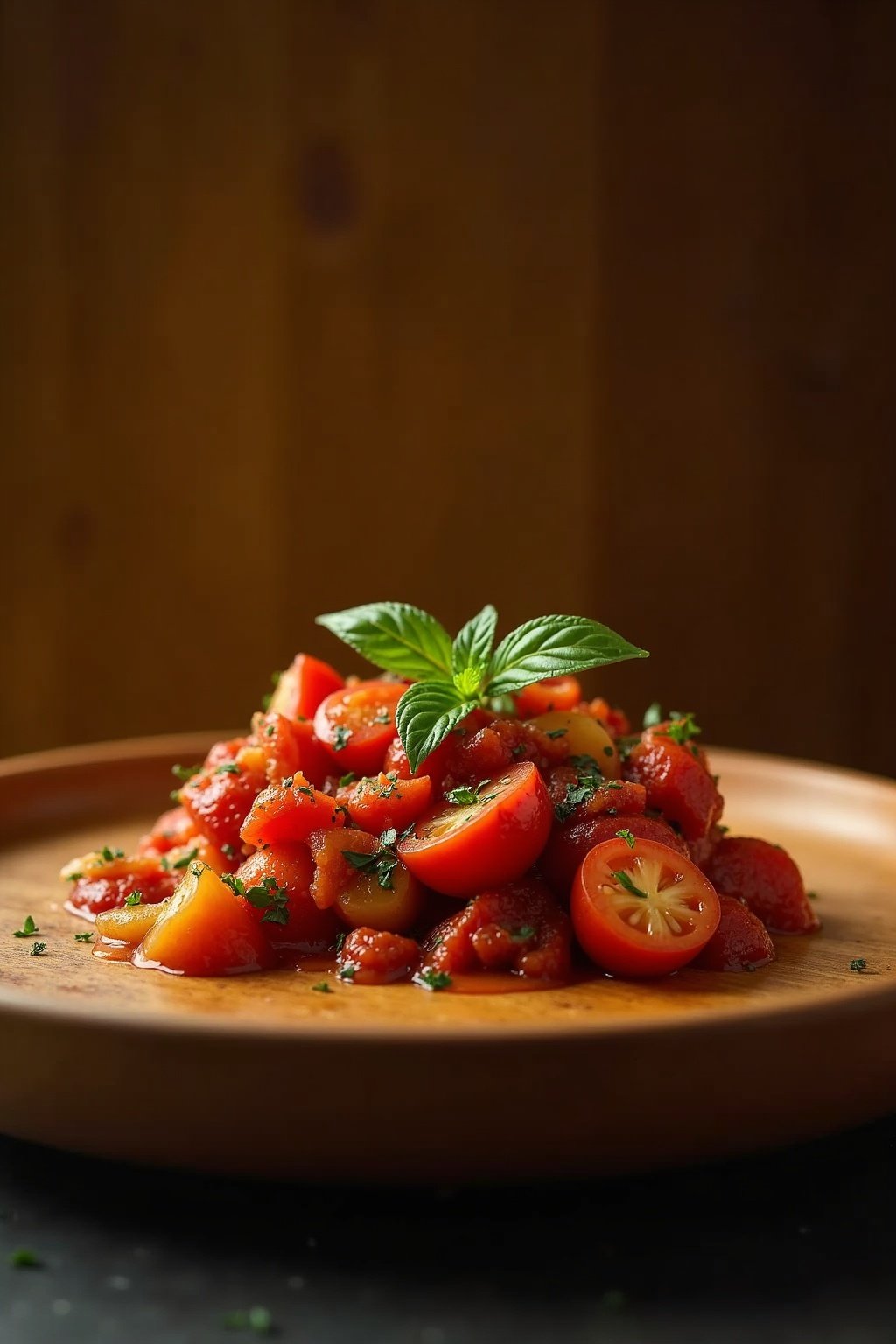

Ratatouille
Ingredients
Equipment
Method
- Prepare all vegetables: Wash and cut the eggplant into 1-inch cubes, slice zucchini into 1/2-inch thick half-moons, chop tomatoes, and cut bell peppers into 1-inch pieces. If using onion, dice it finely. Mince the garlic. Set each vegetable aside in separate bowls.
- Cook the eggplant: Heat 2 tablespoons of olive oil in a large heavy-bottomed pot or Dutch oven over medium heat. Add the eggplant pieces in a single layer (work in batches if needed to avoid crowding). Cook for 6-8 minutes, stirring occasionally, until lightly browned and softened. Transfer to a large bowl and set aside.
- Cook the zucchini: Add another 1-2 tablespoons of olive oil to the same pot. Add the zucchini and cook for 5-6 minutes, stirring occasionally, until just tender and lightly browned. Transfer to the bowl with the eggplant.
- Cook the bell peppers: Add another 1 tablespoon of olive oil to the pot. Add the bell peppers and cook for 5-7 minutes, stirring occasionally, until they begin to soften but still hold their shape. Transfer to the bowl with the other vegetables.
- Build the tomato base: Add the remaining olive oil to the pot. If using onion, add it now and cook for 3-4 minutes until softened and translucent. Add the minced garlic and cook for 30-60 seconds until fragrant but not browned.
- Add tomatoes and herbs: Add the chopped tomatoes (with their juices) to the pot. Stir in the Herbes de Provence, 1 teaspoon of salt, and 1/2 teaspoon of black pepper. Simmer for 8-10 minutes, stirring occasionally, until the tomatoes break down into a thick, saucy base.
- Combine everything: Return all the cooked vegetables (eggplant, zucchini, and bell peppers) to the pot with the tomato mixture. Stir gently to coat the vegetables in the sauce without breaking them up too much.
- Slow simmer: Reduce heat to low and simmer the ratatouille gently for 30-40 minutes, stirring occasionally, until all vegetables are very tender and the flavors have melded together. The mixture should be thick and silky, not watery.
- Rest and adjust: Remove from heat and let the ratatouille rest for at least 15-30 minutes (or longer if time permits). Taste and adjust seasoning with additional salt, pepper, or herbs as needed.
- Serve: Serve the ratatouille warm, at room temperature, or chilled. Garnish with fresh chopped basil or parsley and an optional drizzle of extra virgin olive oil just before serving.
Nutrition
Notes
Tried this recipe?
Let us know how it was!You Might Also Like
Chef Tips for Perfect Ratatouille Recipe
Do not rush the individual cooking: Cooking each vegetable separately is what makes this dish special. It avoids crowding the pan and lets each one caramelize and develop real flavor.
Salt the eggplant (optional): If your eggplant seems bitter or you want a firmer texture, sprinkle the cut pieces with salt and let them sit for 15 to 20 minutes, then pat dry before sautéing. This draws out excess moisture.
Use quality olive oil: Olive oil is a primary flavor here, so reach for a good extra virgin bottle. You need about 1/4 to 1/3 cup total, spread across all 6 servings.
Cut uniformly: Aim for similar-sized pieces, roughly 1-inch cubes or half-moons, so everything cooks evenly and the finished dish looks its best.
Let it rest: Ratatouille tastes noticeably better after resting for at least 30 minutes, or even overnight, as the flavors meld. That makes it great for make-ahead meal prep.
Serve it your way: This dish is lovely warm, at room temperature, or chilled. Try all three to find your favorite.
Made a big batch? Here is how to keep it and what to serve it with.
Ratatouille Recipe | Storage and Serving Suggestions
Refrigerator Storage: Keep ratatouille in an airtight container in the fridge for up to 5 days. The flavors actually deepen with time, so it is a meal-prepper’s dream.
Freezer Storage: Freeze in individual portions for up to 3 months. Thaw overnight in the fridge and reheat gently on the stovetop or in the microwave, or enjoy it cold.
Meal Prep Strategy: Make a double batch on the weekend and portion it out. It reheats beautifully and works for lunches and dinners all week.
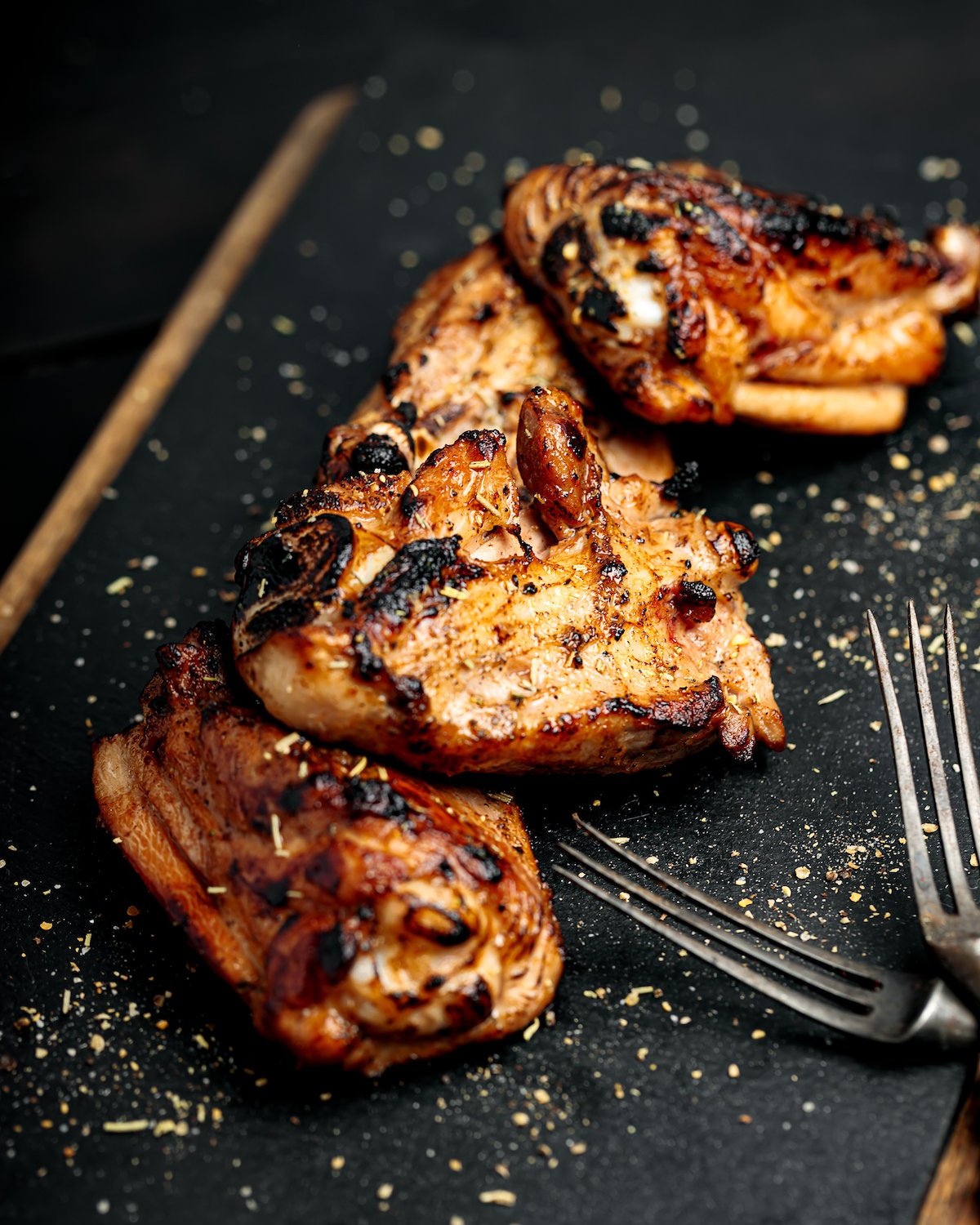
Complete the Meal: Serve it over cauliflower rice or quinoa, spoon it onto whole-grain toast, or use it to top a protein like our baked cod or grilled chicken thighs. It also fits right into a Mediterranean-style spread.
Ratatouille Recipe FAQs
What vegetables go in traditional ratatouille?
Classic ratatouille uses five vegetables: eggplant, zucchini, bell peppers, tomatoes, and onion, simmered in olive oil with Herbes de Provence. Garlic rounds out the aromatics, and fresh basil or parsley finishes the dish.
Can ratatouille be made ahead of time?
Yes, and it is even better that way. The flavors deepen as it sits, so making it a day ahead and reheating gently is genuinely the best way to serve it, not just a convenience.
Is this ratatouille keto and vegan?
It is fully vegan, since it uses only vegetables, olive oil, and herbs. At about 8g net carbs per serving, it is low-carb and keto-friendly in moderation, though it sits slightly above the strict 5g keto threshold.
What do you serve with ratatouille?
Spoon it over cauliflower rice or quinoa for a complete plate, or use it to top baked cod, grilled chicken, or eggs. It is just as good cold from the fridge or as part of a Mediterranean-style spread.
Final Thoughts
Ratatouille proves that simple, patient cooking beats any shortcut. With good olive oil and a little time at the stove, this Provençal classic delivers big flavor, a naturally low glycemic load, and leftovers that only get better. Make a batch and let it carry you through the week.
Medical Disclaimer: The nutritional information provided in this article is for informational purposes only. While we strive for accuracy, individual responses to foods vary. Always consult with your healthcare provider or registered dietitian about dietary changes.


