Published January 15, 2026 · Updated September 25, 2026
Affiliate disclosure: As an Amazon Associate I earn from qualifying purchases.
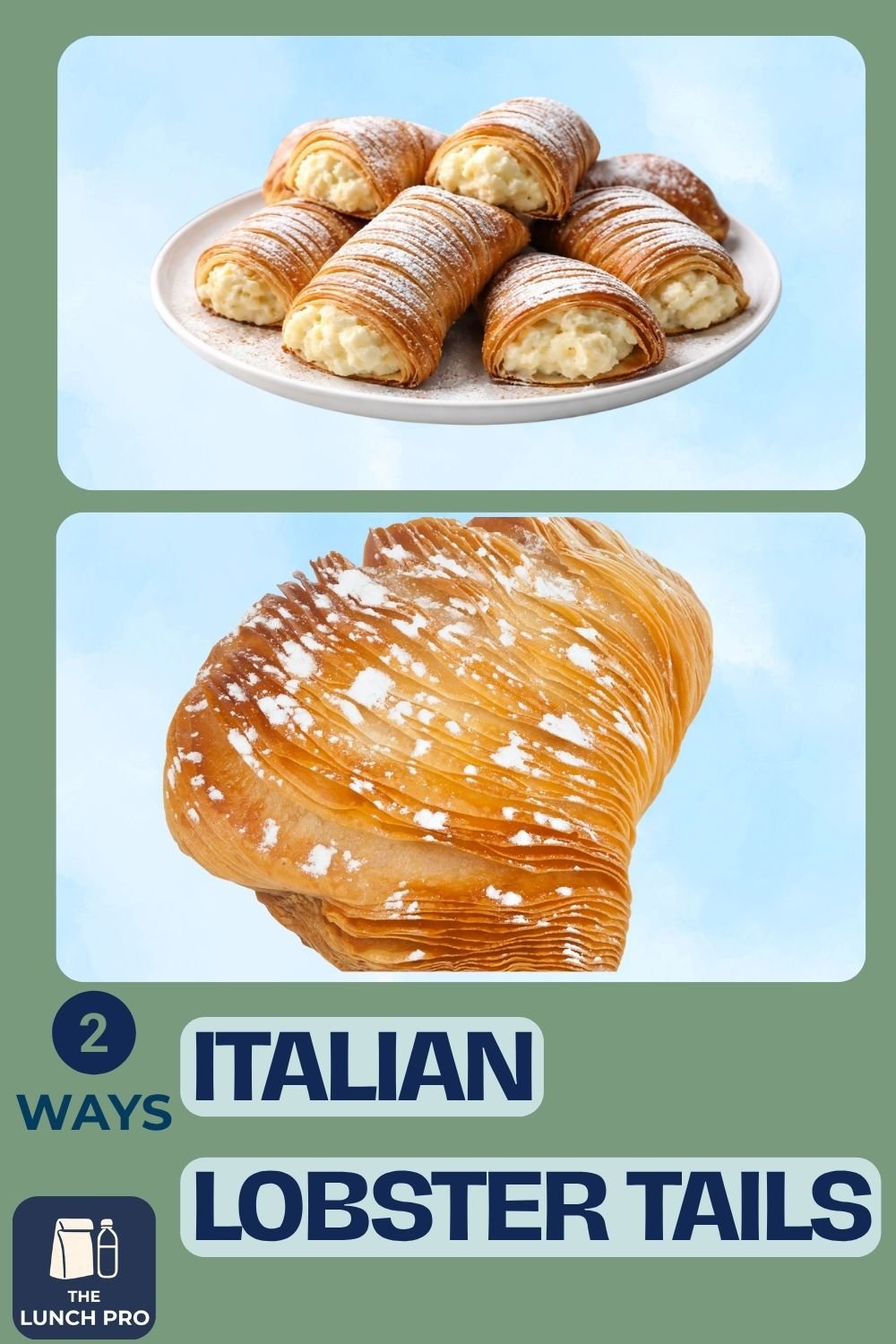
Walk past any Italian bakery and the shell-shaped pastries in the window stop you cold: crispy, fanned-out layers shattering into a creamy ricotta center. That is sfogliatelle; American bakeries call them lobster tails, and this page shows you the pastry in two ways. The classic Neapolitan recipe in all its buttery glory, and a low-carb, gluten-free version at 8g net carbs for anyone watching their blood sugar.
Quick Stats
Nutrition varies by recipe. See the individual recipe cards below for full details on each version.
What Makes Sfogliatelle Special
The Contrast Is Everything: A crispy, flaky exterior gives way to a smooth, creamy filling. That shatter-then-cream texture is the whole point, and it is what separates a real lobster tail from an ordinary pastry.
Paper-Thin Layers: The dough is rolled until nearly translucent, brushed with butter, and rolled into a log. Sliced and shaped, those layers fan out into the signature shell pattern that earned the American nickname.
Sweet Ricotta Filling: The classic uses a semolina-ricotta mixture with candied citrus, cinnamon, and vanilla. The semolina adds body while the ricotta keeps it creamy. The low-carb version swaps the candied fruit for fresh lemon zest and the sugar for a monk fruit blend.
One Technique, Two Payoffs: Both versions reward the same patience: a thorough chill, a paper-thin roll, and a golden egg wash. Master it once and you can bake the indulgent classic for a celebration or the blood-sugar-friendly version for a everyday treat.
Classic vs. Low-Carb Sfogliatelle
| Per Pastry | Classic | Low-Carb Version |
|---|---|---|
| Net Carbs | 50 to 60g | 8g |
| Sugar | 25 to 35g | 2g |
| Protein | 3 to 4g | 12g |
| Fiber | 0 to 1g | 4g |
| Flour | Wheat (semolina) | Almond + coconut (gluten-free) |
| Sweetener | Sugar + candied fruit | Monk fruit + lemon zest |
Here is the classic Neapolitan version: a buttery, laminated semolina-ricotta pastry, exactly as the bakeries make it.
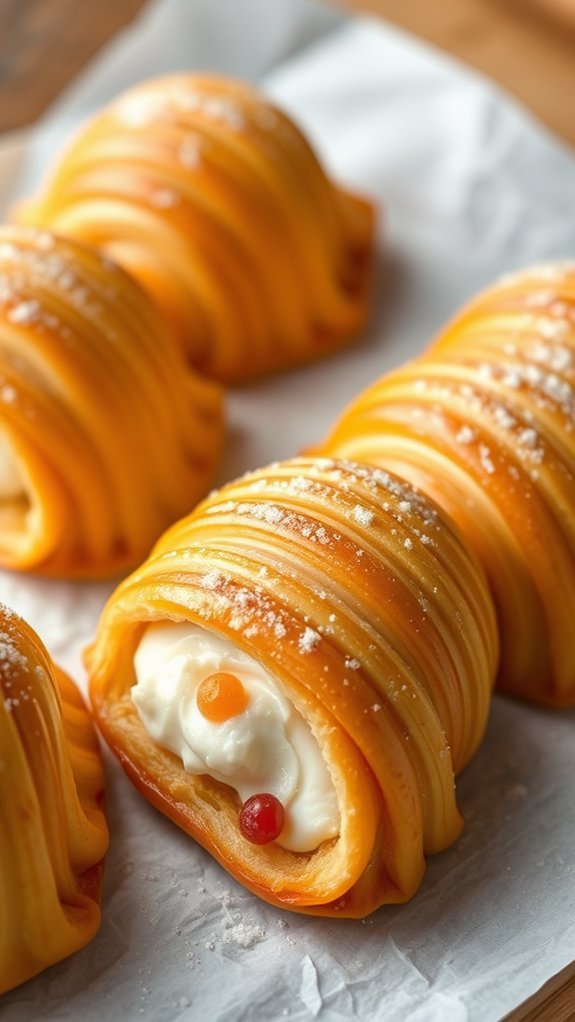

Sfogliatelle Lobster Tails | Classic Italian Pastry Recipe
Ingredients
Equipment
Method
- In a large bowl, combine the all-purpose flour, semolina flour, sugar, and salt. Mix well before adding the cold butter. Cut the butter into the flour mixture until it resembles coarse crumbs.
- Slowly add the cold water while mixing. Knead the mixture until it becomes firm. Form it into a ball, cover it, and let it chill in the refrigerator for 2 hours.
- While the dough chills, heat the milk in a saucepan over medium heat until it boils. Gradually whisk in the semolina flour, stirring constantly to avoid lumps. Simmer for 3-4 minutes, then remove from heat and let cool for 5 minutes. Fold in the sieved ricotta, egg, sugar, and candied fruit, beating until smooth.
- Remove the chilled dough from the refrigerator and divide it into two equal parts. On a dusted pastry board, roll each part into an 18-inch square, very thin. Brush with melted butter, roll like a jelly roll, and cut into 3-4 inch pieces. Press your thumb into the center of each piece to form a cup, fill with 2 tablespoons of the ricotta mixture, fold and seal the edges.
- Preheat the oven to 425°F (220°C). Line cookie sheets with parchment paper and place the shaped pastries on the sheets. Brush the tops with beaten egg yolk. Bake for 15 minutes or until golden brown. Let cool on the cookie sheet for 5 minutes before transferring to a cooling rack. Dust with confectioners sugar before serving.
Nutrition
Notes
Tried this recipe?
Let us know how it was!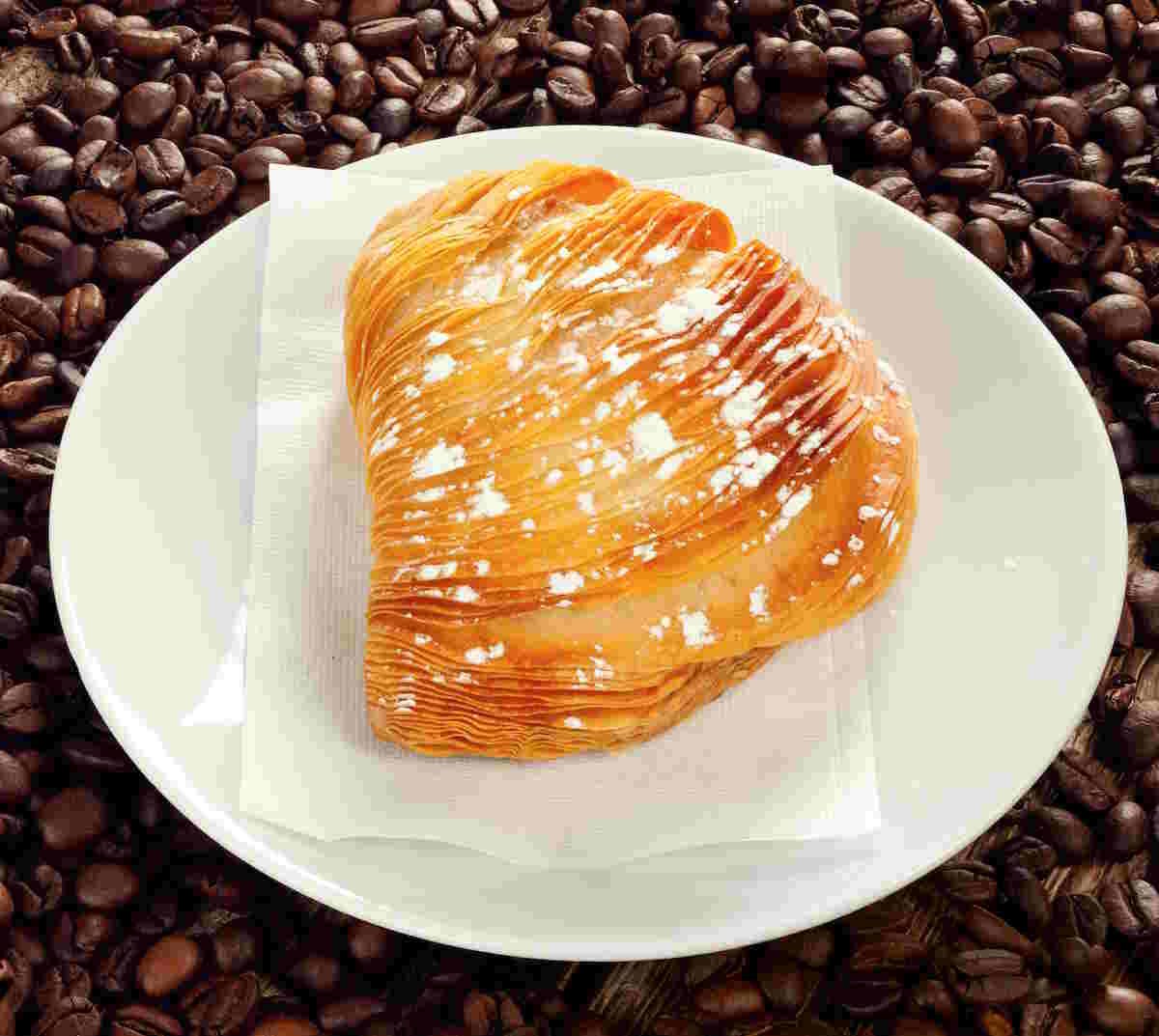
Watching your blood sugar or eating low-carb? Here is the same crispy-creamy pastry, rebuilt with almond and coconut flours and a monk fruit and erythritol blend: 8g net carbs, 12g protein, gluten-free, with no glucose spike.
Low-Carb Sfogliatelle Lobster Tails | 8g Net Carbs
Ingredients
Equipment
Method
- In a large bowl or food processor, combine almond flour, coconut flour, granulated monk fruit sweetener, salt, and xanthan gum. Pulse or whisk to blend thoroughly.
- Add the cold butter pieces and cut into the flour mixture using a pastry cutter or pulse in food processor until mixture resembles coarse crumbs with pea-sized butter pieces.
- In a small bowl, whisk together the cold egg and ice water. Slowly add to the flour mixture while stirring or pulsing until dough just comes together. It will be slightly crumbly but should hold together when pressed.
- Turn dough out onto a piece of parchment paper, form into a flat disk, wrap tightly in plastic wrap, and refrigerate for at least 2 hours or up to overnight.
- While dough chills, prepare the filling. Push the ricotta through a fine-mesh sieve into a bowl to ensure smoothness and remove any graininess.
- Add the powdered monk fruit sweetener, egg, vanilla extract, lemon zest, and cinnamon to the ricotta. Beat with a whisk or electric mixer until completely smooth and creamy, about 2 minutes. Cover and refrigerate until ready to use.
- Remove chilled dough from refrigerator and let sit for 5 minutes to soften slightly. Divide dough into 2 equal portions.
- Working with one portion at a time (keep other refrigerated), roll dough between two sheets of parchment paper into a very thin rectangle, approximately 12×16 inches. The thinner the better for crispy layers.
- Remove top parchment and brush the entire surface lightly with melted butter. Starting from the short end, tightly roll the dough like a jelly roll, creating a log.
- Using a sharp knife, cut the log into 4 equal pieces, each about 3 inches long. Repeat with second portion of dough for a total of 8 pieces.
- Preheat oven to 400°F (200°C). Line two baking sheets with parchment paper.
- Take one dough piece and press your thumb into the center of the spiral end, gently stretching and shaping it into a cup or cone shape to hold filling. The layers should fan out slightly.
- Spoon 2-3 tablespoons of ricotta filling into the center of each shaped pastry. Fold the edges over to partially enclose the filling, pinching gently to seal. The shape should resemble a lobster tail.
- Place shaped pastries on prepared baking sheets, spacing them 2 inches apart. Brush the exposed dough surfaces with beaten egg yolk for a golden finish.
- Bake for 12-15 minutes, rotating pans halfway through, until pastries are golden brown and crispy. Watch carefully in the final minutes to prevent burning.
- Remove from oven and let cool on baking sheets for 5 minutes, then transfer to a wire cooling rack. Let cool for 10 minutes before dusting lightly with powdered monk fruit sweetener if desired. Serve warm or at room temperature.
Nutrition
Notes
Tried this recipe?
Let us know how it was!If the low-carb version is your lane, two more diabetic-friendly Italian-style desserts worth a bake: this low-carb tiramisu and an almond-flour strawberry shortcake at 9g net carbs.
Chef Tips for Perfect Sfogliatelle
Chill the Dough Thoroughly: Impatient pastry tears, literally and figuratively. A full 2-hour chill, or overnight, makes rolling easier and builds better layers. If the dough springs back while rolling, rest it another 10 minutes. For the low-carb dough, keeping everything cold matters even more, since warm butter melts into the almond flour (affiliate link) and you lose the flaky layers.
Roll Paper-Thin: This is the single secret to crispy shells. Roll until you can nearly see through the dough, more pasta sheet than pizza dough, and dust generously with flour to prevent sticking. Small tears are fine in the almond-flour version; just patch and keep going.
Sieve the Ricotta: Pushing the ricotta through a fine-mesh sieve seems fussy, but it removes graininess and creates that silky, professional filling. It is the same creamy base as our whipped ricotta, so the technique carries over.
Do Not Overfill: Two to three tablespoons per shell is plenty. Overfilled pastries burst in the oven. Leave room for the filling to expand, and seal the edges firmly with damp fingertips.
The Egg Yolk Wash Is Essential: An egg yolk wash before baking creates the gorgeous amber color that makes these bakery-worthy. Do not skip it.
Watch Like a Hawk, Then Cool Completely: These go from golden to burnt in about 90 seconds, so start checking at 12 minutes and rotate the pan. Then cool completely before dusting; powdered sweetener melts into a gooey mess on a warm pastry.
Storage and Serving Suggestions
Best Fresh: Sfogliatelle are at their peak within hours of baking. The shells lose crispness quickly once filled, so plan to serve same-day for maximum impact (both versions behave the same way here).
Store Shells and Filling Separately: Keep baked, unfilled shells in an airtight container at room temperature for up to 2 days, and refrigerate the ricotta filling separately for up to 3 days. Fill just before serving to keep that shatter.
Refresh Trick: If the shells have softened, pop them in a 300°F oven for 3 to 4 minutes before filling to crisp them back up.
Make-Ahead and Freezing: Prepare and chill the dough up to 2 days ahead, or freeze it for a month and bake fresh. Do not freeze baked pastries; the delicate layers turn soggy on thawing.
Perfect Pairings: A robust espresso or cappuccino is the classic match, its bitter notes cutting the sweetness. For the low-carb version, finish with a dusting of powdered monk fruit and a few fresh berries.
Frequently Asked Questions
Are lobster tails and sfogliatelle the same thing?
They are the same pastry. Sfogliatelle (sfoh-lyah-TEL-leh) is the Italian name, meaning many leaves or layers, while lobster tails is the American bakery term, named for the shell-like shape. Both refer to the crispy, layered pastry filled with sweetened ricotta.
Why are they called lobster tails?
The American bakery name comes from the shape. The layered, curved shells fan out to resemble a lobster tail. In Naples, where the pastry originated, they are known as sfogliatelle ricce, or curly sfogliatelle.
Why did my shells come out soft instead of crispy?
Usually, the dough was not rolled thin enough, the oven temperature was too low, or the pastries were filled and stored before serving. Roll until nearly translucent, verify the oven temperature with a thermometer, cool the shells completely on a wire rack, and fill just before serving.
How is the low-carb version different?
The low-carb recipe replaces wheat semolina with almond and coconut flour and swaps sugar and candied fruit for a monk fruit blend and fresh lemon zest. That drops each pastry from roughly 50 to 60g of carbs to 8g net carbs, adds protein and fiber, and makes it gluten-free, while keeping the same crispy-creamy contrast.
You Might Also Like
The same creamy ricotta filling, with none of the dough work.
More Italian dessert magic, keto and diabetic-friendly.
Gluten-free and easy, with the same bright lemon note.
A no-bake, diabetic-friendly finish to any Italian meal.
Final Thoughts
Sfogliatelle reward patience. Rolling the dough takes time; your first few shells might look questionable, and you will probably dust the whole kitchen with flour. But when you bite through that shatteringly crisp shell into creamy ricotta, you will understand why Italian bakeries have been making these for generations. Bake the classic when the occasion calls for it; keep the low-carb version for everyday use; and even the imperfect ones taste fantastic.
Medical Disclaimer: The nutritional information provided in this article is for informational purposes only. While we strive for accuracy, individual responses to foods vary. Always consult with your healthcare provider or registered dietitian about dietary changes.


