
Ingredients
Equipment
Method
- Heat a medium skillet over medium heat. Add the almond flour and toast for about 3 minutes, stirring constantly, until it turns golden and smells nutty. Watch carefully to prevent burning. Remove from heat immediately.
- In a small bowl, combine the toasted almond flour, 1½ tablespoons erythritol, ground cinnamon, and a pinch of salt. Mix well.
- Add the cooled espresso or strong coffee to the almond flour mixture. Stir until all the flour is evenly moistened and has a crumbly, wet sand texture.
- Divide the coffee-almond mixture evenly between 6 small serving glasses, using about 1 heaping tablespoon per glass. Gently press down with the back of a spoon to form a compact base layer.
- In a medium bowl, combine the Greek yogurt, mascarpone cheese, remaining ¼ cup erythritol, rum (or rum extract), orange zest, and vanilla extract. Whisk or stir until smooth and creamy with no lumps.
- Spoon about ⅓ cup of the yogurt-mascarpone mixture over the coffee-almond base in each serving glass, spreading it evenly to the edges.
- Cover the glasses with plastic wrap or lids and refrigerate for at least 2 hours, or up to 3 days, to allow the flavors to meld and the texture to set.
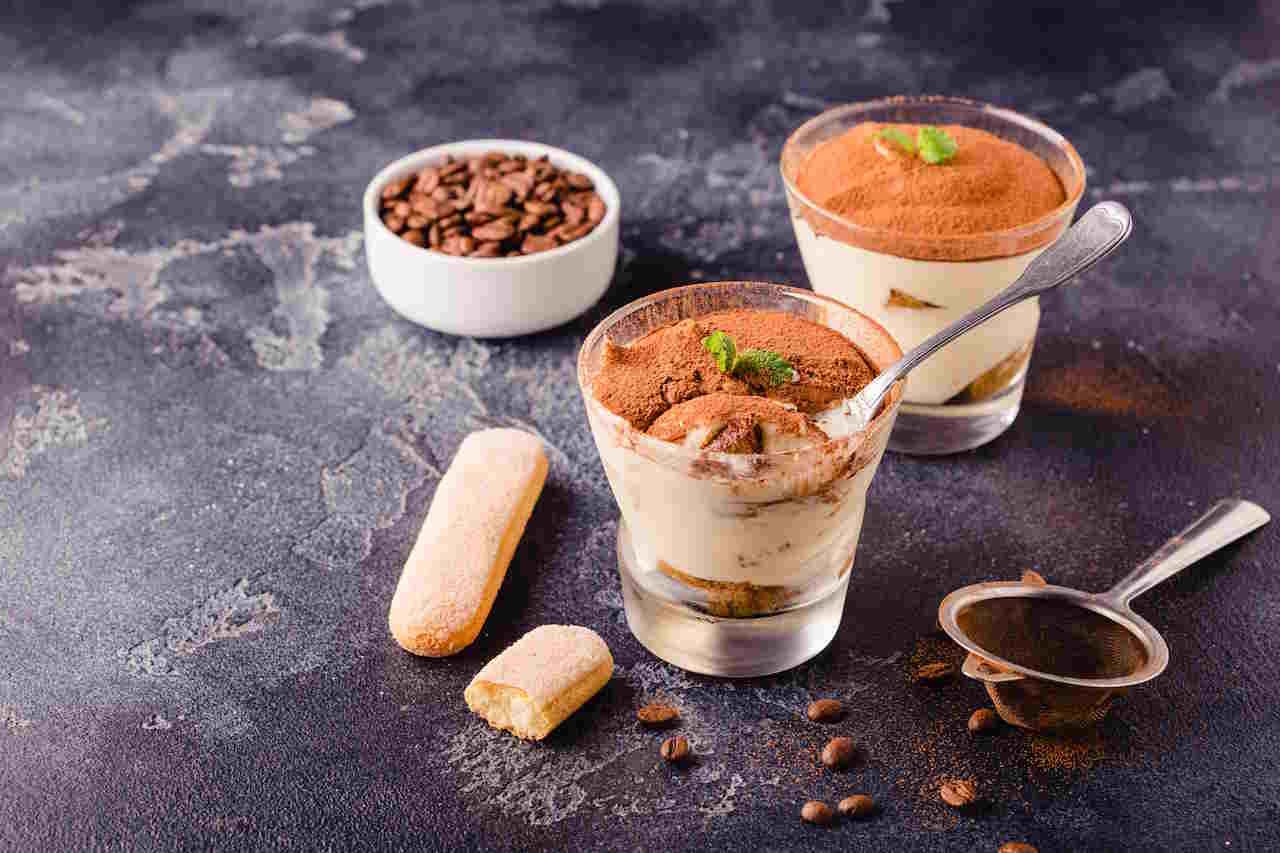
- Just before serving, remove the plastic wrap and lightly dust the top of each tiramisu with unsweetened cocoa powder using a fine-mesh sieve or small strainer. Serve chilled.
Nutrition
Notes
This diabetic-friendly tiramisu provides only 6g net carbs per serving, making it suitable for keto and low-carb diets. The almond flour base delivers healthy fats and protein without the blood sugar spike of traditional ladyfingers. Greek yogurt adds protein and probiotics while reducing the overall fat content compared to classic tiramisu. Erythritol provides sweetness with zero glycemic impact. The individual portions help with portion control, an important aspect of diabetes management. This dessert is also naturally gluten-free and suitable for vegetarians.
